Skip to content

Transfer Switch Installation in Woodburn, Indiana

Backfeed prevention needs replacement when the existing switch cannot isolate the utility safely, and Woodburn homes need a careful site review. We connect the generator system to the property’s electrical layout and test each operating position.

Licensed & InsuredWarranty AvailableSame-Day ServiceUpfront, Transparent Pricing

Working With Our Team in Woodburn

Transfer switch installation in Woodburn is provided by Chris Miller Electric for homes and businesses that need generator connection, utility isolation, and safe load transfer. Our 24-hour electrical service also covers urgent power concerns across Fort Wayne, New Haven, Leo-Cedarville, Huntertown, and nearby Allen County communities.

  • What we do: Chris Miller Electric provides transfer switch installation in Woodburn, Indiana for generator connection, utility isolation, and controlled load transfer.
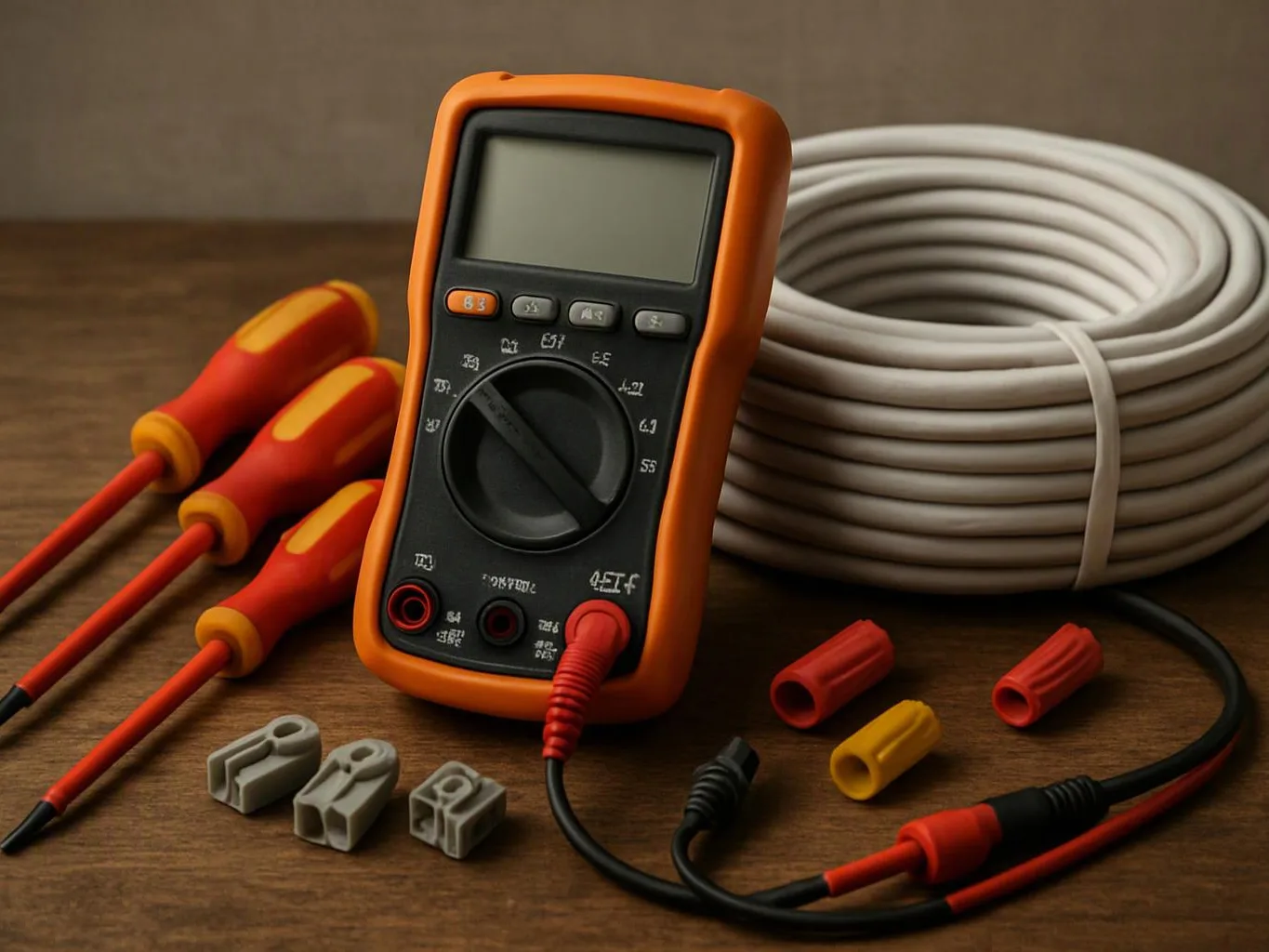
  • What is included: Key capabilities include service-panel review, generator connection, transfer equipment installation, circuit checks, testing, and electrical safety review.
  • What you get: The customer receives a transfer system that separates generator power from utility power and directs selected loads safely.

Why does a backup generator need a transfer switch?

A transfer switch separates generator power from utility power, which prevents unsafe backfeed and controls how selected circuits receive backup power.
Transfer Switch Installation for Woodburn Generator Systems

Transfer switch installation gives a backup generator a controlled connection to a building’s electrical system. The switch directs power to selected circuits and isolates the utility supply during generator operation.

Customers need this work when they want more than a portable cord connection. The decision often turns on generator type, service-panel capacity, chosen loads, and the condition of existing wiring. We review those parts before recommending replacement or adjustment.

This page focuses on the connection between the generator, transfer equipment, and building panel. It does not treat a generator as a substitute for a utility repair. If the whole property has lost utility power, we also help diagnose electrical faults while the utility company handles its own lines and equipment.

  • Confirm which circuits need backup power.
  • Review the service panel and available capacity.
  • Check the generator connection point and wiring path.
  • Inspect transfer equipment for safe isolation.
  • Test generator and utility operating positions.
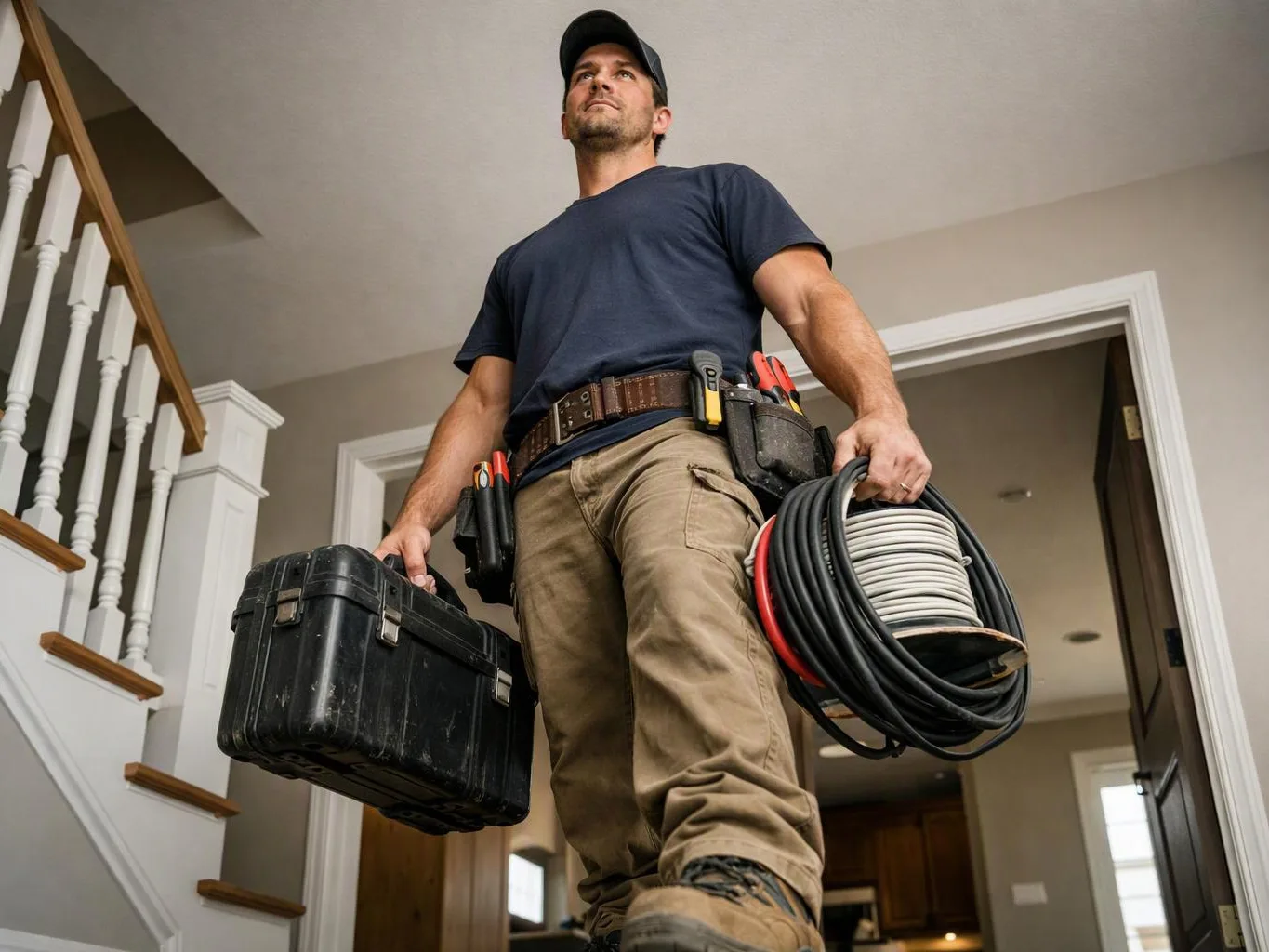
A utility worker stands indoors holding a toolbox and coiled cables near a staircase and doorway

Service Overview

Transfer switch installation is electrical work that connects a backup generator to selected building circuits while separating generator and utility power.

  • Generator connection adds a controlled power path, while a panel service call may only inspect or repair the existing distribution equipment.
  • Chris Miller Electric provides this work for homes and businesses in Woodburn and nearby Allen County communities.

What Safer Generator Switching Changes

A transfer switch gives generator power a controlled path into selected circuits.

Utility isolation reduces the risk of sending generator power into utility lines.

Load transfer helps direct backup power to the circuits that matter most.

Testing gives you a clearer view of how the system operates during an outage.

A planned connection helps prevent unsafe extension-cord arrangements for fixed loads.

What Transfer Switch Work Includes

Chris Miller Electric provides comprehensive Transfer Switch Installation in Woodburn. Here's what you get:

  • We inspect the service panel and identify the circuits that need generator power.
  • We connect the transfer equipment to the generator and selected building circuits.
  • We check the wiring path, grounding, and connection points before testing.
  • We verify that utility and generator power remain separated during operation.
  • We test the transfer positions and explain the system’s normal use.
Process

How We Complete Generator Transfer Work

1

Review the generator and panel

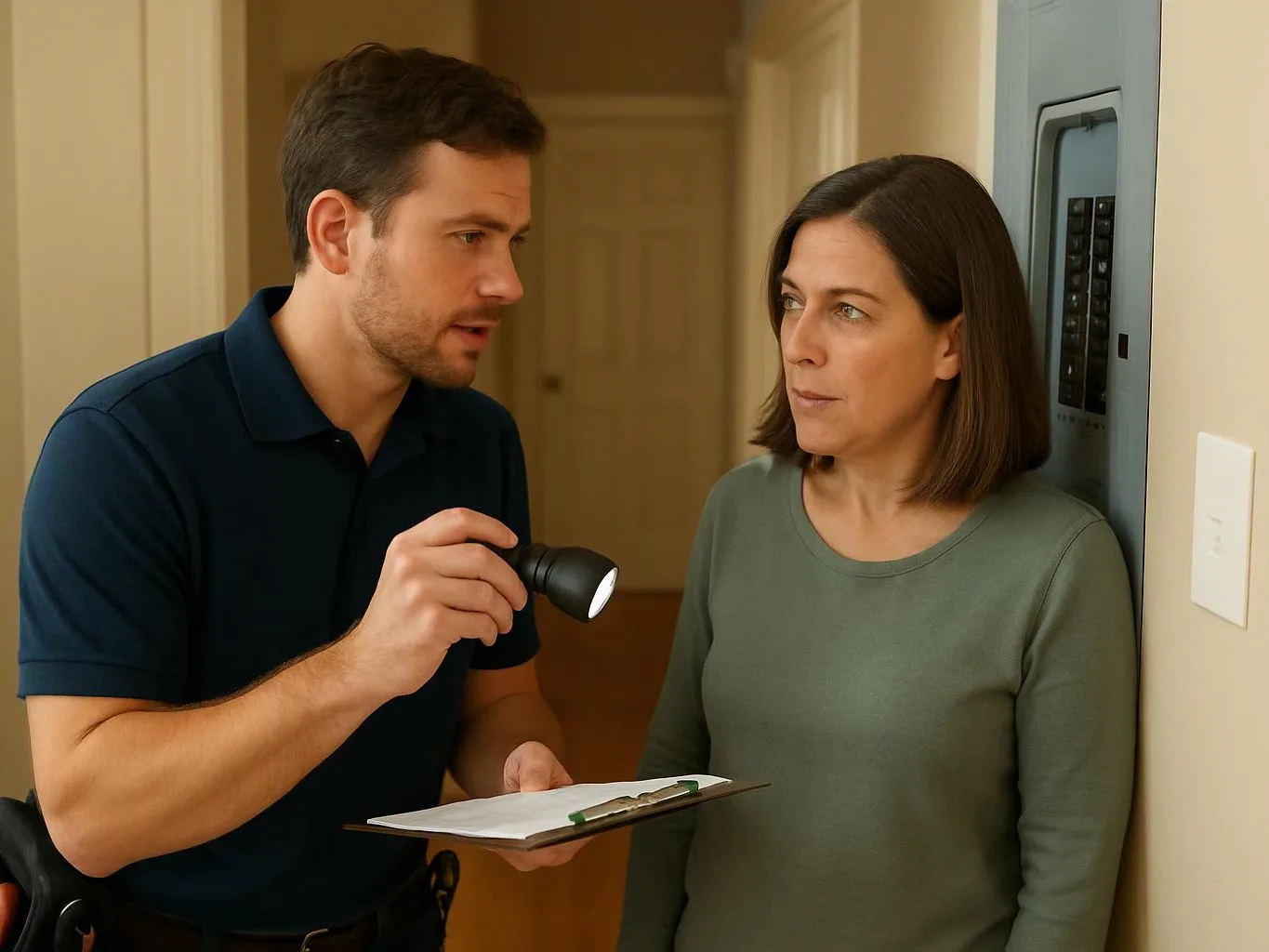
We inspect the generator connection, service panel, circuit layout, grounding, and available capacity. Customers help identify which circuits matter during an outage.

2

Set the transfer equipment scope

We determine whether the existing equipment needs adjustment or replacement. The scope follows the panel layout, generator connection, selected loads, and condition of the wiring.

3

Connect the selected circuits

We connect the transfer equipment between the generator source and the chosen building circuits. The wiring must keep the generator and utility sources separated.

4

Test source switching

We test the utility position, generator position, selected circuits, and transfer action. We explain the operating steps after the system passes its checks.

How We Approach Generator Transfer Work

Start with the service panel

Customers get a panel review before we set the equipment scope. We check circuit layout, load needs, grounding, and the generator connection point. A transfer switch is the wrong job when the problem sits only with utility service or the generator itself.

Match backup loads to capacity

Selected circuits must fit the generator and electrical system. We discuss essential loads such as refrigeration, heating controls, lighting, or critical business equipment, then use that decision to guide the connection.

Test both power sources

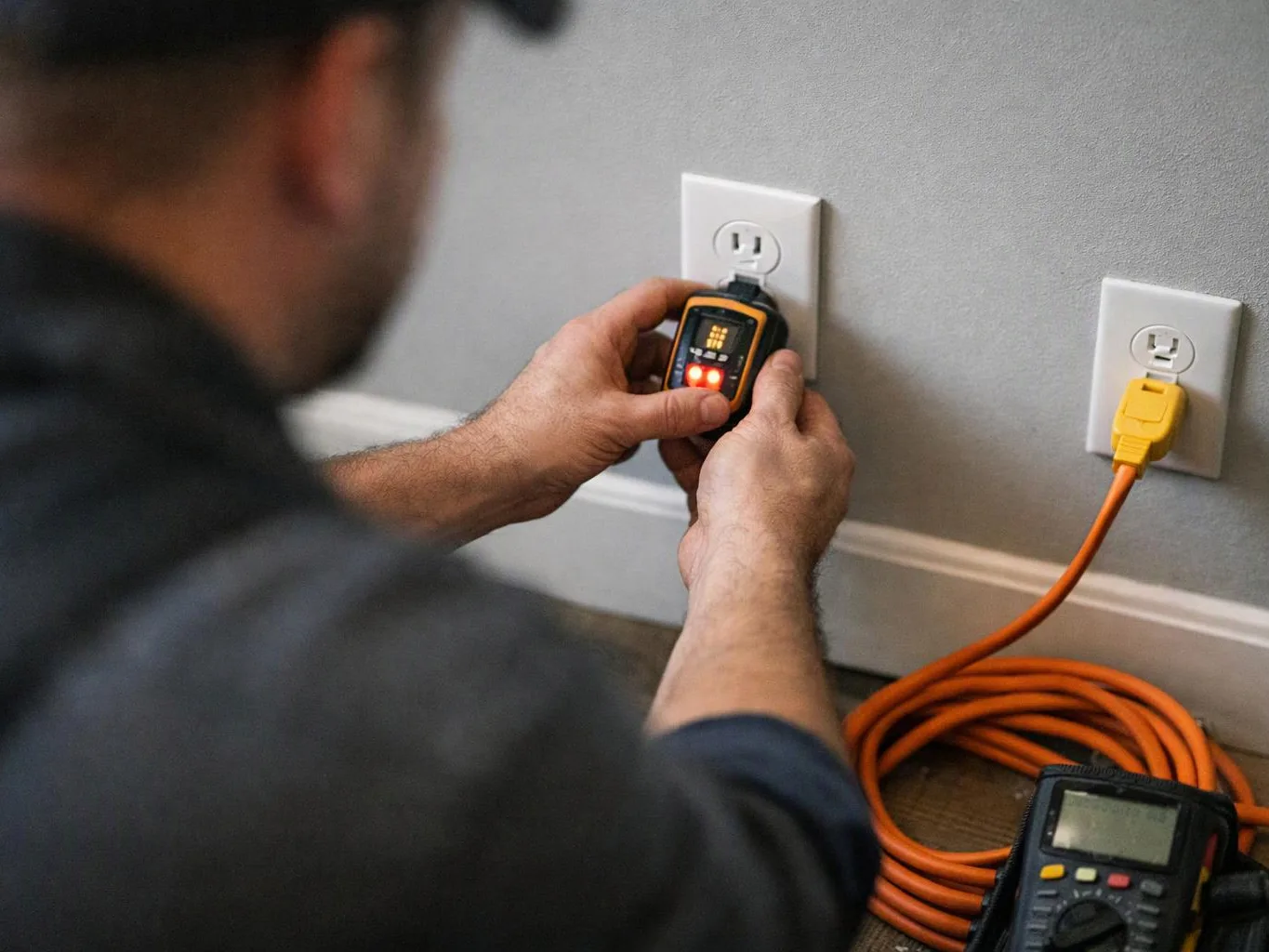
After the equipment is connected, we check the utility position and generator position. We also verify that the switch changes sources as intended and that selected circuits receive power from the correct source.

Generator Connection Choices for Selected Loads

These options differ by how much of the electrical system receives backup power and how the connection is controlled.

Connection choiceWhat it suppliesKey decision
Selected-circuit transferChosen circuits in the service panelWhich loads matter during an outage
Broader panel transferA wider group of building circuitsGenerator capacity and panel condition
Portable equipment connectionEquipment connected through approved wiringWhether the setup has safe source separation

The Chris Miller Electric Standard

  • Any-Hour Service
  • Urgent Requests
  • Troubleshooting Repairs
  • Electrician Support

Questions About Generator Transfer Work

Why is backfeed prevention needed for a backup generator?

Chris Miller Electric installs transfer equipment for backfeed prevention because generator power must stay separated from utility power. The switch controls which source feeds selected circuits. We inspect the service panel, generator connection, and grounding before testing the system. That review helps determine whether existing equipment needs adjustment or replacement.

What does the crew look at first during transfer switch work?

The service panel and generator connection come first because they determine the available circuits and safe wiring path. We check panel capacity, circuit layout, grounding, and equipment condition. Customers should identify essential loads before the visit, such as refrigeration, heating controls, lighting, or business equipment.

What happens at each stage of the installation?

The installation follows a review, connection, and test sequence.

  1. We inspect the panel, generator, grounding, and selected circuits.
  2. We set the equipment scope and connect the required wiring.
  3. We test utility and generator positions.
  4. We explain normal operation and safe use.

Which circuits should a transfer switch supply?

Selected circuits should match the generator’s capacity and the property’s essential needs. We discuss the loads you want during an outage, then check their panel locations and electrical demand. A smaller backup system may serve only key circuits, while a larger system can support a broader load plan.

When should existing transfer equipment be replaced?

Replacement is appropriate when the switch has damaged terminals, heat marks, unreliable movement, or wiring that cannot provide safe source separation. We inspect the equipment and its connections before choosing replacement. A generator fault or utility problem needs separate diagnosis, so the transfer switch may not be the correct repair.

What should be checked before this work is scheduled?

The generator type, service-panel condition, selected circuits, grounding, and connection location should be checked first. Customers can gather generator information and list the loads they want backed up. We use those details with an on-site electrical review to define the installation scope.

Does a transfer switch fix a complete utility outage?

A transfer switch does not repair utility lines or restore the utility supply. It controls generator power inside the property after the generator is connected. We can diagnose building-side electrical problems, while the utility company handles its own equipment and distribution lines.
Contact

Request a Transfer Switch Installation Quote in Woodburn

Ask for a quote based on your generator, panel, and selected backup circuits, and urgent requests get priority scheduling.

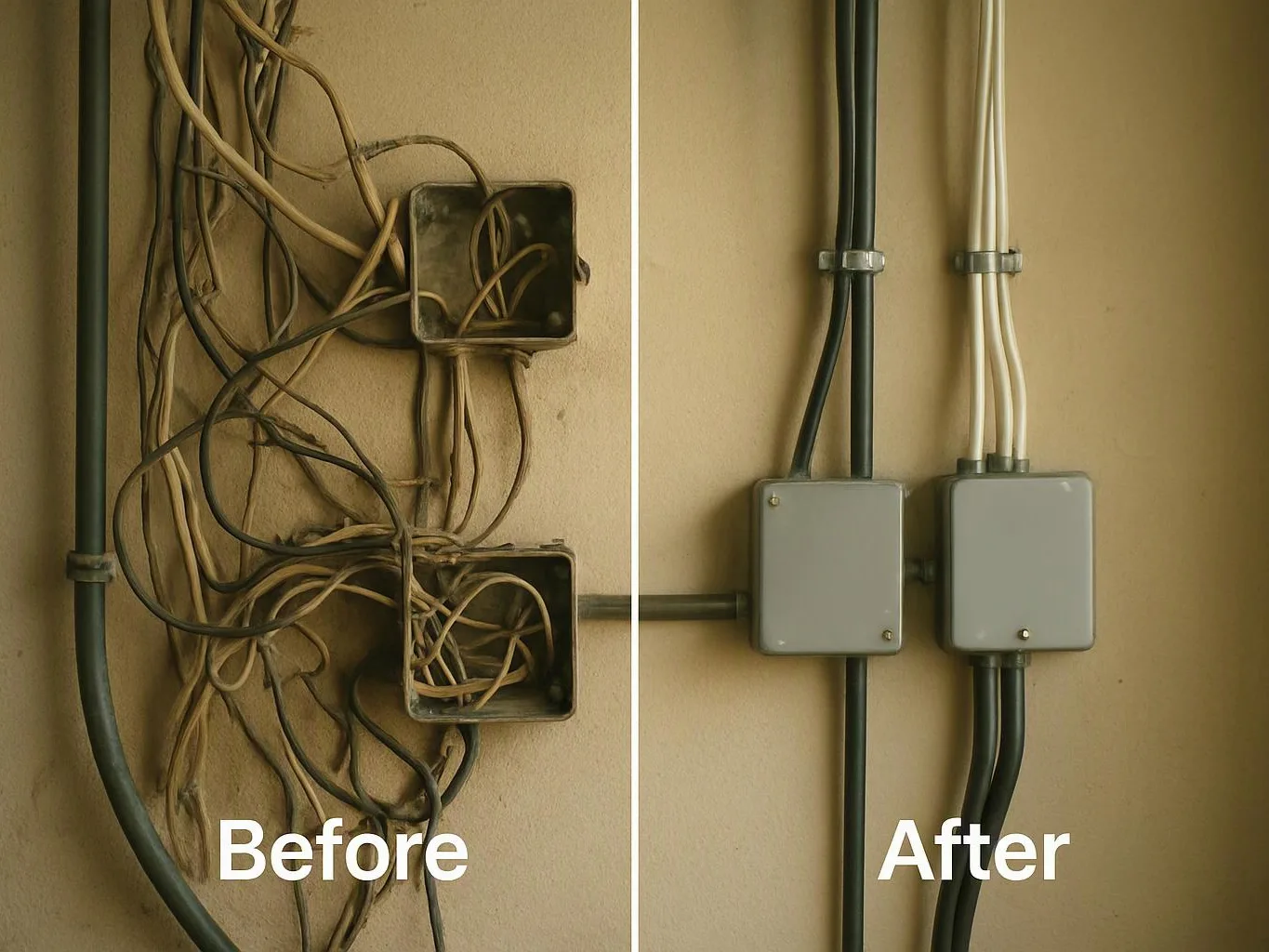
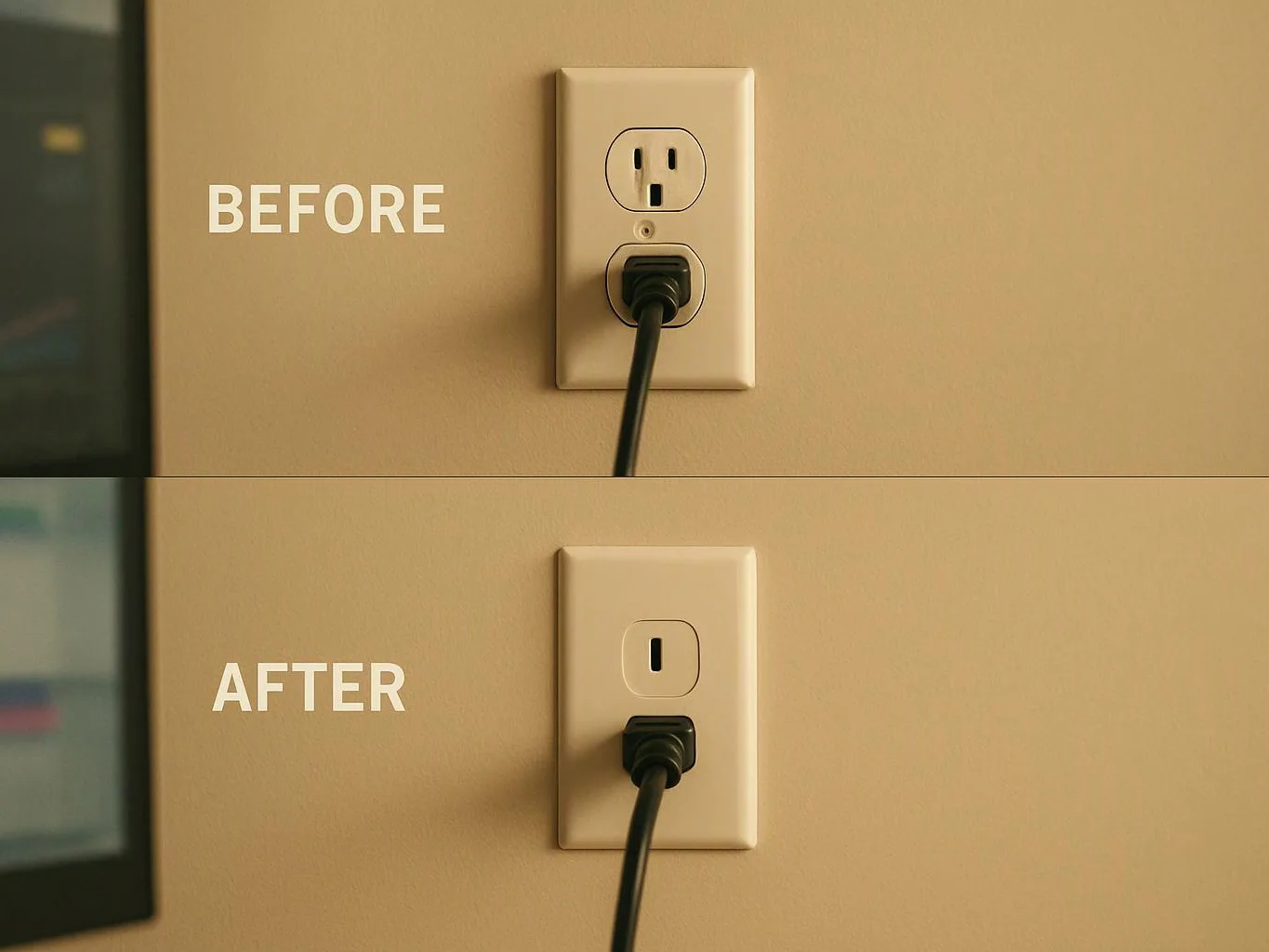
A split before-and-after image shows a wall outlet with a black plug, then a cleaner outlet with one opening covered

ZIP Codes We Serve in Woodburn, Indiana

46797

Transfer Switch Installation in Other Areas

(260) 305-8344