Skip to content

Backup Generator Installation in Fort Wayne, Indiana

A standby generator keeps selected home or business circuits ready during an outage. We plan the connection, check the electrical load, and install the system for safe operation.

Licensed & InsuredWarranty AvailableSame-Day ServiceUpfront, Transparent Pricing
Backup Generator Installation helps homes and businesses in Fort Wayne prepare for power outages. Chris Miller Electric reviews the property, generator location, electrical load, and transfer equipment before work begins. A generator installation involves more than placing equipment outside. We connect the system to the property wiring, check grounding and circuit capacity, and explain how the finished setup operates.

What installed backup power changes

Selected home circuits can stay available when utility power fails.

A transfer switch keeps utility and generator sources separated during operation.

Circuit planning helps protect the generator from unnecessary electrical demand.
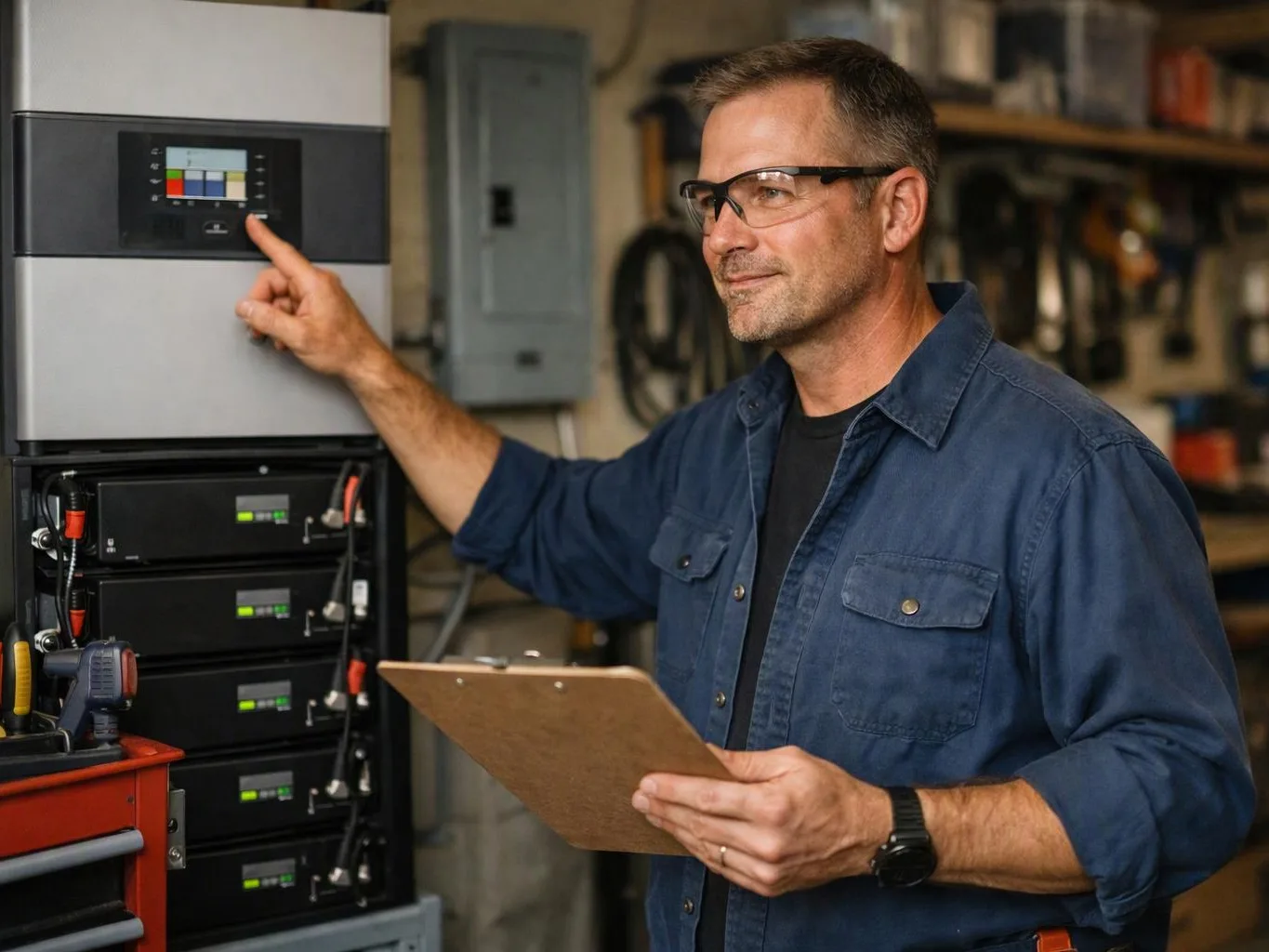
A man in safety glasses points at a control panel while holding a clipboard in a workshop
About

What backup power installation includes

Backup Generator Installation connects generation equipment to a property's electrical system. We begin by discussing which circuits matter during an outage, such as refrigeration, heating controls, lighting, or business equipment. Our crew reviews the service panel, circuit layout, grounding, and available capacity. A load calculation helps match the planned generator connection to the property instead of treating every circuit as the same. The work also includes transfer equipment and circuit identification. We test the connection after installation, then explain the operating controls and the limits of the selected circuits. A generator does not replace utility service for every property load. The final setup depends on the generator, transfer switch, panel capacity, fuel arrangement, and circuits selected for backup.

What Backup Generator Installation Covers

Backup Generator Installation is an electrical service that connects standby generation equipment to selected property circuits.

  • The installation differs from portable generator use because a transfer switch manages the connection between utility power and generator power.
  • The service requires a property review, load assessment, safe wiring, grounding checks, and system testing before use.

What to prepare before generator installation

These details help us plan the electrical connection around your property and outage needs.

  • List the circuits you want available during an outage.
  • Note any breaker trips, flickering lights, or dead outlets.
  • Provide access to the service panel and planned generator location.
  • Tell us about major equipment that may run during an outage.
Process

How we install backup generator systems

1

Review the property and outage needs

We discuss the home or business, identify important circuits, and inspect the existing service panel. This creates the starting plan for the installation.

2

Check electrical load and circuit capacity

We review the expected demand and panel capacity before selecting the connection approach. The load check helps prevent unsuitable circuit combinations.

3

Plan the generator and transfer connection

We determine how the generator connects to the property wiring and which transfer equipment controls the power source.

4

Complete the electrical installation

Our electricians install the required wiring and connection equipment, then review grounding and circuit identification as part of the work.

5

Test operation and explain the system

We test the transfer path and connected circuits. We also explain the controls, selected loads, and basic steps for future troubleshooting.

The Chris Miller Electric Standard

Any-Hour Service

We provide generator installation assistance whenever customers need help planning, connecting, testing, or understanding backup circuits.

Troubleshooting Repairs

We troubleshoot generator connections by checking panels, transfer switches, wiring, outlets, grounding, and circuit behavior.

System Diagnosis

We diagnose backup systems by tracing circuits and testing panels, transfer equipment, wiring, and selected loads.

Questions about installing backup generators

Who installs backup generators for homes and businesses?

Chris Miller Electric installs backup generator systems for residential and commercial properties. We review the panel, circuit demand, transfer equipment, and grounding before connecting the system. The final setup depends on the circuits you want backed up and the electrical capacity available at the property.

What size generator does a house need?

Generator size depends on the circuits you want powered and their combined electrical demand. A load calculation gives us the information needed to plan the connection. We review major equipment, panel capacity, and starting loads before recommending which circuits belong in the backup plan.

What changes the cost of installing a backup generator?

The generator connection, transfer equipment, wiring path, panel condition, grounding work, and selected circuits affect the project cost. We inspect the property before preparing a quote. A larger connected load or longer wiring path may require a different installation plan.

Can a generator power my whole house?

A generator can power only the circuits supported by its capacity and connection design. We review the service panel and load calculation before choosing whole-property or selected-circuit backup. The plan should account for large equipment, starting demand, and the loads you need during an outage.

Why does a generator run without powering the house?

A running generator may not power the property when the transfer switch, control wiring, feeder, or selected circuits has a fault. We test the transfer path and inspect the panel to locate the problem. Do not remove covers or handle damaged wiring during an outage.

What should I do before generator installation?

Before installation, list essential circuits and provide access to the service panel and planned generator location. We use that information to review the load and connection path. Tell us about past breaker trips, dead outlets, or other electrical symptoms before work begins.

Key Points About Backup Generator Installation

  • A load calculation guides generator and circuit selection.
  • A transfer switch separates utility power from generator power.
  • The panel, grounding, wiring path, and selected loads shape the installation.
  • Testing confirms that the planned circuits receive backup power.
  • A generator connection does not automatically support every property load.
Contact

Request a Backup Generator Installation Quote in Fort Wayne

Get a backup power plan for the circuits your property needs, and urgent requests get priority scheduling.

Quiet suburban street lined with large trees and small houses beside an empty road
Scenarios

When Customers Call Us About Backup Generator Installation

1

Power protection for essential home circuits

A Fort Wayne homeowner may want backup power for refrigeration, heating controls, lights, and other essential circuits. The installation depends on panel capacity and the total electrical load, not just the generator’s physical size. Write down the circuits that matter most, then arrange a property review so we can plan the transfer connection and test the selected loads.

2

Business continuity during outages

A commercial property may need selected equipment to remain powered during an outage. The wiring plan must account for connected loads, panel space, access, and the way staff will use the system. Gather the equipment list and service panel location before scheduling a review, so we can define the backup circuits and installation steps.

3

Existing generator that will not transfer

A generator may run while the property remains without power because the transfer switch or control wiring has a fault. We need to inspect the generator connection, panel, grounding, and selected circuits before changing parts. Keep clear of damaged equipment and arrange electrical troubleshooting so the system can be tested safely.
Our Other Services

Carbon Monoxide Detector InstallationFuel-burning furnaces, fireplaces, and water heaters can create a dangerous carbon monoxide risk. We place carbon monoxide alarms outside sleeping areas and test their power, sensors, and warning functions.
Emergency EV Charger RepairA nonworking EV charger can leave your vehicle unusable when you need it. We check the charging cable, breaker, connector, and wall unit to find the fault and restore charging safely.
Emergency Home Battery Backup RepairA home battery that will not charge or switch during an outage needs careful diagnosis. We inspect battery connections, inverters, transfer controls, and error indicators to restore dependable backup power.
Emergency Electrical RepairA burning smell, sparking outlet, or sudden outage needs attention before damage spreads. We trace the fault, isolate unsafe wiring, and restore essential power with repairs suited to your home or business.
Electrical TroubleshootingFlickering lights and unexplained power loss make everyday work unreliable. We test circuits, receptacles, and connections to locate the fault and give you a clear repair plan.
Electrical InspectionBuying a property or planning renovations calls for a closer look at its electrical system. Our inspection reviews the service panel, grounding, branch circuits, and visible wiring for safety concerns.
(260) 305-8344