Skip to content

Transfer Switch Installation in New Haven, Indiana

The generator inlet belongs where the transfer equipment can connect safely in New Haven. We match its location to the service equipment, main panel, and conduit route.

Licensed & InsuredWarranty AvailableSame-Day ServiceUpfront, Transparent Pricing

Quick Summary: transfer switch installation in New Haven, Indiana

Transfer Switch Installation in New Haven is completed by Chris Miller Electric for residential and commercial properties across Fort Wayne, New Haven, Leo-Cedarville, Huntertown, and nearby Allen County communities. The work covers transfer equipment, generator connections, panel checks, and testing, with phone support available 24 hours.

  • What we do: Chris Miller Electric provides Transfer Switch Installation for residential and commercial properties in New Haven, Indiana.
  • What is included: We assess generator inlet placement, inspect the main panel, route conduit, connect transfer equipment, and test the system.
  • What you get: The property receives a tested transfer system that connects backup power safely to the selected electrical loads.

Where should a generator inlet go for a transfer switch?

A generator inlet should sit where the transfer equipment can connect safely to the service equipment and main panel. The location also needs suitable access for the generator cord and a practical conduit route. Chris Miller Electric checks these points before installation and explains the chosen placement.
Transfer switch installation for backup power connections

Transfer switch installation connects a portable or standby generator to selected building circuits. The job centers on placement, electrical load, panel access, and safe separation from utility power.

Customers must decide which circuits need backup power and where the generator connection should sit. We inspect the service equipment and main panel, then plan the outdoor enclosure and conduit route around the property’s layout.

This page focuses on the placement question. A generator inlet that sits too far from the transfer equipment can require a longer conduit route, while poor panel access can change the work scope.

  • Choose the circuits that need backup power.
  • Check the main panel and service equipment.
  • Plan the outdoor enclosure location.
  • Confirm a safe conduit route.
  • Test the transfer connection after installation.
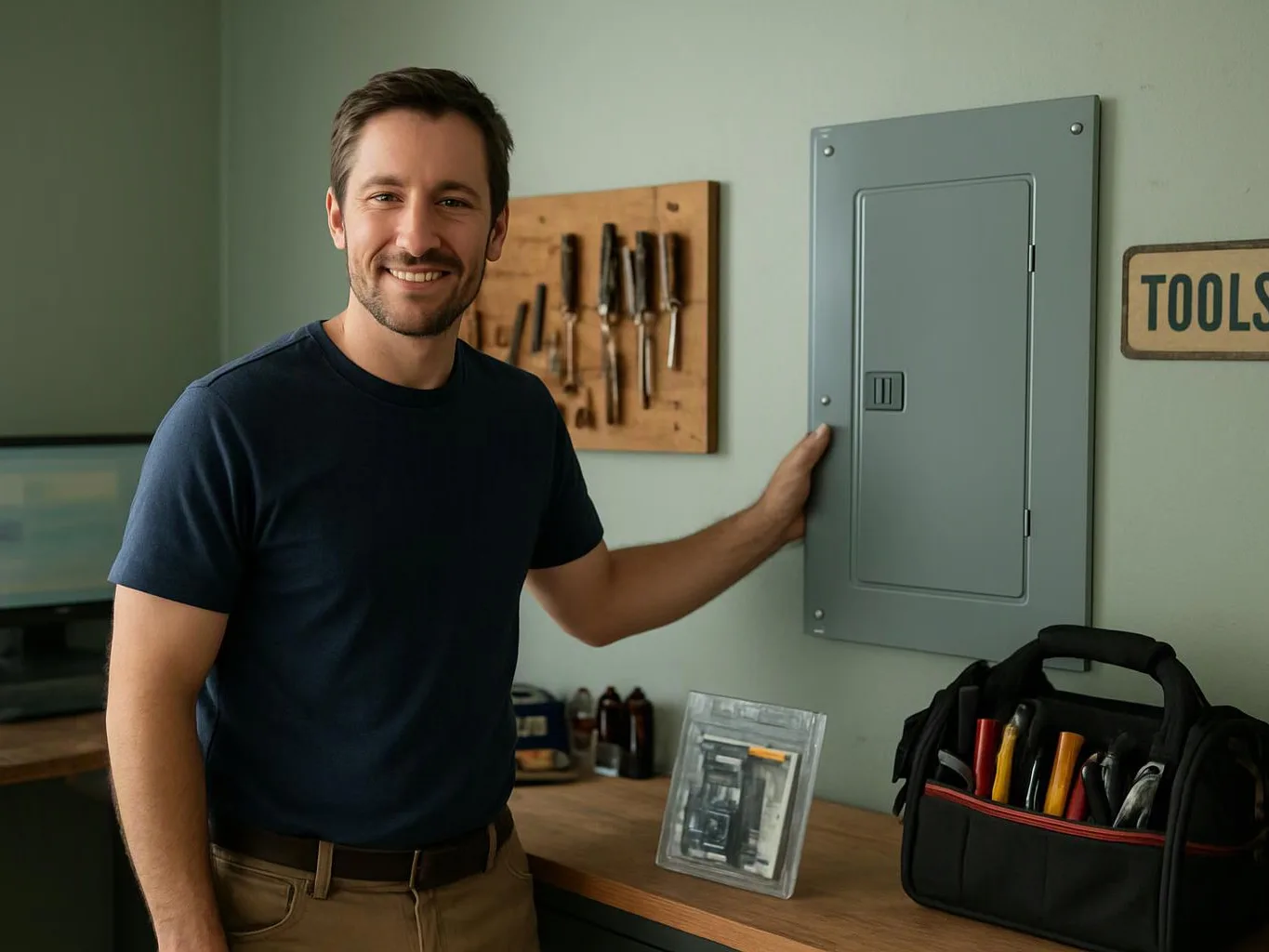
A smiling man stands in a workshop, touching a gray electrical panel beside hanging tools and a tool bag

Service Overview

Transfer switch installation is electrical work that connects a backup generator to selected building circuits through transfer equipment.

  • A transfer switch installation differs from generator repair because it sets up the building connection, while generator repair addresses the generator itself.
  • Chris Miller Electric provides this work for homes and businesses in New Haven and nearby Allen County communities.

What transfer switch installation includes

Chris Miller Electric provides comprehensive Transfer Switch Installation in New Haven. Here's what you get:

  • We inspect the service equipment and main panel before installation.
  • We plan the generator inlet location and conduit route.
  • We install transfer equipment for the selected electrical loads.
  • We place the outdoor enclosure where the connection remains accessible.
  • We connect the system to the appropriate building circuits.
  • We test the installation and explain its operation.

What the transfer connection changes for your property

Backup power reaches the circuits selected for the installation.

The transfer equipment separates generator power from utility power during operation.

A planned conduit route keeps the connection organized and accessible.

You receive a clear explanation of which loads the system serves.

The setup supports safer generator use during an outage.

Process

How we complete the transfer connection

1

Review the generator connection

We identify the generator type, proposed connection point, and circuits that need backup power.

2

Inspect the service equipment

We check the service equipment and main panel for access, available space, and circuit identification.

3

Plan the conduit route

We set the outdoor enclosure location and map the conduit path between the inlet and transfer equipment.

4

Install the transfer equipment

We connect the transfer equipment to the selected circuits and complete the related electrical connections.

5

Test the installed system

We test the transfer action and verify that the selected circuits receive the intended connection.

How we approach backup power connections

Placement before equipment selection

The generator inlet location affects the conduit route and connection method, so we review the property before setting the installation scope.

Panel and load review

Customers need to know which circuits the generator can support. We inspect the main panel and discuss the loads that matter most.

When this is the wrong service

Transfer switch installation is not generator repair. If the generator itself will not start or run, the generator fault needs separate diagnosis.

Transfer equipment choices for selected backup loads

These options describe the main installation decisions without assigning unsupported prices or equipment brands.

Installation decisionWhat it determinesWhat we review
Selected circuit connectionBackup power serves chosen circuitsMain panel layout and load needs
Outdoor connection placementGenerator access and cord pathEnclosure location and property access
Conduit routeWiring path to transfer equipmentPanel position, access, and routing limits

The Chris Miller Electric Standard

  • Any-Hour Service
  • Urgent Requests
  • Troubleshooting Repairs
  • Electrician Support

Questions about transfer switch installation

Where should the generator inlet be installed?

The generator inlet should sit near a safe connection path to the transfer equipment and main panel. Chris Miller Electric reviews access, enclosure placement, cord reach, and conduit routing before choosing the location. The inlet also needs to remain practical for the person connecting the generator during an outage.

How is the installation matched to the property before work starts?

Property layout determines the transfer equipment location, conduit route, and selected circuits. We inspect the service equipment and main panel, then compare the proposed connection with available access. Customers receive a quote based on the actual electrical layout instead of a generic equipment assumption.

Which condition on the property changes the installation time?

Limited panel access can add work because the connection path and circuit layout need closer review. A long conduit route, crowded service equipment, or unclear circuit labeling can also change the scope. We identify those conditions during the site assessment before installation begins.

What should be ready before transfer equipment is installed?

The generator information, preferred backup circuits, and main panel access should be ready before installation. Customers should also identify essential loads, such as refrigeration or selected business equipment. We use that information to plan the connection and explain what the system will support.

Can the transfer system power every circuit in a building?

A transfer system powers only the circuits supported by its equipment and the generator’s capacity. We review the main panel and the desired loads before setting the circuit scope. Large loads may need separate consideration so the selected circuits match the available backup power.

What does the conduit route change on this job?

The conduit route affects the connection path between the outdoor enclosure, transfer equipment, and main panel. We review distance, access, and equipment placement before installation. A clear route helps keep the wiring protected and makes future service easier.

Who installs transfer switch equipment in New Haven?

Chris Miller Electric installs transfer switch equipment for residential and commercial properties in New Haven. We provide electrical installations, panel services, troubleshooting, and code-compliant improvements. Our licensed and insured electrical professionals review the property and explain the work before installation.
Contact

Request a transfer switch installation quote in New Haven

Share your panel, generator, and backup circuit needs, and urgent requests get priority scheduling.

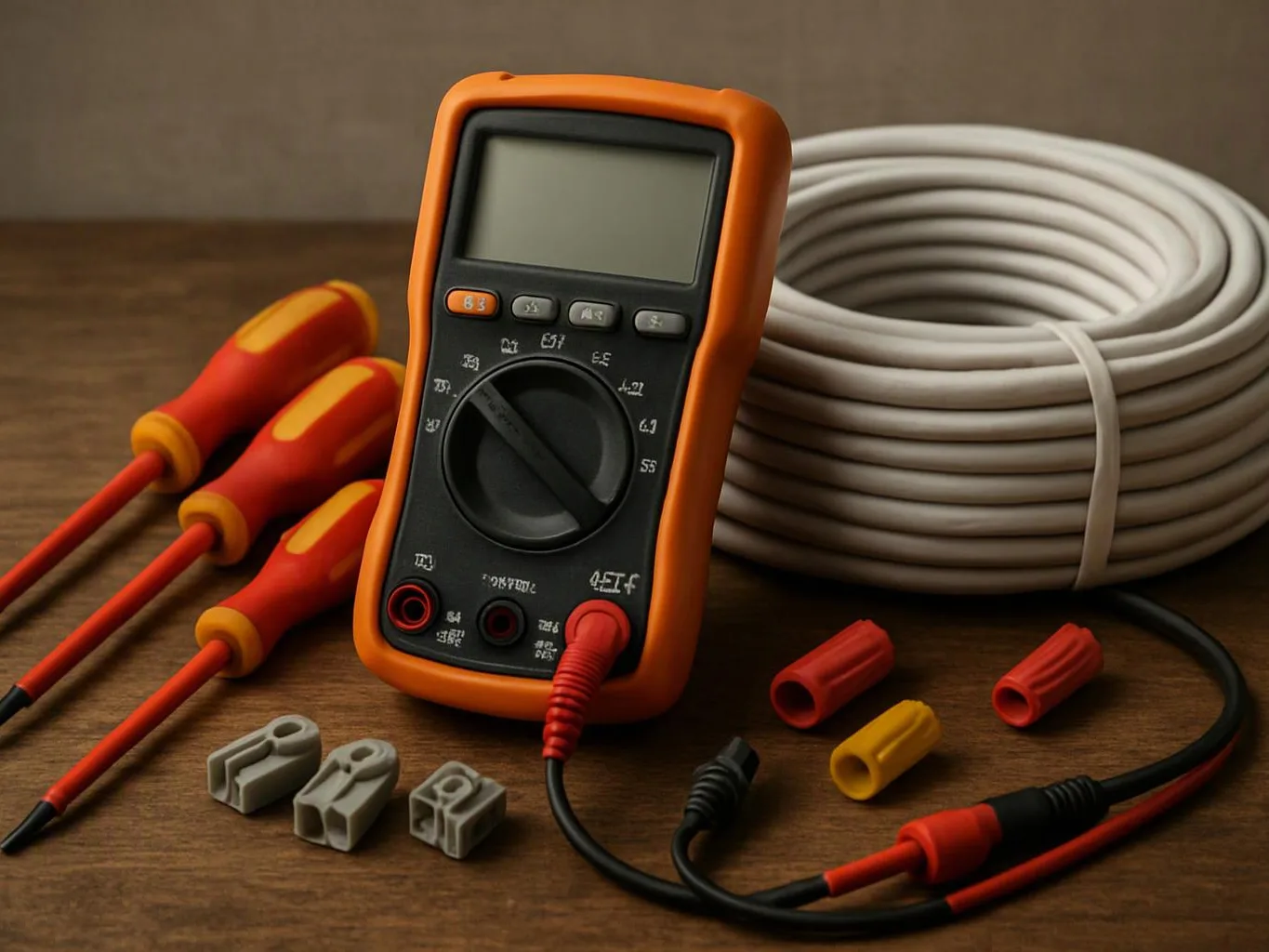
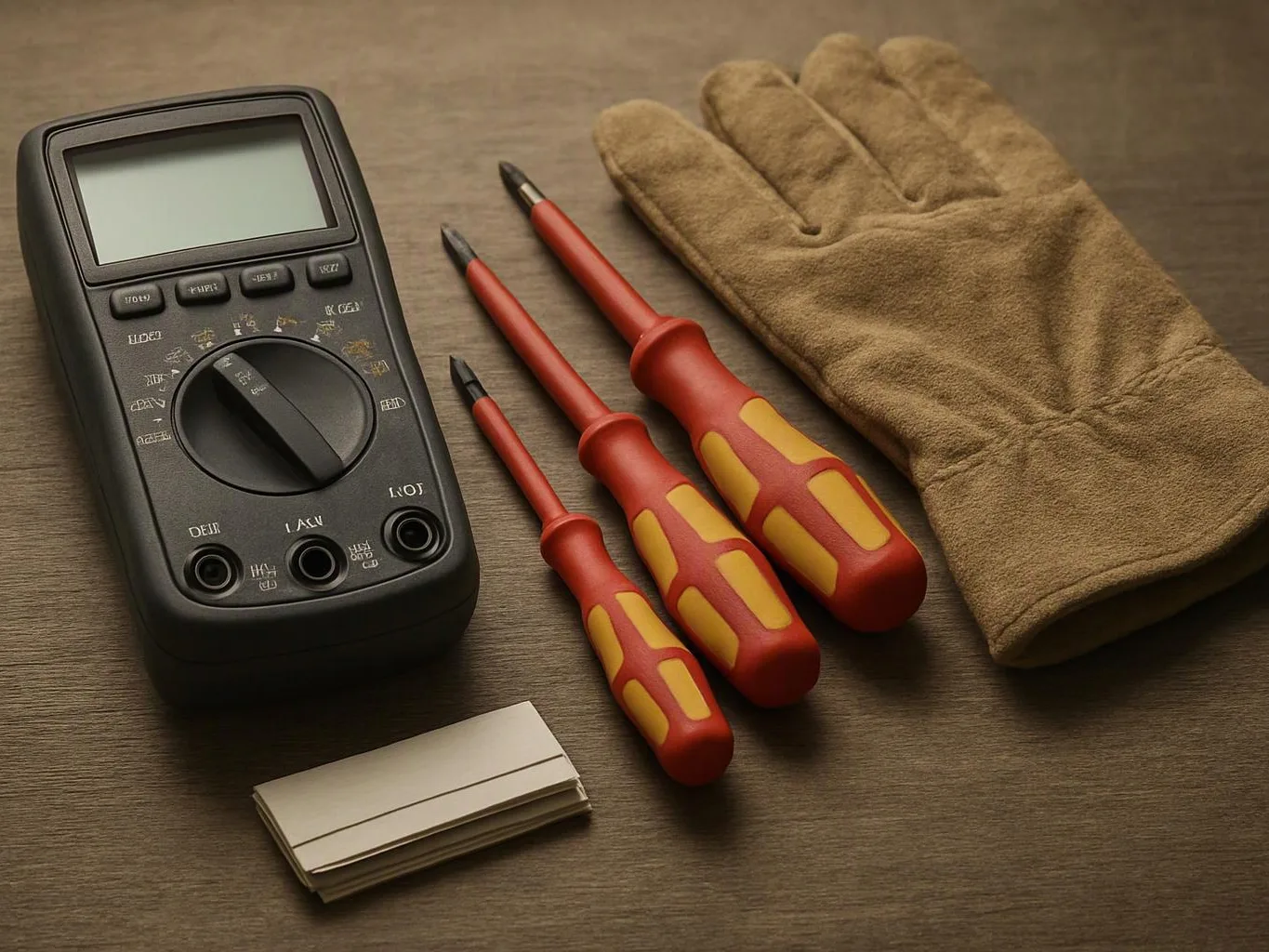
A multimeter, three screwdrivers, a work glove, and folded notes rest on a wooden surface

ZIP Codes We Serve in New Haven, Indiana

46774

Transfer Switch Installation in Other Areas

(260) 305-8344