How are electrical problems diagnosed?
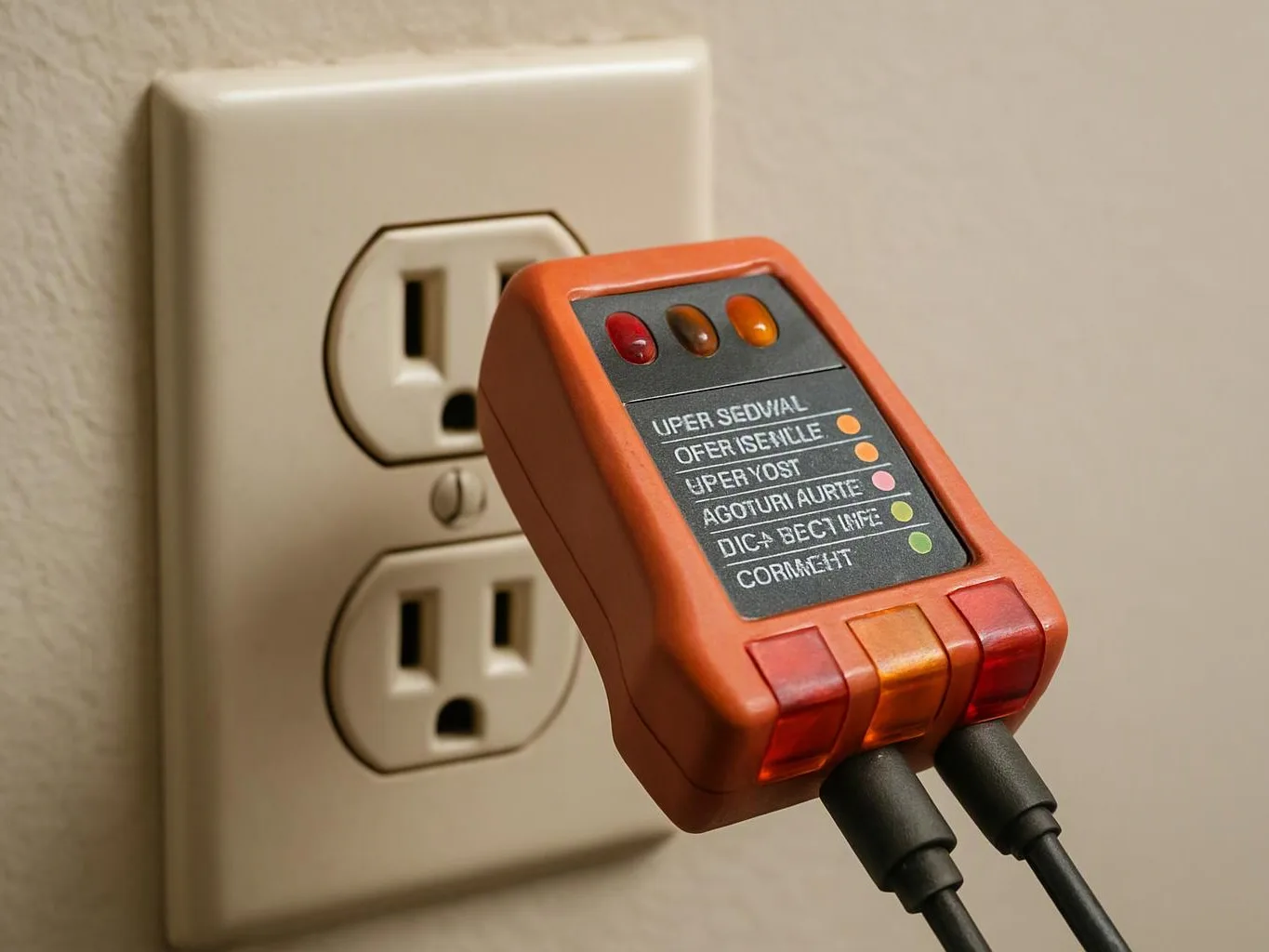
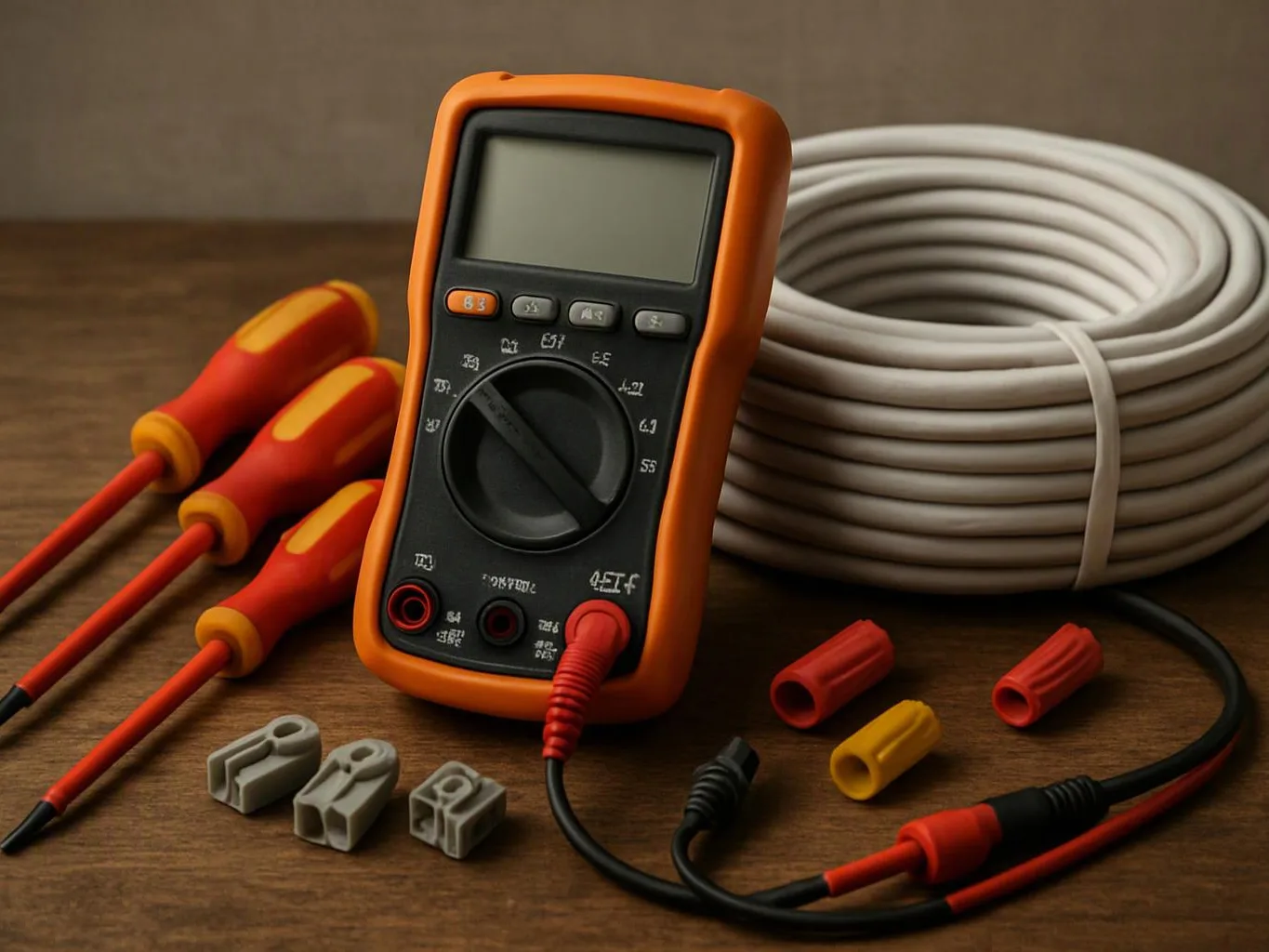
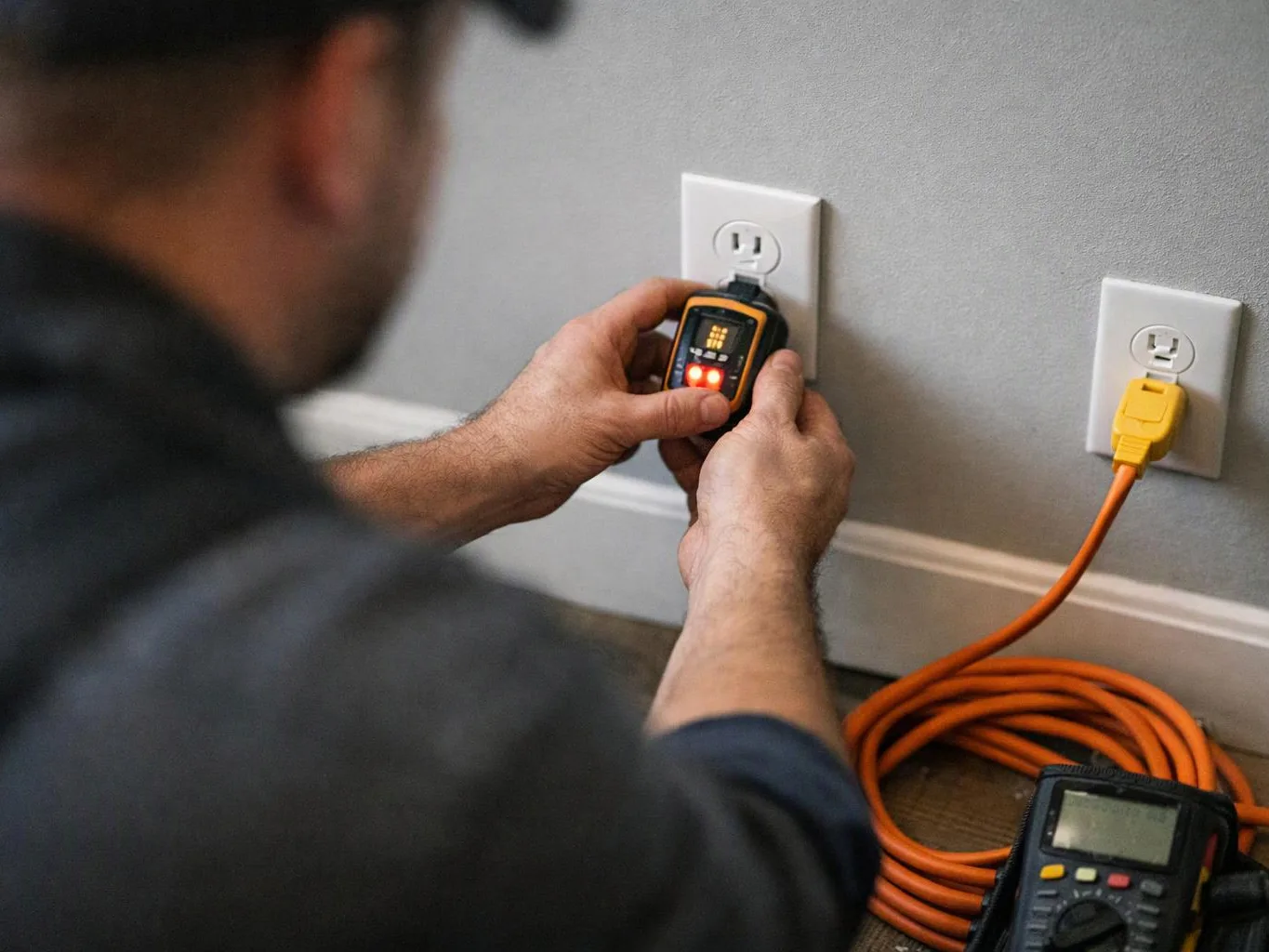
Circuit tracing, voltage testing, continuity testing, and fault isolation diagnose electrical problems. Chris Miller Electric starts with the reported symptom, checks the affected circuit, and identifies whether the fault is in wiring, a device, a breaker, or a panel connection.
What should be ready before troubleshooting starts?
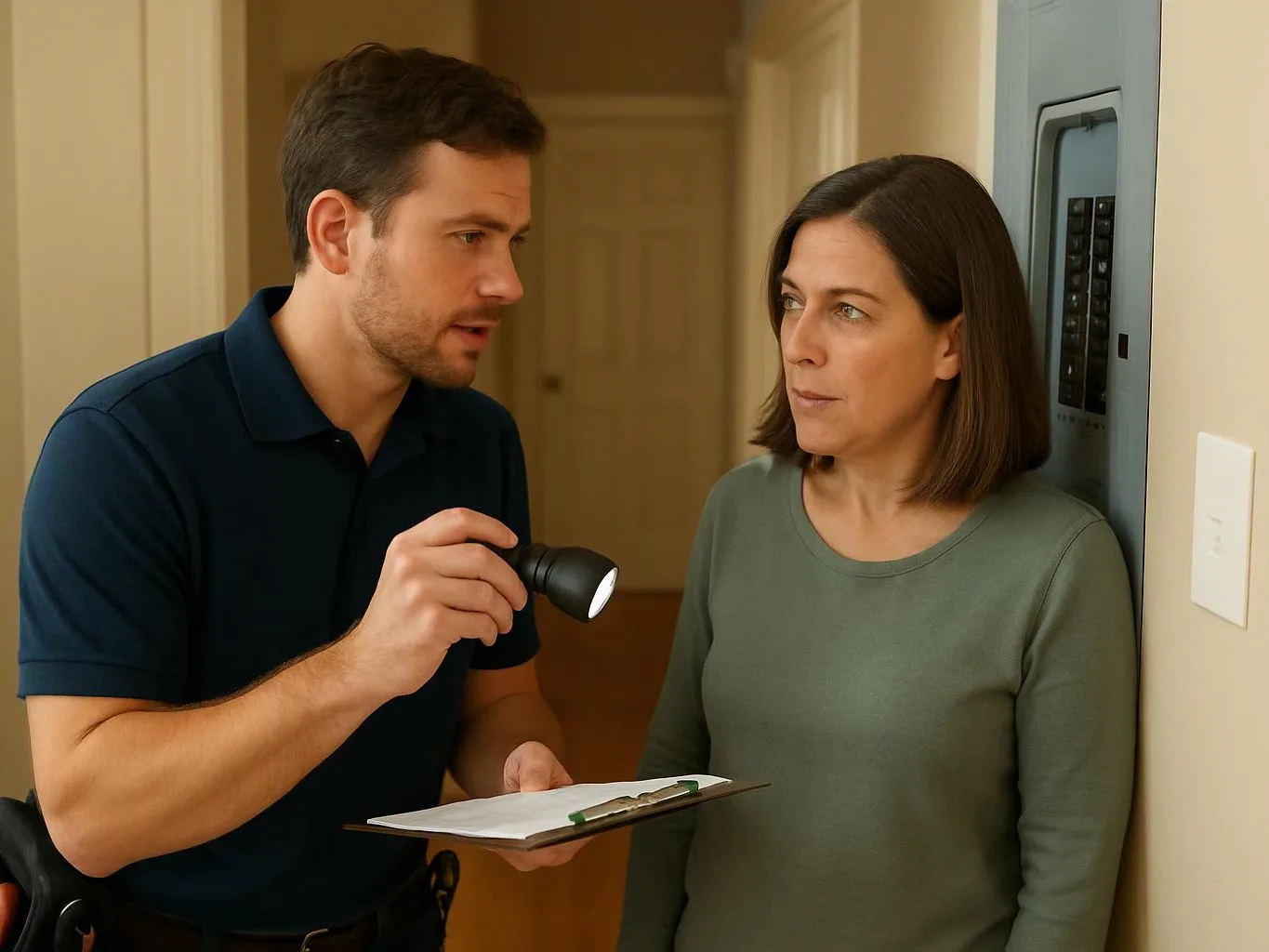
Property access and symptom details should be ready before troubleshooting starts. Note the affected rooms, outlets, lights, appliances, breaker behavior, and warning signs. Keep furniture clear of the panel and affected areas, and do not handle equipment that is hot, sparking, or scorched.
Which property condition changes the troubleshooting time?
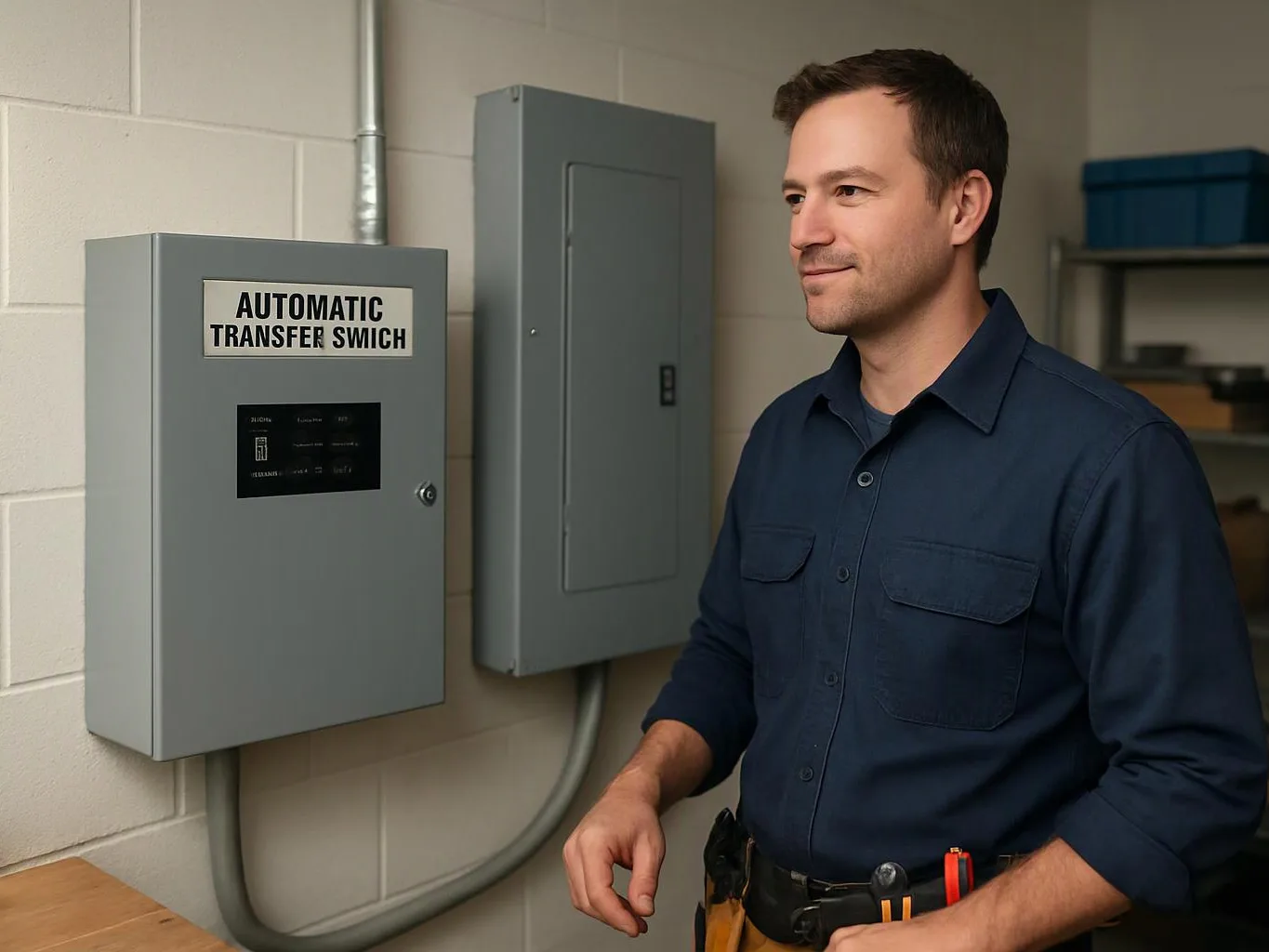
Limited access to panels, concealed wiring, and many connected loads can change the troubleshooting time. We first identify the affected circuit and then decide how much testing is needed. A clear panel area and accurate symptom history help us set the next step.
What should I ask before agreeing to electrical troubleshooting?
The customer should ask which circuit will be tested, what the diagnosis will cover, and what repair options may follow. We explain the fault location, the recommended work, and the reason for any replacement or rewiring. The estimate should match the diagnosed scope.
When should I stop using a circuit and request help?
Stop using a circuit when you notice a burning smell, sparking outlet, buzzing panel, or warm switch plate. Turn off the affected equipment if it is safe to do so, and keep clear of damaged parts. We inspect the circuit and explain the needed repair.
Who provides electrical troubleshooting for Woodburn properties?
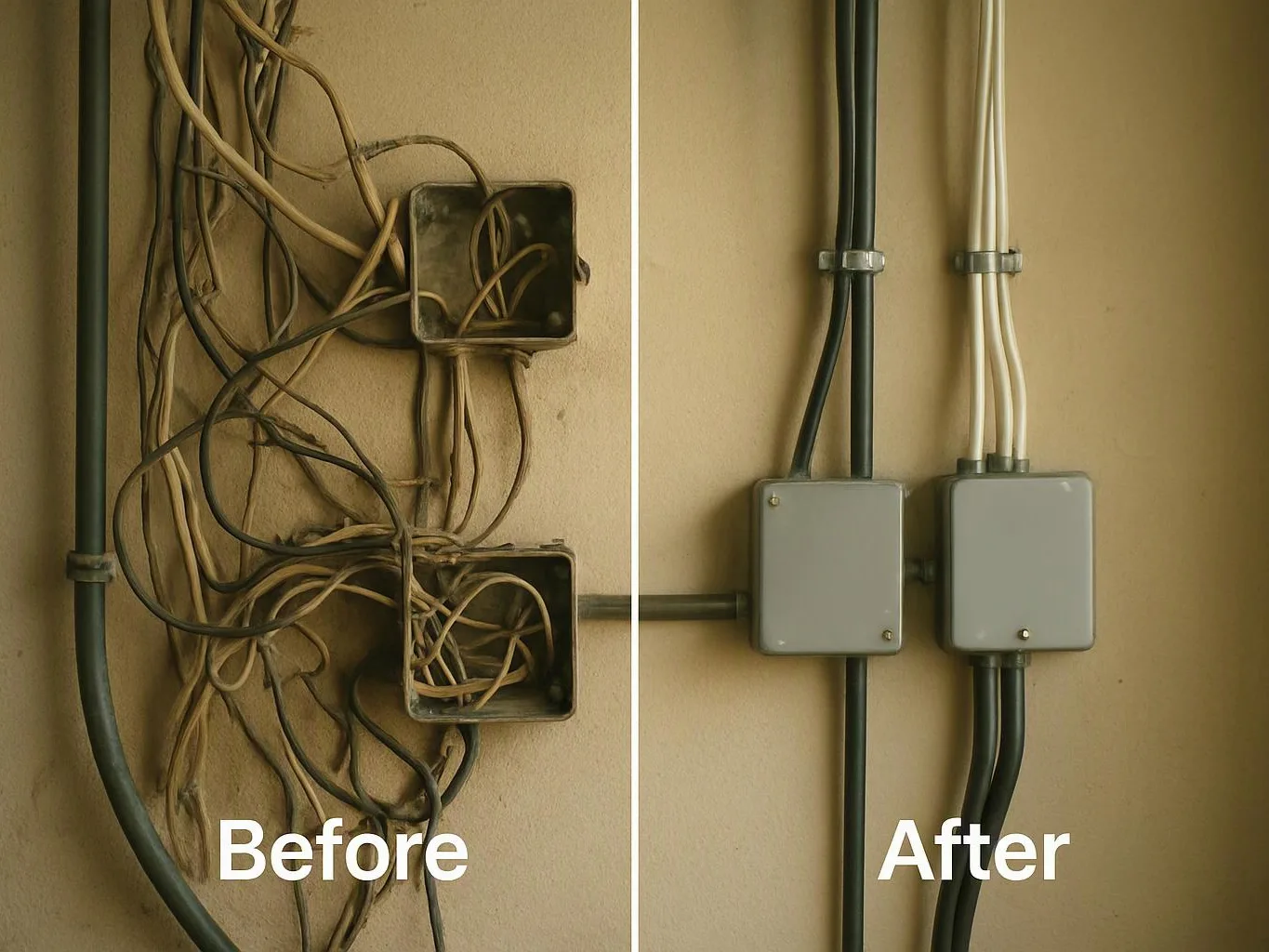
Chris Miller Electric provides electrical troubleshooting for residential and commercial properties in Woodburn. We handle faulty wiring, breaker concerns, panel problems, dead outlets, switches, and other urgent electrical concerns across the listed service communities.
Why does a breaker keep tripping after it is reset?
A breaker that keeps tripping signals a continuing electrical problem, such as an overloaded circuit, damaged wiring, or a faulty connected device. Repeated resets do not diagnose the cause. We inspect the circuit, test its voltage, and isolate the fault before repair.