Skip to content

Transfer Switch Installation in Huntertown, Indiana

Manual handle selection helps control how backup power changes over in Huntertown. We provide free estimates and 24-hour emergency electrical response for homes and businesses.

Licensed & InsuredWarranty AvailableSame-Day ServiceUpfront, Transparent Pricing

Tailored Solutions for Huntertown

Transfer Switch Installation in Huntertown is provided by Chris Miller Electric for residential and commercial properties. The work covers transfer switch selection, control wiring, load checks, and testing, with 24-hour emergency electrical response available across Fort Wayne and surrounding communities.

  • What we do: Chris Miller Electric provides Transfer Switch Installation for residential and commercial properties in Huntertown, Indiana.
  • What is included: Transfer switch selection, manual handle review, automatic control wiring, load checks, generator connection review, and testing support the installation.
  • What you get: The customer receives a transfer switch setup that matches the property’s backup power needs and operating preference.

Why does a manual handle matter during transfer switch installation?

A manual handle requires a person to move the switch between utility power and backup power. The choice matters when the owner wants direct control and a simple operating method.
Transfer Switch Installation for Huntertown Properties

Transfer switch installation connects backup power equipment to the circuits a property needs during an outage. The job may include a manual handle, automatic controls, control wiring, and checks of the electrical load.

The main buyer decision is how the switch should operate. A manual setup gives the owner direct control over the transfer. Automatic controls start the changeover process without the owner standing at the switch, so the right choice depends on the equipment, property needs, and preferred operation.

Customers should request this work when they are planning backup power, replacing an existing switch, or changing which circuits receive backup power. We inspect the existing setup and explain what the installation requires before work begins.

The service is not a repair for every generator or outage problem. We can install and assess the transfer equipment, but a failed generator, utility-side outage, or unrelated wiring fault may require a different electrical service.

  • Confirm which circuits need backup power.
  • Review whether manual operation or automatic controls fit the property.
  • Check the existing panel, generator connection, and control wiring.
  • Plan testing and verification after the switch is installed.
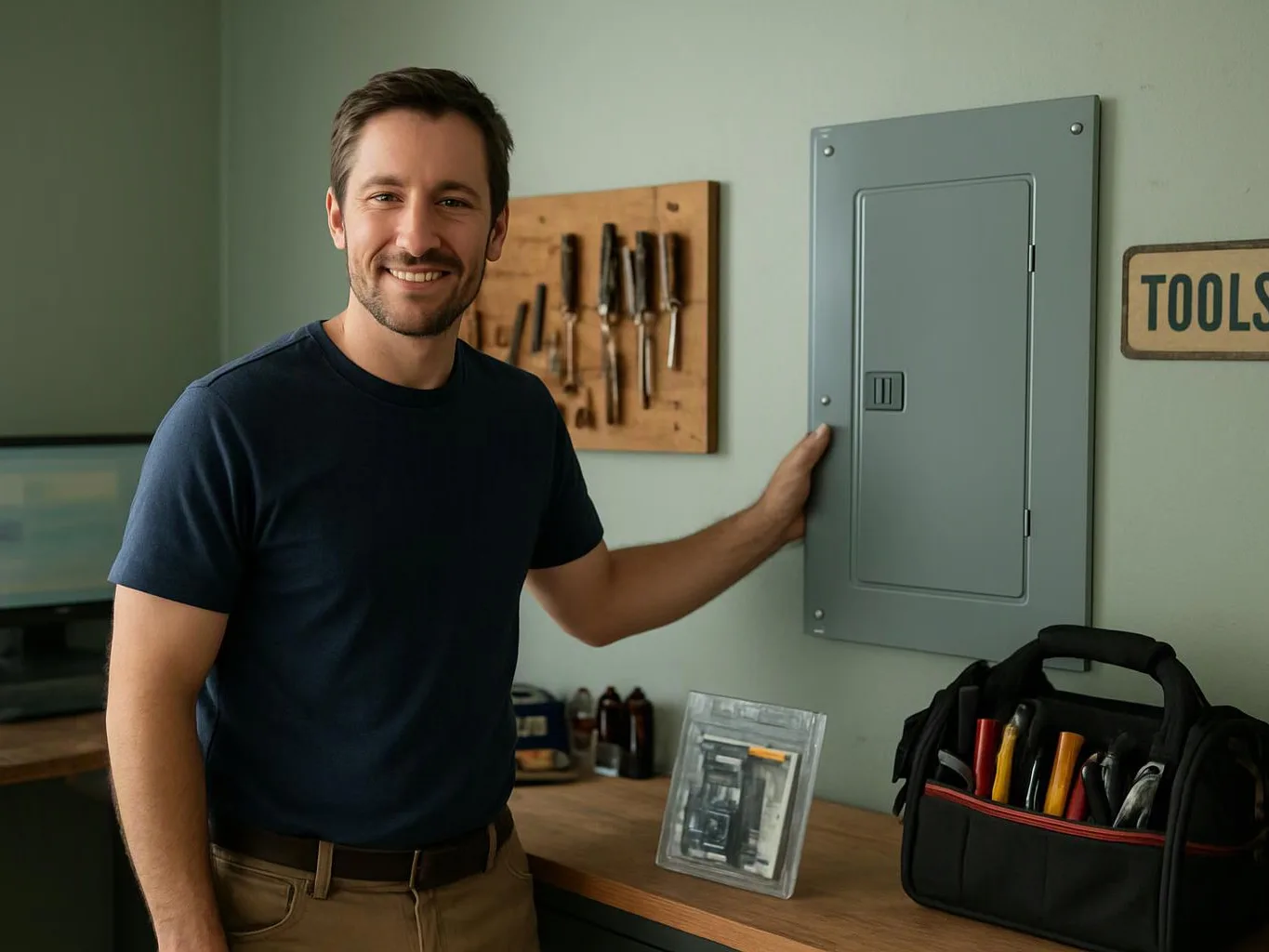
A smiling man stands in a workshop, touching a gray electrical panel beside hanging tools and a tool bag

Service Overview

Transfer switch installation is electrical work that connects backup power to selected building circuits and controls the power source change.

  • A transfer switch differs from a generator installation because it manages the connection between power sources, while generator work supplies the backup power itself.
  • Chris Miller Electric provides this service for homes and businesses in Huntertown and nearby Allen County communities.

What Transfer Switch Work Includes

Chris Miller Electric provides comprehensive Transfer Switch Installation in Huntertown. Here's what you get:

  • We review the existing electrical panel and the proposed backup power connection.
  • We discuss whether a manual handle or automatic controls suit the property.
  • We inspect the available space and trace the circuits selected for backup power.
  • We install compatible transfer equipment and connect the required control wiring.
  • We test the transfer operation and verify the connected circuits.
  • We explain the switch operation to the customer after the work is complete.

What the Right Transfer Setup Changes

A suitable switch gives selected circuits a controlled path to backup power.

Manual operation gives the owner direct control over the transfer decision.

Automatic controls support a hands-off changeover when the equipment and property support that setup.

Load review helps prevent a backup system from serving more demand than it can support.

Clear operating instructions help homeowners, managers, and staff use the switch safely.

What Customers Get From This Electrical Work

A clear control choice

Customers get a direct comparison between a manual handle and automatic controls. We match the explanation to the property and the owner’s preferred way to operate backup power.

A checked electrical connection

The work includes attention to the panel, selected circuits, generator connection, and control wiring. Customers receive a defined scope before installation proceeds.

Testing after the install

We test the transfer operation and review how the connected circuits respond. This helps identify wiring or control issues before the system is relied.

A clear service limit

Transfer switch work is the wrong job when the main problem is utility service, a failed generator, or unrelated wiring outside the transfer setup. We identify that distinction during the electrical review.

Process

How We Complete Transfer Switch Work

1

Review the backup power plan

We identify the backup source, selected circuits, property type, and preferred transfer method. Customers receive a clear explanation of the manual and automatic options.

2

Check the panel and load

We inspect the service panel, available connection points, circuit layout, and load needs. This step shows whether the proposed switch fits the existing electrical system.

3

Set the work scope and quote

We explain the equipment connection, control wiring, testing, and any related electrical work. Free estimates are available before the customer approves the scope.

4

Install the transfer equipment

We connect the transfer switch to the planned circuits and backup power equipment. We route and connect control wiring when the selected system requires it.

5

Test transfer operation

We test the switch, observe the transfer sequence, and verify the connected circuits. We also explain the operating steps to the customer.

Manual and Automatic Transfer Choices

This table compares the two control methods customers consider for backup power connections.

Transfer methodHow it operatesBest fit to discuss
Manual handleThe owner moves the switch by hand.Customers who want direct control over the transfer.
Automatic controlsControl wiring manages the transfer sequence.Customers who want the system to manage the changeover when supported.

The Chris Miller Electric Standard

  • Any-Hour Service
  • Urgent Requests
  • Troubleshooting Repairs
  • Electrician Support

Questions About Transfer Switch Work

What is the difference between automatic and manual transfer switches?

Manual handle operation requires a person to move the switch, while automatic controls manage the transfer sequence. Chris Miller Electric reviews the backup source, control wiring, selected circuits, and owner preference before recommending a fit. A manual setup suits direct control. Automatic operation suits customers who want the equipment to manage the changeover when the system supports it.

What does the crew look at first during transfer switch work?

The existing panel and backup power connection come first. We check the available space, selected circuits, control wiring, and load needs before defining the installation. Customers should identify which equipment matters during an outage, such as lights, refrigeration, security systems, or communication equipment. That list helps shape the transfer scope.

What should be checked before the work is scheduled?

The backup source, panel layout, selected circuits, and transfer method should be checked first. We also review access to the electrical equipment and the path for control wiring. Customers should gather the generator information and note which circuits must remain available. That information helps us prepare a more accurate quote.

Who is a good fit for transfer switch installation, and who needs different service?

Homeowners and businesses planning backup power or revising selected backup circuits are good fits. We assess the transfer equipment and connected wiring as part of the work. A customer with only a utility outage, a failed generator, or a separate wiring fault may need electrical troubleshooting or generator service before transfer work proceeds.

Which part of the job changes the quote most?

The electrical layout and selected backup circuits often shape the quote most. We also review the switch type, control wiring, panel connection, load needs, and related electrical changes. A property with an existing compatible connection may have a different scope from one needing circuit changes. We provide the exact quote after reviewing those conditions.

Why does load management matter for backup power?

Load management matters because a backup source may not support every building circuit at once. We identify priority circuits and review how the transfer equipment will serve them. Customers with large electrical loads should discuss which systems need backup power before choosing equipment. This review helps define a workable connection.

How does Chris Miller Electric test the completed transfer setup?

Chris Miller Electric tests the transfer switch, connected circuits, and control operation after installation. We check the transfer sequence and confirm that the selected circuits respond as planned. The customer also receives operating guidance for the chosen switch. Testing does not repair a separate generator or utility problem.
Contact

Request a Transfer Switch Installation Quote in Huntertown

Get a clear quote for your transfer switch work, and urgent requests get priority scheduling.

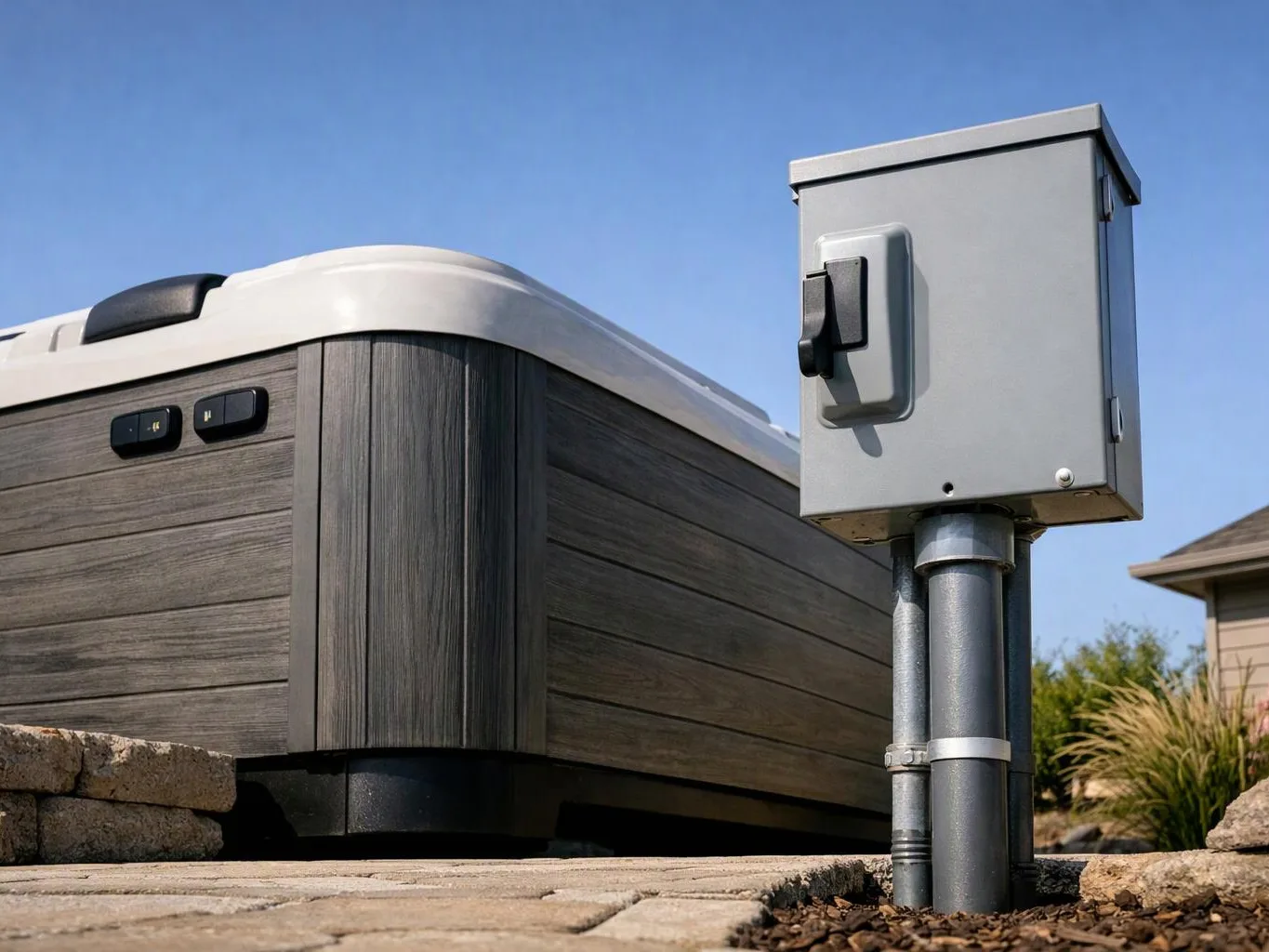
A hot tub sits beside a gray outdoor electrical control box under a clear blue sky

ZIP Codes We Serve in Huntertown, Indiana

46748

Transfer Switch Installation in Other Areas

(260) 305-8344