What to Expect from Electrical Troubleshooting in Fort Wayne, IN
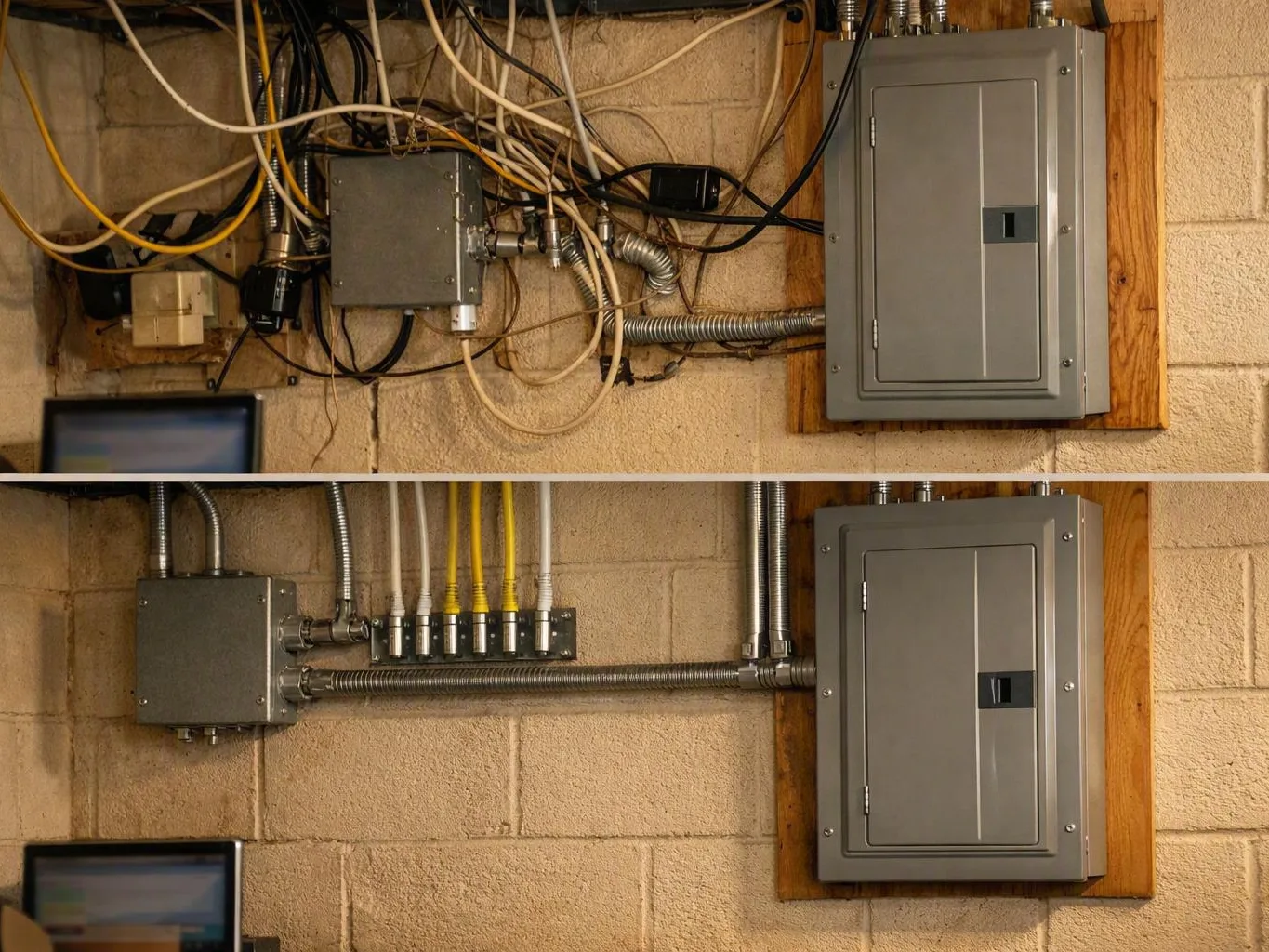
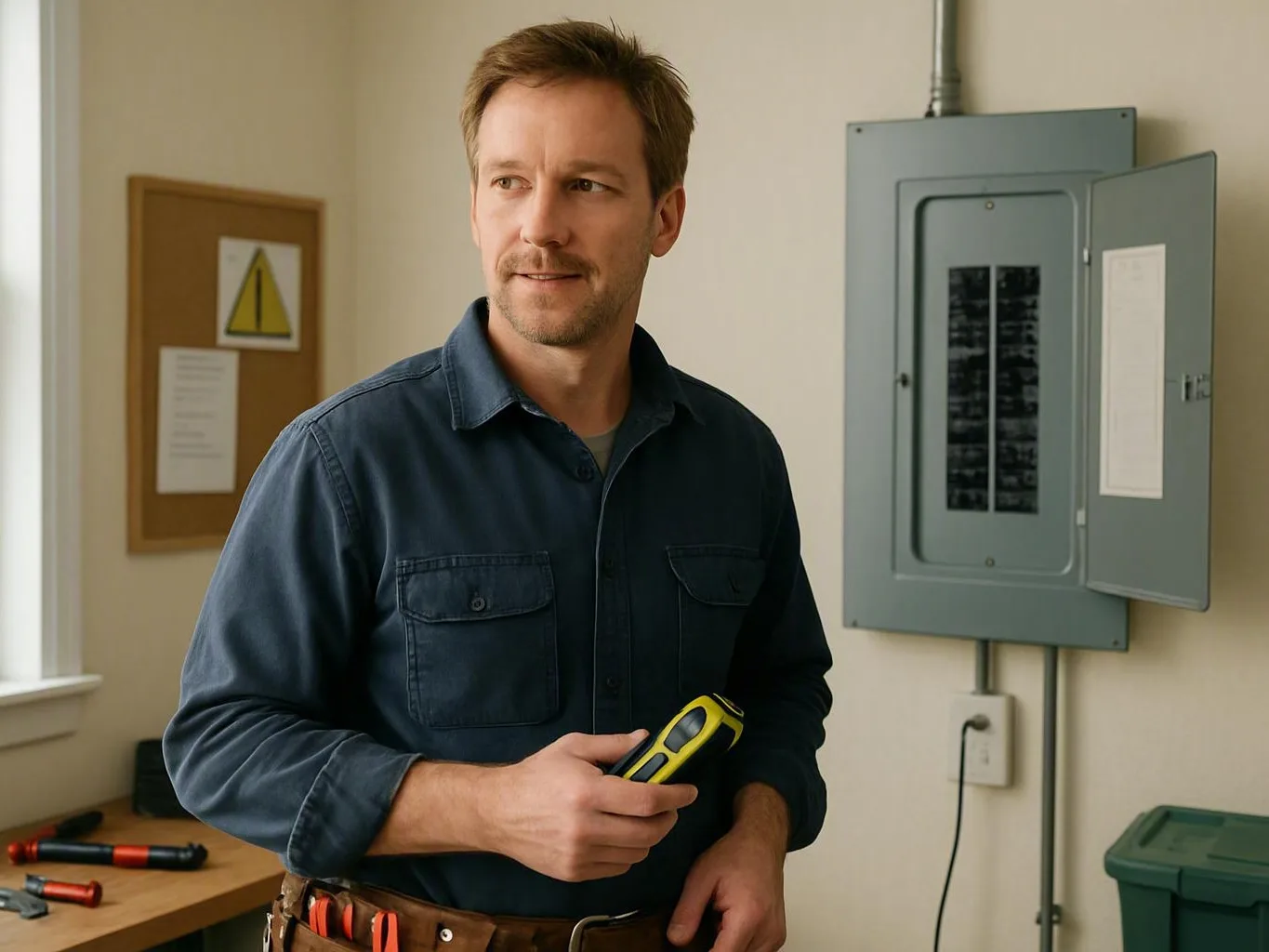
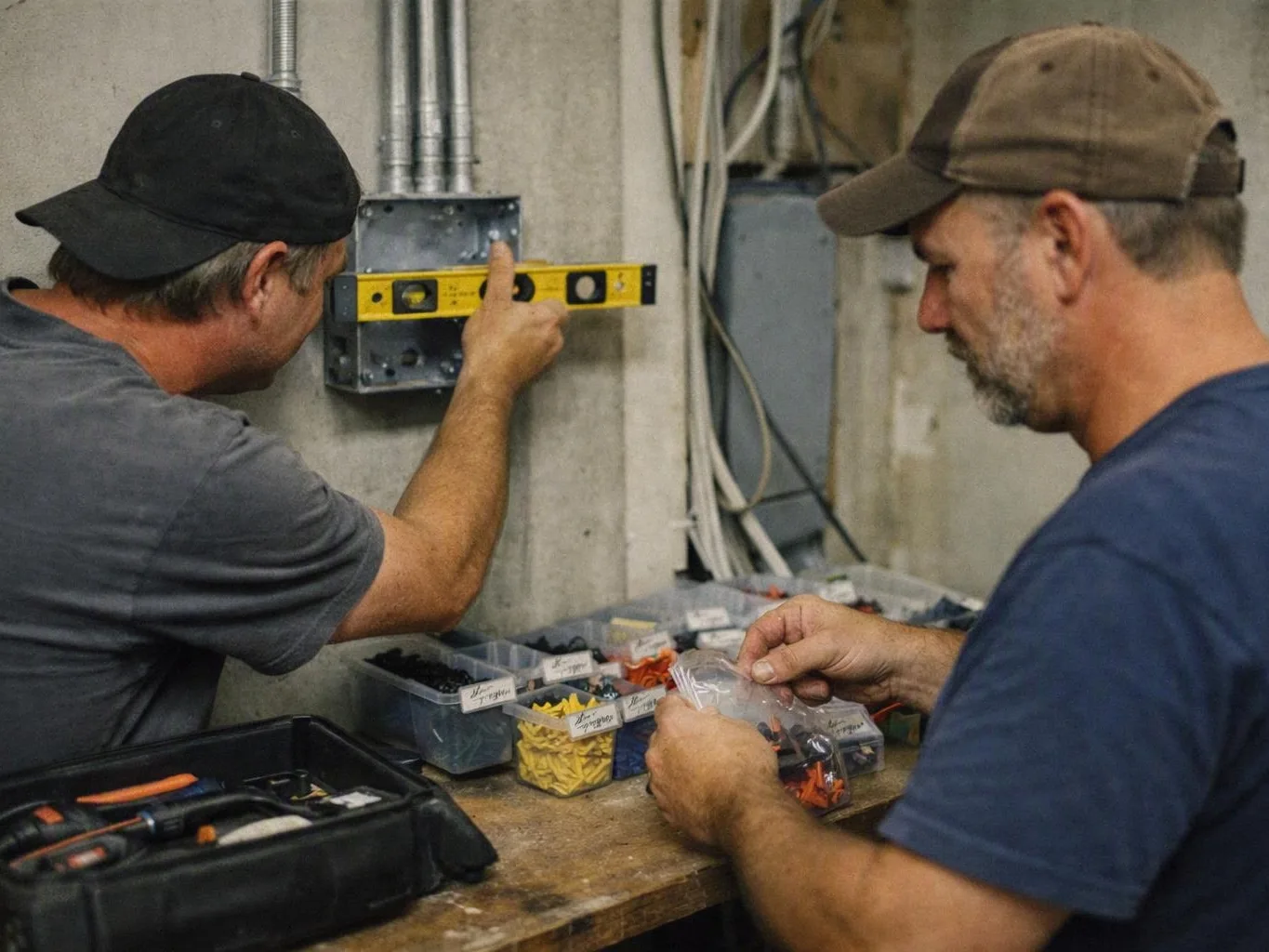
An electrical troubleshooting electrician in Fort Wayne, in finds the source of an electrical problem. The electrician explains the risk and suggests a safe repair. Chris Miller Electric usually starts with questions and a visual check. The team then tests circuits, outlets, switches, wiring, and the electrical panel. Common problems include tripped breakers, overloaded circuits, loose wires, and damaged outlets. Code-related issues can also appear. The visit may include electrical troubleshooting, circuit breaker replacement, outlet repair, or electrical code corrections. Small problems may end during one visit. Hidden wiring faults or larger panel issues may need more time. They may also need parts or added repair planning.
Get a Free Estimate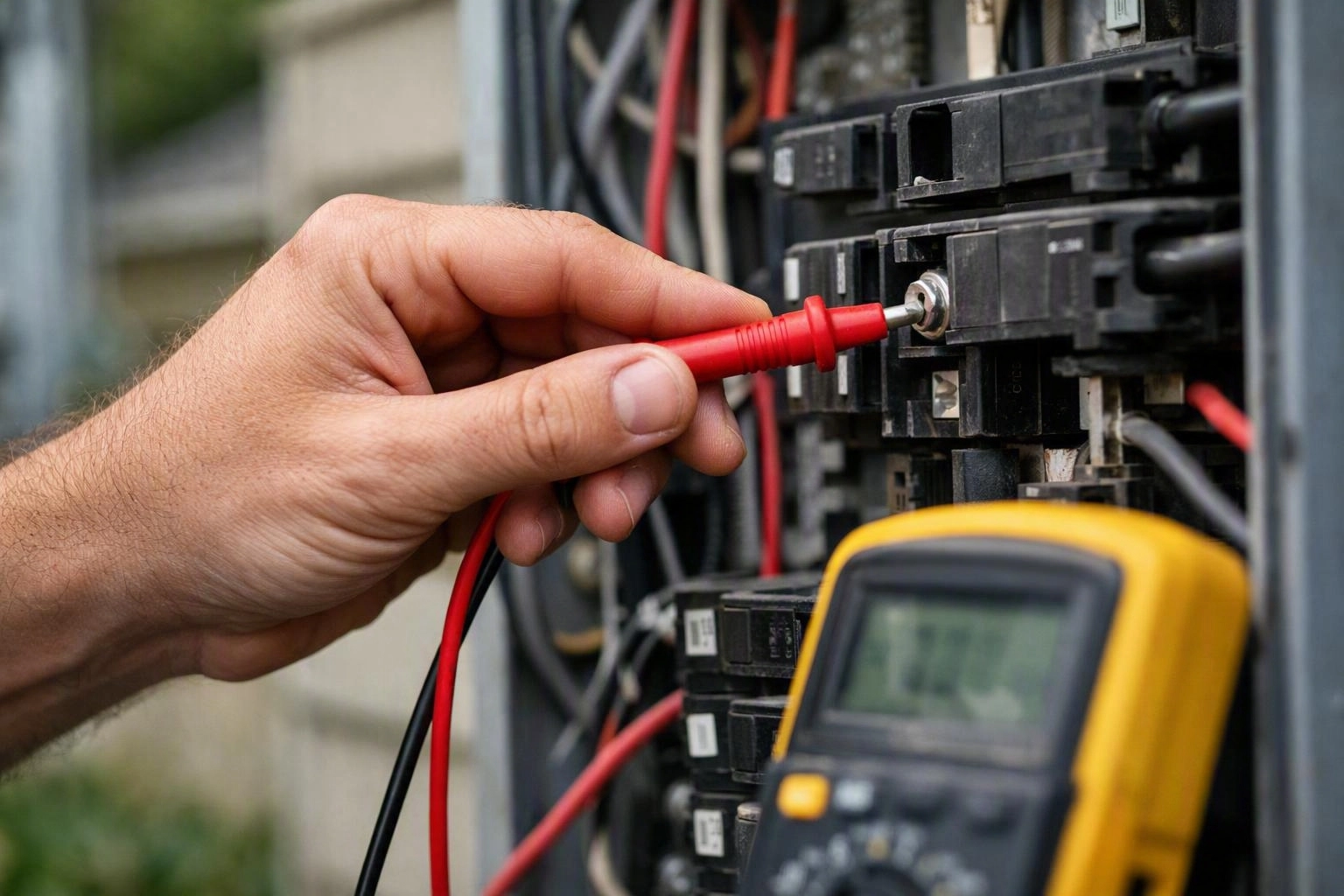
How Does an Electrician Troubleshoot an Electrical Problem?
Electrical troubleshooting starts with symptoms, an inspection, and safe tests. The electrician measures voltage and continuity (a test for a complete path). The team traces the affected circuit to its source. Then, the electrician explains the problem, safety risk, and repair choices.
In Fort Wayne, in homes, the check may cover the electrical panel, breakers, and junction boxes. It may also cover switches, receptacles, fixtures, and visible wiring. Older homes can have outdated wiring or small circuits. They may also have loose connections or panel problems that need a closer look. These are possible conditions, not facts about every home.
Our team uses electrical diagnosis to find the real source. The issue may be one failed device or a larger circuit problem. A voltage test shows if power reaches an outlet.continuity test can find an open wire. The circuit must be off and safe for this test. These checks support electrical fault finding instead of guesswork.
Testing may show a need for circuit breaker troubleshooting or outlet troubleshooting. It may also show a wiring fault diagnosis. A repair could include outlet repair, Circuit Breaker Replacement, or wiring repair. It could also include electrical code corrections. These corrections may involve grounding, GFCI protection, wires, or panel safety. Current Fort Wayne, in rules should be checked first. This helps avoid wrong permit or code claims.
Cold winters can raise home power use. Heating equipment and portable appliances can add more load. This makes overloaded circuits and breaker trips worth checking. The goal isn't only to restore power. The goal is to find the fault and leave the home safer.
What Happens During the Five-Step Troubleshooting Process?
The five-step process starts with your report and ends with repair advice. Each step helps lower risk. It also keeps a quick reset from hiding a larger problem.
Some problems are easy to find. Others need access to hidden wires or several connected devices. We explain what the tests show. We also explain what extra work may be needed.
Why Do Circuit Breakers Keep Tripping?
A circuit breaker keeps tripping when a circuit has an overload, short circuit, ground fault, or arc fault. Damaged wiring or bad equipment can also cause trips. Repeated trips are a warning. An electrician should test the circuit and connected load. The electrician should also check the breaker. The hazard must be fixed before repeated resets.
An overloaded circuit may run too many high-power devices at once. This can happen during cold Fort Wayne, in winters. Heating equipment and portable appliances can add demand. A short circuit creates an unusually strong path for power. A ground fault sends power along the wrong path. An arc fault can come from damaged insulation or a loose connection.
Our team checks the breaker, connected loads, and wiring. We also check outlets and panel connections. A breaker that won't reset may be bad. Replacing it without testing can leave the real problem in place. The repair may involve load changes, wiring repair, or a new safety device. It may also involve a code correction.
Don't keep resetting a breaker that trips right away. Stop if it smells hot, makes noise, or looks damaged. Turn off the affected equipment. Get professional help when the cause isn't clear.
Why Is an Outlet Not Working?
An electrical outlet may stop working because of a tripped breaker or GFCI receptacle. A loose wire, damaged contact, or open neutral can also cause trouble. A problem elsewhere on the same circuit may affect it too. We check nearby outlets and switches. We test power at the receptacle. Then, we decide if it needs a reset, repair, replacement, or larger circuit repair.
A GFCI receptacle can protect several outlets farther along the circuit. If it trips, a dead outlet may need a GFCI reset. The cause should still be considered first. A tripped breaker can affect more than one room or device. The dead outlet's location may not show where the fault is.
We check for loose connections, heat damage, and worn contacts. We also check for reversed wiring and grounding problems. Outlet repair may work when the device and wiring are sound. Replacement may be safer when the outlet is cracked, dark, loose, or unable to hold a plug.
Don't remove the cover or test the outlet if it sparks. Don't touch it if it feels hot, smells burned, or has water exposure. These signs may point to a larger wiring issue. They need an electrical problem inspection.
How Much Does Electrical Troubleshooting Cost?
Electrical troubleshooting cost depends on testing time, access, and circuit size. It also depends on parts and whether the visit includes repairs. A simple outlet or breaker issue often needs less work. Hidden wiring or panel faults can take more time. We explain the problem, repair scope, and charges before extra work starts.
A diagnostic service may include travel and labor. It may also include safe circuit shutoff, voltage tests, continuity tests, and tracing. Parts can add to the total if a device has failed. These parts may include an outlet, breaker, switch, or connector. Repairs take longer when walls must open or several circuits are involved.
Fort Wayne, in pricing can change for many reasons. These include labor, access, parts, hidden wires, and home age. Older systems may need more tests before a safe repair plan is clear. Electrical code corrections can also expand the work. This may happen with unsafe grounding, GFCI protection, wiring, or panels.
Ask what the first diagnosis includes. Ask which work is required and which work is optional. Also ask if parts or return visits cost extra. A clear answer helps you compare the full repair scope.
How Long Does Electrical Troubleshooting Take?
Electrical troubleshooting duration depends on the problem and circuit access. It also depends on the number of symptoms and tests needed. Parts can affect the time as well. A small issue may end during one visit. A larger fault may need more testing or follow-up work. We explain the expected timeline after the inspection.
Most small jobs take about 30 minutes to 2 hours. This range applies when the affected circuit is easy to reach. It isn't a promise. Hidden wiring faults, repeated breaker trips, and panel concerns can take longer. The team may need to test related sections and plan a safe repair.
| Project size | Typical duration | What may affect timing |
|---|---|---|
| Small | About 30 minutes to 2 hours | One outlet, switch, breaker, or visible connection |
| Average | About 2 to 4 hours | Several symptoms, circuit tracing, or minor repair parts |
| Large | A half day or more, sometimes with follow-up | Concealed wiring, panel faults, access work, or parts availability |
The table shows common planning ranges only. Your schedule depends on the inspection results. It also depends on material availability. A repair with electrical code corrections may need more planning. Current local rules should be checked.
What Should You Do Before and After the Electrician Arrives?
Before the electrician arrives, note the affected outlets and fixtures. Also note appliances and breakers. Stop using equipment that smells hot or sparks. Don't remove covers or keep resetting a tripped breaker. After the diagnosis, review the repair advice. Make sure you understand any electrical code corrections. Keep records of finished work.
Good notes can shorten the visit. They can also show if the issue happens often or only sometimes. Share recent appliance changes, storms, or water exposure. Mention strange sounds, burning smells, flickering, and the first breaker trip.
Don't assume restored power means the problem is fixed. Records can help with future service and home care. They can also help explain past wiring or panel work.
Questions About Electrician
How Does an Electrician Troubleshoot an Electrical Problem?
An electrician asks about the symptoms and performs a visual inspection. The electrician tests voltage and continuity. The electrician traces the affected circuit and explains the diagnosis. The repair may include outlet repair, breaker replacement, wiring repair, or electrical code corrections.
How Much Does Electrical Troubleshooting Cost?
The cost depends on testing time, labor, access, and repair difficulty. It also depends on parts and circuit complexity. Simple device problems often need less work than hidden wires or panel faults. The repair scope and charges should be explained before extra work starts.
How Long Does Electrical Troubleshooting Take?
A small issue commonly takes about 30 minutes to 2 hours. This assumes easy access to the circuit. Larger faults can take half a day or need follow-up work. The time depends on access, tests, parts, and the number of symptoms.
Why Do Circuit Breakers Keep Tripping?
Repeated trips can come from an overloaded circuit, short circuit, ground fault, or arc fault. Damaged wiring, failing equipment, or a bad breaker can also cause trips. Repeated resets can be unsafe. The cause should be tested and fixed.
Why Is an Outlet Not Working?
An outlet may have a tripped breaker, GFCI receptacle, or loose connection. Damaged contacts, an open neutral, or another circuit fault can also cause trouble. Testing can show if it needs a reset, repair, replacement, or larger circuit repair.
Our team can review the symptoms and locate the fault. We can explain a safe repair path for your home. For service planning, contact us through our contact page.
Related Resources
How Much Does an Electrician Cost in Fort Wayne?
electrician cost Fort Wayne IN
What It CostsWhole-Home Rewiring: Cost, Timeline, and What to Expect
whole house rewiring cost Fort Wayne IN
What It SolvesWhy Your Circuit Breaker Keeps Tripping and When to Call an Electrician
breaker keeps tripping
What It SolvesFlickering Lights: Common Causes and When to Call an Electrician
flickering lights when to worry