Why Does Your Circuit Breaker Keep Tripping?
A circuit breaker trips when a circuit pulls too much power or has a fault. Common causes include overloads, short circuits, ground faults, bad cords, failing appliances, and loose wires. Unplug devices and reset the breaker once. Then reconnect each appliance one at a time. Don't reset the breaker again and again. Don't remove the panel cover. Don't check burning smells, buzzing, heat, sparks, or water damage yourself. An electrician should check repeated trips, outlet trips, or breakers that won't reset. The repair may need breaker replacement or a dedicated circuit.
Get a Free EstimateWhat It Means When a Circuit Breaker Keeps Tripping?
A circuit breaker trips when it detects too much current or a fault. A fault may be a short circuit or ground fault. The breaker cuts power to help prevent heat and fire. One trip may come from a short overload. Repeated trips need testing.
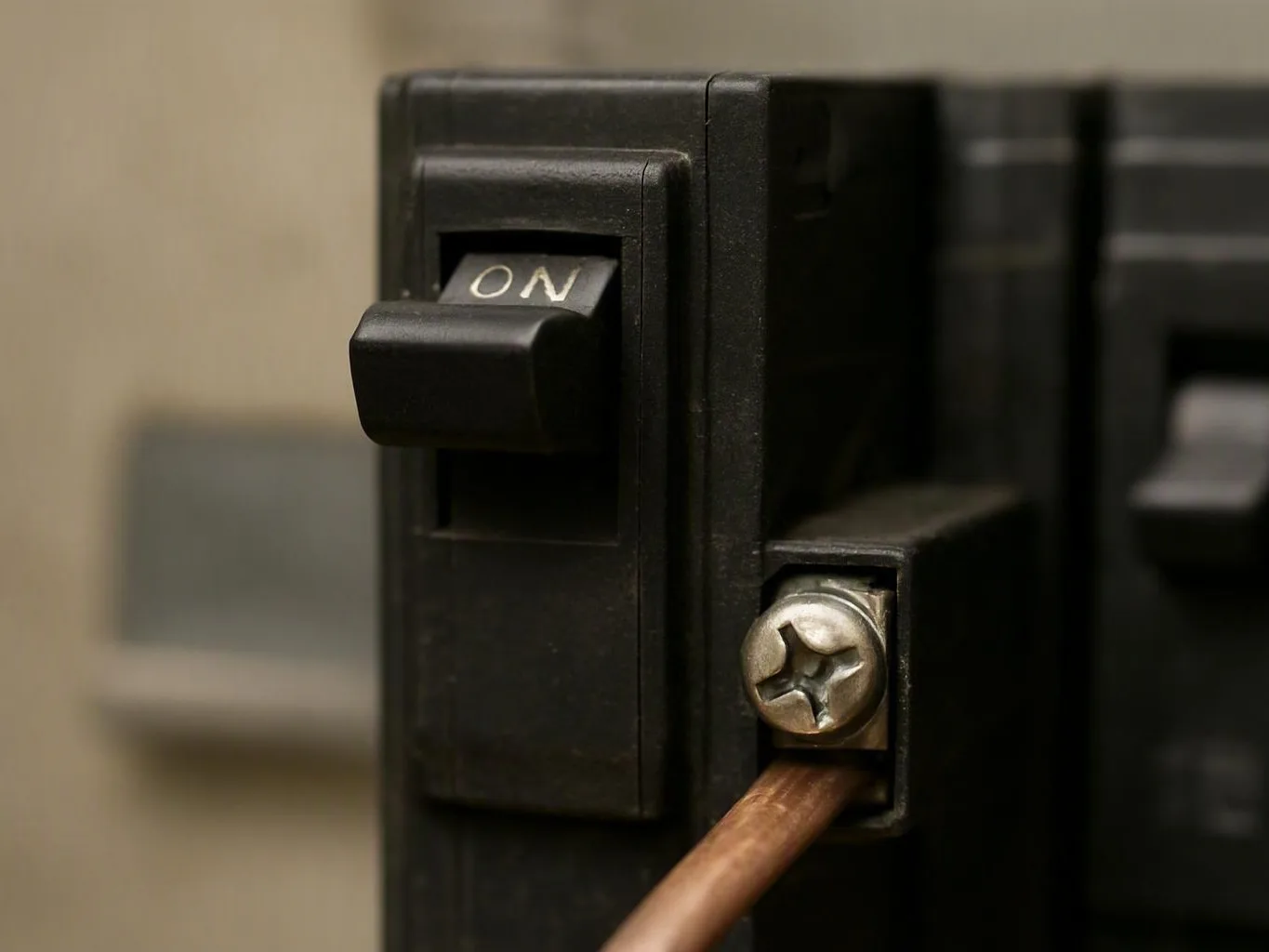
A breaker is a safety device inside the breaker panel. It watches a circuit that powers lights, outlets, and appliances. If the load gets too high, the breaker moves to the trip position. It then stops the current. This safety action doesn't mean you should force the handle back on.
A kitchen circuit may trip when a toaster, microwave, coffee maker, and air fryer run together. A laundry circuit may trip when a washer and electric dryer need too much power. Bathrooms, garages, and outdoor areas face more moisture. A ground-fault trip may happen even with a small load.
One trip after heavy appliance use may be a short overload. Repeated trips during normal use can point to a deeper problem. Possible causes include loose wires, bad insulation, arc faults, or a worn breaker. The breaker needs a full check.
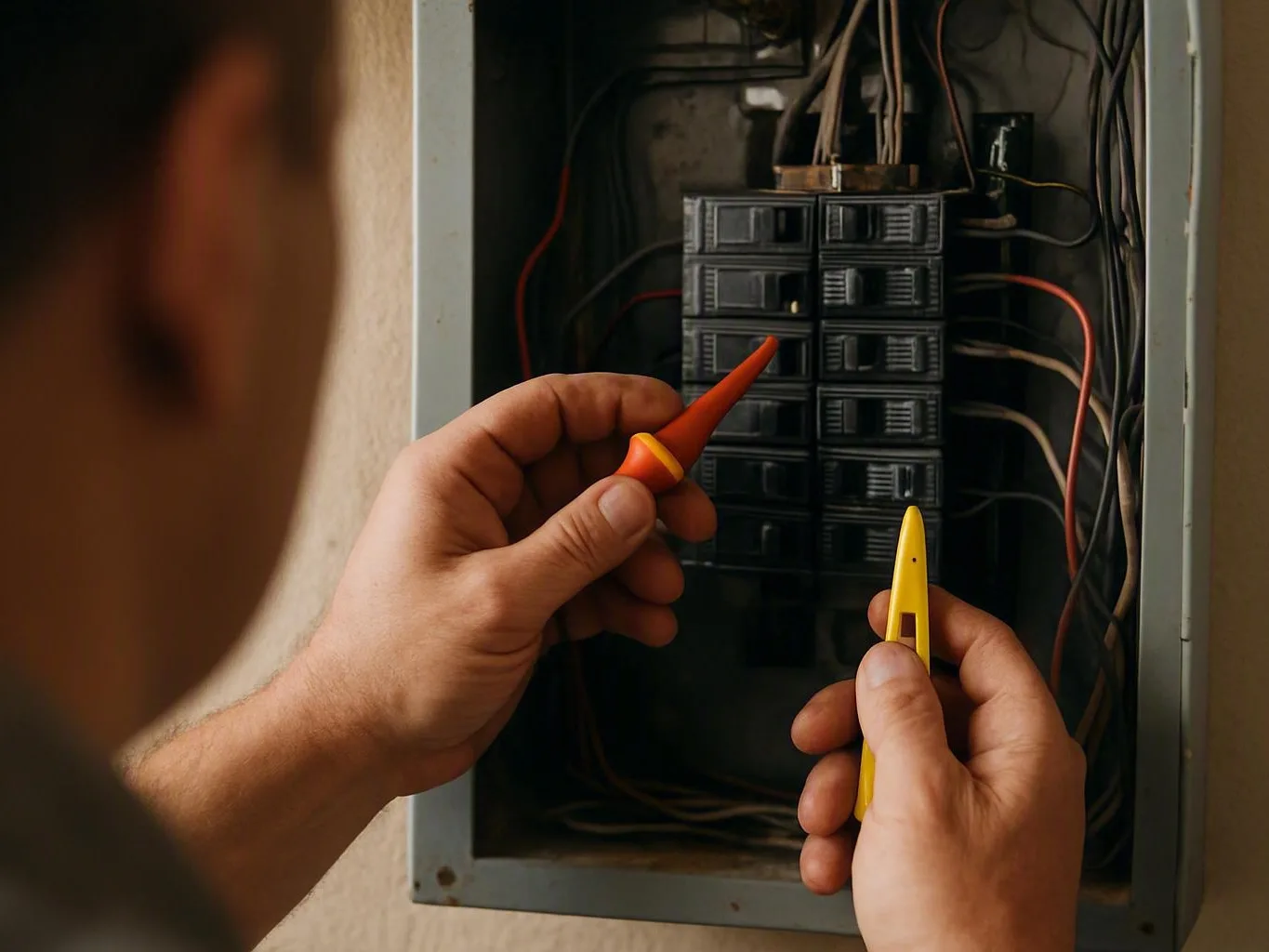
Basic checks often take 5 to 10 minutes. Professional testing may take longer. The time depends on the outlets, appliances, and circuits involved. Don't remove the panel cover or touch wires inside it. These tasks need training and test tools.
Why Does My Circuit Breaker Keep Tripping?
An overloaded circuit, short circuit, ground fault, bad appliance, damaged cord, or loose connection can trip a breaker. The timing gives useful clues. Trips during heavy appliance use often suggest an overload. An instant trip after plugging in one device may show a fault.
Trip timing can help find the cause. A trip during heavy kitchen use often suggests an overloaded branch circuit. A trip when one appliance starts may suggest a bad appliance, short, or outlet problem. Trips after rain or cleaning may point to moisture and a ground fault.
Home offices can add computers, monitors, printers, chargers, and heaters to one circuit. Each device may seem small. Together, they can create a large load. Never install a larger breaker to stop trips. The breaker must match the wiring and circuit design.
Signs the Problem Needs More Than a Reset
Stop using the circuit when a trip comes with heat, odor, noise, damage, or shock. Arrange professional help. These signs may show a serious fault.
- Burning smell: Hot plastic or scorched insulation can mean overheating. The problem may be in a connection, outlet, cord, or wire.
- Warm outlet: An outlet, switch plate, plug, or breaker shouldn't feel hot during normal use.
- Buzzing sound: Humming, crackling, or buzzing may show arcing or a loose connection.
- Flickering or dimming lights may point to a circuit or connection problem.
- Sparks, scorch marks, melted plastic, smoke, or dark spots need quick action. Turn off power only if you can do so safely. Stay away from damaged equipment.
- An electric shock or tingling from an appliance, faucet, outlet, or switch is serious. Stop using the equipment. Seek qualified help.
Water changes the safety steps. Don't touch a wet outlet, plug, appliance, or panel. Don't stand in water while resetting a breaker. Leave the area if you see smoke or fire. Then call emergency services. Professional testing is safer than guessing.
What to Do When Your Circuit Breaker Keeps Tripping?
Turn off or unplug devices on the circuit. Move away from water. Reset the breaker once if no warning signs appear. Reconnect appliances one at a time. Stop if the breaker trips again, won't reset, or shows heat or damage. Then call.electrician.
Safe checks include unplugging devices and looking for visible damage. You may also use the breaker handle as described above. Parts inside the panel may stay live.
Electrical Troubleshooting in Fort Wayne may include circuit tracing and outlet tests. We also check loads, heat, and fault patterns. The results may point to a repair, Circuit Breaker Replacement, appliance repair, or dedicated circuit.
How to Troubleshoot an Outlet Causing Repeated Trips?
An outlet may trip a breaker because of a bad appliance, damaged plug, moisture, failed GFCI receptacle, or wiring fault. Unplug everything. Check only for visible damage. Don't use the outlet if it's warm, loose, wet, discolored, or sparking. An electrician should test the outlet and circuit.
First, identify the outlet type. It may be a standard outlet or a GFCI outlet. GFCI outlets have test and reset buttons. One GFCI outlet may protect other outlets nearby. A bathroom, kitchen, garage, basement, or outdoor GFCI may control power elsewhere.
| What you notice | Possible concern | Safe next step |
|---|---|---|
| The trip follows one plug-in device | Faulty appliance, plug, or cord | Unplug it and stop using it; do not keep retesting |
| The GFCI will not reset | Moisture, failed receptacle, or downstream fault | Keep the area dry and arrange professional testing |
| The receptacle is warm or discolored | Overheating or loose outlet wiring | Do not use it; keep clear and request repair |
| The trip follows rain or cleaning | Moisture-related ground fault | Do not touch wet equipment or connections |
| The breaker trips with nothing plugged in | Outlet wiring or circuit fault | Leave the breaker off and call a qualified professional |
Check the outlet only from the outside. Look for cracks, looseness, scorch marks, water, bent plugs, or damaged cords. Don't remove the outlet from the wall. Don't insert tools or tighten wires. Don't use a tester on an unknown fault.
Bathrooms and garages often need GFCI protection. People may contact wet or grounded surfaces there. Kitchens may have many countertop appliances. Laundry areas combine motors, heaters, and water. These outlet trips need careful checking.
Our crews can test the receptacle and GFCI operation. We can also check outlet wiring and trace the circuit. If the outlet works but the appliance needs more power, a dedicated circuit may help.
When a Tripping Breaker Means You Need an Electrician?
An electrician is needed when a breaker trips often, trips at once, or won't reset. Help is also needed for heat, odors, noise, sparks, shocks, or visible damage. Electrical troubleshooting can find the cause. It may be a bad breaker, unsafe wiring, bad outlet, or appliance that needs a dedicated circuit.
We suggest prompt service when a trip has no clear cause. Repeated trips may hide a loose connection, damaged insulation, ground fault, short, or arc fault. Don't force a hot breaker or one that won't stay on.
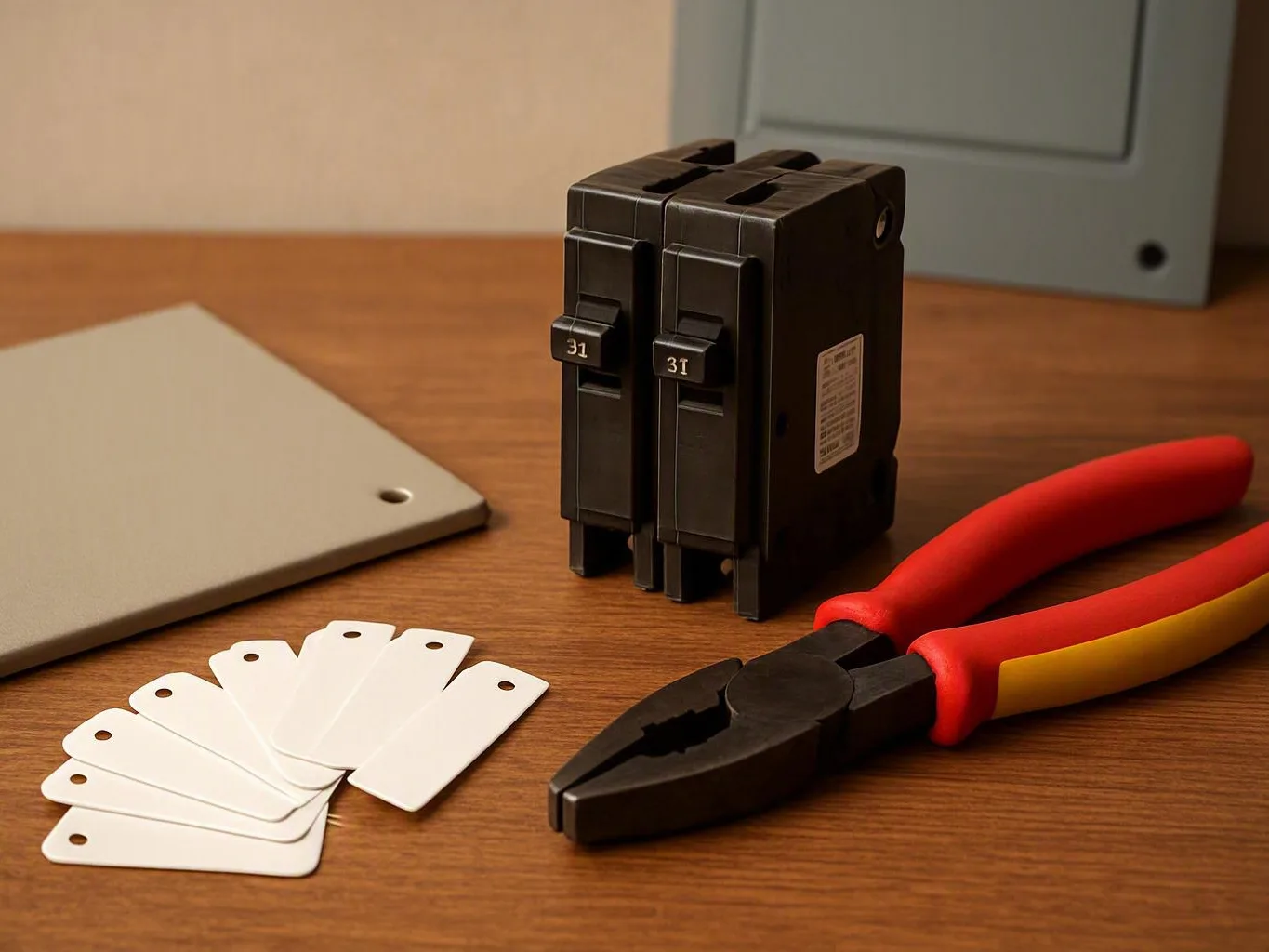
They can inspect safe access points and check the circuit load. The repair may include an outlet replacement, wiring repair, Circuit Breaker Replacement, or dedicated circuit installation.
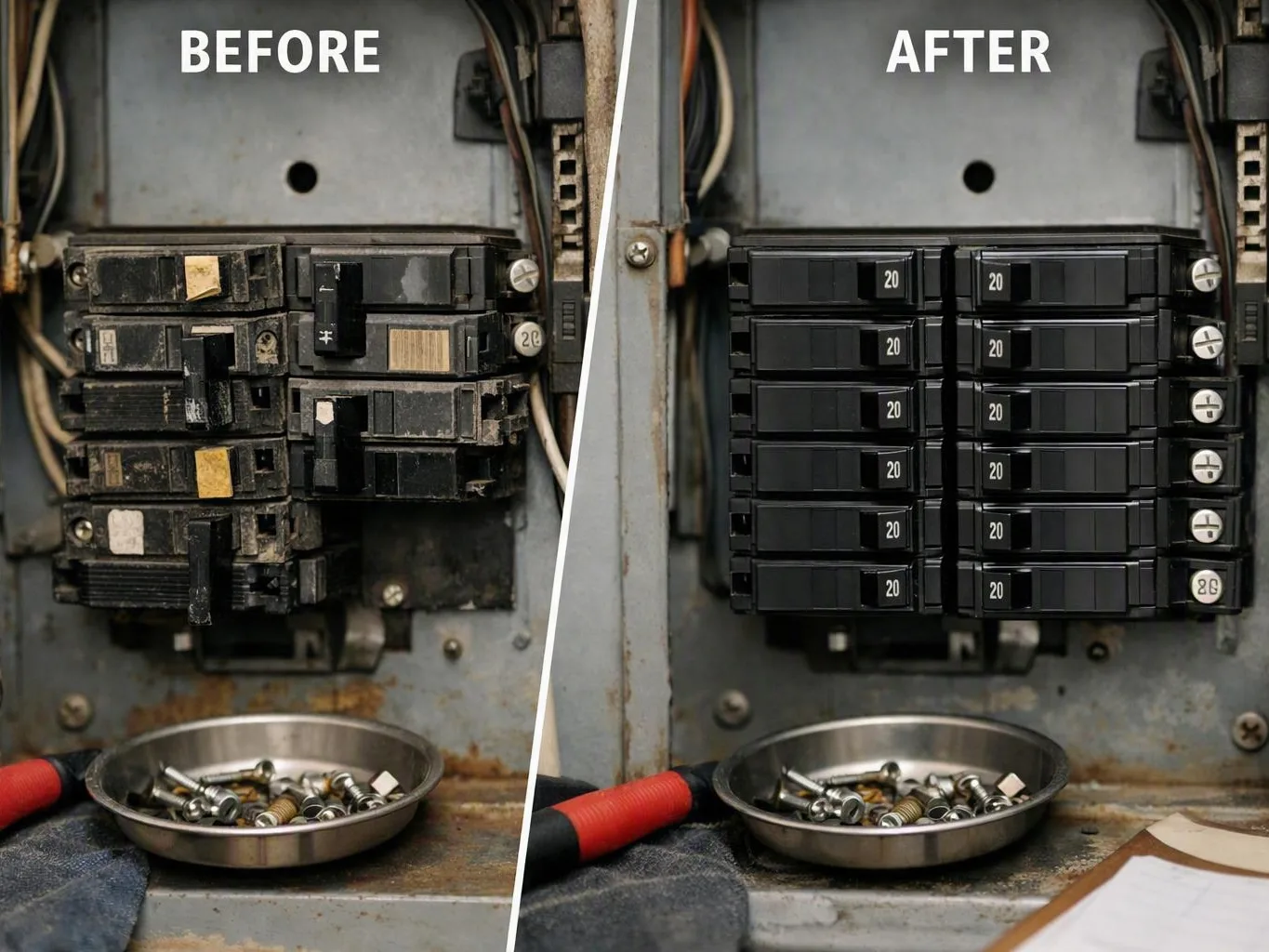
Breaker replacement may help when testing finds a worn, damaged, or wrong-rated breaker. Replacement won't fix overloaded circuits or damaged wires. The new breaker must match the panel and circuit design.
A dedicated circuit may suit an electric dryer, range, water heater, air conditioner, or workshop tool. Our team can check the appliance load, panel space, wiring path, and code needs first.
Don't open the panel or move wires. Don't install a larger breaker. Don't bypass a GFCI or arc-fault device. These actions can raise fire and shock risks. We can explain the issue and the safest repair.
How to Prevent Repeated Circuit Breaker Trips?
Prevent trips by spreading high-power appliances across suitable circuits. Avoid overloaded power strips and extension cords. Replace damaged cords. Keep outlets dry. Address repeated trips quickly. An electrician can check circuit capacity and add a dedicated circuit when needed.
Prevention starts with the right load for each circuit. A home office may need better power spread for computers and monitors. A laundry room may need separate power for motors and heaters. A garage workshop can overload one circuit fast.
Our team can compare appliance demand with the current circuit and panel. If the load is too high, we can discuss safer use, repair, a supported breaker upgrade, or dedicated-circuit work. The right choice depends on load, moisture, heat, damage, and trip frequency.
Questions About Electrician
Why Does My Circuit Breaker Keep Tripping?
The common causes include an overloaded circuit, short circuit, ground fault, bad appliance, damaged cord, loose wiring, or failing breaker. If trips repeat during normal use, stop resetting it. Arrange professional testing.
Why Does My Breaker Trip When I Plug Something In?
An instant trip may point to a bad appliance, damaged plug or cord, short circuit, ground fault, bad outlet, or wiring problem. Unplug the device and don't plug it in again. Professional testing can find the cause.
Can a Bad Appliance Cause a Circuit Breaker to Trip?
Yes. A bad motor, heater, insulation fault, or damaged cord can pull too much power. It can also send current to ground. Stop using the appliance and have it checked. Don't use a larger breaker.
How Do I Know if I Need to Replace My Circuit Breaker?
Replacement may help when testing finds a damaged, worn, overheated, or wrong-rated breaker. Repeated trips don't prove the breaker is bad. Wiring, outlets, appliances, and circuit loads can cause the same issue. A qualified professional should test the full circuit.
If the cause isn't clear, our team can help. We can explain whether you need a repair, breaker replacement, or dedicated circuit. Contact us to arrange service.
Request electrical helpRelated Resources
How Much Does an Electrician Cost in Fort Wayne?
electrician cost Fort Wayne IN
What It CostsEV Charger Installation in Fort Wayne: Cost, Panel Requirements, and Process
EV charger installation cost Fort Wayne IN
What It CostsHot Tub and Pool Electrical Wiring: Cost, Scope, and Scheduling
hot tub and pool electrical wiring cost Fort Wayne
How It WorksWhat to Expect During an Electrical Troubleshooting Visit
electrical troubleshooting electrician Fort Wayne