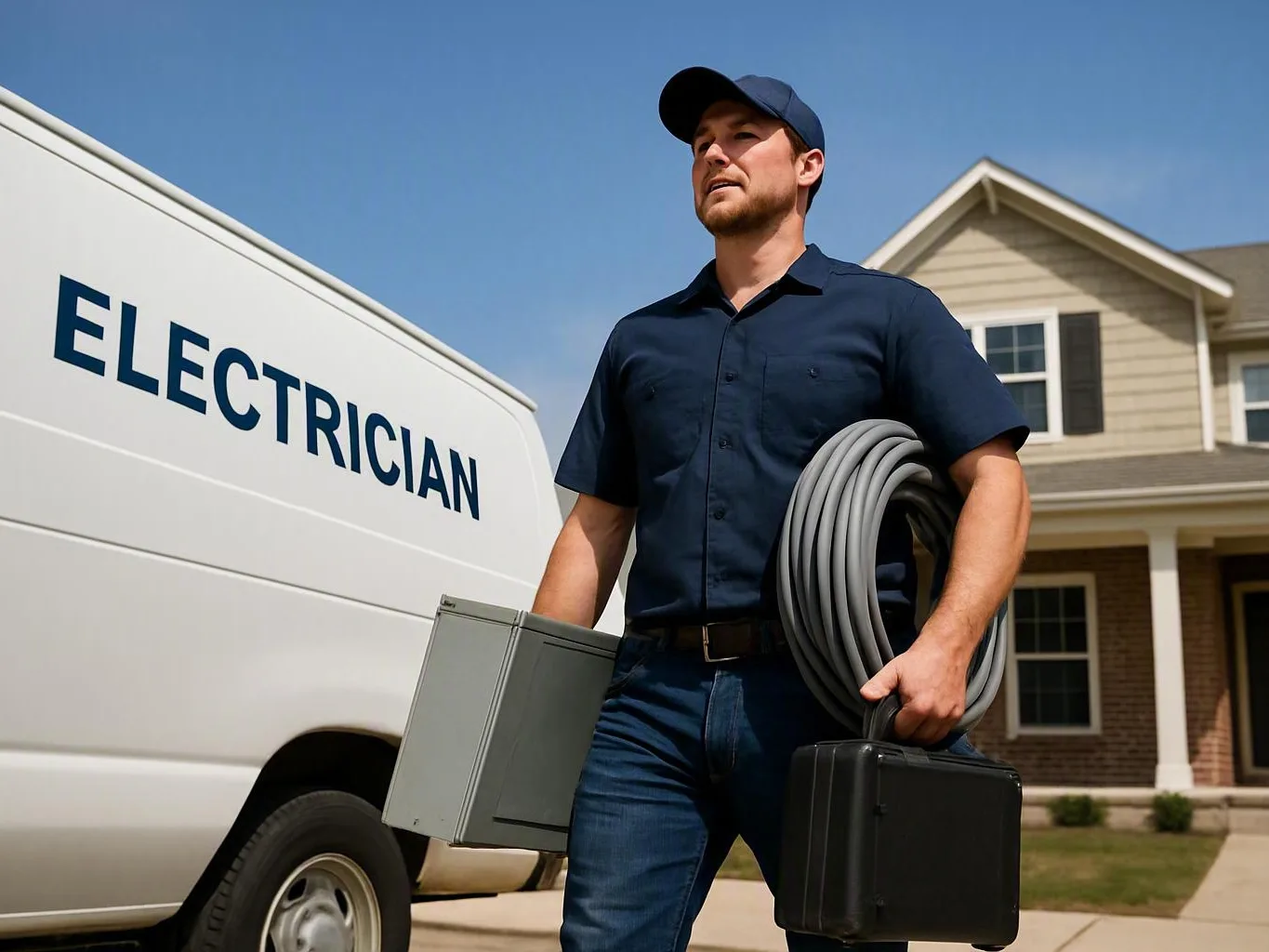
Signs Your Remodel Wiring Needs an Electrical Inspection
Electrical problems after a remodel can signal unsafe wiring. Wiring may be damaged, overloaded, or connected poorly. It may also fail electrical code rules. Watch for flickering lights, warm outlets, burning smells, and buzzing sounds. Sparks, loose receptacles, and power loss also need attention. Call a qualified electrician when these signs appear. This matters most after DIY work or major changes. An inspection can find shock and fire hazards. It can also check grounding and circuit protection. The work may show if code corrections are needed.
Get a Free EstimateWhat Electrical Problems Can Happen After Remodeling?
Remodel wiring can fail when circuits are extended the wrong way. Problems can also start with hidden connections or damaged cables. New loads may also exceed circuit limits. These issues can affect outlets, lights, appliances, and the electrical panel. An inspection can find unsafe conditions before they cause harm.
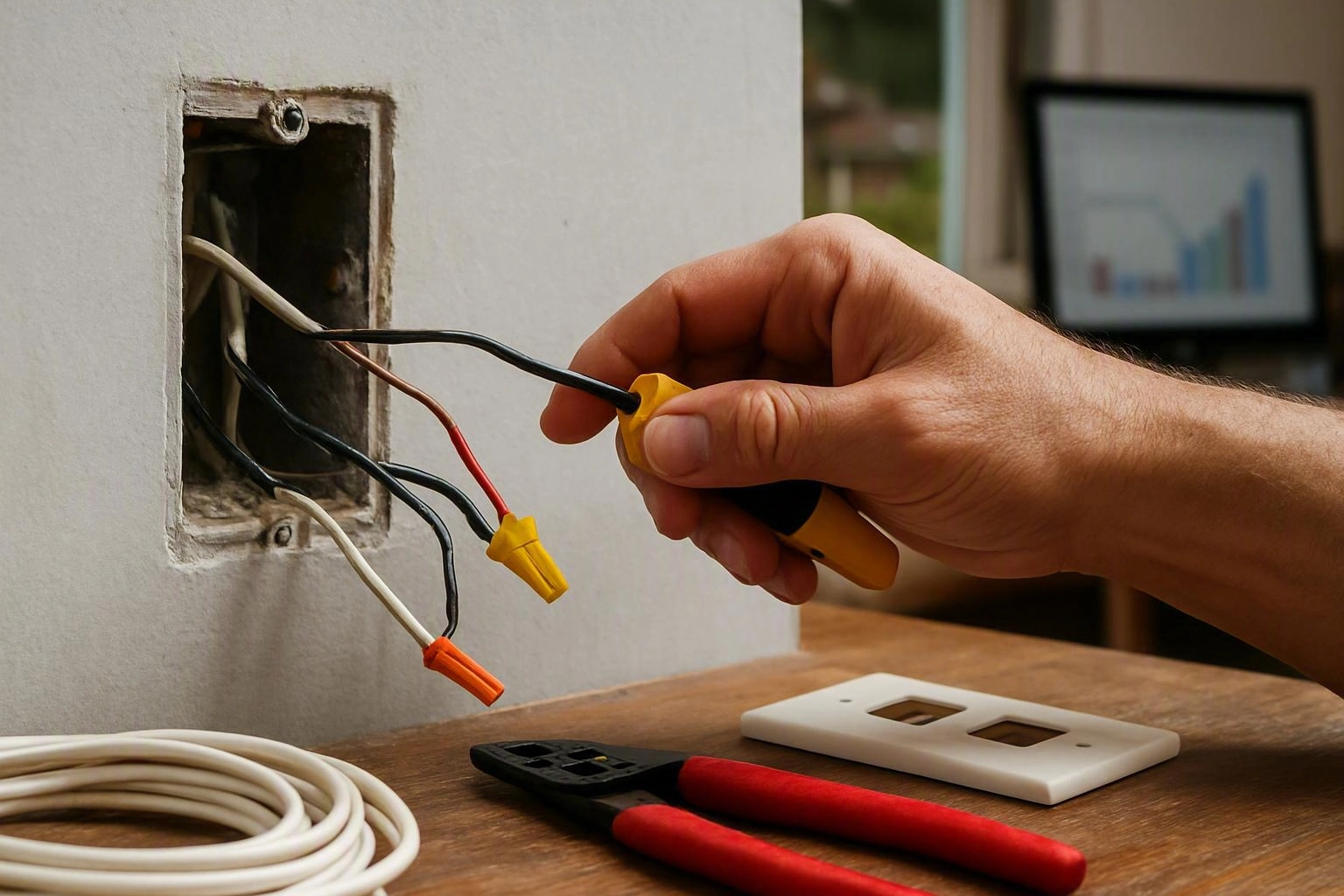
Remodel work can disturb old cables behind walls. New devices may also overload an older circuit. Wall removal can change where a junction box belongs. A buried box can't be checked or repaired. It may also break electrical code compliance rules.
Kitchens, bathrooms, laundry rooms, and additions often need more circuits. They may also need stronger safety protection. The electrical panel needs space for new breakers. The home service must support the added load. A remodel contractor may manage many trades.electrician should check electrical connections.
Common issues include reversed polarity and missing grounding. Loose wire connections can cause trouble too. Breakers and conductors may also be mismatched. A small inspection often takes one to three hours. Larger homes may need more time. Hidden wiring can add more work. We note symptoms and trace affected circuits. Then, we explain the needed repairs.
Chris Miller Electric can review Remodel Wiring in Fort Wayne. We can check circuit safety and panel changes. We can also review permit inspection concerns. Homeowners, landlords, and property managers can track symptoms. Note when problems began and which devices are affected. Do this before walls or ceilings are closed.
What Are the Warning Signs of Bad Remodel Wiring?
Warning signs of bad remodel wiring include flickering lights and warm outlets. Discolored outlets, burning odors, buzzing, and sparks also matter. Repeated breaker trips and power loss need quick attention. These signs can point to loose or overloaded circuits. They can also show damaged wires or arcing. Stop using the affected equipment. Don't keep resetting the breaker. Arrange an electrical inspection instead.
Write down the device and the event time. Note the breaker position and any smell or sound. Photos can show helpful details. Don't remove covers or touch damaged wiring. This record helps our crews trace circuit paths.
Why Should Wiring Be Inspected After a Remodel?
An electrical wiring inspection after a remodel checks altered circuits. It confirms that connections are safe and properly grounded. It also checks circuit protection and load limits. An electrician may test polarity and continuity. Continuity means the wire path is complete. The panel and accessible wiring may also be checked. Testing can find hidden problems before they cause harm.
Continuity testing checks whether a wire path is complete. Polarity testing checks the hot and neutral wires. A grounding check can lower shock risk. These tests help after moving outlets, switches, or lights. They also help after moving appliances.
Wet areas often need GFCI protection. This protection helps lower shock risk. Sleeping areas may need AFCI protection. AFCI helps lower fire risk from arc faults. Local rules and the code edition set exact needs.
Have wiring checked before drywall or tile covers it. Cabinets and ceilings can hide problems too. Ask for accessible junction boxes and labeled circuits. Keep clear notes about all changes. Landlords and property managers should save inspection records. Keep them with the renovation papers.
We compare circuit loads and wire sizes. We check breaker ratings, grounding, and polarity. We also check safety devices. A new panel or appliance may raise service concerns. The inspection can show if more review is needed.
How Can You Tell if DIY Electrical Repairs Went Wrong?
Signs DIY electrical repairs went wrong include loose wire connectors. Exposed wires and scorched insulation are also warning signs. Devices may sit crooked in the wall. Connections may also hide outside approved boxes. A repair can look neat and still be unsafe. Polarity, grounding, and load problems may remain hidden.
Some receptacles use spring clips called backstabs. These clips can loosen over time. A loose or hot connection needs testing. Wire connectors must match the wire size. Copper and aluminum wires need the right joining method. Don't place too many wires under one terminal.
Improper junctions can create serious risks. Splices belong inside an approved junction box. The box must have an accessible cover. It can't hide behind a wall or cabinet. Damaged cable jackets can also cause trouble. Missing strain relief may expose wires to stress.
Don't open powered equipment to check a problem. Turn off the circuit only if you can identify it safely. Keep children and other people away from damaged devices. Our team can test overheated wiring. We can explain the needed repair or code correction.
What Commonly Causes Electrical Problems After a Remodel?
Common causes of electrical problems after a remodel include overloaded circuits. Loose connections, damaged cable, and wrong wire sizes also cause problems. Hidden junction boxes can make repairs unsafe. Missing circuit protection creates added risk. New fixtures may also overload old circuits. Safe testing is needed to find the exact cause.
Old wiring may have worked well before the remodel. A larger room can change its power needs. A bedroom may become an office with computers. It may also use heating equipment. A small kitchen may gain several large appliances.
Our crews trace the affected circuit and check the panel. We inspect accessible junction boxes too. Then, we compare breaker sizes with wire sizes. We also review equipment demand. Don't cover questionable work before these checks.
When Does Remodel Wiring Need an Electrician or Code Correction?
Remodel wiring needs an electrician when circuits changed without clear records. Warning signs also require an inspection. Repeated breaker trips need attention. Work that may fail electrical code needs review. An electrician can find hazards and suggest code corrections. They can also check service capacity and permitted repairs. Smoke, sparks, and burning odors need immediate action.
Do this after DIY work or a panel change. Call after opening or removing walls. New circuits also need a review when permits aren't clear. An inspection can find hidden splices and grounding problems. It can also find poor polarity and weak protection.
Permit rules depend on the location and project. The local authority may require rough and final inspections. These checks may happen before walls close. Ask who handles the permit inspection. Save approvals, circuit labels, and repair notes.
Tenant improvement wiring needs extra care. Landlords and occupants may share the same circuits. Those circuits may power lights, equipment, or safety devices. Coordinate rental or business changes with the owner. Use qualified trades before finishes are installed.
Stop work when the circuit path isn't clear. Code correction may require new cable. It may also require moving a hidden junction box. Other fixes include new GFCI or AFCI protection. Grounding or panel capacity may need changes too. Don't cover a known defect to meet a deadline.
How Can You Prevent Wiring Problems During a Remodel?
Wiring problems can be prevented with careful planning. Plan circuit loads before construction starts. Use the right wire sizes and breakers. Keep junction boxes easy to reach. Label changed circuits at the panel. Add required GFCI or AFCI protection. Schedule an inspection before walls close. Good planning also helps different trades work together.
Ask the contractor and electrician to share plans. This can prevent a covered outlet. It can also stop another trade from drilling into cable. Property managers get a useful record too. Future tenants and workers can use it.
Before walls close, photograph accessible wiring. Record circuit names and breaker sizes. Note grounding paths and safety devices. Confirm GFCI protection in wet areas. Confirm AFCI protection where required. A reset button doesn't prove the full circuit is safe.
Tenant Improvement Wiring should fit the space's future use. Plan for people, equipment, and emergency systems. Our team can coordinate with the building schedule. Early answers make later repairs easier. They can also lower project delays and costs.
Questions About Electrician
What Are the Most Common Electrical Problems After Remodeling?
The most common problems include overloaded circuits and loose connections. Damaged cable, reversed polarity, and missing grounding also occur. Hidden junction boxes and missing GFCI or AFCI protection create risks. Flickering lights, warm outlets, burning smells, buzzing, and sparks need attention. Repeated breaker trips and power loss also require an inspection.
How Much Does an Electrical Wiring Inspection Cost After a Remodel?
Inspection cost depends on project size and wiring access. Panel condition and testing needs also affect the price. Local permit rules may add costs. Ask for a clear work plan first. A small-room inspection often takes one to three hours. A whole-home review may take longer. Repairs and permit fees may cost extra.
Can a Home Inspection Find Bad Electrical Wiring?
A home inspection can find many visible wiring problems. These may include damaged outlets and missing covers. It may also find open panels or burn marks. It usually can't replace an electrical wiring inspection. Circuit tracing and testing may be needed.
When Should I Call an Electrician After a Renovation?
Call when lights flicker or outlets feel warm. Call when breakers trip or wiring buzzes. Power loss, smoke, and burning odors also need help. Call before walls close after electrical work. You should also call after DIY repairs or panel changes. Added circuits and appliances may need a service check.
What Electrical Code Corrections Are Commonly Needed After a Renovation?
Common fixes include replacing damaged cable and tightening loose connections. Other fixes correct polarity and restore grounding. An electrician may move a hidden junction box. They may also match breakers with wire sizes. GFCI or AFCI protection may need to be added. The exact fix depends on the wiring and local rules.
Electrical defects after remodeling should be recorded and checked. Do this before anyone uses the space. We can review symptoms and work with your contractor. We can explain the needed testing, repair, or permit inspection.
Related Resources
How Much Does an Electrician Cost in Fort Wayne?
electrician cost Fort Wayne IN
What It CostsWhole-Home Rewiring: Cost, Timeline, and What to Expect
whole house rewiring cost Fort Wayne IN
How It WorksWhat to Expect During an Electrical Troubleshooting Visit
electrical troubleshooting electrician Fort Wayne
How It WorksElectrical Inspections and Code Corrections: Costs, Process, and Next Steps
electrical inspection and code correction Fort Wayne