Electrical Inspection and Code Corrections in Fort Wayne, IN
Chris Miller Electric helps Fort Wayne, in homeowners understand electrical inspection findings. We also explain repair costs and next steps. An inspection checks wiring, panels, grounding, outlets, GFCI protection, and code safety concerns. Small inspections may take one to two hours. Correction times depend on the number and type of problems. Costs vary by access, parts, permits, and repair needs. After the inspection, an electrician explains the findings. They rank safety risks and suggest repairs. They also check the finished work.
Get a Free EstimateHow Much Does an Electrical Inspection Cost in Fort Wayne, IN?
Electrical inspection cost depends on the home's size and system. It also depends on the inspection scope and access. Testing and paperwork may affect the price too. Fort Wayne homeowners should request a written estimate. The estimate should list inspection costs and repair costs separately.
An inspection fee covers the time needed to review the home.electrician may check rooms, the electrical panel, outlets, switches, and visible wiring. A small review usually has a limited scope. A whole-home review takes more time. This may apply during a sale, remodel, insurance claim, or safety concern.
System age can also affect the work. Fort Wayne has older homes, remodeled homes, and newer homes. Each type can show different problems. Older wiring, past changes, poor grounding, or a small service may need more testing.
Ask if the estimate includes a written report and photos. Also ask about testing and a return visit. It may be a safety review or a code compliance inspection. It may also cover the full electrical system.
Indiana electrical code and local inspection rules may affect the process. They may affect paperwork, permits, and follow-up checks. Rules can differ by project. We confirm the process before correction work starts.
What Happens During an Electrical Inspection?
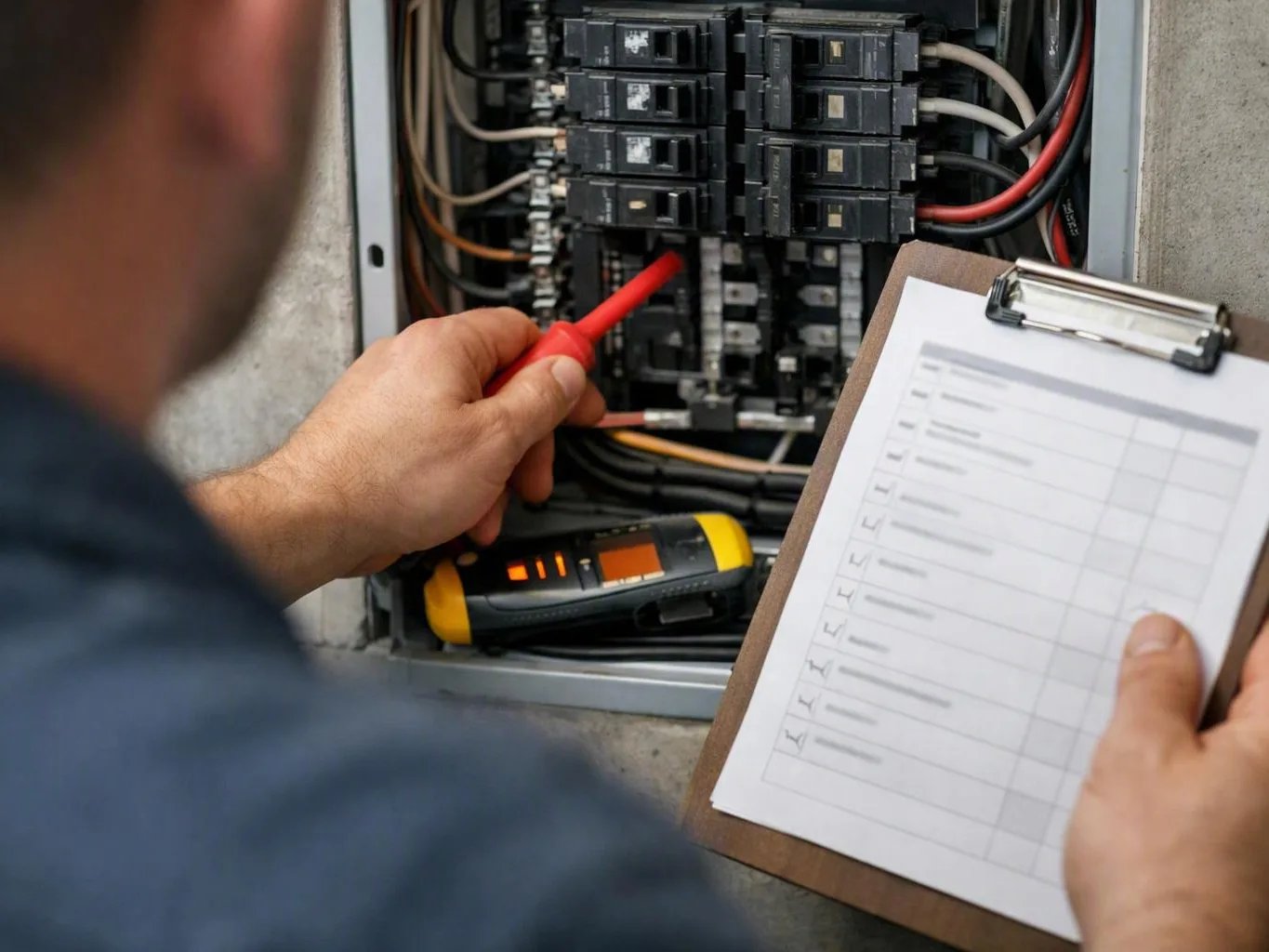
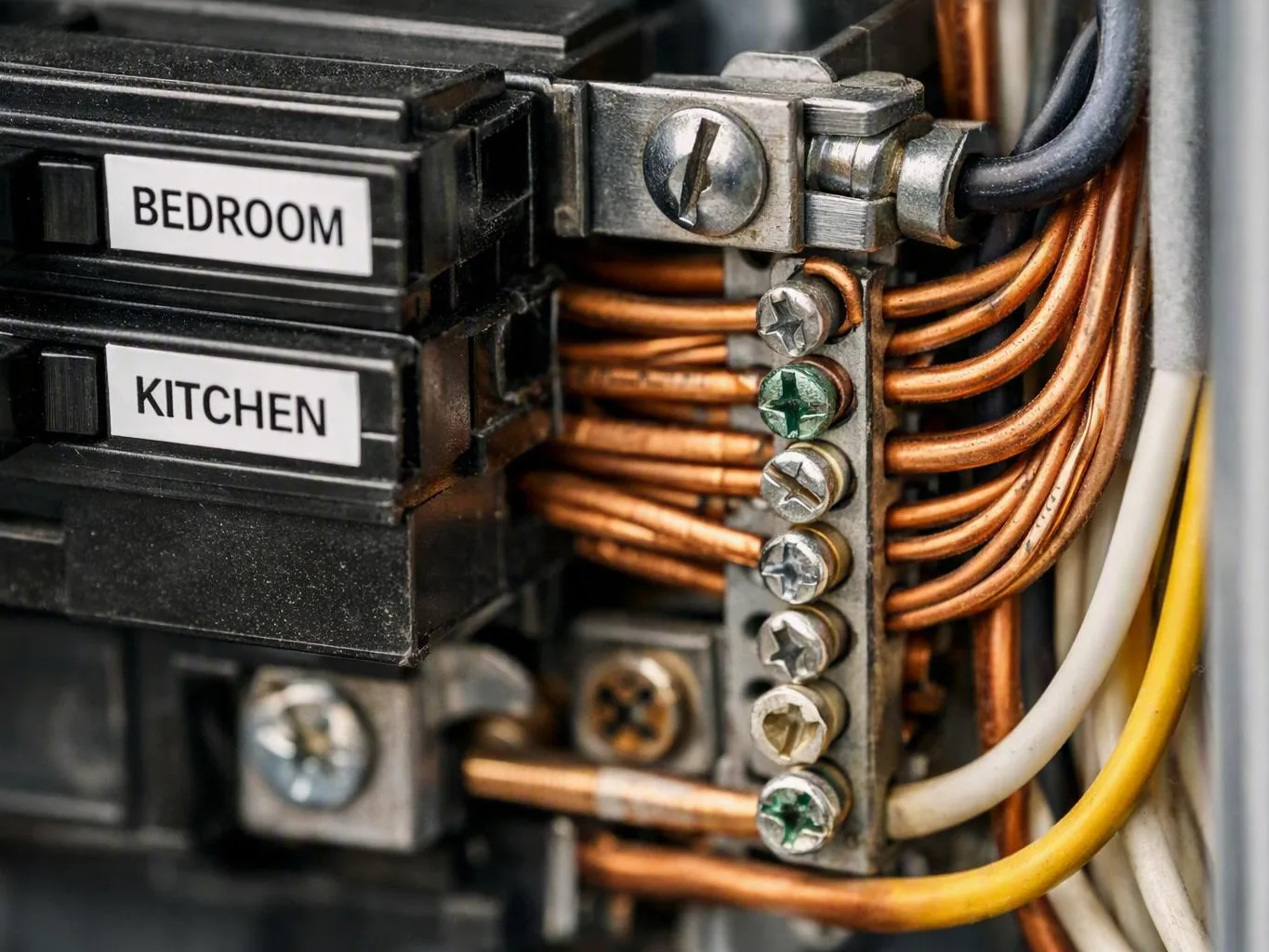
An electrical inspection checks accessible wiring and the service panel. It also checks breakers, grounding, outlets, switches, and safety devices. The electrician looks for shock, fire, overload, and install risks. They record problems and explain which ones need quick repairs.
We begin by discussing the reason for the visit. Flickering lights or warm outlets can point to one circuit. Tripped breakers can show a related problem. Buzzing sounds and burning smells need close attention. Recent remodeling may also guide the inspection. Cold weather can increase circuit use in Fort Wayne. That makes overloads and loose connections important concerns.
The review may include the following:
Basements, crawl spaces, garages, and outdoor outlets need close attention. Moisture can change the needed repairs. The report should separate urgent fire and shock risks. It should also list items for later upgrades or better service.
What Are the Steps from Inspection to Code Correction?
The process usually starts with scheduling and a property review. It then includes testing, notes, repair planning, and approved work. Final checks come after the repairs. Chris Miller Electric explains each recommendation before work starts.
A code violation doesn't always mean full replacement. The right fix depends on the hazard and altered area. Property history and local review rules may also matter.
Indiana electrical code and local inspection rules can affect permits. They can also affect paperwork and permit inspections. We review these needs before work starts. This keeps repair costs separate from rule-related costs.
How Long Does an Electrical Inspection Take?
Inspection time depends on home size, system age, and access. It also depends on the number of circuits and safety devices. A small inspection may take one to two hours. Larger homes may need more time. Repairs and official follow-up checks take extra time.
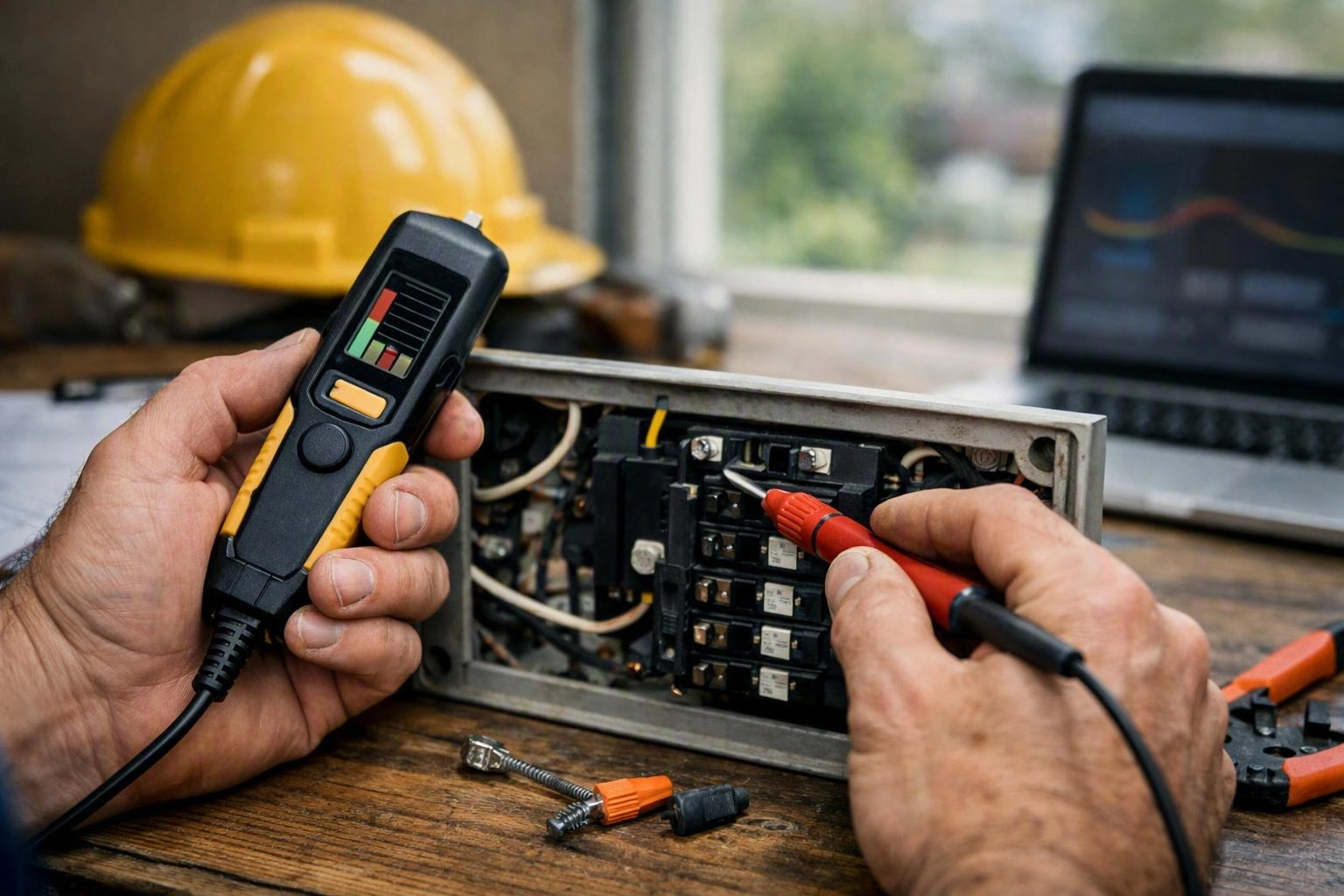
The table below gives common planning ranges. It isn't a promise for every home. Hidden wires and blocked access can add time. Unusual equipment and testing needs can also delay the visit.
| Project size | Typical duration | What can affect timing |
|---|---|---|
| Small | About 1–2 hours | Limited scope, accessible panel, few circuits, and no major testing issues |
| Average | About 2–4 hours | Multiple circuits, older wiring, several outlets, or documentation needs |
| Large | Half day or longer | Large property, additions, blocked areas, many issues, or complex equipment |
Correction time is separate from inspection time. A device change may take one visit. Rewiring, panel work, and hidden access can take longer. A required follow-up inspection also adds time.
How Much Do Electrical Code Corrections Cost?
Electrical code corrections cost depends on the number of problems. Access, labor, materials, and panel condition also affect cost. Permit and inspection needs may add to the total. A GFCI outlet or breaker has a smaller scope than rewiring. An itemized estimate shows each repair cost.
Labor depends on how easy the work is to reach. Open basement ceilings may allow easier access. Finished walls and tight crawl spaces can take more time. Wiring through remodeled areas may also add work. Ask if patching, painting, cleanup, or access work is included.
Parts may include outlets, covers, breakers, and wiring. They may also include boxes, grounding parts, surge protection, or panel parts. A new breaker won't fix every problem. An overload, short, wrong wire size, or panel issue may remain.
GFCI outlet installation is often a focused repair. Rewiring may involve many rooms and hidden paths. Permits and permit inspections can add scheduling steps. We explain the likely work without giving an unsupported fixed price.
Cold winters and heating use can reveal weak connections. They can also reveal overloaded circuits. Fixing these risks may matter more than cosmetic changes. Ask for separate line items. This keeps urgent repairs and planned upgrades clear.
What Happens if an Electrical Inspection Finds Problems?
If an electrical inspection finds problems, the electrician records each issue. They identify urgent hazards and explain repair choices. The homeowner can then approve the work and set a date. Unsafe circuits or damaged equipment may need attention first.
The report should list the location and condition of each issue. It should also explain the likely risk. A code issue may involve missing GFCI protection or poor grounding. It may also involve a wrong breaker, damaged wiring, or an overloaded circuit. Some changes may not meet electrical code compliance rules.
A city, inspector, lender, buyer, or other reviewer may issue a notice. The notice may require a specific response. It doesn't replace a full electrical safety review. We compare the notice with the home's actual condition.
Indiana electrical code and local inspection rules may require a permit. Written records or a permit inspection may also be needed. The rule depends on the property and project. Homeowners should confirm it before repairs start.
After repairs, we test the affected equipment. We review the results with the homeowner. The contractor, local authority, or both may perform final checks. Keep reports, receipts, permits, and inspection records with the home history.
How Fort Wayne Homeowners Can Prepare for an Electrical Inspection?
Fort Wayne homeowners can clear access to the service panel. They can also record flickering lights and tripped breakers. Gather remodel records and list recent electrical work. Point out outdoor and damp-area outlets. Clear access helps the electrician work faster. Clear notes also help separate urgent risks from planned upgrades.
Fort Wayne has older homes, remodeled homes, and newer construction. This mix makes past changes worth discussing. Outdated wiring, grounding, and service size may also need review.
Questions About Electrician
How Much Does an Electrical Inspection Cost?
Cost depends on home size, inspection scope, access, system complexity, testing, and paperwork. Follow-up work may also affect cost. Request a written estimate. It should separate inspection, repairs, parts, permits, and final checks.
What Happens During an Electrical Inspection?
We review accessible wiring, the service panel, breakers, outlets, switches, and grounding. We also review GFCI protection, AFCI protection, and visible safety concerns. We record and rank findings. We explain urgent repairs, planned improvements, and items to watch.
How Long Does an Electrical Inspection Take?
A small inspection commonly takes one to two hours. Average homes may take two to four hours. Large or complex homes may need half a day or longer. Repairs and follow-up inspections take extra time.
How Much Do Electrical Code Corrections Cost?
There is no single price for electrical code corrections. Cost depends on labor, parts, access, panel condition, and the number of issues. Rewiring and permit needs may add cost. An itemized estimate shows each repair.
What Happens if an Electrical Inspection Finds Problems?
The electrician records the findings and ranks safety risks. We explain the repair scope and complete approved work. We then check the affected system. The homeowner may need a permit or official follow-up inspection.
Electrical inspections in Fort Wayne show which concerns need action. Some need a quick repair. Others may need a longer-term upgrade. Our team can review the property and explain the findings. We won't promise a fixed scope before checking the system.
Contact our team to discuss your inspection or correction needs.
Related Resources
How Much Does an Electrician Cost in Fort Wayne?
electrician cost Fort Wayne IN
What It CostsWhole-Home Rewiring: Cost, Timeline, and What to Expect
whole house rewiring cost Fort Wayne IN
What It CostsHot Tub and Pool Electrical Wiring: Cost, Scope, and Scheduling
hot tub and pool electrical wiring cost Fort Wayne
What It SolvesWhy Your Circuit Breaker Keeps Tripping and When to Call an Electrician
breaker keeps tripping