
What is BX Cable?
BX Cable is an older trade name for armored electrical cable that places insulated conductors inside a flexible metal sheath. The metal armor protects wiring from physical damage and may support the grounding path when approved fittings and bonding methods are used. Modern products are often classified as Type AC cable under electrical codes.
Quick Facts About BX Cable
Category
Armored electrical cable
Used for
Protected wiring in walls, ceilings, and exposed locations
Relevant standard
National Electrical Code Article 320 for Type AC cable
Common confusion
BX is often used as a trade name for several armored cable products
Also called
Armored cable, AC cable
Often discussed with
Electrical Inspections, Electrical Code Corrections
Key Takeaways About BX Cable
- BX Cable uses flexible metal armor to shield insulated conductors from physical damage.
- Modern electrical work names similar products by code types, mainly Type AC cable.
- Armor does not always provide a full grounding path in every installation.
- Approved connectors, anti-short bushings, bonding, and install methods affect safety and code compliance.
- BX Cable differs from Romex because Romex uses a nonmetallic outer jacket.
Understanding BX Cable
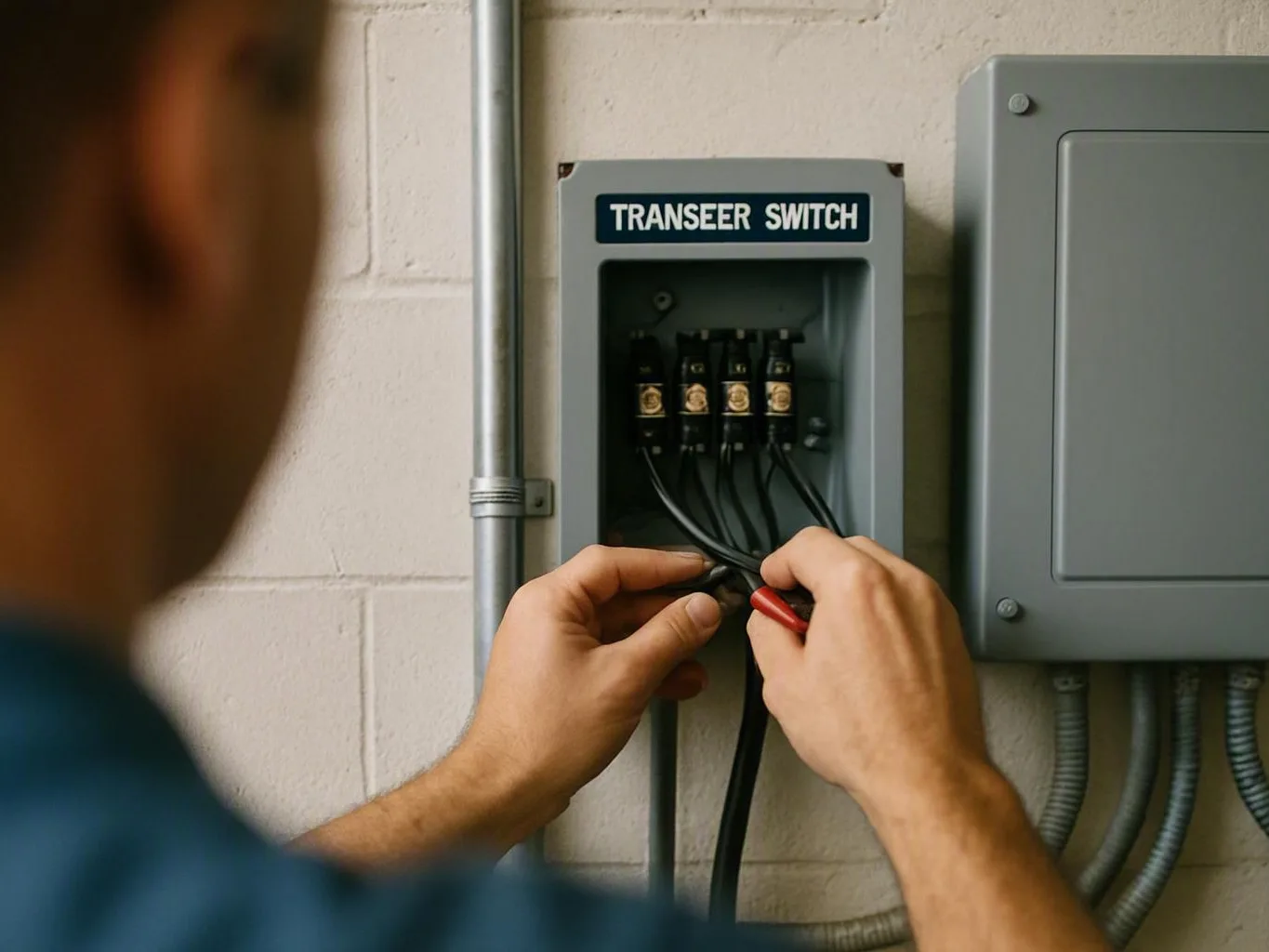
BX Cableis a trade name used by many electricians. It means armored electrical cable. The cable contains insulated copper conductors inside a flexible, spiral-wound metal sheath. The sheath resists impact, abrasion, and some damage from fasteners. Current code language identifies many BX products.Type AC cable.
Related glossary terms: Conduit, Electrical Grounding, National Electrical Code.
BX Cable isn't one single product specification. Older cable, modern Type AC cable, and metal-clad cable can look similar. They can have different construction and grounding rules. A typical assembly may include insulated hot conductors, a neutral conductor, and metal armor. It may also include a bonding strip or bonding means. The cable marking, conductor count, fittings, and listing control installation.
How BX Cable Works, Is Measured, or Is Used?
The metal armor forms a flexible protective pathway around the conductors. Installers cut the armor with a cable cutter. They protect the conductor insulation at the cut. They attach an approved armored cable connector to an electrical box or enclosure. The connector must match the cable type and size. A loose connector can leave wiring unsupported. It can also interrupt the intended grounding path.
Electricians identify BX Cable by its conductor size and number. They also check the cable type and ampacity. Wire gauge describes conductor size. Ampacity describes the current conductors can carry under stated conditions. The circuit breaker and insulation rating affect the permitted load. Ambient temperature and current-carrying conductors also affect the load. Armor alone doesn't determine the cable's electrical rating.
During installation, workers route the cable without sharp bends. They secure it near boxes. They protect it from conditions that could damage the armor or insulation. A short piece called an anti-short bushing may be required at armor ends. This depends on the cable construction and applicable rules. The installer checks conductor connections, box fill, and grounding continuity. The installer also checks circuit breaker protection.
Why BX Cable Matters?
Armored cable can protect wiring where a nonmetallic jacket faces greater physical risk. Examples include exposed basement wiring and commercial interiors. Other examples include masonry surfaces and tight locations. Rigid conduit might take more space or labor in these locations. Its metal covering can also protect wiring during remodeling. This metal path creates bonding and installation questions. These questions don't arise in the same way with nonmetallic cable.
Incorrect fittings or damaged armor can create a shock hazard. They can also cause a short circuit. They may create an unreliable equipment grounding path. An installer must confirm that the cable, connector, and box work together. The grounding method must also work with this listed system.National Electrical Code sets installation rules. Local authorities may use adopted editions and amendments during inspection.
When BX Cable Matters Most?
BX Cable needs close review during repairs in older buildings. Visible armor may not show the cable's actual construction. Some older systems have brittle insulation or missing bonding parts. They may also have loose fittings or poor connections inside crowded boxes. A visual inspection can reveal damage. A continuity test may also be needed. Careful checks of terminations can assess the grounding path.
The cable choice also matters during remodels and service changes. It matters for new circuits, too. Compare the cable listing with the planned environment and circuit load. Check support spacing, box type, and local code needs. In Fort Wayne, Indiana, an electrical inspection may check proper fittings. It may also check grounding and protection from damage. Inspectors may check compliance with the code edition adopted for the project.
How to Evaluate BX Cable?
- Read the cable jacket or armor markings to confirm Type AC, metal-clad, conductor size, and listing.
- Check that connectors match the cable and enter each electrical box with secure mechanical support.
- Inspect armor cuts for sharp edges, damaged insulation, missing anti-short protection, or loose fittings.
- Test grounding continuity from the equipment grounding point to the panel before energizing the circuit.
- Compare conductor ampacity, breaker size, box fill, and installation conditions with the adopted electrical code.
Related Concepts Compared
BX Cable vs. Romex
Romex is a common trade name for nonmetallic-sheathed cable, often identified as Type NM-B. BX Cable uses a metal armor covering instead of a nonmetallic outer jacket.
BX Cable vs. Metal-clad Cable
Metal-clad cable, or Type MC, has a metal sheath but uses different construction and grounding requirements from Type AC cable. The cable marking determines the applicable installation rules.
BX Cable vs. Conduit
Conduit is a separate raceway that houses individual wires or approved cable. BX Cable combines the conductors and flexible metal protection into one factory-made assembly.
BX Cable vs. Electrical Grounding
Grounding connects an electrical system to earth, while bonding connects conductive parts so fault current can travel on a low-impedance path. BX Cable may support bonding when its construction and fittings allow it.
Expert Note
Do not identify armored cable by appearance alone. Check the printed marking and inspect the connector at every box. Type AC and Type MC can look alike. Yet their bonding parts and code rules differ.
Common Mistakes or Myths About BX Cable
- Assuming every cable with metal armor is Type AC cable.
- Treating the armor as a grounding path without checking its construction and fittings.
- Using an ordinary connector that is not listed for the cable type.
- Leaving sharp armor edges unprotected near conductor insulation.
- Replacing a damaged section without checking the full circuit and box connections.
BX Cable in Practice: A Real-World Example
A 1940s home has flexible cable from a basement junction box to an upstairs receptacle.electrician finds a loose connector and no reliable bonding path. The cable may need a listed fitting, a tested ground, or replacement for damaged insulation.
Sources & Further Reading on BX Cable
Related Terms
Conduit
Conduit is a tube or raceway that protects and routes insulated electrical conductors. It may be…
Electrical Grounding
Electrical Grounding is a safety system that connects electrical equipment and circuits to the earth or…
National Electrical Code
National Electrical Code is a safety standard for electrical design, installation, and inspection in homes, buildings…
NFPA 70
NFPA 70 is the National Electrical Code, a widely adopted safety standard for designing, installing, and…
Chris Miller Electric
Have Questions About BX Cable?
Contact Chris Miller Electric for practical guidance on BX Cable and related electrician work in Fort Wayne.