
What is Electrical Grounding?
Electrical Grounding is a safety system that connects electrical equipment and circuits to the earth or a grounding conductor. This path carries fault current away from people and equipment, helps protective devices trip, and limits dangerous voltage on metal parts. Grounding differs from bonding, which connects conductive parts together.
Quick Facts About Electrical Grounding
Category
Electrical safety system
Used for
Fault-current return and voltage control
Common confusion
Grounding is not the same as bonding
Relevant standard
NFPA 70, National Electrical Code
Also called
Electrical earthing, Equipment grounding
Often discussed with
Electrical Inspections, Electrical Code Corrections
Key Takeaways About Electrical Grounding
- Grounding sends dangerous fault current away from people through a safe return path.
- A grounding path must stay whole, connect well, and fit the electrical system.
- Grounding and bonding work together. They serve different electrical safety roles.
- A ground rod alone does not replace required equipment grounding conductors inside a building.
- Grounding problems can cause shock hazards, equipment damage, or failed electrical inspections.
Understanding Electrical Grounding

Electrical Grounding connects an electrical system or exposed metal equipment to earth. It can also connect equipment to a designated grounding conductor. The connection keeps metal parts near earth potential during normal operation. It provides a path for abnormal current during a fault. That path supports the operation.circuit breaker or fuse.
Related glossary terms: Bonding, Ground-Fault Circuit Interrupter, National Electrical Code.
Grounding isn't meant to carry normal load current in a properly wired circuit. Instead, it becomes important when insulation fails. It also matters when a wire touches a metal enclosure. A surge entering the system can also make grounding important. The grounding system may include a service grounding electrode conductor. It may also include grounding electrodes and equipment grounding conductors. Each part has a specific role under the National Electrical Code.
How Electrical Grounding Works, Is Measured, or Is Used?
A typical fault occurs when an energized conductor contacts a metal panel. It can also contact an appliance case or junction box. The equipment grounding conductor creates a low-impedance path back to the source. A large fault current can then flow through that path. This current can cause the protective device to open the circuit quickly. Without that path, the metal enclosure could remain energized.
Electricians evaluate grounding with visual inspection and continuity testing. They also use polarity testing and other tests suited to the system. A continuity test checks whether conductive parts connect through an unbroken path. Continuity alone doesn't prove the path can carry required fault current. Inspection also covers terminations and conductor size. It covers grounding electrode connections and conductor separation. The code requires this separation in some places.
Ground rods and metal water pipe electrodes can serve as grounding electrodes. Concrete-encased electrodes and building steel can serve this role too. They must meet all applicable requirements. A ground rod helps connect the system to earth. Earth itself isn't normally a reliable fault-clearing path. The equipment grounding conductor inside the branch circuit usually performs this critical function.
Why Electrical Grounding Matters?
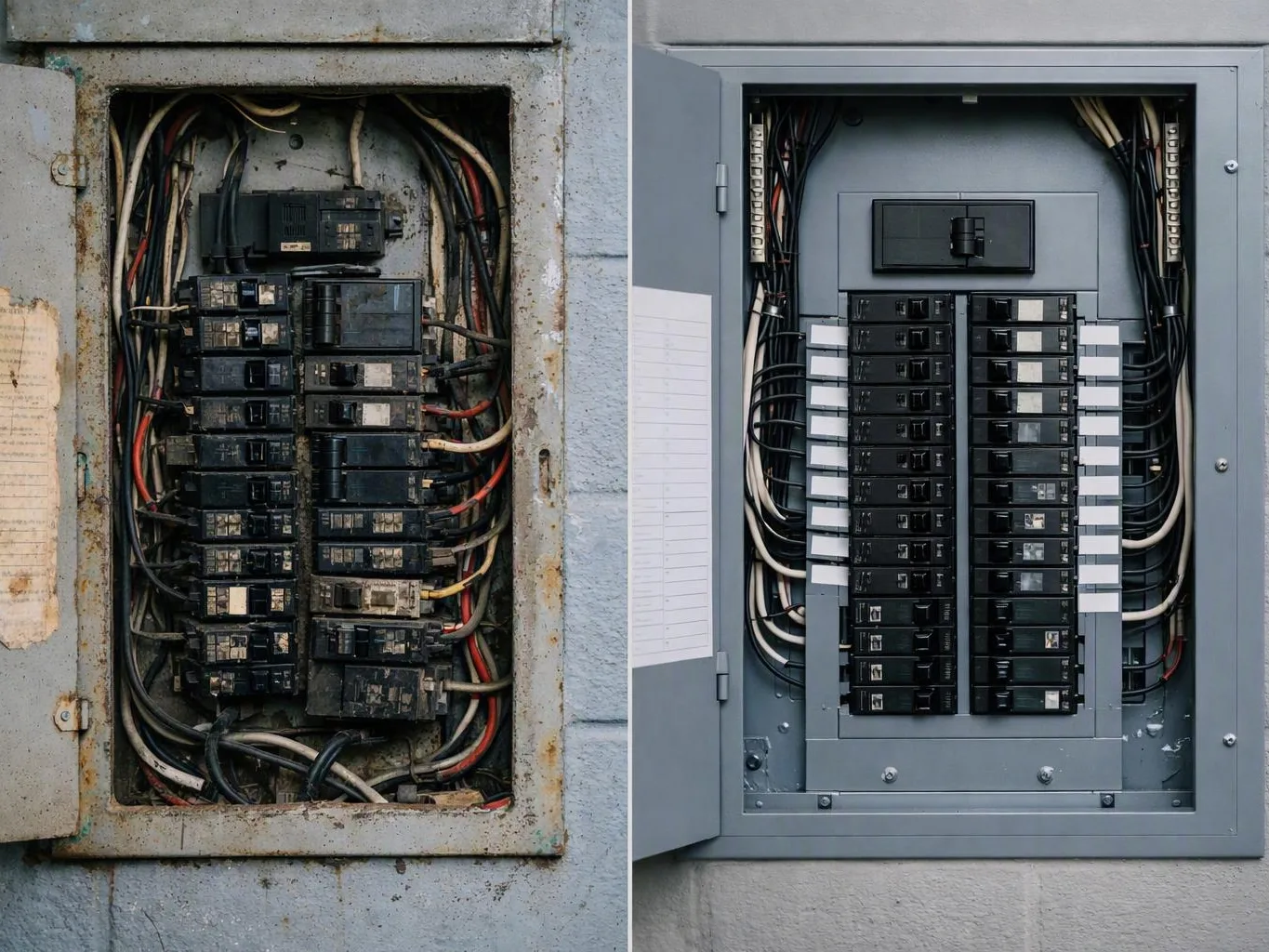
Effective grounding reduces the chance that a person becomes the fault-current path. It also helps protective devices respond to faults. These devices can act before heat, arcing, or fire causes greater damage. Grounding doesn't prevent every shock. It doesn't replace ground-fault circuit interrupters. These devices monitor current imbalance and disconnect power under specific conditions.
Grounding supports safe operation of service equipmentappliances, motors, and lighting. It also supports safe operation of electronic equipment. A loose termination or corroded connection can weaken the safety path. A missing conductor can cause the same problem. The system may still appear normal. Testing and inspection can find these conditions before a fault exposes the weakness.
When Electrical Grounding Matters Most?
Grounding deserves close attention during new construction and remodeling. It also matters during panel changes and receptacle replacement. This includes replacing older two-slot receptacles. Grounding matters after water damage and lightning. It also matters after equipment failures or unapproved wiring changes. Older buildings may contain open grounds or bootleg grounds. They may also contain damaged cable or outdated connections.
Before work begins, review the service equipment and branch circuits. Review receptacles and grounding electrodes as one system. Look for a continuous equipment grounding path and correct polarity. Check for secure terminations and proper bonding at the service disconnect. Fort Wayne properties may include older homes and additions. They may also include detached garages and mixed wiring methods. The correct evaluation depends on the building and the work performed.
How to Evaluate Electrical Grounding?
- Check whether every receptacle and metal enclosure has a continuous equipment grounding path.
- Verify correct polarity and grounding with a suitable tester, not only a plug-in light.
- Inspect grounding electrode and bonding connections for looseness, corrosion, damage, or improper termination.
- Confirm that conductor size and protection match the circuit and applicable NFPA 70 requirements.
- Ask whether GFCI protection is required for the location or equipment.
Related Concepts Compared
Electrical Grounding vs. Bonding
Bonding connects metal parts together so they share the same electrical potential. Grounding connects the system or equipment to earth or to a grounding point.
Electrical Grounding vs. Ground-Fault Circuit Interrupter
A GFCI detects an imbalance between current leaving and returning on a circuit. Grounding provides a fault-current path, while a GFCI disconnects power when it detects a dangerous imbalance.
Electrical Grounding vs. Neutral Conductor
The neutral conductor normally carries return current from an energized circuit. The equipment grounding conductor normally carries no load current and carries fault current during abnormal conditions.
Expert Note
A three-light receptacle tester can identify some wiring errors, but it cannot prove that a grounding path has adequate impedance or fault-clearing capacity. A complete evaluation may require panel inspection, continuity testing, and measurements suited to the installation.
Common Mistakes or Myths About Electrical Grounding
- Assuming a ground rod alone can clear a branch-circuit fault.
- Connecting neutral and ground together at a downstream panel.
- Replacing a two-slot receptacle with a three-slot receptacle without verifying grounding.
- Relying on a plug-in tester as the only grounding inspection.
- Leaving loose, corroded, or undersized grounding connections in service.
Electrical Grounding in Practice: A Real-World Example
A refrigerator has a metal cabinet. An insulation failure lets a live wire touch it. A proper equipment grounding conductor carries fault current back to the panel. It lets the breaker trip instead of leaving the cabinet live.
Sources & Further Reading on Electrical Grounding
Related Terms
Bonding
Bonding is the intentional connection of metal parts so they share the same electrical potential and…
Ground-Fault Circuit Interrupter
Ground-Fault Circuit Interrupter is a protective device that monitors electrical current leaving and returning through a…
National Electrical Code
National Electrical Code is a safety standard for electrical design, installation, and inspection in homes, buildings…
NFPA 70
NFPA 70 is the National Electrical Code, a widely adopted safety standard for designing, installing, and…
Chris Miller Electric
Have Questions About Electrical Grounding?
Contact Chris Miller Electric for practical guidance on Electrical Grounding and related electrician work in Fort Wayne.