
What is National Electrical Code?
National Electrical Code is a safety standard for electrical design, installation, and inspection in homes, buildings, and facilities. Published by the National Fire Protection Association as NFPA 70, it covers wiring methods, equipment, grounding, overcurrent protection, and electrical work practices. Local authorities adopt and enforce specific editions through building and electrical codes.
Quick Facts About National Electrical Code
Category
Electrical safety standard
Relevant standard
NFPA 70
Used for
Electrical design, installation, and inspection
Common confusion
A model code is not automatically law
Also called
NFPA 70, NEC
Often discussed with
Electrical Inspections, Electrical Code Corrections
Key Takeaways About National Electrical Code
- NFPA 70 covers safe electrical work, equipment choice, wiring methods, and protection from shock and fire.
- The National Electrical Code is a model standard, not automatic law everywhere.
- Local governments adopt an edition and may add rules through local codes or amendments.
- Electrical inspectors use adopted code rules to check many new and changed installations.
- Older installations do not always need the newest edition unless the work changes.
Understanding National Electrical Code
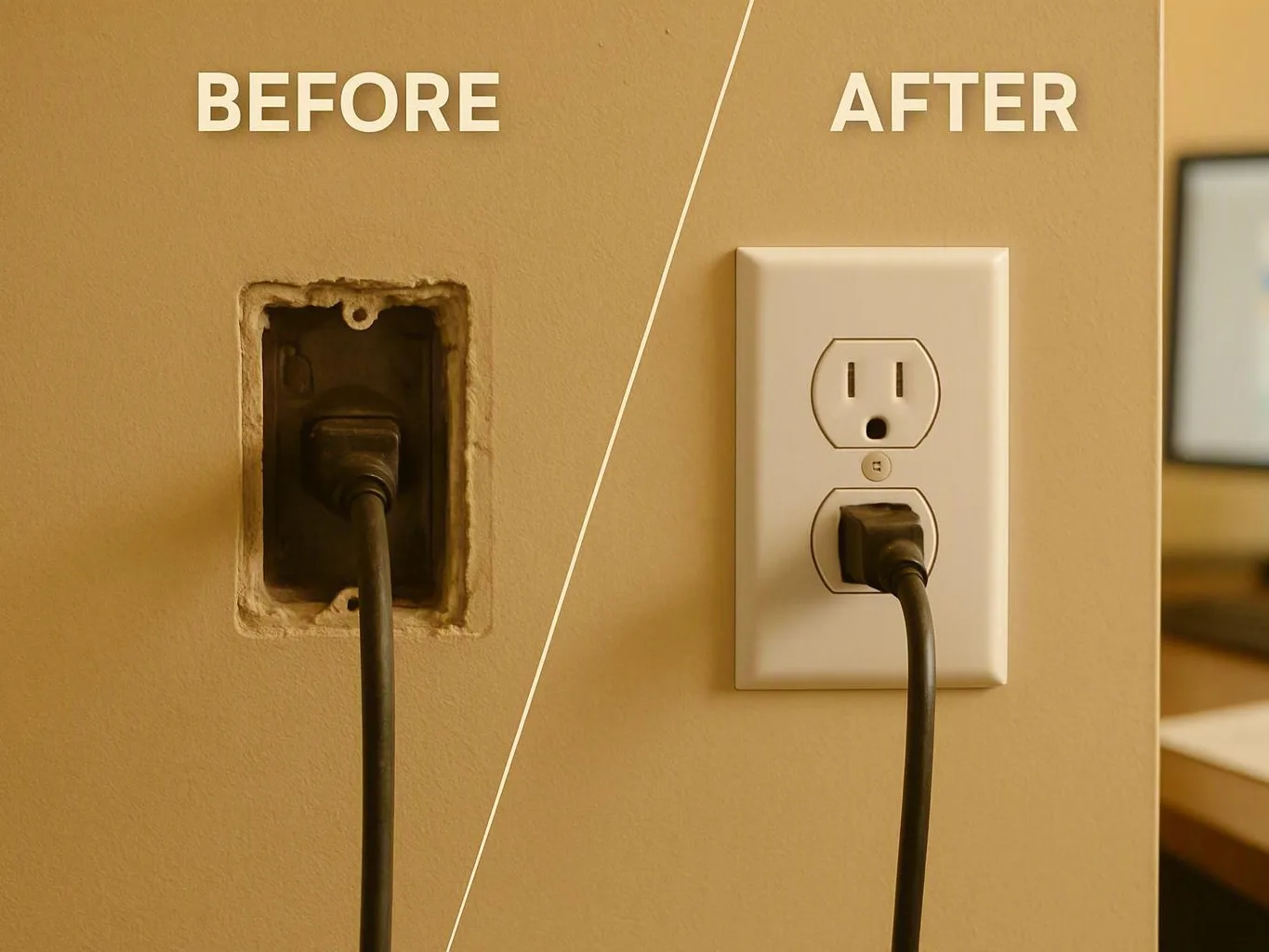
National Electrical Code, also called NFPA 70, is a model standard. The National Fire Protection Association publishes it. It provides detailed rules for electrical systems in homes, commercial buildings, industrial sites, and other structures. The rules address conductors, wiring methods, equipment, grounding, bonding, overcurrent protection, and safe clearances.
Related glossary terms: NFPA 70, Electrical Permit, Electrical Grounding.
The code is revised on a regular cycle. Electrical equipment, building methods, and safety knowledge change. NFPA develops the text through a public review process. The code doesn't become enforceable simply because NFPA publishes it. A state, county, city, or other authority must adopt an edition. They do this through law or regulation. The adopted edition, local amendments, and project conditions determine requirements.
How National Electrical Code Works, Is Measured, or Is Used?
Electrical work begins by identifying the building type, electrical service, circuits, and equipment. The team must also identify the adopted code edition. A designer.electrician then selects wire sizes, raceways, boxes, breakers, disconnects, and other equipment. Each item must meet the applicable rules. Load calculations help determine service and feeder capacity. Voltage, current, conductor length, and equipment ratings affect installation choices.
Inspectors and electricians check finished work against specific code requirements. They don't use one single pass-or-fail formula. Common checks include conductor ampacity, breaker compatibility, grounding and bonding paths, box fill, and working space. They also check protection in areas exposed to moisture. Ground-fault circuit interrupters help protect people from shock in designated locations. Arc-fault circuit interrupters address certain fire risks from unintended arcing. Product listings and maker instructions also matter. The code often requires equipment to be installed as listed.
Code compliance usually follows a workflow. Workers review plans or circuit details. They obtain permits when required. Installation then takes place. An inspection checks visible work. Hidden wiring may be hard to assess after walls close. Accurate planning and inspection before concealment can prevent costly corrections.
Why National Electrical Code Matters?
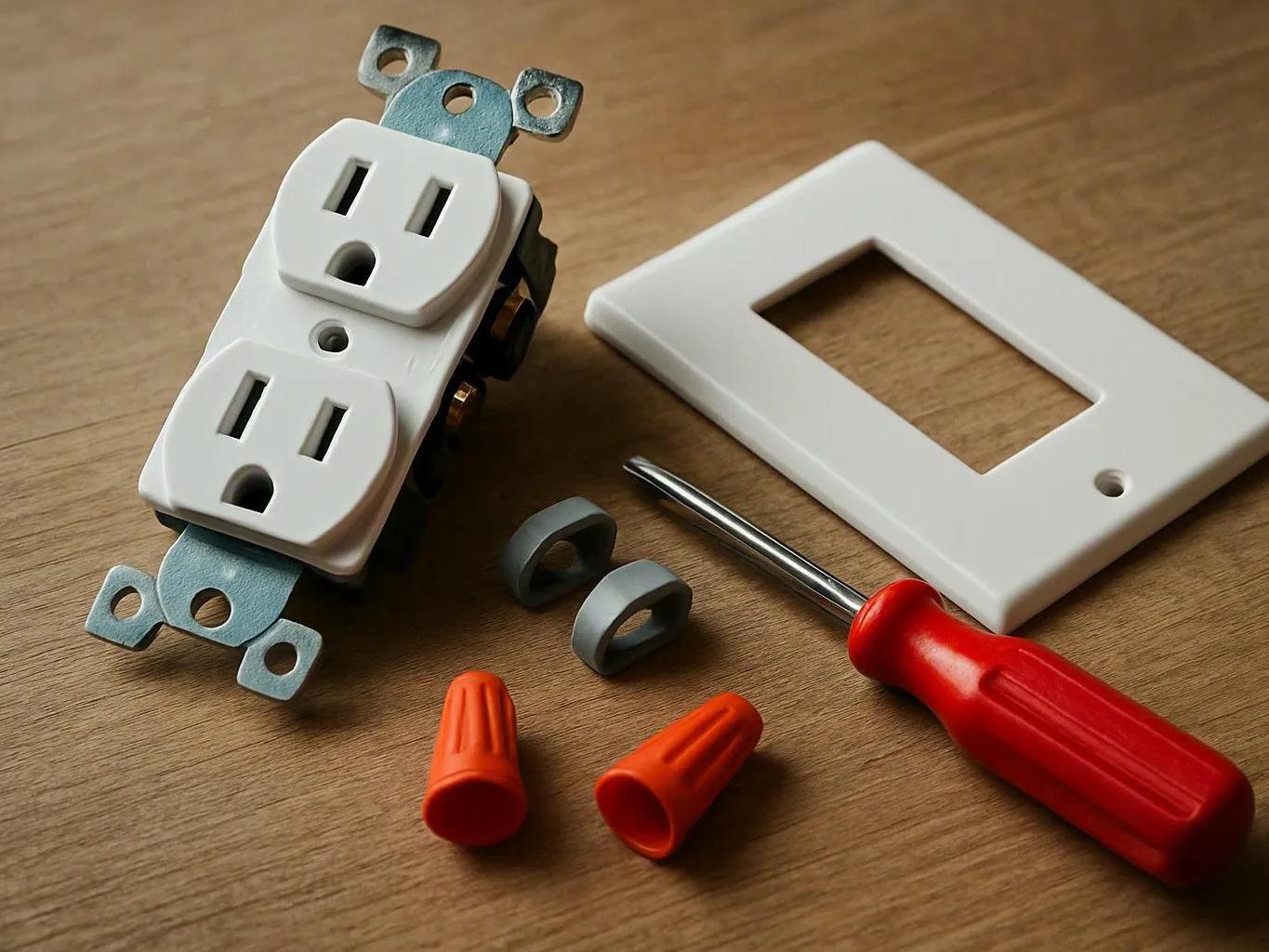
The code creates a common safety baseline for electrical work. Correct conductor sizing reduces overheating risk. Proper overcurrent protection helps limit damage during faults. Effective grounding and bonding help control dangerous voltage on metal parts. These rules also support reliable equipment operation. Examples include electric vehicle chargers, heat pumps, generators, and modern appliances.
Following the adopted code can reduce failed inspections, rework, equipment damage, and construction delays. Code compliance doesn't guarantee that an electrical system will never fail. It doesn't replace sound design or maintenance. It does provide measurable requirements. These requirements help owners, inspectors, and tradespeople assess installation quality.
When National Electrical Code Matters Most?
Code requirements become especially important during new construction, additions, remodels, and service changes. They also matter during panel work and high-demand equipment installation. A new appliance circuit may require a load review. It may need a dedicated branch circuit and correct overcurrent protection. It may also need a suitable disconnect. Work in garages, outdoors, kitchens, bathrooms, and crawl spaces may trigger added protection. Other special locations may also trigger extra wiring rules.
Before work begins, identify the authority having jurisdiction. Confirm the adopted edition, permit rules, and local amendments. Ask whether the project changes the service, adds load, or alters concealed wiring. Also ask whether it affects emergency systems. In Fort Wayne, Indiana, state and local rules can affect permit review and inspection. Check code questions against current authority requirements. Don't rely on an older book or online summary.
How to Evaluate National Electrical Code?
- Confirm which NFPA 70 edition and local amendments the authority having jurisdiction has adopted.
- Check conductor ampacity, breaker size, equipment ratings, and load calculations for the planned circuit.
- Verify grounding, bonding, working clearances, box fill, and required GFCI or AFCI protection.
- Ask whether permits, inspections, product listings, and manufacturer instructions apply to the project.
- Look for exposed damage, warm electrical equipment, repeated breaker trips, or missing covers before work proceeds.
Related Concepts Compared
National Electrical Code vs. NFPA 70
NFPA 70 is the formal publication number for the National Electrical Code. The two names generally refer to the same standard.
National Electrical Code vs. Local Electrical Code
A local electrical code is the enforceable set of rules adopted by a state or local authority. It may adopt a NFPA 70 edition and add local amendments.
National Electrical Code vs. Electrical Permit
An electrical permit is an authorization to perform certain work and arrange review. A permit does not replace the technical requirements in the adopted code.
National Electrical Code vs. Electrical Inspection
An electrical inspection is a review of installed work for compliance with applicable requirements. The inspection process uses the adopted code but is not the code itself.
Expert Note
The newest NFPA 70 edition may not be the edition enforced on your project. Verify the adopted edition before choosing equipment or closing walls. Especially when a remodel combines existing wiring with new circuits.
Common Mistakes or Myths About National Electrical Code
- Treating the newest NFPA 70 edition as automatically enforceable in every location.
- Assuming a permit replaces the need to follow equipment instructions and adopted code rules.
- Sizing a breaker from the appliance label alone without checking conductor ampacity and load conditions.
- Closing walls before required rough-in inspection or documentation is complete.
- Assuming an older installation must meet every rule in the current code edition.
National Electrical Code in Practice: A Real-World Example
A homeowner adds a 50-amp circuit for an electric range during a kitchen remodel. The work may need a load check, sized wires, listed gear, grounding, and code inspection. The exact rules depend on equipment instructions, the adopted code edition, and local amendments.
Sources & Further Reading on National Electrical Code
Related Terms
NFPA 70
NFPA 70 is the National Electrical Code, a widely adopted safety standard for designing, installing, and…
Electrical Permit
Electrical Permit is official approval from a government authority to install, alter, or extend electrical wiring…
Electrical Grounding
Electrical Grounding is a safety system that connects electrical equipment and circuits to the earth or…
Load Calculation
Load Calculation is the process of determining how much electrical power a building, panel, feeder, or…
Chris Miller Electric
Have Questions About National Electrical Code?
Contact Chris Miller Electric for practical guidance on National Electrical Code and related electrician work in Fort Wayne.