
What is a Conduit?
Conduit is a tube or raceway that protects and routes insulated electrical conductors. It may be made from metal, PVC, or other approved materials. Conduit helps shield wiring from impact, moisture, heat, chemicals, and sunlight. Electrical rules also govern conduit type, size, fittings, support, grounding, and the number of conductors inside.
Quick Facts About Conduit
Category
Electrical raceway
Used for
Protecting and routing electrical conductors
Common confusion
Conduit does not contain electrical conductors as a complete cable
Relevant standard
NFPA 70, National Electrical Code
Also called
Electrical raceway, Raceway
Often discussed with
Electrical Inspections, Commercial Electrical Wiring
Key Takeaways About Conduit
- Conduit protects conductors from damage, moisture, heat, chemicals, and sunlight.
- Metal and nonmetallic conduit meet different needs for sites, grounding, and installation.
- The raceway size must leave enough room for conductors and insulation.
- Fittings, bends, supports, and grounding methods affect a code-compliant installation.
- Conduit is not cable, which includes conductors and an outer covering.
Understanding Conduit
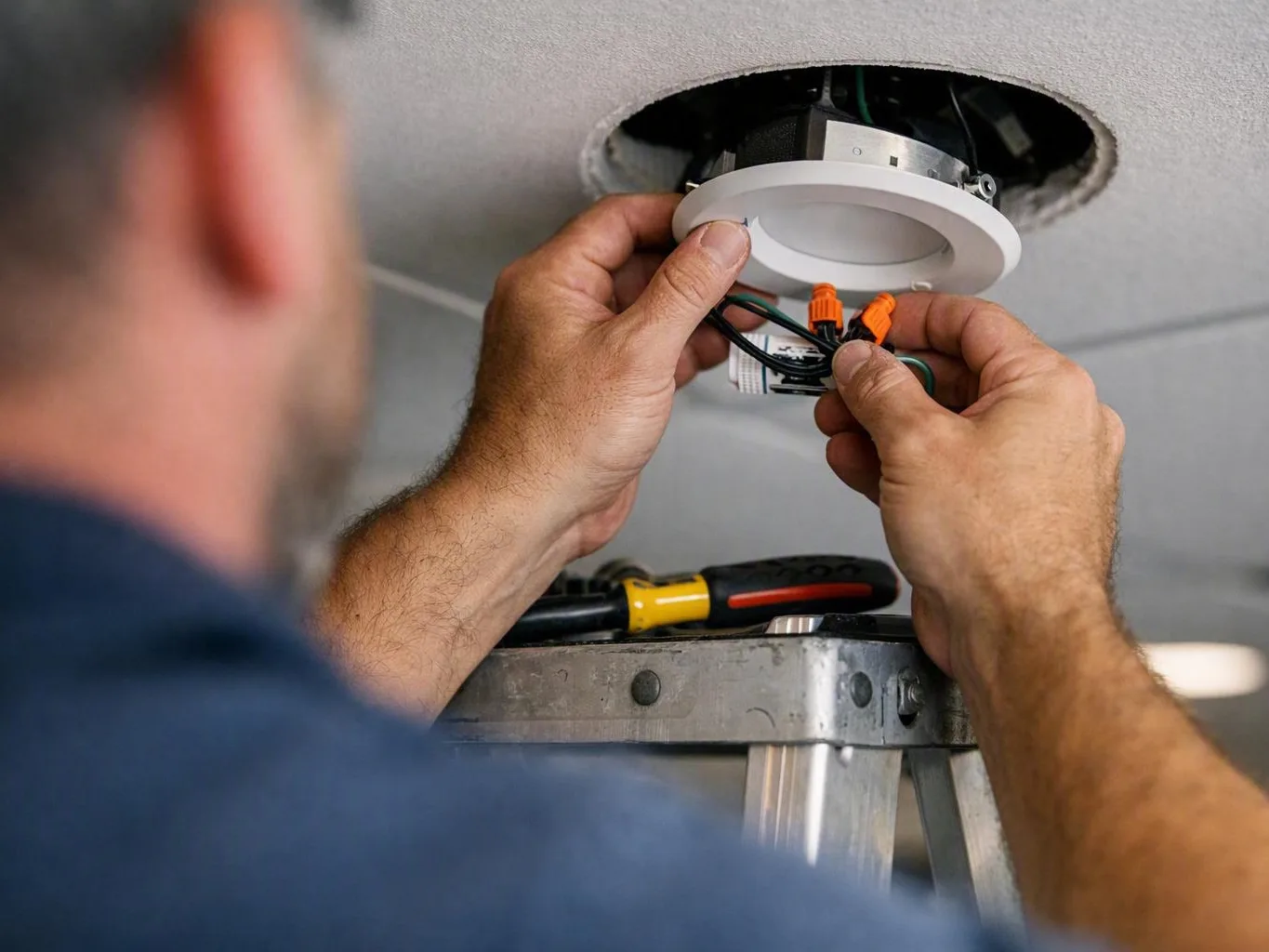
Conduit is a protective raceway that carries electrical conductors between two points. A raceway may be rigid or flexible. It may use metal or nonmetallic materials. The tube protects insulation from impact, abrasion, moisture, sunlight, heat, and some chemicals.
Related glossary terms: Electrical Grounding, National Electrical Code, NFPA 70.
Common types include electrical metallic tubing, rigid metal conduit, and intermediate metal conduit. Other types include flexible metal conduit and PVC conduit. Each type has limits for location, temperature, moisture, and physical exposure. Each type also has connection method limits.National Electrical Code sets rules for approved raceways, conductor fill, bend limits, support, and grounding.
How Conduit Works, Is Measured, or Is Used?
An electrician selects conduit based on the environment and the conductors inside it. A wet location may require raceways and fittings listed for moisture. An exposed area may need a stronger metal system. Fittings connect sections and protect conductor insulation at openings. They also maintain the raceway system’s rating.
Conduit size depends on conductor count, conductor size, and insulation type. It also depends on the rules.conductor fill. Installers also account for the number and angle of bends. Too many bends make wire pulling difficult. They may also damage insulation. A typical workflow includes planning the route and choosing the raceway. It also includes installing supports and pulling conductors. Workers then secure fittings and check continuity and grounding.
Why Conduit Matters?
Proper conduit can extend wiring life and reduce damage during construction. It can also reduce damage during maintenance or equipment operation. It makes conductors easier to identify, replace, or reroute in some installations. In commercial, industrial, and exposed residential work, a raceway provides protection. Open cable can't provide the same protection.
The wrong conduit system can create safety and inspection problems. An undersized raceway can crowd conductors and make pulling harder. Incompatible fittings can admit water or weaken mechanical protection. A complete installation must also address bonding, grounding, and box connections. It must protect conductors entering panels or equipment.
When Conduit Matters Most?
Conduit becomes especially important where wiring faces physical damage or moisture. It also helps with corrosive material, vehicles, machinery, or frequent changes. Garages, unfinished spaces, and outdoor equipment often require careful raceway selection. Commercial interiors and industrial areas may need it, too. The installation also matters during remodels. Existing routes may have limited space or hidden damage.
Before work begins, review the project drawings and local requirements. Also review the applicable edition.NFPA 70. Check the raceway marking, conductor ratings, and fitting approvals. Check support spacing and available box space, too. In Fort Wayne, Indiana, permit and inspection requirements can affect the acceptable method. The installed system should match the electrical design and local enforcement practices.
How to Evaluate Conduit?
- Confirm that the conduit type is listed for the location, moisture level, temperature, and exposure to physical damage.
- Check raceway size against conductor count, conductor size, insulation type, and applicable fill rules.
- Inspect bends and fittings for smooth conductor protection, secure connections, and no damaged threads or insulation.
- Verify that metal raceway bonding and grounding paths are continuous and connected to the electrical system.
- Look for proper supports, box entries, bushings, covers, and protection against water where required.
Related Concepts Compared
Conduit vs. Cable
Cable is a factory-assembled group of conductors with an outer jacket or covering. Conduit is a separate raceway that may contain individual conductors or cable.
Conduit vs. Romex
Romex is a common trade name for nonmetallic-sheathed cable. Unlike conduit, Romex already includes insulated conductors and a protective outer sheath.
Conduit vs. Electrical Box
An electrical box encloses wire connections, devices, or terminations. Conduit usually connects to the box and provides the path leading to it.
Conduit vs. BX Cable
BX cable is an armored cable assembly with conductors inside a flexible metal covering. Conduit is a raceway installed as a separate wiring method.
Expert Note
A conduit route that looks adequate can still fail during conductor pulling if it has too many bends, tight fittings, or insufficient box space. Plan pull points before installation, and protect conductor insulation at every entry.
Common Mistakes or Myths About Conduit
- Treating conduit as a substitute for grounding when the installation requires a separate grounding conductor.
- Filling a raceway beyond its permitted capacity.
- Using indoor-only fittings or raceway in wet, outdoor, or corrosive locations.
- Leaving sharp edges that can cut conductor insulation.
- Installing too many bends without a box or accessible pull point.
Conduit in Practice: A Real-World Example
A remodel adds a 240-volt circuit to a detached garage.electrician runs wires through PVC conduit underground, then uses aboveground raceway with listed fittings. The conduit protects wiring from soil moisture and accidental impact.
Sources & Further Reading on Conduit
Related Services
Related Terms
Electrical Grounding
Electrical Grounding is a safety system that connects electrical equipment and circuits to the earth or…
National Electrical Code
National Electrical Code is a safety standard for electrical design, installation, and inspection in homes, buildings…
NFPA 70
NFPA 70 is the National Electrical Code, a widely adopted safety standard for designing, installing, and…
Wire Gauge
Wire Gauge is a numbered system that identifies the diameter and current-carrying capacity of electrical wire…
Chris Miller Electric
Have Questions About Conduit?
Contact Chris Miller Electric for practical guidance on Conduit and related electrician work in Fort Wayne.