What is NFPA 70?
NFPA 70 is the National Electrical Code, a widely adopted safety standard for designing, installing, and inspecting electrical systems. The National Fire Protection Association publishes NFPA 70 and updates it on a regular cycle. Local and state authorities may adopt the code with changes. So the enforceable rules depend on the adopted edition.
Quick Facts About NFPA 70
Category
Electrical safety code
Used for
Electrical design, installation, and inspection
Published by
National Fire Protection Association
Common confusion
NFPA 70 is not automatically law everywhere
Also called
National Electrical Code, NEC
Often discussed with
Electrical Inspections, Electrical Code Corrections
Key Takeaways About NFPA 70
- NFPA 70 sets minimum safety rules for electrical work, equipment, wiring methods, and protection.
- The National Fire Protection Association publishes new editions, normally on a three-year cycle.
- Local authorities choose whether to adopt NFPA 70 and change its requirements.
- The code covers installation work, not every design, upkeep, or product safety question.
- Permits and inspections often use the locally adopted NFPA 70 edition as a guide.
Understanding NFPA 70
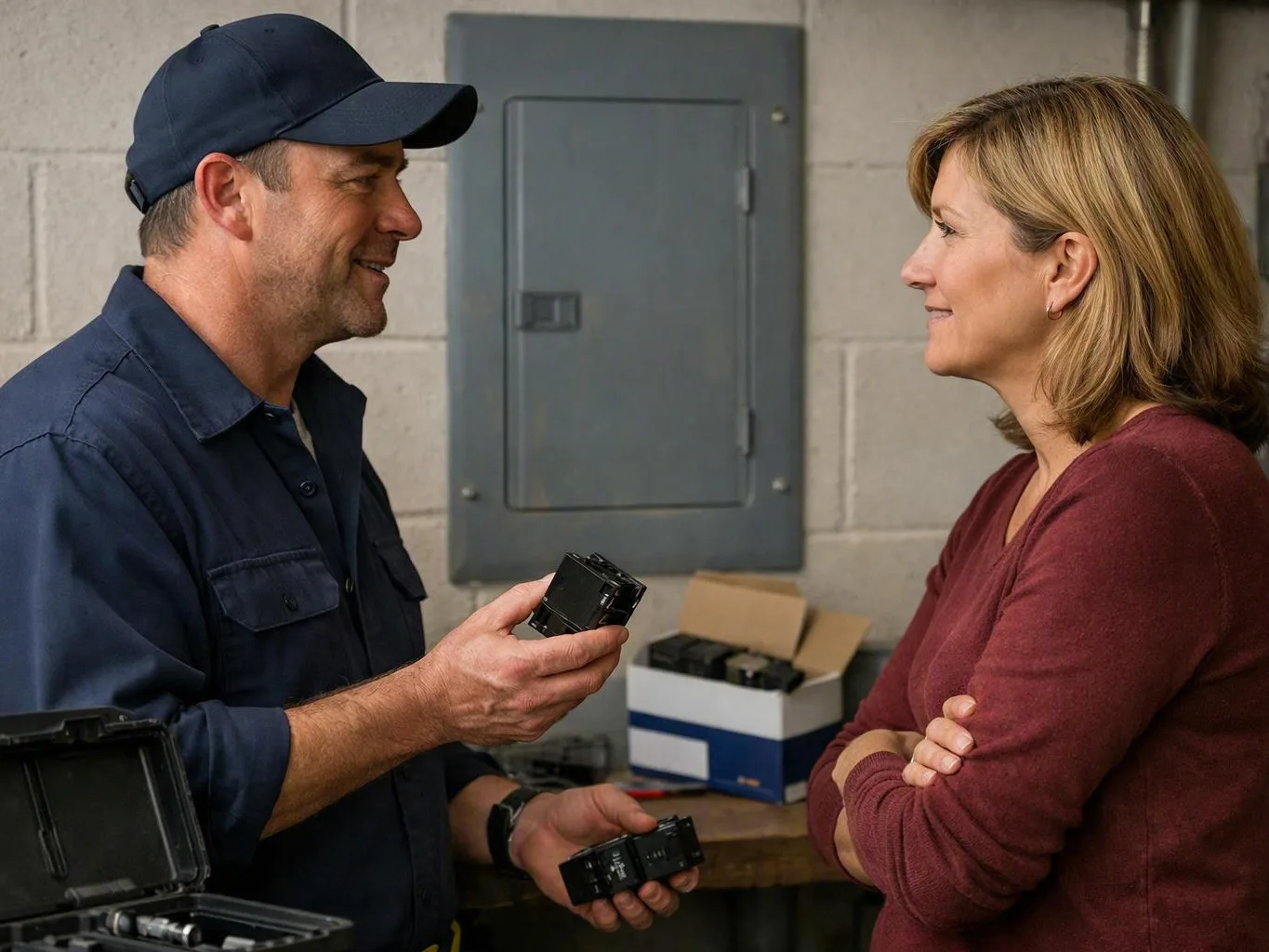
NFPA 70, known as the National Electrical Code or NEC, provides minimum rules for safe electrical installations. The code addresses conductors, raceways, overcurrent protection, grounding, bonding, equipment, and many special locations. Its main goal is to reduce electrical shock, fire, and property damage risks. It does this through consistent installation practices.
Related glossary terms: National Electrical Code, Electrical Permit, Electrical Grounding.
The National Fire Protection Association publishes NFPA 70. It revises the code through a formal review process. A new edition doesn't automatically become enforceable in every location. A state, city, or other authority must adopt an edition through its legal process. That authority may add amendments or exceptions.
How NFPA 70 Works, Is Measured, or Is Used?
Electricians, engineers, inspectors, and officials use NFPA 70 as a reference. They use it during planning, installation, and review. A project starts with the electrical load, equipment type, building use, and site conditions. The applicable code articles then guide choices such.wire gauge, circuit breaker size, grounding method, and wiring method.
Compliance is checked against the edition adopted for the project location and permit date. Local rules may specify another basis. Inspectors may review conductor sizes, box fill, working space, labeling, grounding and bonding, and protection from overloads or ground faults. The code sets minimum requirements. Equipment instructions, engineering documents, and local amendments can require more.
- Confirm the adopted edition before design or installation begins.
- Identify local amendments that change a national requirement.
- Match equipment ratings, conductor ampacity, and overcurrent protection.
- Document required inspections, tests, and correction work.
Why NFPA 70 Matters?

Following NFPA 70 helps create predictable electrical work across homes, commercial buildings, and industrial sites. Correct application can reduce conditions that lead to overheating, arcing, shock, or equipment failure. The code also gives inspectors and project teams a shared technical reference. They use it when evaluating an installation.
Code compliance does not prove that an entire electrical system is safe or well designed. NFPA 70 does not replace product listings, manufacturer instructions, structural requirements, fire codes, or good maintenance practices. A system can meet the adopted code and still need repairs. Causes may include age, damage, corrosion, poor workmanship, or a later change in use.
When NFPA 70 Matters Most?
NFPA 70 becomes especially relevant during new construction, remodeling, service upgrades, panel changes, and additions of high-load equipment. Examples include electric vehicle chargers, heat pumps, generators, welders, and commercial machinery. These projects can change calculated loads or require new circuits. They can also trigger rules.dedicated circuits, disconnects, clearances, and ground-fault circuit interrupters.
Code questions also arise after failed inspections, recurring breaker trips, electrical damage, or changes to a building's occupancy. Before work begins, verify the local adoption date, permit requirements, and any amendments that apply in Fort Wayne or the surrounding jurisdiction. A written correction list should identify the code issue and the proposed fix. It should also identify any inspection or testing needed after the repair.
How to Evaluate NFPA 70?
- Which NFPA 70 edition has the local authority adopted for this project?
- Do conductor ampacity, breaker ratings, and equipment terminals match?
- Are grounding, bonding, disconnects, working clearances, and labeling present?
- Does the installation follow manufacturer instructions and local amendments?
- Has the required permit and inspection process been completed?
Related Concepts Compared
NFPA 70 vs. National Electrical Code
National Electrical Code is the common name for NFPA 70. The two terms generally refer to the same publication.
NFPA 70 vs. Electrical Permit
An electrical permit is an approval process managed by a government authority. NFPA 70 supplies technical requirements that inspectors may use during that process.
NFPA 70 vs. Electrical Grounding
Electrical grounding is one subject covered by NFPA 70. Grounding connects parts of an electrical system to earth or a grounding path, while NFPA 70 covers the broader installation.
NFPA 70 vs. NFPA 70E
NFPA 70E focuses on electrical safety in the workplace, such as shock and arc-flash risk during work. NFPA 70 focuses mainly on electrical installation requirements.
Expert Note
A code-compliant installation must be judged against the edition adopted by the local authority, not simply the newest edition available. Check amendments and permit dates before selecting wiring methods or equipment, because local rules can change the result.
Common Mistakes or Myths About NFPA 70
- Assuming the newest NFPA 70 edition automatically applies in every city or state.
- Treating NFPA 70 as a complete substitute for local amendments and permit rules.
- Sizing a breaker without checking conductor ampacity, terminal ratings, and equipment instructions.
- Ignoring grounding, bonding, working space, or disconnect requirements.
- Assuming an existing installation is safe simply because it once passed an inspection.
NFPA 70 in Practice: A Real-World Example
A homeowner adds an electric vehicle charger to a garage. The electrician checks load, circuit, protection, disconnect, wiring, and inspection under the locally adopted NFPA 70 edition.
Sources & Further Reading on NFPA 70
Related Terms
National Electrical Code
National Electrical Code is a safety standard for electrical design, installation, and inspection in homes, buildings…
Electrical Permit
Electrical Permit is official approval from a government authority to install, alter, or extend electrical wiring…
Electrical Grounding
Electrical Grounding is a safety system that connects electrical equipment and circuits to the earth or…
Load Calculation
Load Calculation is the process of determining how much electrical power a building, panel, feeder, or…
Chris Miller Electric
Have Questions About NFPA 70?
Contact Chris Miller Electric for practical guidance on NFPA 70 and related electrician work in Fort Wayne.