
What is a Bonding?
Bonding is the intentional connection of metal parts so they share the same electrical potential and provide a low-resistance path for fault current. In electrical systems, bonding connects equipment enclosures, metal raceways, water pipes, and other conductive parts to the grounding system, helping protective devices operate during a fault.
Quick Facts About Bonding
Category
Electrical safety method
Used for
Connecting conductive equipment and metal systems
Common confusion
Bonding is not the same as grounding
Relevant standard
NFPA 70, National Electrical Code
Also called
Electrical bonding, Equipotential bonding
Often discussed with
Electrical Inspections, Electrical Code Corrections
Key Takeaways About Bonding
- Bonding joins conductive metal parts so dangerous voltage differences do not develop.
- A bonding path must be continuous, secure, and capable of carrying fault current.
- Bonding differs from grounding, although both work together in electrical safety.
- Loose connections, paint, corrosion, and missing jumpers can weaken a bonding path.
Understanding Bonding
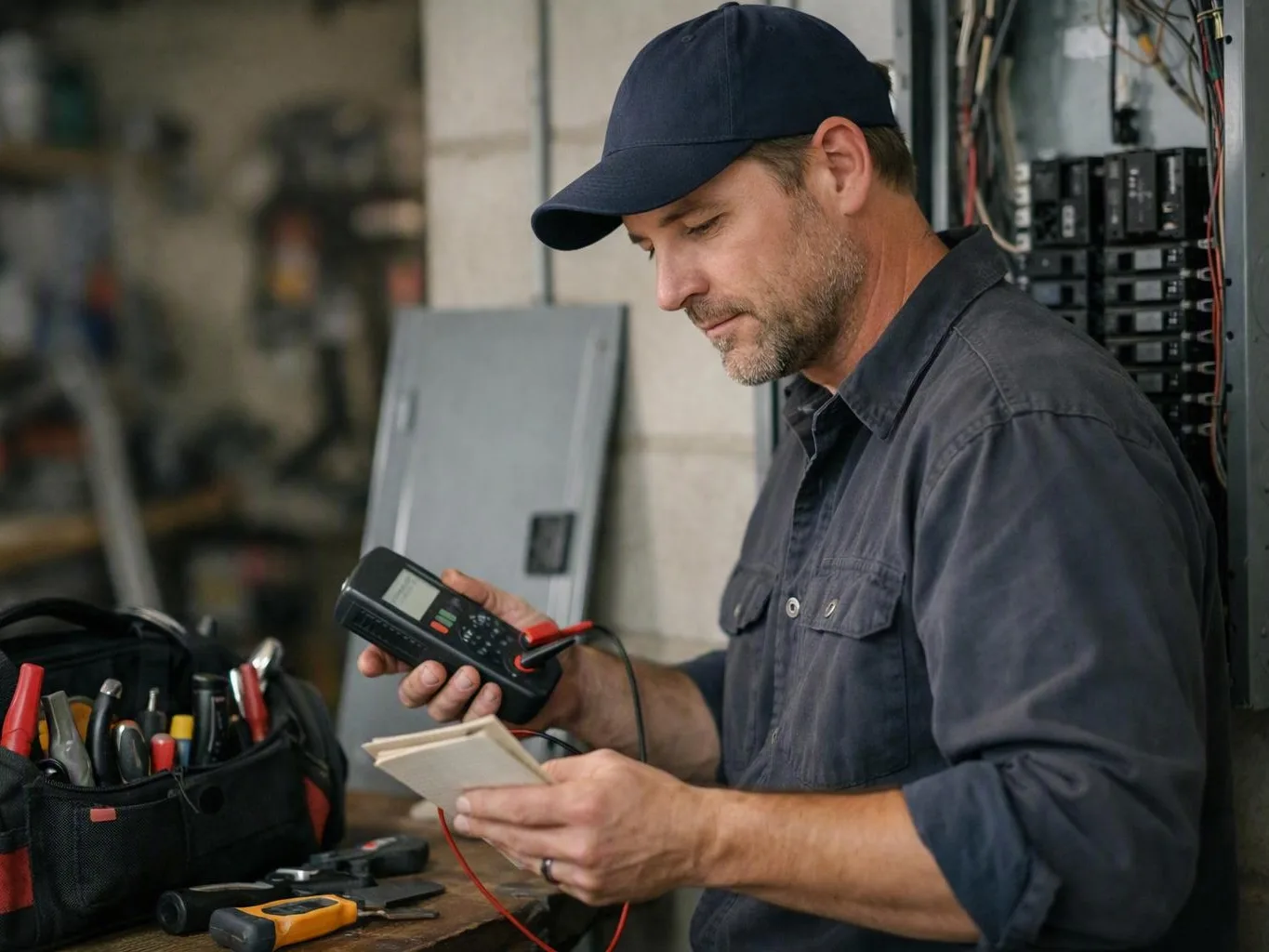
Bonding is the planned connection of conductive parts in an electrical installation. These parts may include metal enclosures, racewayscable armor, equipment grounding conductors, and metal piping. These connections keep bonded parts at nearly the same electrical potential during faults.
Related glossary terms: Electrical Grounding, Continuity Test, National Electrical Code.
Bonding doesn't normally carry current during normal operation. Its purpose appears during an abnormal event. This event may involve a hot wire touching a metal panel. A low-resistance fault-current path lets current return to the source. This can help a circuit breaker or fuse open the circuit quickly. Bonding also helps reduce shock risk from voltage differences. These differences can occur between nearby metal surfaces.
How Bonding Works, Is Measured, or Is Used?
An electrician creates a bonding path with approved conductors, bonding screws, listed clamps, bonding jumpers, or other allowed methods. The path must stay electrically continuous across removable covers, hinged sections, raceway joints, and equipment connections. Paint, rust, loose hardware, or an incorrect fitting can interrupt that path.
Testing focuses on continuity and resistance between bonded metal parts. A continuity test shows whether a conductive path exists. A low-resistance measurement gives more useful information about connection quality. The exact result depends on the installation, conductor size, equipment, and code rules. A standard multimeter may find an open path. Specialized instruments may be needed for precise low-resistance testing.
Bonding often works with the grounding electrode system and the equipment grounding conductor. The grounding electrode system connects the electrical system to earth. It supports voltage stability and helps manage lightning effects. The equipment grounding conductor provides a fault-current path back to the source. Bonding connects conductive parts to that path. It doesn't treat each metal part as an isolated object.
Why Bonding Matters?
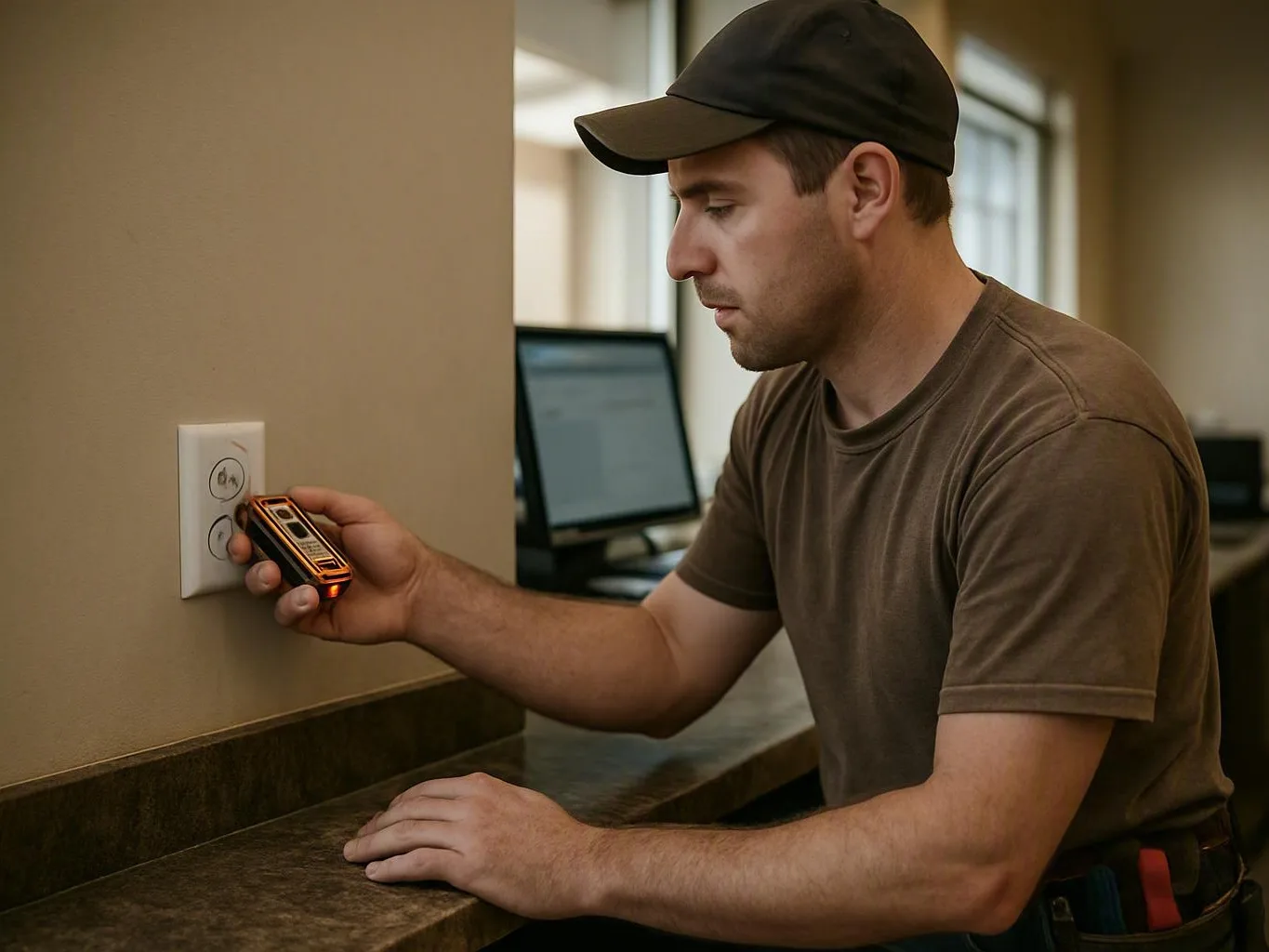
Effective bonding helps protective devices respond to faults. It helps prevent energized metal from staying in place. For example, insulation may fail inside a metal junction box. Bonding can direct fault current through the equipment grounding path. The resulting current may trip the breaker. This action removes power from the damaged circuit.
Bonding also supports reliable operation of ground-fault circuit interrupters and other protective equipment. It can't replace a GFCI, correct wiring, or proper grounding. Each part addresses a different hazard. An installation may need several protective measures at the same time.
When Bonding Matters Most?
Bonding needs close attention during new construction, panel changes, service work, remodeling, and equipment installation. It becomes especially important when a project adds metal raceway, a subpanel, a generator, a HVAC system, or connected metal piping. Changes can create new conductive paths. These paths require inspection and proper connection.
Bonding also matters after electrical damage, corrosion, overheating, or repeated breaker trips. A qualified evaluation should check for missing bonding jumpers, loose terminals, undersized conductors, incompatible clamps, and connections through painted surfaces. Work that affects service equipment or the grounding and bonding system must follow the adopted electrical code. It must also follow local inspection requirements.
How to Evaluate Bonding?
- Check whether metal enclosures, raceways, and equipment have a continuous connection to the equipment grounding path.
- Look for loose lugs, corrosion, paint under bonding points, damaged jumpers, or unlisted clamps.
- Confirm that bonding conductors match the equipment and installation requirements under the adopted electrical code.
- Use continuity testing for an open-path check and low-resistance testing when connection quality requires closer review.
- Ask whether panel, service, generator, and subpanel work preserved the correct neutral-to-ground arrangement.
Related Concepts Compared
Bonding vs. Electrical Grounding
Grounding connects an electrical system or equipment to earth or a grounding point. Bonding connects conductive parts together so they remain at a similar electrical potential and provide a fault-current path.
Bonding vs. Grounding Electrode
A grounding electrode is a conductive object, such as a ground rod or metal water pipe, that connects an electrical system to earth. It is one part of the grounding and bonding system.
Bonding vs. Continuity Test
A continuity test checks whether an electrical path is complete. Bonding is the physical connection that creates the path being tested.
Expert Note
A bonding path can look intact and still fail under fault conditions. Paint, corrosion, loose locknuts, or a missing jumper may add resistance where metal parts meet. Inspectors and electricians check the connection method, conductor sizing, continuity, and the system configuration together.
Common Mistakes or Myths About Bonding
- Treating a ground rod as a substitute for bonding metal equipment.
- Assuming a metal raceway is bonded when a loose fitting interrupts continuity.
- Leaving paint or corrosion between a bonding terminal and the metal surface.
- Connecting a neutral and equipment grounding conductor together in the wrong panel.
- Using an ordinary screw or clamp that is not listed for bonding.
Bonding in Practice: A Real-World Example
A metal junction box contains a damaged conductor whose insulation has failed against the box. A properly bonded box sends fault current back through the equipment grounding path. Allowing the breaker to open instead of leaving the box energized. A loose bonding screw could prevent that protective action.
Sources & Further Reading on Bonding
Related Terms
Electrical Grounding
Electrical Grounding is a safety system that connects electrical equipment and circuits to the earth or…
Continuity Test
Continuity Test is an electrical check that determines whether a complete conductive path exists between two…
National Electrical Code
National Electrical Code is a safety standard for electrical design, installation, and inspection in homes, buildings…
NFPA 70
NFPA 70 is the National Electrical Code, a widely adopted safety standard for designing, installing, and…
Chris Miller Electric
Have Questions About Bonding?
Contact Chris Miller Electric for practical guidance on Bonding and related electrician work in Fort Wayne.