Skip to content

Backup Generator Installation in Zanesville, Indiana

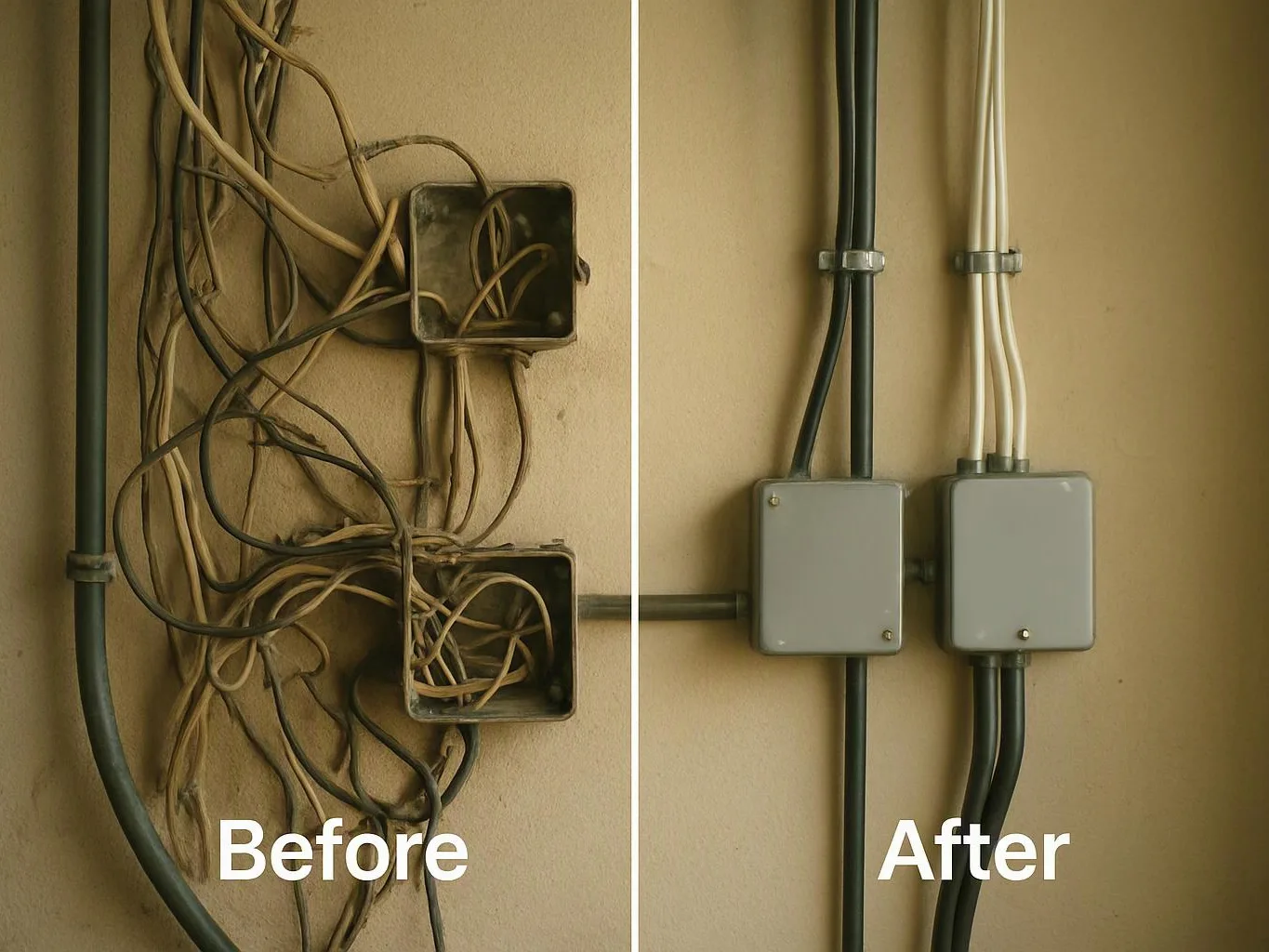
A utility disconnect helps prevent unsafe backfeed during an outage in Zanesville. We connect standby equipment to the home’s electrical system with careful testing.

Licensed & InsuredWarranty AvailableSame-Day ServiceUpfront, Transparent Pricing

Quick Summary: standby generator installation in Zanesville, Indiana

Backup Generator Installation in Zanesville is provided by Chris Miller Electric for homes and businesses across Fort Wayne, New Haven, Leo-Cedarville, Huntertown, and nearby Allen County communities. The service covers generator connections, transfer equipment, wiring, grounding, and testing.

  • What we do: Chris Miller Electric provides Backup Generator Installation for residential and commercial properties in Zanesville, Indiana.
  • What is included: Key capabilities include generator connections, transfer equipment, service conductors, grounding, control wiring, testing, and code-compliant electrical improvements.
  • What you get: The property receives a properly connected standby power system with its key electrical parts checked.

Why does a standby generator need a utility disconnect?

A utility disconnect separates the property from utility power before generator power feeds the electrical system. This prevents backfeed and helps protect people working on utility lines. Chris Miller Electric checks the disconnect, transfer equipment, grounding, and control wiring as part of the installation.
Backup Generator Installation for Zanesville properties

Backup generator installation connects a standby generator to selected parts of a property’s electrical system. The job suits homeowners, landlords, and businesses that need a planned source of power during an outage.

The key decision is how the generator will connect and which circuits it will serve. We review the service panel, load needs, transfer equipment, and available installation space before explaining the work.

This page focuses on the connection between the generator and the property. It does not replace generator repair, fuel-system work, or routine maintenance. Those needs call for a different service scope.

  • Confirm which home or business circuits need standby power.
  • Check the service panel and available connection points.
  • Review transfer equipment and control wiring.
  • Plan grounding and conductor connections.
  • Test the completed electrical connection.
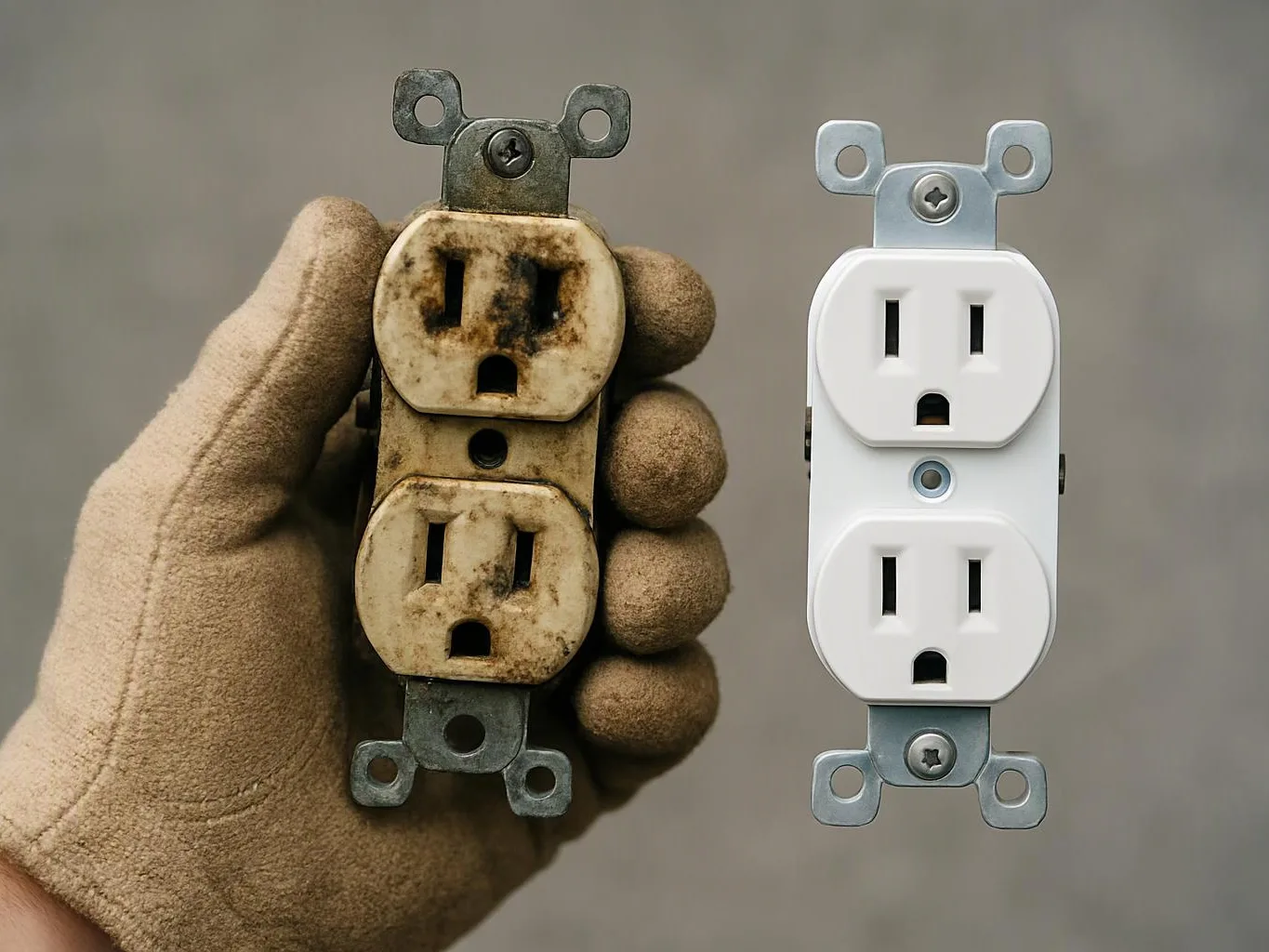
A gloved hand holds a stained, worn electrical outlet beside a clean white replacement outlet on a gray background

Service Overview

Backup Generator Installation is an electrical service that connects standby power equipment to a home or business.

  • Generator installation differs from generator repair because it builds and tests the connection before the system is used.
  • Chris Miller Electric provides this service in Zanesville and nearby Allen County communities.

What standby generator installation includes

Chris Miller Electric provides comprehensive Backup Generator Installation in Zanesville. Here's what you get:

  • We review the property’s electrical layout and the circuits that need backup power.
  • We connect the generator through suitable transfer equipment.
  • We install or connect service conductors between the generator and electrical system.
  • We check the grounding connection and grounding electrode.
  • We connect control wiring between the generator and transfer equipment.
  • We test the system after the electrical work is complete.

What a properly connected standby system changes

A planned connection helps keep utility power and generator power separated.

Transfer equipment gives the system a controlled path between power sources.

Circuit planning helps direct backup power to the property’s most important loads.

Grounding checks support safer operation of the connected electrical system.

Testing gives you a better view of how the system is wired before an outage occurs.

A client scenario this service addresses

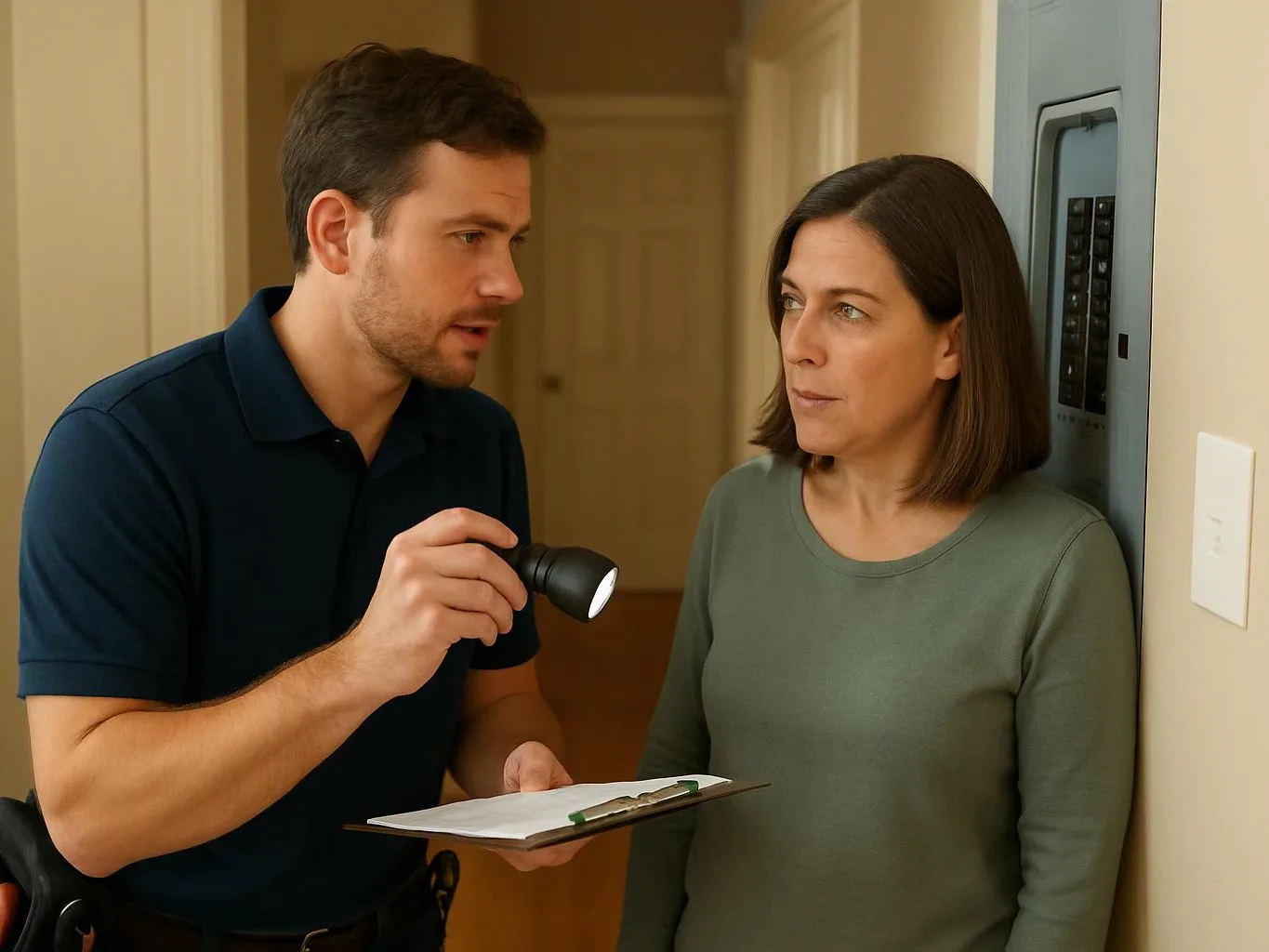
A typical property may need a generator connection that supports selected circuits instead of the entire electrical load. We identify the service panel connection, check transfer equipment, trace control wiring, and test grounding before discussing the final work scope.

What this installation decision covers

Choose the circuits that need backup

The first decision is which circuits the generator should support. We review the panel and load needs so the connection matches the property. A generator installation is the wrong service when the immediate problem is a failed generator that needs repair.

Separate utility and generator power

Transfer equipment controls how power moves into the property. We inspect the connection points and test the system so the two power sources do not feed the same conductors at once.

Match the wiring to the property

Service conductors, grounding, and control wiring must work together. We explain the parts involved and identify any electrical improvements needed before the system is put into service.

Process

How we connect a standby generator

1

Review the electrical service

We inspect the service panel, identify the circuits that need backup power, and review the planned generator connection.

2

Plan the transfer connection

The decision is how utility power and generator power will be separated. We select the transfer equipment location and map the connection path.

3

Connect conductors and controls

We connect service conductors, grounding, and control wiring according to the planned electrical layout.

4

Test the completed system

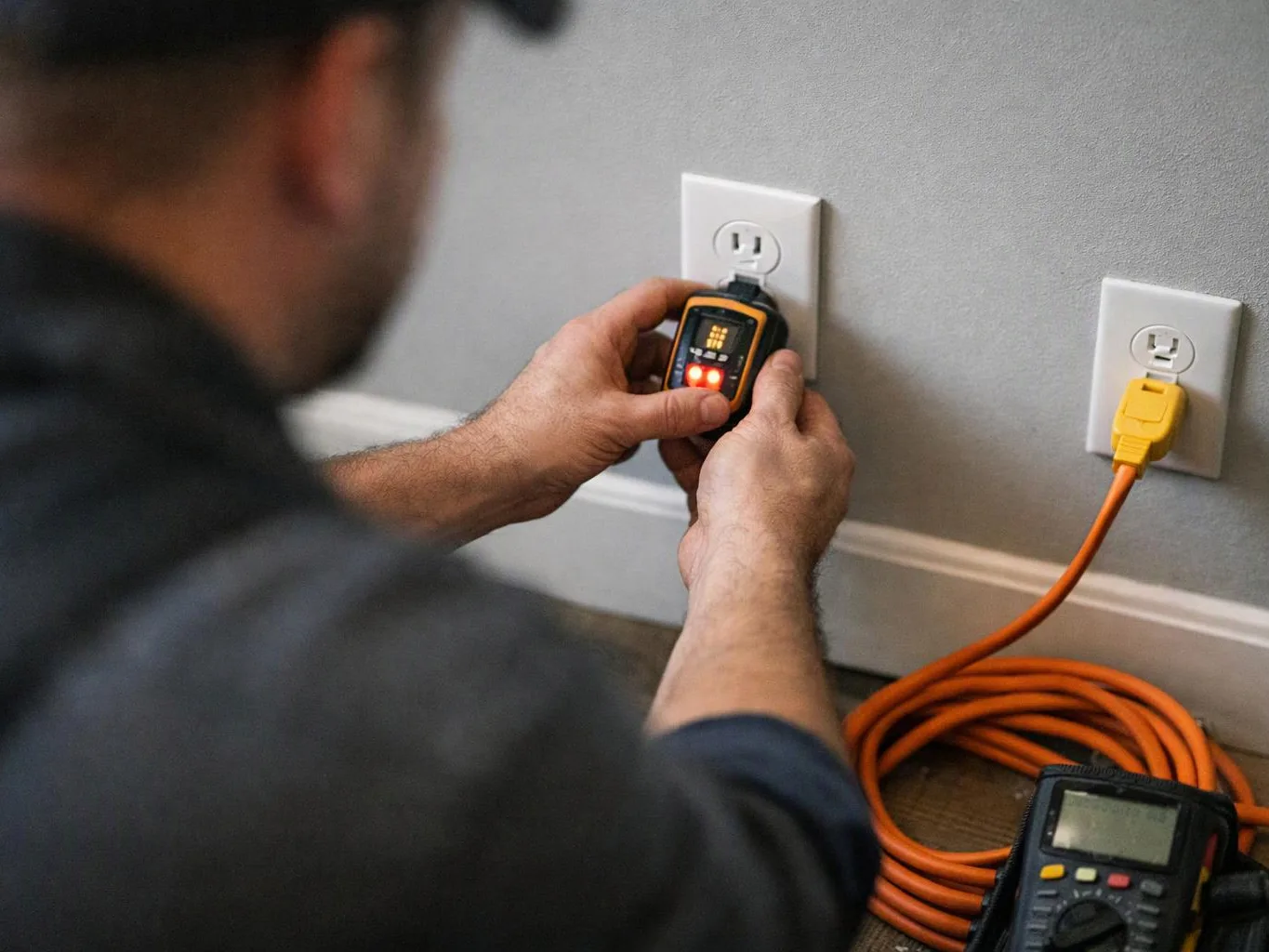
We check the connections, verify the grounding path, and test the transfer operation before explaining the finished work.

Backup power connection choices

The connection approach depends on the circuits the property needs to support.

Connection choiceWhat it supportsMain decision
Selected-circuit connectionSpecific home or business circuitsWhich loads receive backup power
Broader service connectionA wider group of property circuitsWhether the electrical service and generator support the planned load

The Chris Miller Electric Standard

  • Any-Hour Service
  • Urgent Requests
  • Troubleshooting Repairs
  • Electrician Support

Questions about connecting a standby generator

How is a standby generator connected to a home?

Utility disconnect equipment separates generator power from utility power before the system feeds the home. Chris Miller Electric then connects transfer equipment, service conductors, grounding, and control wiring. We test the connection after installation so the system’s main electrical parts work together.

What does the crew look at first during installation?

The service panel and intended backup circuits come first. We check the available connection points, the electrical load, conductor routing, and the location for transfer equipment. That review helps determine whether the planned generator connection fits the property.

Who is a good fit for standby generator installation?

Homeowners and businesses that need planned backup power are good fits for this service. We review the property’s circuits, panel, grounding, and generator connection needs. A failed generator, fuel issue, or control fault needs generator repair instead of a new installation.

What happens at each stage of the installation?

The work moves from electrical review to connection planning, wiring, and system testing. We inspect the service panel, plan transfer equipment, connect conductors and controls, then verify grounding and transfer operation. We explain the completed connection after testing.

Which part changes the installation quote the most?

The electrical layout and required backup circuits have a major effect on the quote. Conductor routing, transfer equipment, grounding work, and control wiring also shape the scope. We assess those parts on site before giving a project quote.

When should I request a generator connection assessment?

A connection assessment makes sense before buying equipment or when an existing setup has unclear wiring. We check the service panel, transfer equipment, grounding, and controls before the installation plan is set. This helps match the work to the property’s actual electrical needs.

Why is grounding checked during generator installation?

Grounding is checked because the generator and property electrical system need a safe grounding path. We inspect the grounding electrode and related connections as part of the installation. We also test the completed system before describing the work as finished.
Contact

Request a backup generator installation quote in Zanesville

Ask Chris Miller Electric for an installation assessment and quote, and urgent requests get priority scheduling.

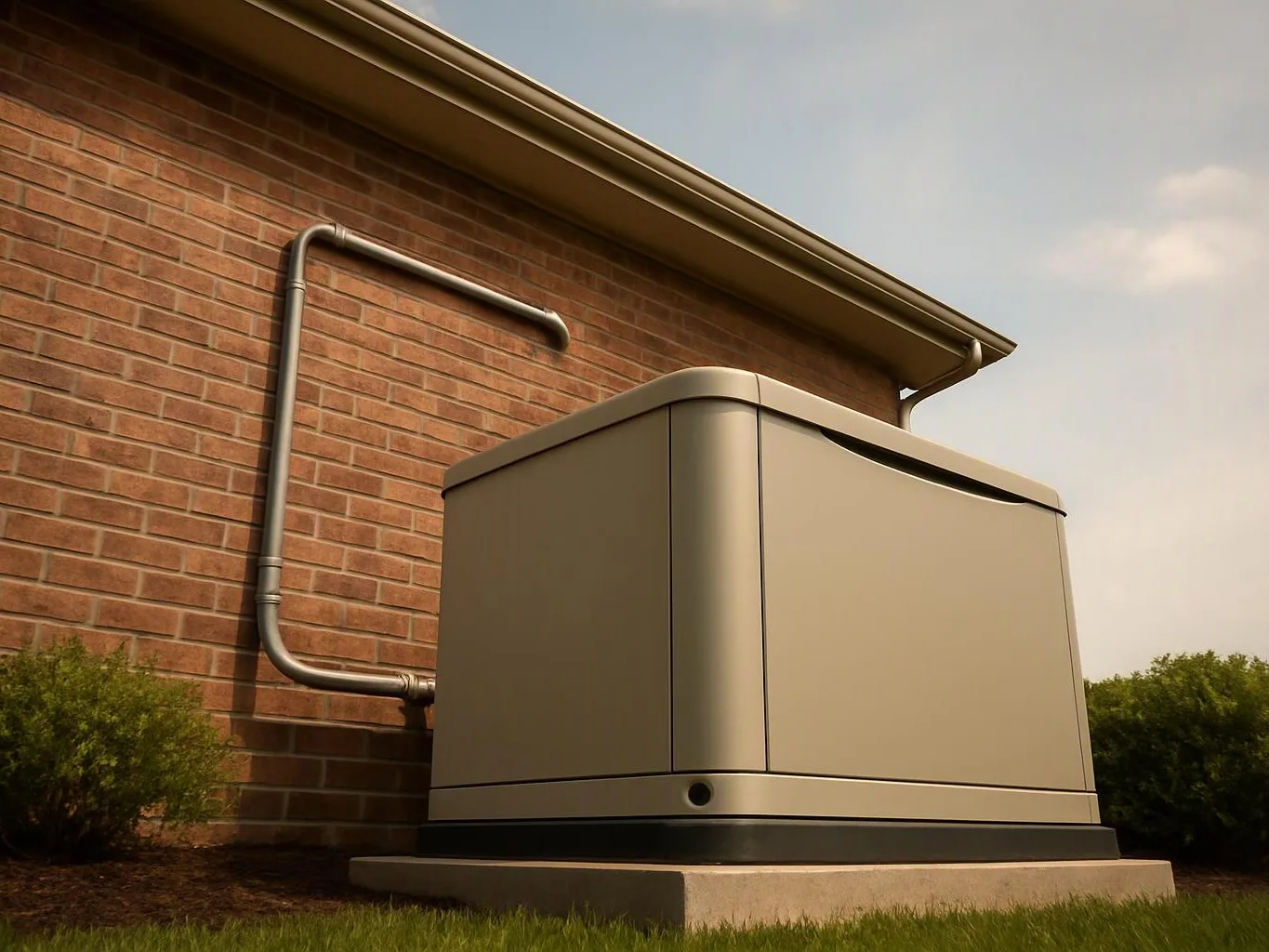
A beige outdoor generator sits beside a brick house, with a metal pipe running up the wall

ZIP Codes We Serve in Zanesville, Indiana

46799

Backup Generator Installation in Other Areas

(260) 305-8344