How can an electrician repair a sparking outlet safely?
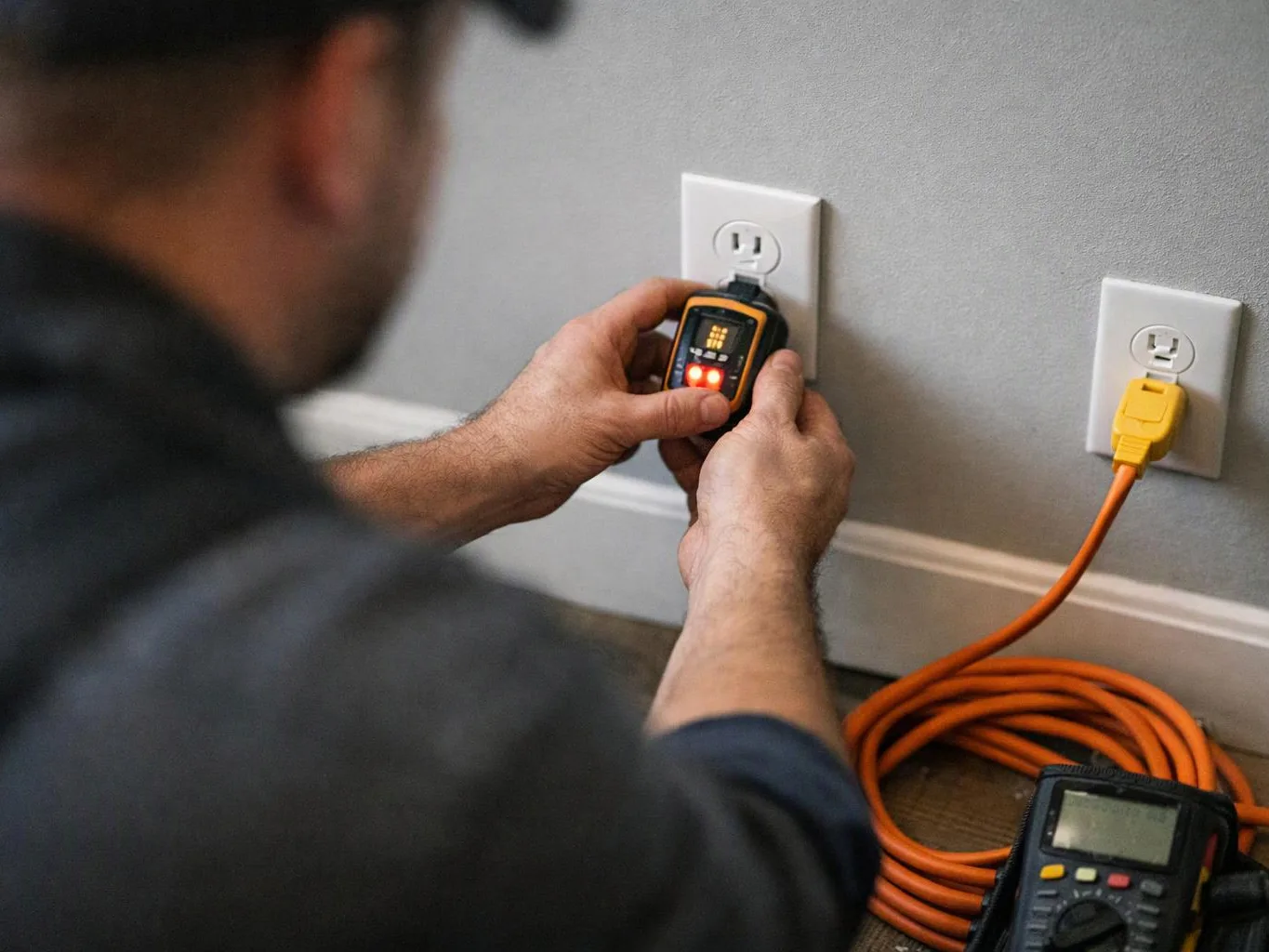
Arc faults need safe isolation before Chris Miller Electric repairs a sparking outlet. We shut off and verify the circuit, inspect the receptacle and wire insulation, replace damaged parts, and test the circuit. A damaged box, loose connection, or wider branch fault can require added repair work.
What should I do before electrical repair begins?
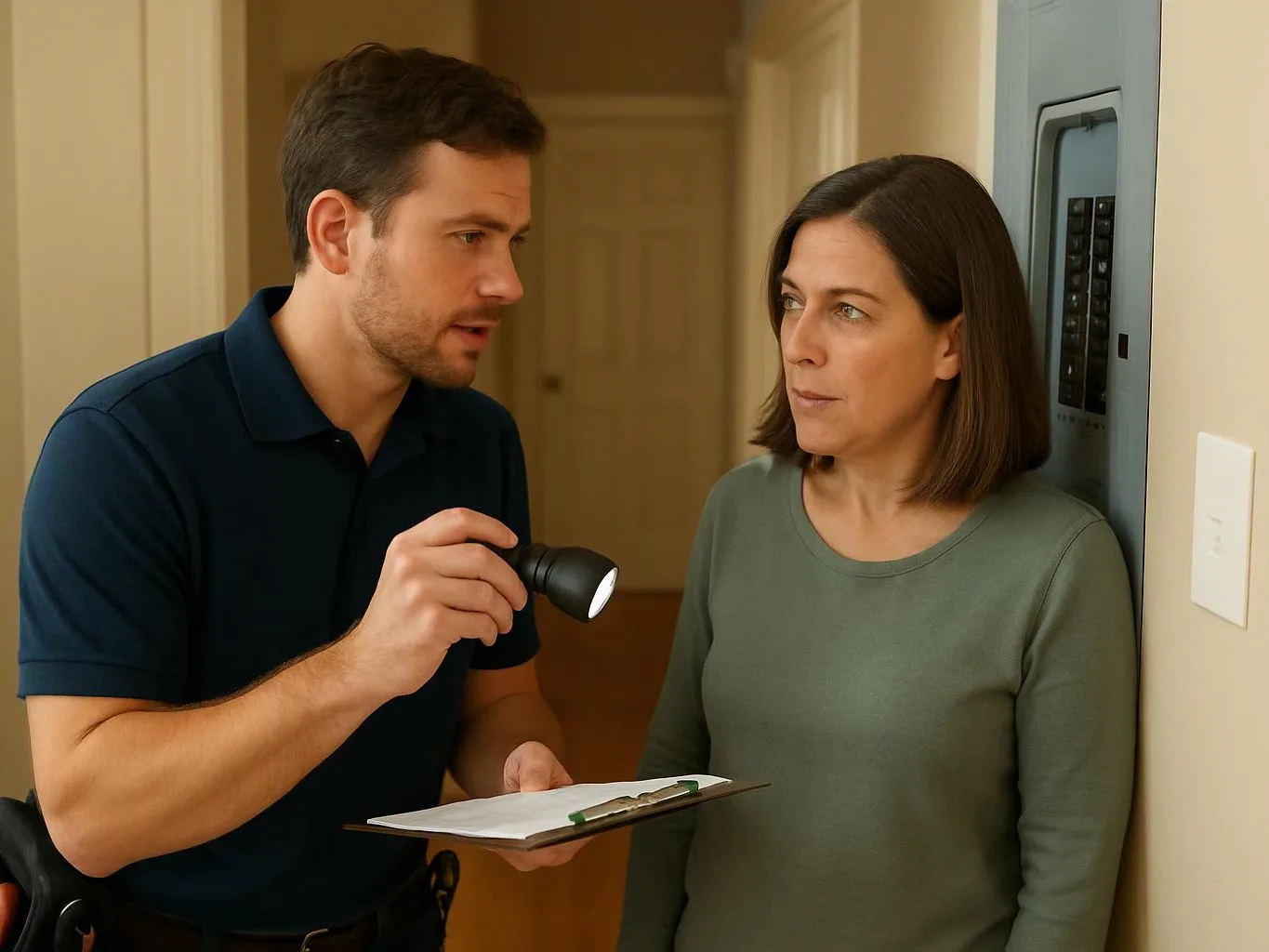
A shut-off circuit and clear access help protect people and property before repair begins. Stop using the affected outlet, keep away from sparks or heat, and move loose items from the panel area. Tell us which breaker trips and what device was connected when the problem started.
Which part of the property decides the repair scope?
The affected branch circuit decides the repair scope because the fault may sit at the outlet, wiring, breaker, or panel. We trace the circuit and inspect each relevant connection. A single damaged receptacle may need replacement, while heat or insulation damage can call for wider wiring work.
What material changes the repair work for an outlet?
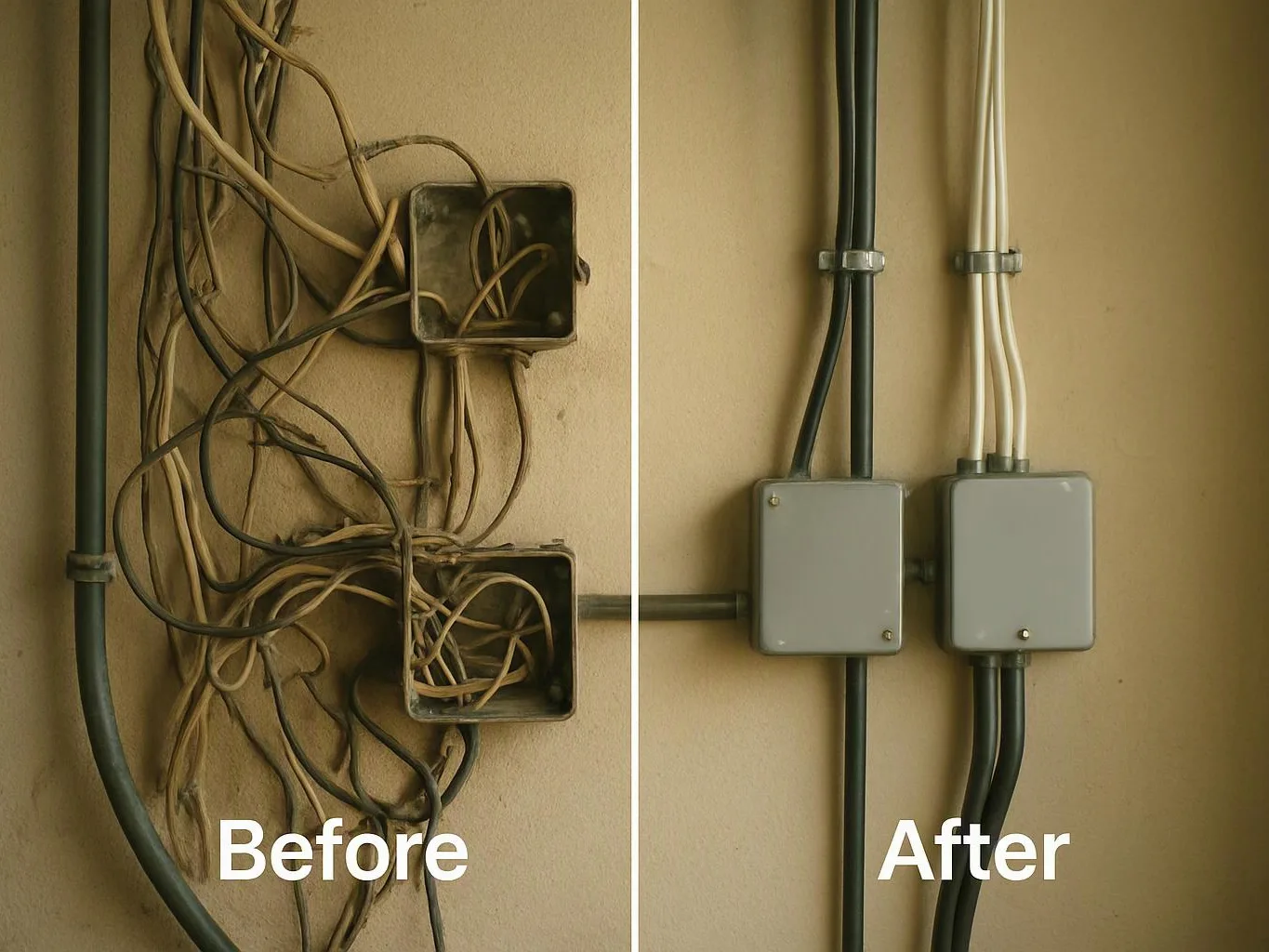
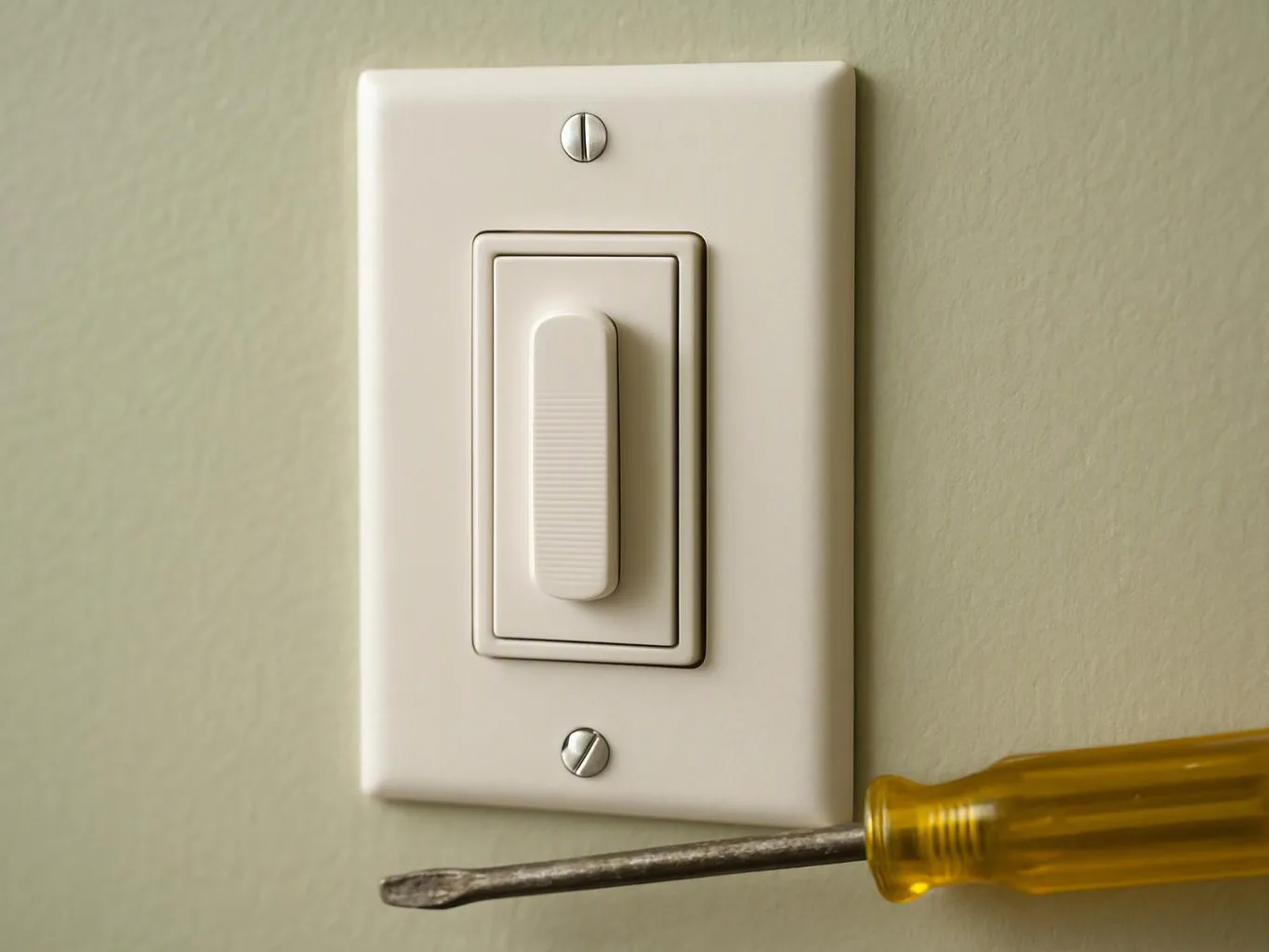
Wire insulation changes the repair work when heat, age, or damage affects the conductor. We inspect the insulation before reconnecting a receptacle. Damaged insulation can require wire repair or circuit work, while sound wiring may support an outlet replacement followed by testing.
When should I treat a breaker trip as urgent?
A breaker trip becomes urgent when it repeats, the panel buzzes, an outlet feels warm, or you see sparks. Leave the affected circuit off and avoid resetting it again. We inspect the load, breaker, wiring, and connected outlets to find the fault before restoring use.
Why does an outlet spark when I plug something in?
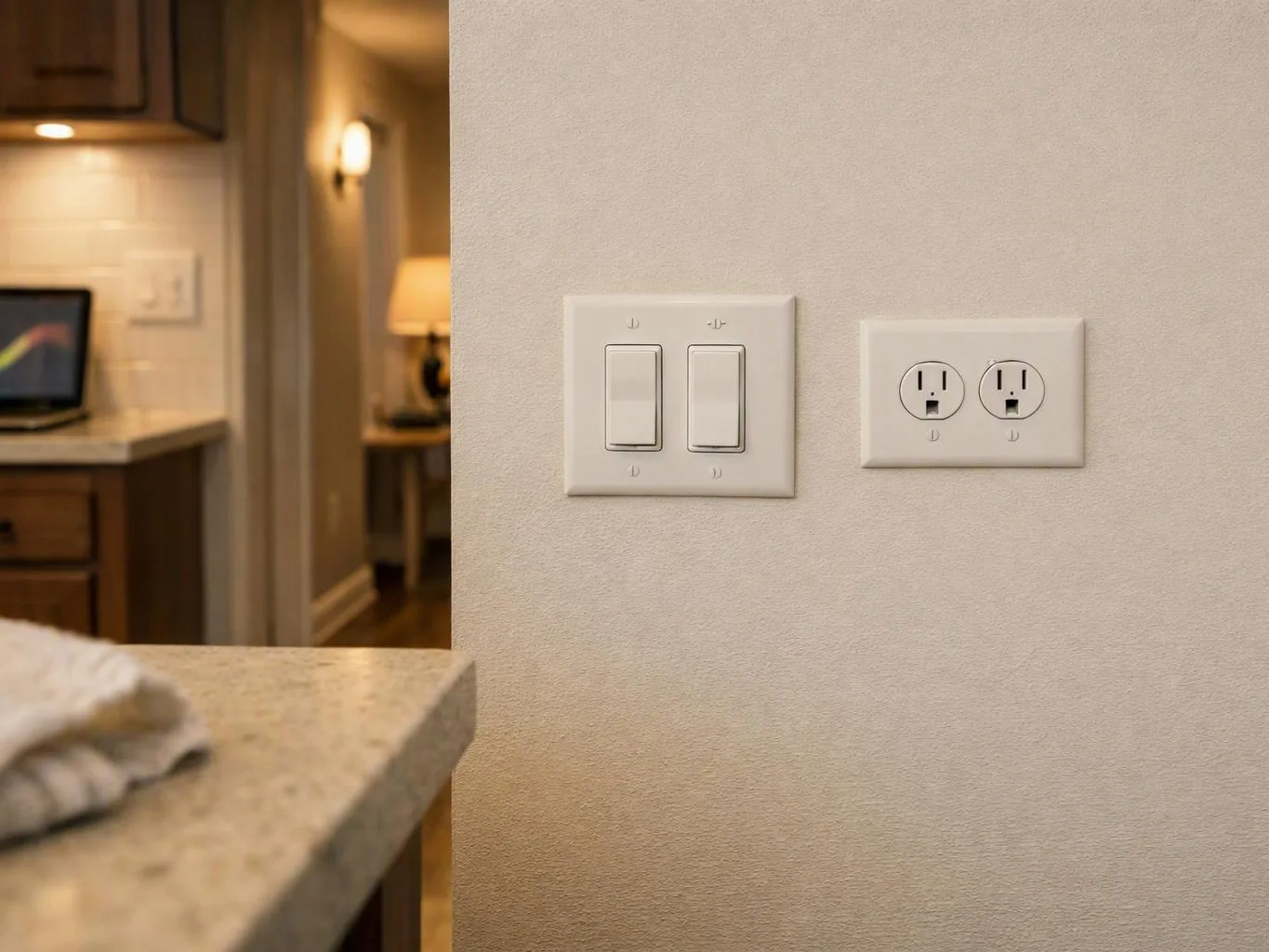
An outlet can spark because of worn contacts, a loose connection, a damaged plug, or an arc fault. Stop using the receptacle and unplug equipment only if it is safe to do so. We inspect the outlet and circuit, then explain whether replacement or wiring repair is needed.
How does an emergency repair visit move from the first call to the last step?
The visit moves from symptom review to circuit isolation, inspection, repair, and testing. We first record the affected area and equipment. Then we check the outlet, wiring, breaker, and panel as needed, complete the supported repair, and explain any remaining work before the circuit is returned to service.