Why an Outlet Stops Working When the Breaker Is Not Tripped
An outlet can stop working while its breaker stays on. A GFCI may have tripped. Another outlet may have lost power. A loose wire or damaged outlet may also cause the problem. Press the reset button on nearby GFCI outlets. Test other outlets, and check the panel without removing its cover. Stop if you see heat, burning, sparks, buzzing, or exposed wires. An electrician should find the cause and repair unsafe parts.
Get a Free EstimateWhy Are My Outlets Suddenly Not Working?
An electrical outlet can suddenly lose power even when the breaker stays on. A GFCI may have stopped the circuit. An outlet farther up the circuit may have failed. A wire may have come loose, or the outlet may be damaged. You can test nearby outlets and reset an easy-to-reach GFCI. Don’t open any electrical boxes.
If you’re asking, “why are my outlets suddenly not working,” first check how many outlets have lost power. One dead outlet may have a bad receptacle or loose connection. Several dead outlets may share a GFCI, open neutral, or other circuit fault.
Check nearby rooms, too. Don’t only check the room with the problem. Kitchens, bathrooms, garages, basements, laundry areas, and outdoor outlets often use GFCI protection. One tripped device can stop power at another outlet.
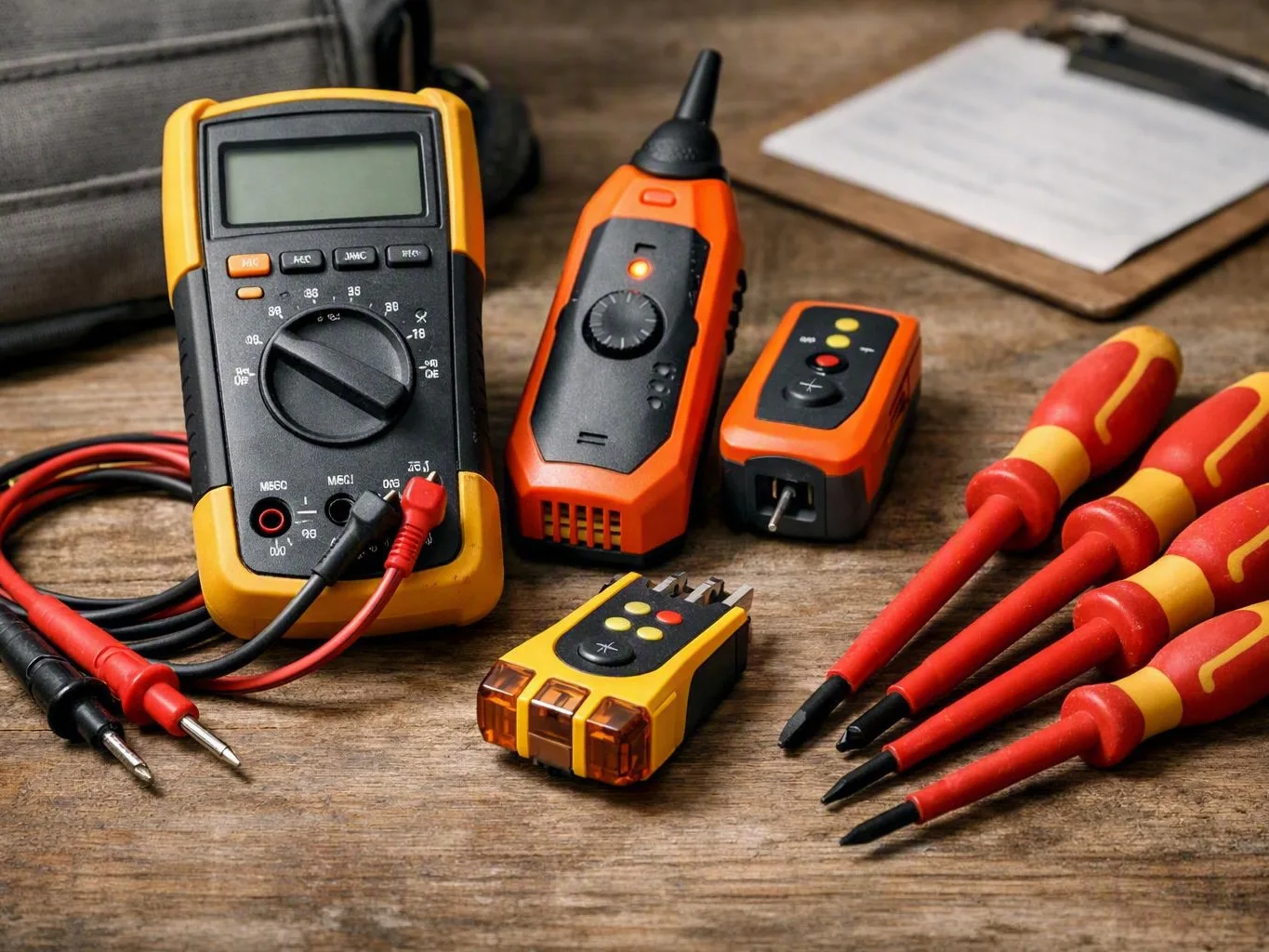
Use safe checks from outside the outlet. Plug in a lamp or other working device. Then test that device at a known working outlet. You can also use an outlet tester. Its lights only give clues. They don’t make unsafe wires safe.
| What you observe | Possible direction |
|---|---|
| One outlet is dead | Receptacle failure or loose connection |
| Several nearby outlets are dead | GFCI interruption or branch-circuit fault |
| Power cuts in and out | Loose wiring or damaged receptacle |
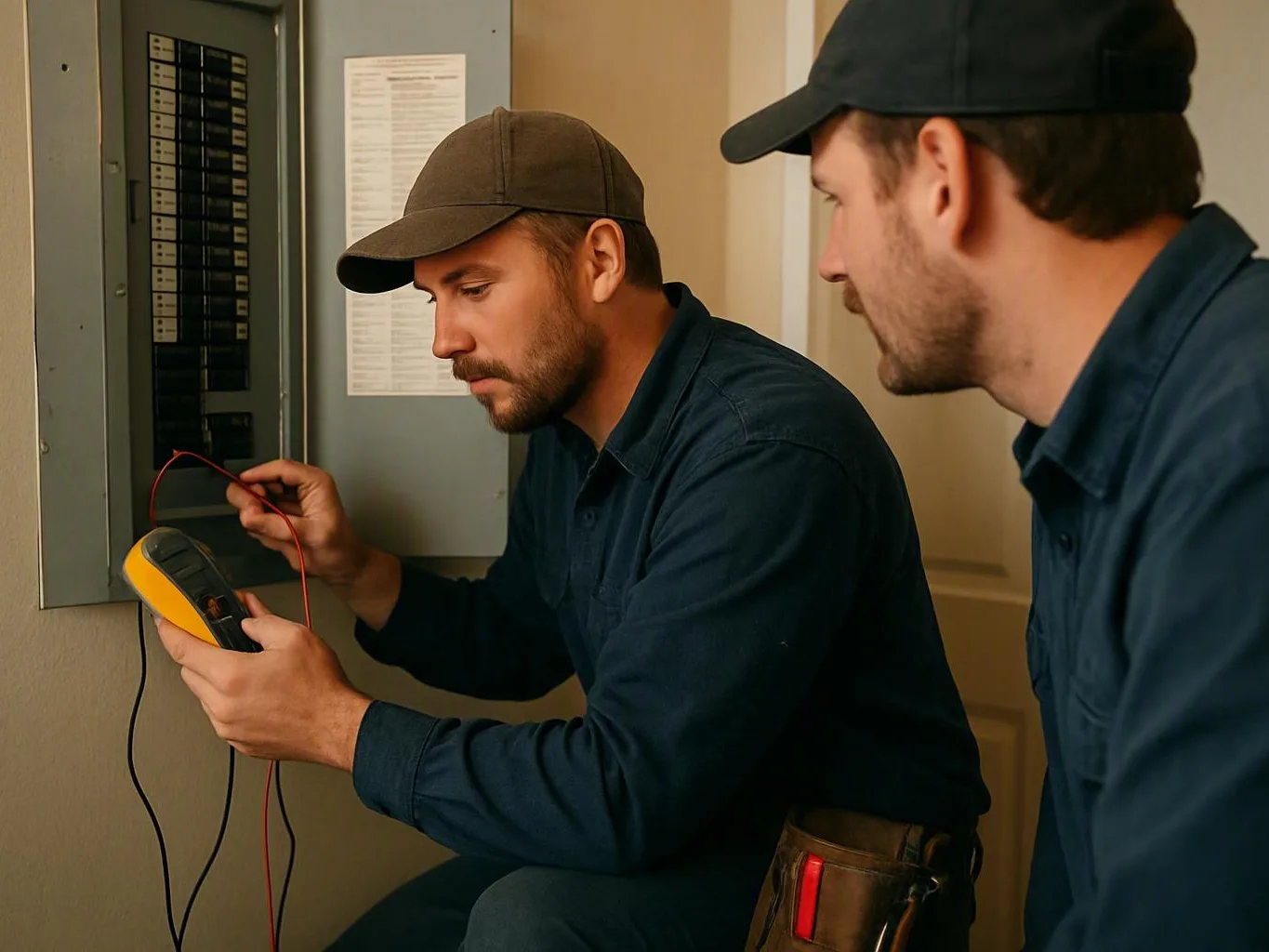
Simple home checks often take about 5 to 15 minutes. A professional check may take longer. An electrician may need to trace several outlets and circuit wires. Don’t open a box to look for a loose wire. The breaker may still appear on.
What Should You Do When One Outlet Stops Working?
When one outlet stops working, unplug devices and test the outlet with a working device. Reset nearby GFCI outlets, then check if the breaker is fully reset. Don’t remove the outlet cover. Stop using any outlet that feels hot, looks loose, sparks, or shows dark marks. Get professional help if power doesn’t return.
These checks can show if the issue is a simple power loss. They can also point to a home electrical fault. If the outlet stopped working and the breaker isn’t tripped, repeated resets won’t fix it. Leave the circuit alone if you notice heat, burning smells, buzzing, smoke, sparks, or visible damage.
Could a GFCI Outlet Be Blocking Power?
A GFCI outlet can stop power to itself and other outlets. The main breaker may still stay on. Find GFCI devices in bathrooms, kitchens, garages, basements, laundry areas, and outdoors. Press reset once. If it won’t stay reset or power keeps failing, the GFCI or wiring needs a check.
A ground-fault circuit interrupter watches the flow of power through a circuit. It looks for power that leaves but doesn’t return. If it finds a possible leak, it shuts off power fast. This is called GFCI protection. One device can protect other outlets, too.
Press the test button only when you plan to check the device. Use the reset button to restore power. If reset clicks but the other outlet stays dead, the GFCI may be bad. A wire may also be loose. Another GFCI may be farther up the circuit.
Moisture makes this check especially important. A garage outlet may protect tools farther along the wall. A kitchen GFCI may affect counter outlets. Never bypass this protection. Don’t replace a device unless you understand the circuit and local safety rules.
What Signs Show the Outlet Has an Electrical Problem?
Electrical warning signs include heat, dark marks, burning smells, buzzing, crackling, sparks, loose plugs, or power that cuts in and out. These signs can point to sparks inside the outlet, too much load, loose wires, or a damaged receptacle. Stop using the outlet, keep people away, and seek electrical repair. Don’t keep resetting devices.
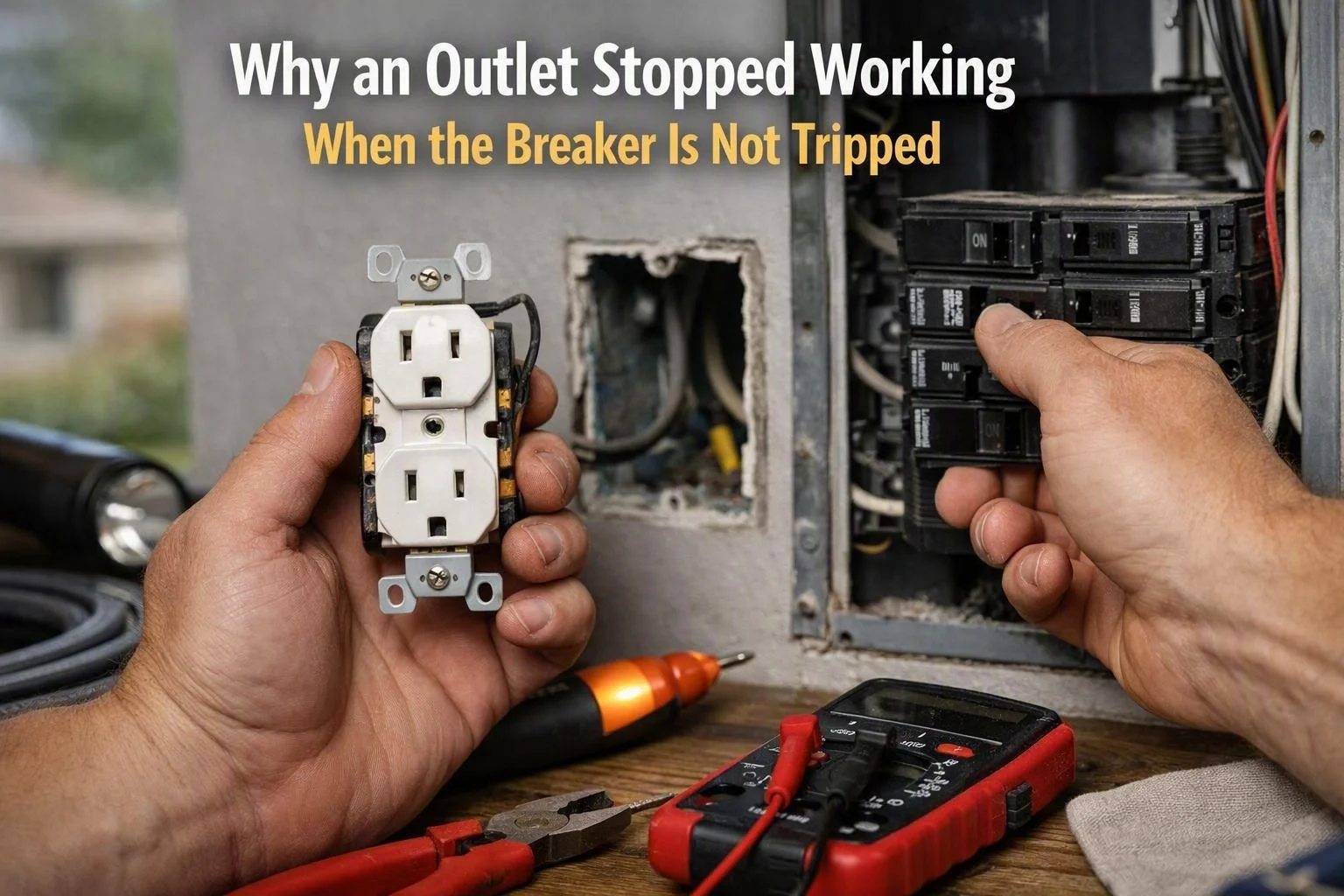
Turn off the circuit and leave it unused when these signs occur. Don’t touch exposed wires. Don’t pull out the receptacle or test it again and again. Heat and sparks can grow inside the wall. The breaker may still stay on.
What Common Causes Make an Outlet Fail Without a Tripped Breaker?
Common causes include a tripped GFCI, failed receptacle, loose terminal, loose backstab connection, open neutral, or damaged circuit wiring. The breaker may stay on because the fault stops power without drawing enough power to trip it.
Finding the cause takes testing, not guesswork. Outlet Repair may fix a failed receptacle when the wiring is sound. Loose wires, damaged wires, an open-neutral fault, or an arc fault may need wider circuit work.
When Should You Call an Electrician for a Nonworking Outlet?
Call a qualified electrician when an outlet stays dead after safe GFCI and breaker checks. Call when several outlets lose power. Get help if you see heat, smoke, sparks, burning, buzzing, or damaged wires. Professional testing can find faults and show if you need outlet repair, replacement, or new installation.
Contact us for Electrical Troubleshooting when the source isn’t clear or the problem returns. Our team can check the branch circuit and receptacle terminals. We can also look for an open neutral or a GFCI that stops power farther down the circuit.
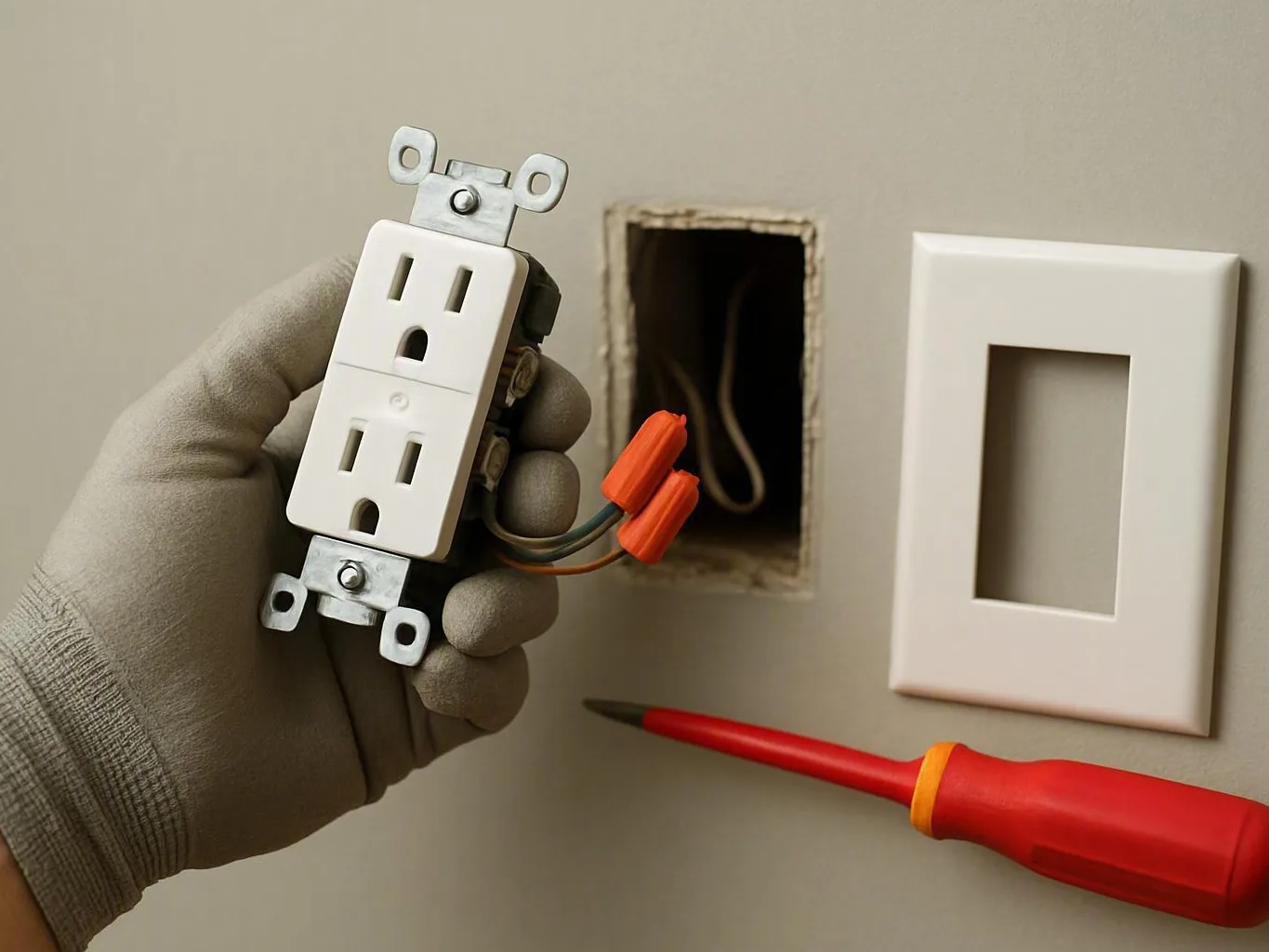
Outlet Repair may fit a worn or failed device when the wiring is sound. Replacing a receptacle isn’t the same as repairing a circuit. A spot may need more protection, new wires, or a different device. Outlet installation may then be the safer choice.
For example, a homeowner may need Electrical Troubleshooting in Fort Wayne when several rooms lose power. Simply changing a faceplate may not solve the problem. We find the fault and explain the repair before work begins.
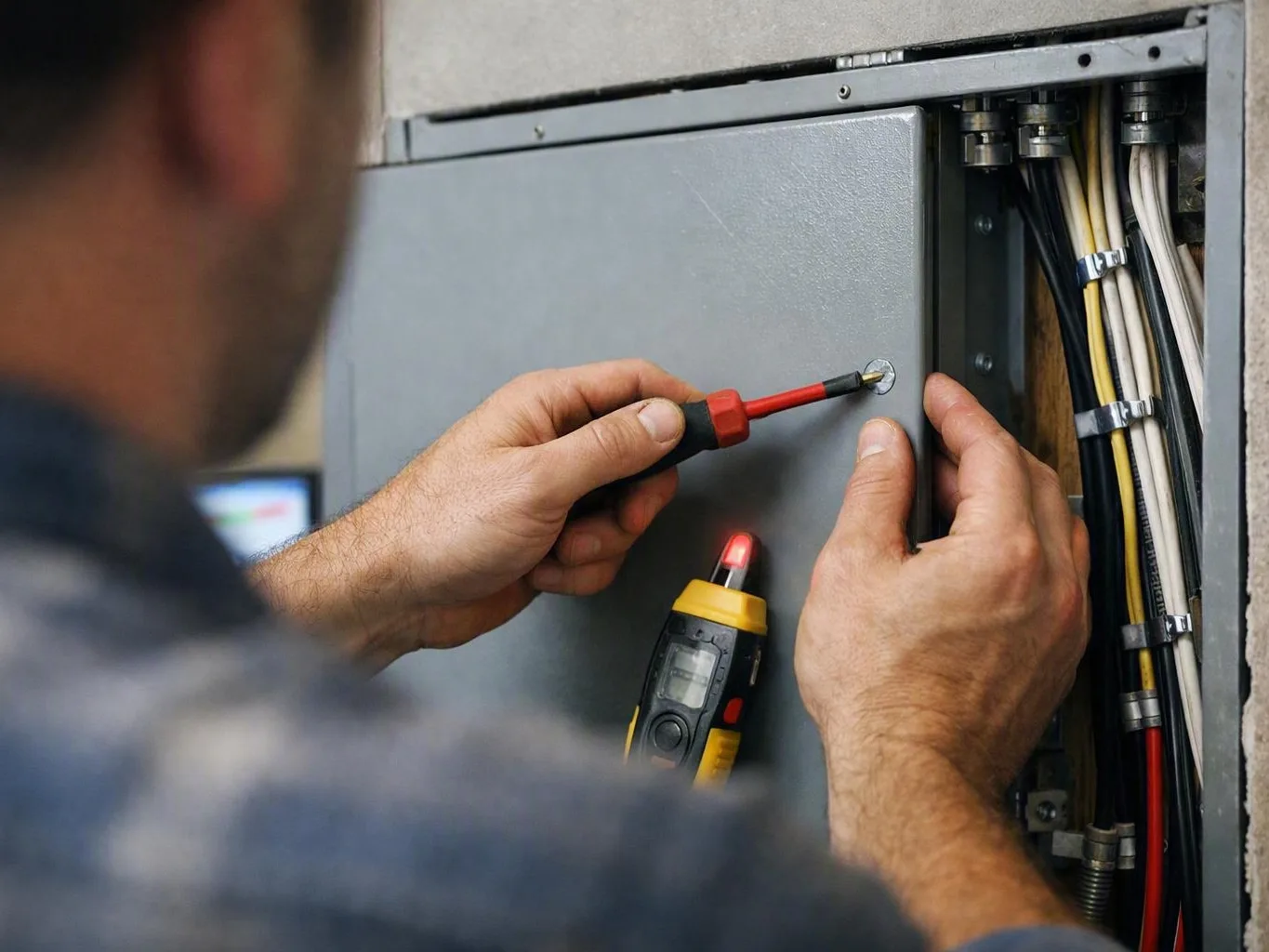
Homeowners shouldn’t remove outlet covers or handle exposed wires. Don’t work inside the electrical panel. We use proper testing methods to lower shock and fire risks. If you smell smoke or see active sparks, move away and seek urgent help. Don’t reset the circuit.
How Can You Prevent Outlet Problems?
Regular GFCI testing, safe circuit use, and quick replacement of damaged parts can reduce outlet problems. Keep outlets away from moisture and heat. Avoid overloaded connections, too. These steps can help prevent sparks, unwanted trips, and lost power.
Keep water away from electrical devices in kitchens, bathrooms, laundry areas, garages, and outdoor spaces. Prevention can’t fix a hidden loose connection. Have repeated failures checked before they create a larger safety problem.
Questions About Electrician
Why Is My Outlet Not Working but the Breaker Is Not Tripped?
A GFCI may have stopped the circuit. An outlet farther up the circuit may have failed. A loose wire, open neutral, or damaged receptacle may also stop power. Reset nearby GFCI devices once and check the panel without removing its cover. Call a qualified electrician if the outlet stays dead.
Can a Bad Outlet Cause Other Outlets to Stop Working?
Yes. Receptacles often connect in a line along a branch circuit. A bad device or loose wire can stop power at other outlets. The fault may sit inside the box. Don’t remove the cover. Have an electrician test the circuit.
How Do I Reset an Outlet That Has No Power?
Find GFCI outlets in nearby bathrooms, kitchens, garages, basements, laundry areas, and outdoors. Press the reset button once. If it won’t hold or power doesn’t return, stop. Get professional help if the device is hot or damaged.
Why Did My GFCI Outlet Stop Working?
It may have found a ground fault, lost incoming power, or failed inside. A wiring problem may also be present. Moisture and connected outdoor or appliance loads can trigger the protection. Reset it once when safe. Don’t bypass it if the problem repeats.
Is It Safe to Use an Outlet That Is Warm or Buzzing?
No. A warm or buzzing outlet may have loose wires, sparks, overload damage, or a failing receptacle. Stop using it and keep people away. Contact an electrician. Don’t keep resetting the breaker or plugging in devices.
When a dead receptacle doesn’t recover after safe checks, get professional help. The right diagnosis can protect your home and guide the repair. Chris Miller Electric can help with Electrical Troubleshooting, Outlet Repair, circuit diagnosis, or safe replacement.
Related Resources
How Much Does an Electrician Cost in Fort Wayne?
electrician cost Fort Wayne IN
How It WorksWhat to Expect During an Electrical Troubleshooting Visit
electrical troubleshooting electrician Fort Wayne
When You Need ItWarning Signs of Dangerous Electrical Wiring in Your Home
signs of dangerous electrical wiring
What's RequiredElectrical Emergency Warning Signs: What to Do Before Help Arrives
electrical emergency warning signs what to do