Warning Signs of Dangerous Electrical Wiring in Your Home
Dangerous wiring can cause hot outlets, dark marks, buzzing, sparks, shocks, and burning smells. It can also cause flickering lights, breaker trips, or damaged wires. These signs may point to loose connections, overloaded circuits, or damaged parts. Turn off power only when it’s safe. Stop using the outlet or switch. Then contact a qualified electrician for help. Don’t open live equipment or try repairs beyond basic checks.
Get a Free Estimate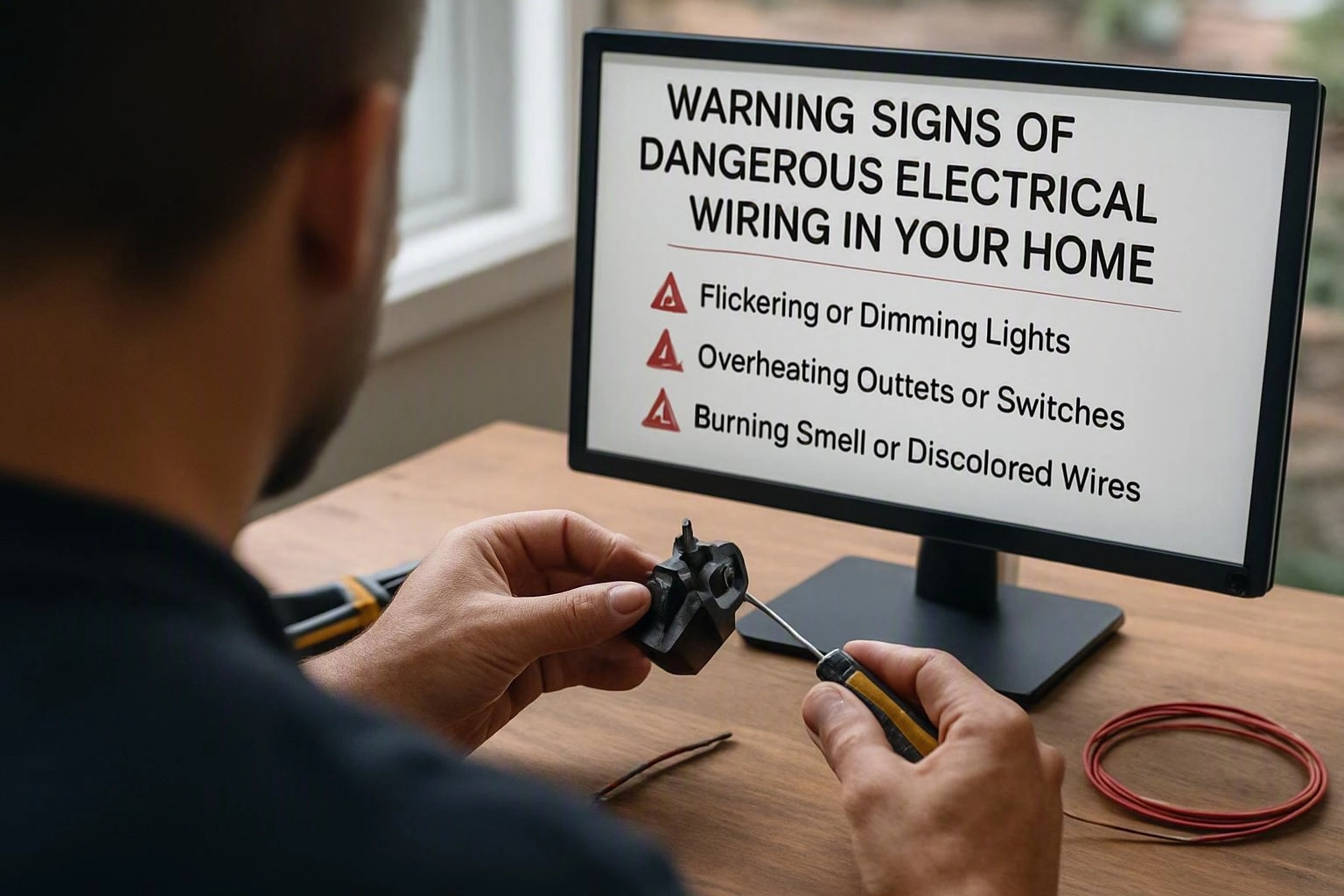
Dangerous electrical wiring can create a shock or fire risk. It may need an inspection, repair, or code correction. Chris Miller Electric helps homeowners spot warning signs and choose a safe next step. A visible issue may come from an outlet, appliance, circuit, or hidden wire. Stopping use is safer than guessing.
What Are the Most Common Signs of Dangerous Electrical Wiring?
Electrical wiring problems often show through hot outlets, dark marks, buzzing, sparks, shocks, and burning smells. They may also cause flickering lights, breaker trips, or damaged wire covers. These signs can point to heat, arcing, loose connections, poor work, or a failing device.
Use this list to spot problems. Don’t use it as a repair guide. Keep people and pets away from the area. Renters should tell the property manager right away. Homeowners should arrange service from a qualified electrician. Don’t remove covers or touch exposed wires.
Older homes need extra care. Recent remodels also deserve a close look. Wet areas and busy circuits need attention too. An inspection may check outlets, switches, the panel, grounding, and easy-to-reach junction boxes. The work depends on the home and the warning sign.
How Can I Tell Whether an Outlet or Switch Is Unsafe?
A hot outlet, dark outlet, buzzing outlet, or sparking outlet may be unsafe. Stop using it until an electrician checks it. The same rule applies to a hot or noisy light switch. A switch may stick, smell burned, or make lights flicker. An outlet can look fine while its inside parts are loose or damaged.
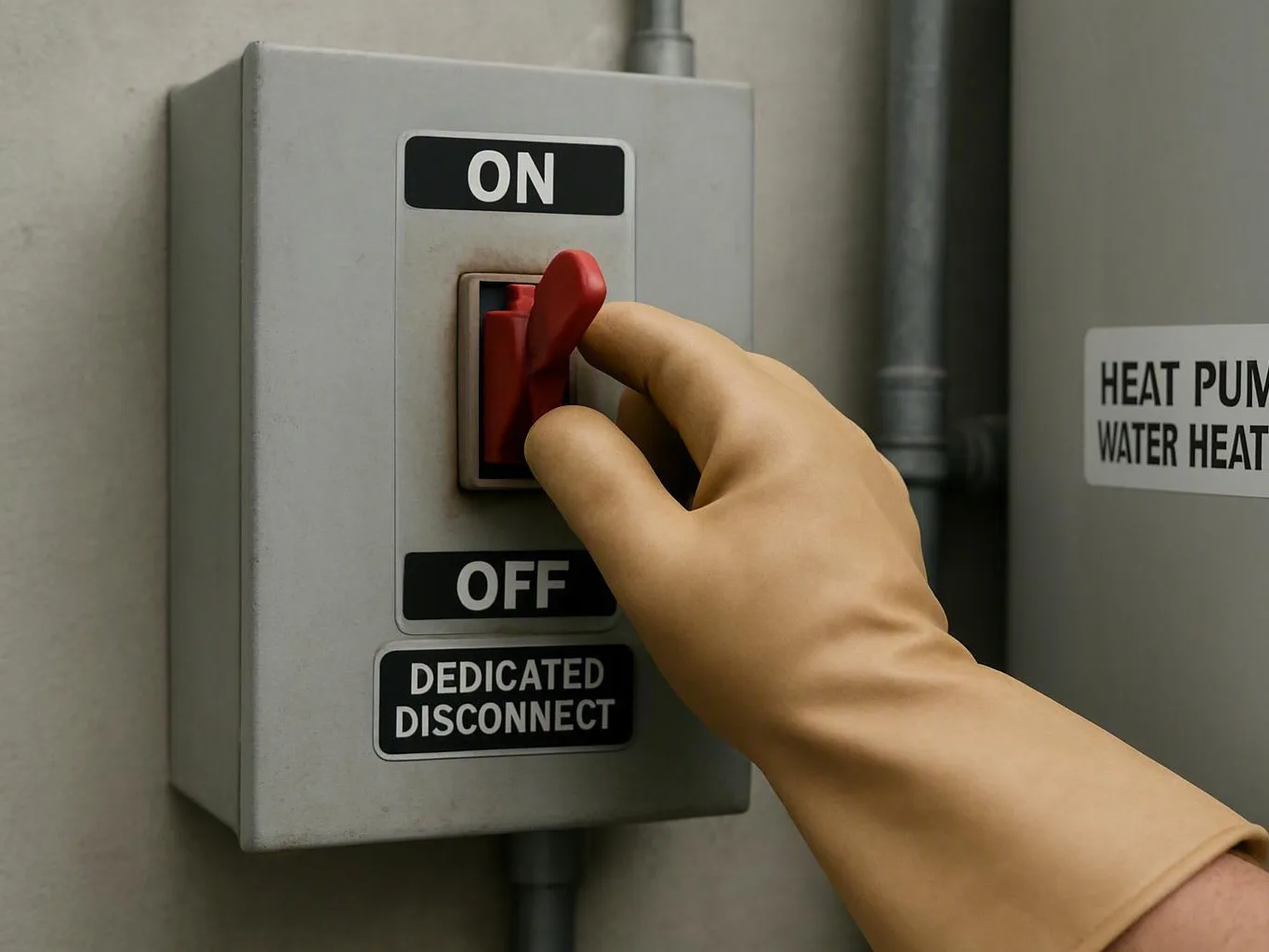
Stop plugging in devices. Keep your hands dry. Don’t force a loose plug into place. If the breaker has a clear label, turn it off when safe. Don’t approach it through smoke, fire, water, or strong heat. Renters should report the issue as urgent. Keep children out of the room. Don’t use tape or a cover instead of a repair.
Why Is My Outlet Hot, Discolored, Buzzing, or Sparking?
A hot, discolored, buzzing, or sparking outlet may have a loose connection or damaged part. It may also have too much load or electrical arcing. Stop using the outlet. Unplug devices only when safe. Turn off the breaker when you can do so safely. An electrician should check the outlet and wiring before use.
Heat can build when a circuit carries too much power. It can also build when a plug fits poorly. A terminal may loosen over time. A high-power appliance can reveal a weak connection. Burn marks and melted plastic show heat damage. They aren’t just surface marks.
Electrical arcing happens when power jumps across a gap. It can cause heat, pops, flashes, and fire. A breaker may trip during this event. Still, it may not find every bad connection right away. The electrician must check the circuit load, wire size, outlet rating, and device.
We may suggest Electrical Troubleshooting when the cause isn’t clear. We may suggest outlet repair when the outlet is damaged. Homeowners in Fort Wayne, IN, may ask about Electrical Troubleshooting in Fort Wayne. A new cover or outlet may not solve the problem. The connection and circuit must be checked too.
Why Do I Get Shocked by an Outlet or Switch?
An electric shock from an outlet or switch may come from bad insulation, poor grounding, damage, moisture, or wrong wiring. A ground fault may also cause it. Even a mild tingle isn’t normal. Stop using the device and arrange professional Electrical Troubleshooting.
Grounding gives unwanted power a safer path. The ground wire, metal boxes, and devices must work together. A loose or missing ground can make a person part of that path.
A ground-fault circuit interrupter can cut power fast. It detects an unsafe change in the flow of power. These devices help in damp areas. A GFCI (ground-fault circuit interrupter) that trips or resets doesn’t prove the wiring is safe. Repeated trips, dampness, or shocks need a closer check.
Don’t touch the device again to test it. Don’t work near wet floors or pipes. A bad switch may hide damage inside. Our team checks the device, grounding, wiring, moisture, and circuit before suggesting a repair.
When Are Electrical Wiring Problems an Emergency?
Electrical wiring problems become an emergency when you see smoke or flames. A strong burning smell, active sparks, or severe heat also needs urgent action. Leave the area and call emergency services for fire or danger. Don’t touch the panel or equipment if it’s unsafe. Don’t restore power until someone checks the hazard.
Use this response order:
A breaker trip without smoke can still need fast service. This is true if it won’t reset or trips right away. It also matters if it serves a hot outlet. Don’t hold a breaker on. Don’t replace it with a larger one. These steps can remove safety from an overloaded circuit.
Should You Repair Dangerous Wiring Yourself or Call an Electrician?
Homeowners can record symptoms and make simple observations, but a qualified electrician should repair dangerous wiring. A trained electrician can find hidden faults and test circuit safety. They can repair outlets and fix code issues. Never work on live wires. Replacing one part may not fix the whole circuit.
| Factor | DIY | Professional |
|---|---|---|
| Safe scope | Watch, record, stay clear, and report symptoms. | Test, isolate, repair, and check the affected circuit. |
| Outlet repair | Don’t open a bad outlet or assume it’s the only problem. | Check the outlet, terminals, box, wires, load, and safety parts. |
| Electrical panel | Keep the cover closed. Avoid live parts. | Check breakers, connections, labels, grounding, and circuit size. |
| Code concerns | Don’t guess if the work meets electrical code. | Suggest electrical code correction when wiring is unsafe or out of code. |
DIY electrical work can cause shock, fire, or hidden damage. A professional electrician has the right tools and training. They can shut off circuits, trace faults, and check the repair. We explain the problem, needed tests, and repair choices. You won’t need to take unsafe risks.
What Should You Do Before the Electrician Arrives?
Stop using the affected circuit before help arrives. Keep everyone away from the hazard. Turn off the breaker only if the area is dry, clear, and safe. Otherwise, leave the panel alone.
Unplug an appliance only when the plug and outlet are cool and dry. Don’t pull a melted plug. Don’t move a smoking appliance. Don’t remove a cover. Keep away from water near electrical parts. Write down what happened and when it started. Note which devices were running and if the breaker tripped. Renters should tell the landlord or property manager. Homeowners can share these details with the service team.
How Does an Electrical Inspection Find Hidden Wiring Hazards?
An electrical inspection finds hidden wiring hazards by checking devices, connections, boxes, grounding, breakers, and wires. It also looks for signs of heat. Electrical tests can find faults that an outlet or switch doesn’t show. The report can show if you need troubleshooting, outlet repair, rewiring, or code correction.
The inspection starts with questions about the problem. The technician asks about past repairs, remodeling, moisture, and breaker trips. They check easy-to-reach outlets, switches, lights, the panel, and junction boxes. Loose connections, crowded boxes, bad wire covers, wrong device ratings, and poor grounding may matter.
Circuit tests may check voltage, continuity, polarity, grounding, and safety devices. Some faults appear only when the circuit carries a normal load. Other faults sit behind walls. The technician must decide how to reach them without guesswork.
Electrical code sets safety rules for wiring and protection. An inspection also checks the home’s current condition. Our team records concerns and explains the next step. That step may be a small repair, rewiring, or an electrical code correction. Clear findings help families make safe choices.
Basic troubleshooting often takes one to three hours. Complex homes may take longer. Hidden damage and several circuits can add time. This range is only an example. The system’s condition sets the work time.
| Inspection focus | What it can reveal |
|---|---|
| Outlet and switch devices | Heat damage, loose parts, wear, wrong connections, or poor fit. |
| Junction boxes and accessible wiring | Splices, damaged wire covers, crowded boxes, and loose connections. |
| Circuit protection and grounding | Overloads, ground faults, breaker problems, and missing ground paths. |
Electrical Inspections can help before buying a home. They also help after odd failures or when wiring is old or changed. Smoke, flames, or active arcing need emergency action first. Don’t wait for a routine visit.
Questions About Electrician
What Are the Signs You Need an Electrician?
Signs you need an electrician include hot outlets, dark marks, buzzing, sparks, shocks, smells, flickering lights, and exposed wires. A breaker that trips often is another sign. Stop using the affected equipment and arrange professional troubleshooting. Smoke, flames, and active arcing need emergency action first.
What Are the Signs of Electrical Wiring Problems?
Signs of electrical wiring problems include heat, dark marks, buzzing, sparks, burning smells, shocks, flickering, and breaker trips. Frayed wire covers are also a warning sign. An overload, loose connection, bad device, poor grounding, or hidden damage may cause these problems. A qualified inspection can find the cause.
Why Is My Outlet Hot or Discolored?
An outlet may be hot or discolored because of heat, a loose connection, damage, an overloaded circuit, or electrical arcing. Stop using it. Unplug devices only when safe. Turn off the breaker if you can do so safely. Have an electrician check the wiring before use.
Why Is My Outlet Buzzing or Sparking?
An outlet may buzz or spark because of a loose connection, damaged outlet, bad plug, heavy circuit load, or electrical arcing. Repeated or strong sparks are unsafe. Stop using the outlet and keep the area dry. Arrange professional troubleshooting instead of changing the outlet without checking the circuit.
Why Do I Get Shocked by an Outlet or Switch?
You may get shocked by an outlet or switch because of bad insulation, poor grounding, moisture, wrong wiring, a faulty device, or a ground fault. Even a mild tingle isn’t normal. Stop using the device and have an electrician test the circuit. The test should include grounding and ground-fault protection.
If you notice unsafe home wiring, avoid live equipment and request a professional check. Our team can help with electrical troubleshooting, inspections, outlet repair, and electrical code correction.
Contact our teamRelated Resources
How Much Does an Electrician Cost in Fort Wayne?
electrician cost Fort Wayne IN
What It CostsWhole-Home Rewiring: Cost, Timeline, and What to Expect
whole house rewiring cost Fort Wayne IN
How It WorksWhat to Expect During an Electrical Troubleshooting Visit
electrical troubleshooting electrician Fort Wayne
How It WorksElectrical Inspections and Code Corrections: Costs, Process, and Next Steps
electrical inspection and code correction Fort Wayne