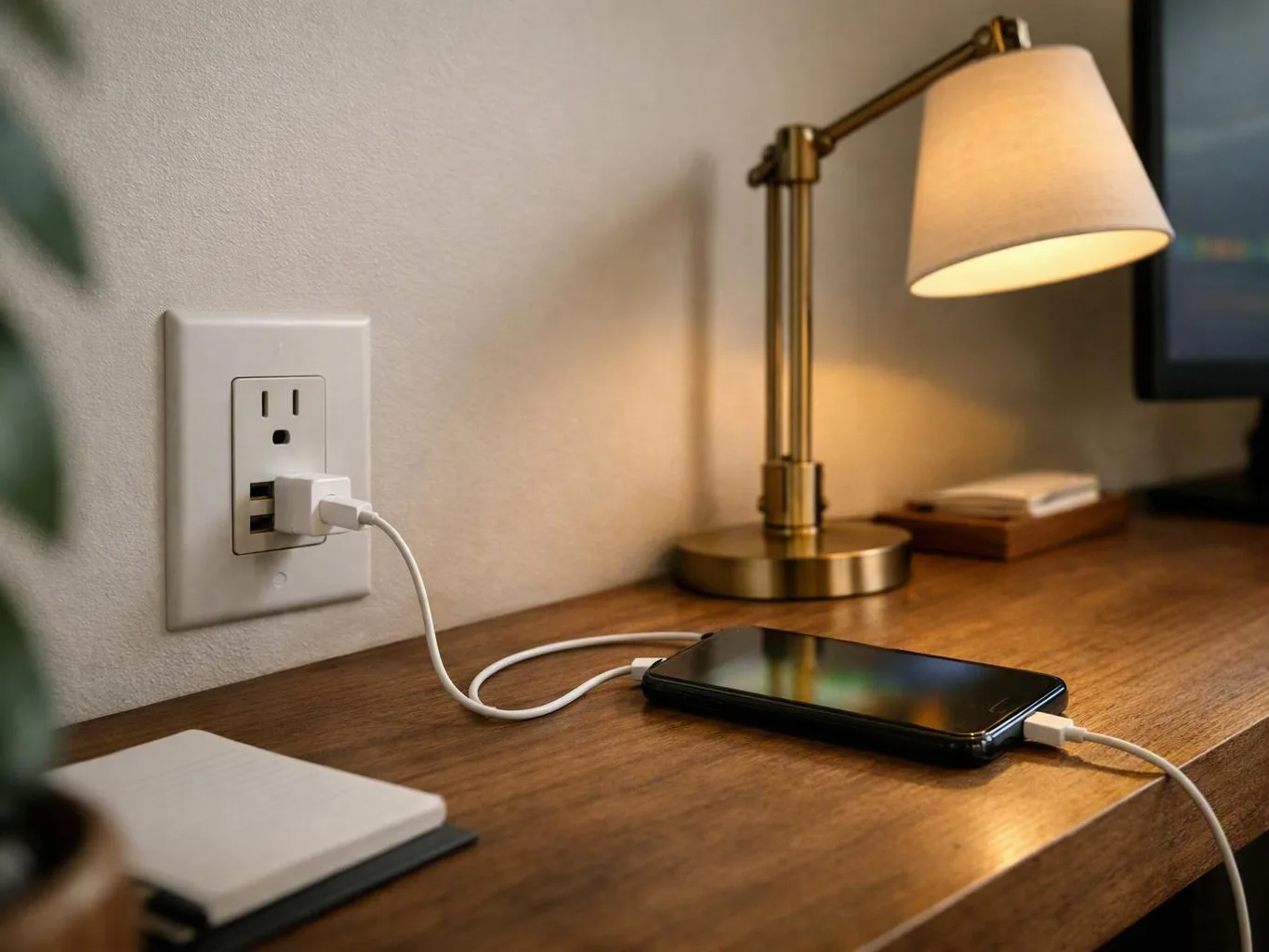
Electrical Emergency Warning Signs and Safety Steps
Electrical emergency warning signs include burning smells, sparks, smoke, buzzing, hot outlets, shocks, and repeated breaker trips. They also include water near electrical equipment. Turn off power only when you can do so safely. Keep people away from the area. Don't touch damaged parts. Call a qualified electrician. Leave the property if you see smoke, fire, or severe shock. Call emergency services during immediate danger. Never use water on an electrical fire. An electrician can inspect the wiring and test the circuit. They can tell if a circuit breaker or outlet needs replacement.
Get a Free EstimateWhen Is an Electrical Problem an Emergency?
Electrical emergency warning signs mean you need to act quickly. They can cause fire, electric shock, injury, or property damage. Smoke, flames, exposed live wires, repeated arcing, and severe shocks need urgent help. Water near electrical equipment also creates a serious risk. Leave unsafe areas and call emergency services or a qualified electrician.
An electrical emergency is more than a small power outage. A hazard may hide behind a wall or inside an electrical outlet. It may also sit near the panel. A hot smell, crackling sound, or bright arc can show a serious fault. The wire covering may be failing. Electricity may also be moving through the wrong path. Fire can start without visible flames.
Don't remove a cover or pull apart wires. Don't test a wet receptacle. Move people away first. You may turn off power if the area is dry and the panel is safe to reach. Leave the panel alone if it's wet, smoky, hot, or near flames. Call emergency services instead.
Chris Miller Electric helps homeowners make safe choices. We provide electrical troubleshooting, inspections, and circuit breaker replacement. Our team can find the cause. It may be an overloaded circuit, damaged wiring, moisture, or a failed safety device.
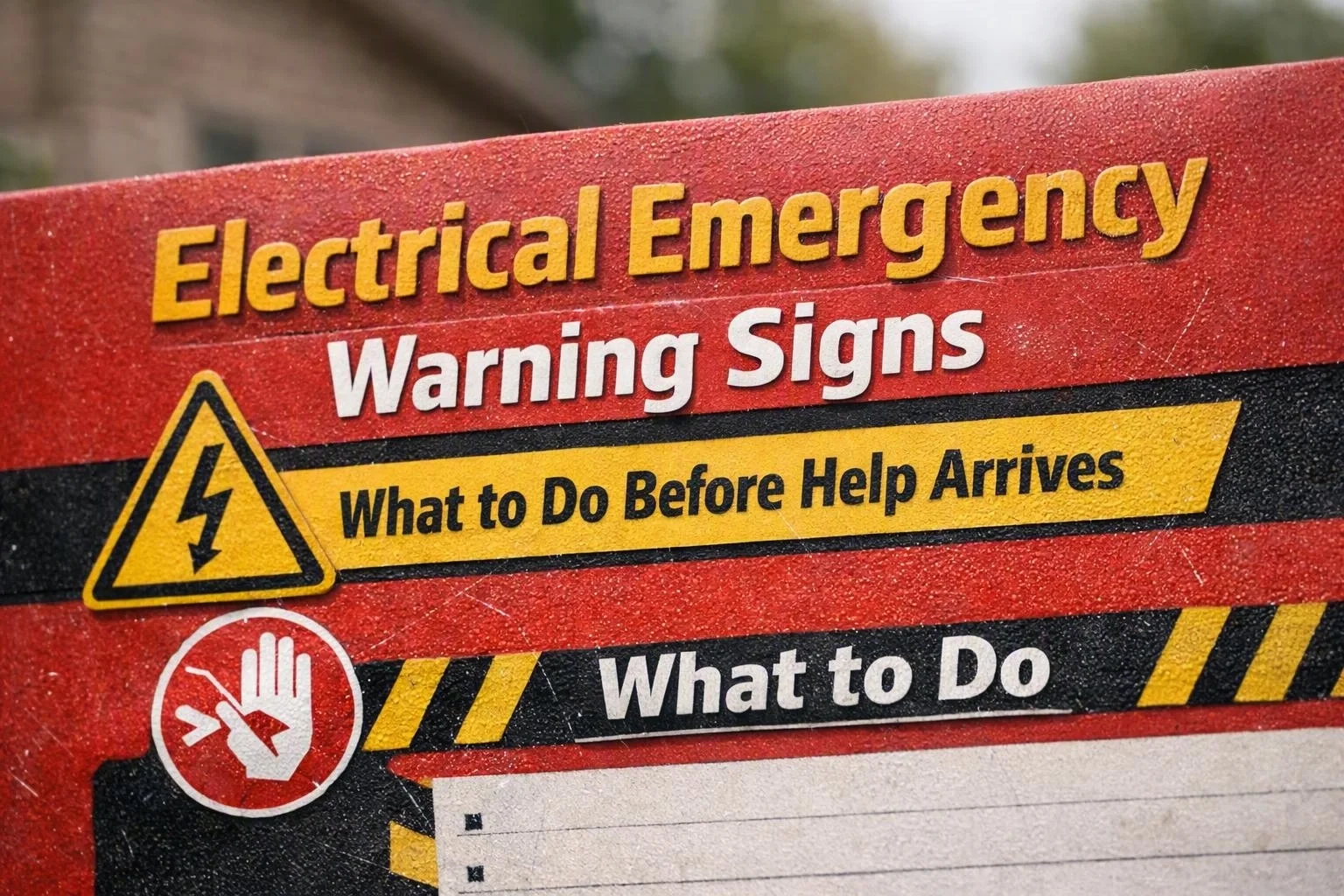
The Red Flags That Mean You Should Stop Using the Circuit
Burning odors, sparks, smoke, heat, buzzing, and dark marks need attention. Repeated breaker trips also signal trouble. The circuit may be overloaded or damaged. Stop using the outlet or appliance. Keep flammable items away. Arrange electrical troubleshooting soon. Don't keep resetting the breaker.
These signs may show a loose connection or electrical arcing. They may also show an overloaded circuit or damaged insulation. A breaker may be failing. Don't use the circuit because power returned. Power can come back even when the system remains unsafe.
What to Do Before an Electrician Arrives?
Protect people first. Stop using the damaged equipment. Isolate the hazard only when the panel and area are dry. Don't touch damaged wires or look inside an outlet. Leave the property if you see smoke or flames. Call emergency services during serious danger.
Never force a breaker to stay on. Don't reach through water to operate a shutoff. Our crews can review what happened before testing starts. Electrical Troubleshooting in Fort Wayne can begin with a clear description of the problem. It doesn't require risky DIY testing.
What to Do During an Electrical Emergency?
Avoid touching people or equipment that may still carry power. Keep water away from electrical sources. Use the main shutoff only when it's safe. Call emergency services for fire or serious injury. Never use water on an electrical fire. Don't approach a wet electrical panel.
Don't touch a wet panel or exposed wire. Turning off power isn't worth the risk. If someone is shocked, don't touch them until power is off. Wait for trained responders. Water and electricity can spread current across floors, walls, and metal.
Burning Smells, Sparks, and Water near an Outlet
A burning smell near an outlet may mean overheating or a loose connection. It may also show damaged insulation or electrical arcing. Don't touch a sparking outlet. Treat a wet outlet as live until an electrician checks it. Stop using the circuit. Keep away and call an electrician.
The problem may involve a receptacle, plug, cord, or wall wire. It may also involve a junction. A wet outlet can look normal after drying. Corrosion or hidden damage may remain inside. A GFCI receptacle.GFCI outlet needs a professional check after water exposure. Don't assume its reset button makes the circuit safe.
What Should You Do When You Smell Burning near an Outlet?
Stop using the outlet and nearby appliances. Stay away from smoke and heat. Turn off the circuit only when the panel is dry and safe. Don't remove the cover or test the outlet. A burning smell needs prompt inspection. Hidden wires may be overheating.
What Should You Do if an Electrical Outlet Is Sparking?
Move away from the sparking outlet. Don't unplug anything if an arc could reach you. Turn off the circuit from a safe, dry place. Don't use the outlet again. A professional must check for arcing, loose wires, damage, or a failed receptacle.
What Should You Do When Water Reaches an Electrical Outlet?
Don't touch the outlet, plug, appliance, or nearby water. Keep people away. Turn off power only when the panel is dry and safe to reach. Never turn power back on yourself. A qualified electrician should test the circuit and replace damaged parts.
What to Do After the Immediate Danger Is Controlled?
Keep the affected circuit off until an electrician finds and fixes the cause. The work may include electrical troubleshooting or a wiring inspection. It may also include outlet replacement, GFCI testing, or circuit breaker replacement. Don't restore power because the smoke or sparks stopped.
A basic inspection often takes about 30 to 90 minutes. Hidden wires or water damage can take longer. Several affected circuits may also need more time. The repair plan depends on testing, access, and the home's condition.
Warning Signs and the Right Response
Electrical warning signs can have different levels of risk. Flames, heavy smoke, severe shocks, and water near live equipment need immediate action. Burning smells, heat, buzzing, sparks, and repeated breaker trips also need a professional check. Stop using the circuit. Don't guess at the repair.
| Warning sign | Possible concern | Immediate response | Professional follow-up |
|---|---|---|---|
| Burning smell or discoloration | Overheating, loose connection, or damaged insulation | Stop using the circuit and keep clear | Electrical troubleshooting and inspection |
| Sparking or popping outlet | Arcing, damaged receptacle, or loose wiring | Don't touch or reuse the outlet | Outlet and wiring inspection |
| Water near outlet or panel | Shock risk, short circuit, or hidden damage | Keep away and isolate power only if safe | Drying assessment, testing, and component replacement |
| Repeated breaker trips | Overload, short circuit, ground fault, or failing breaker | Don't repeatedly reset the breaker | Circuit troubleshooting or breaker replacement |
Urgency depends on the sign and nearby conditions. A professional check is safer than changing parts without finding the cause. The problem may involve overload, grounding, moisture, or damaged wiring.
When to Call an Electrician for Electrical Warning Signs?
Call an electrician when an outlet sparks, smells hot, feels warm, or shows dark marks. Call when it gives someone a shock or gets wet. Get help when a breaker trips often or won't reset. A professional check also helps when the cause isn't clear. Call emergency services first for fire, smoke, or life-threatening injury.
Use this guide for common home safety hazards:
A qualified electrician can test the circuit and inspect its connections. They can explain the safest repair. Contact our team if you need help choosing urgent service or a planned visit.
Questions About Electrician
When Should I Call an Electrician for Electrical Warning Signs?
Call when an outlet sparks, smells hot, feels hot, or shows dark marks. Call when it causes a shock, gets wet, or trips a breaker often. Contact emergency services first for flames, heavy smoke, severe injury, or immediate danger.
What Should I Do When I Smell Burning near an Outlet?
Stop using the outlet and nearby equipment. Stay away from smoke and heat. Turn off the breaker only when the panel is dry and safe. Don't remove the cover or test the receptacle. Arrange a prompt professional inspection.
What Should I Do if an Electrical Outlet Is Sparking?
Move away and don't touch or reuse the outlet. Don't unplug anything if an arc could reach you. Shut off the circuit from a safe, dry place. Arrange an inspection for arcing, loose wires, or a failed receptacle.
What Should I Do When Water Reaches an Electrical Outlet?
Don't touch the outlet, plug, appliance, or nearby water. Keep everyone away. Shut off power only from a dry, safe place. Don't restore power after water intrusion. A qualified electrician should test the circuit and replace damaged parts.
When Is an Electrical Problem an Emergency?
It's an emergency when fire, shock, serious injury, or property damage may happen soon. Smoke, flames, exposed live wires, repeated arcing, severe shocks, and water near live equipment need urgent action. Emergency services may be needed.
Related Resources
How Much Does an Electrician Cost in Fort Wayne?
electrician cost Fort Wayne IN
What It CostsWhole-Home Rewiring: Cost, Timeline, and What to Expect
whole house rewiring cost Fort Wayne IN
How It WorksWhat to Expect During an Electrical Troubleshooting Visit
electrical troubleshooting electrician Fort Wayne
How It WorksElectrical Inspections and Code Corrections: Costs, Process, and Next Steps
electrical inspection and code correction Fort Wayne