
What is an Overload?
Overload is a condition in which an electrical circuit carries more current than its conductors, devices, or protective equipment can safely handle. Excess current creates heat in wires and connections. A circuit breaker or fuse should interrupt the circuit before damage occurs, although repeated overloads may indicate an undersized circuit or excessive demand.
Quick Facts About Overload
Category
Electrical safety condition
Measured by
Circuit current in amperes
Used for
Protecting circuits from excessive current
Common confusion
An overload is different from a short circuit
Main risk
Overheated conductors and fire damage
Also called
Circuit overload, Overloaded circuit
Key Takeaways About Overload
- An overload occurs when equipment demands more current than a circuit can safely carry.
- Excess current can heat and damage insulation, terminals, receptacles, and other electrical parts.
- A tripped breaker often signals high demand. But it does not show the cause.
- Adding outlets does not increase a circuit’s capacity or allow larger breakers.
- Repeated trips need diagnosis before equipment is reset or loads are moved.
Understanding Overload
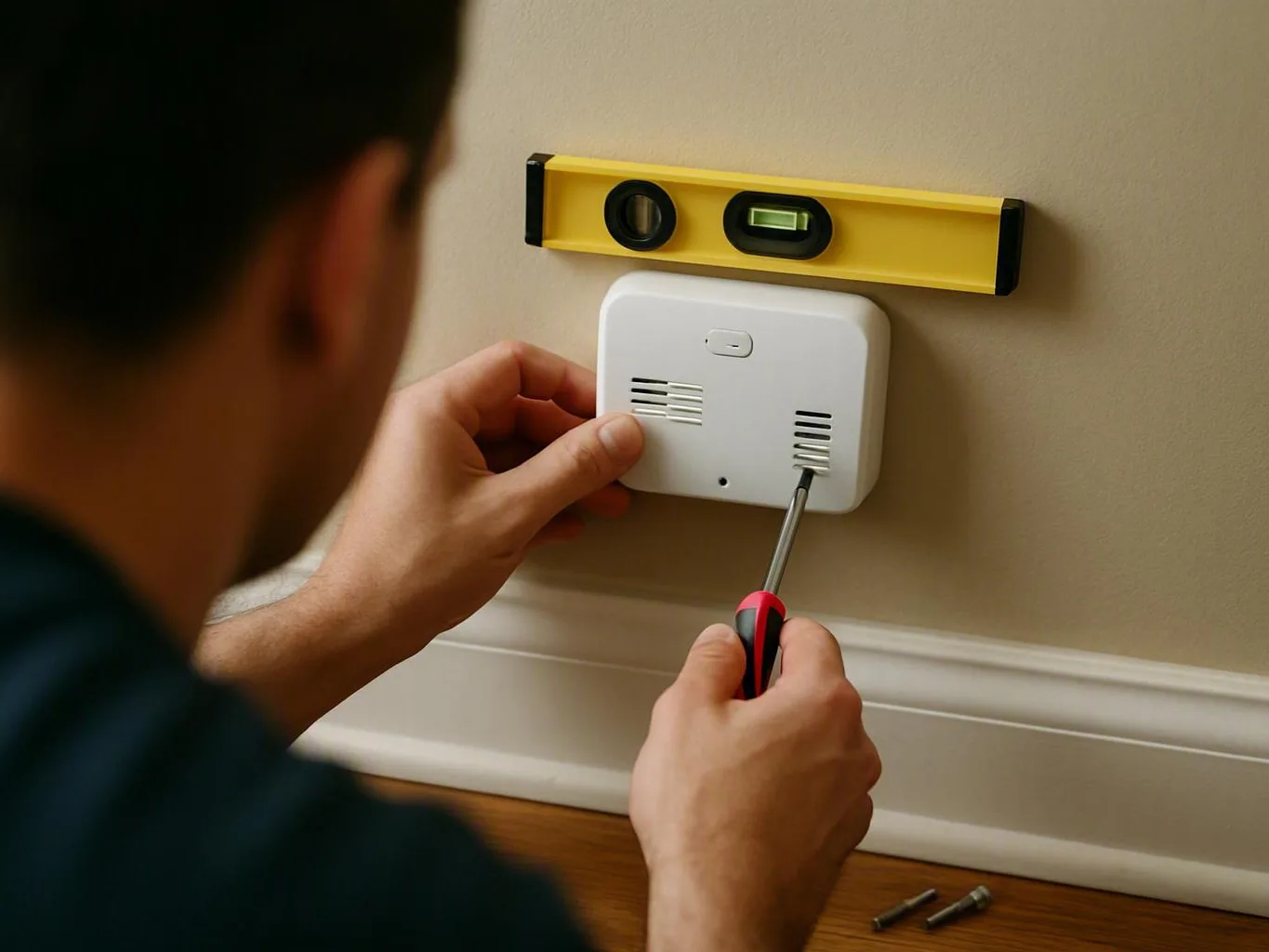
Overload describes an electrical condition. It happens when a circuit carries more current than designed. This condition can continue over time. Conductors and equipment must safely carry the current. Current produces heat as it travels through wire, terminals, receptacles, and switches. As current rises, heat also rises. An overloaded circuit can damage insulation or connections before visible failure appears.
Related glossary terms: Branch Circuit, Circuit, Current.
A circuit breaker or fuse provides overcurrent protection. It opens the circuit when current reaches a dangerous level. This protection works after current stays too high for some time. The device must match the circuit conductors and equipment. A breaker that trips warns that the circuit may have too much demand. It may also signal a loose connection, failing appliance, or other electrical fault.
How Overload Works, Is Measured, or Is Used?
Electricians measure circuit demand in amperes, or amps. The basic relationship is current equals power divided by voltage. A 1,500-watt heater on a 120-volt circuit draws about 12.5 amps. Several appliances can run at the same time. This can push total demand above the circuit rating. Each appliance may still work normally by itself.
Diagnosis starts by finding what shares the circuit. It also checks when the problem occurs. A technician may inspect.panelboard. They may read current with a clamp meter. They may check connections and compare the measured load. They compare it.wire gauge and breaker rating. The solution may involve moving equipment or repairing a device. It may also involve replacing damaged parts. Another option is installing a properly sized dedicated circuit.
Why Overload Matters?

An overload matters because heat can build up in hidden places. Loose terminals, worn receptacles, and damaged insulation can become very hot. Crowded junctions can also become hotter than the breaker detects. Warning signs include warm outlets, burning odors, discoloration, buzzing, and flickering lights. Breakers that trip repeatedly are also warning signs.
Replacing a tripping breaker with a larger breaker doesn't fix an overloaded circuit. The larger device may allow more current than conductors can safely carry. Proper correction depends on the circuit design and conductor size. It also depends on the equipment rating and applicable requirements. These requirements appear.National Electrical Code. The code is also known as NFPA 70.
When Overload Matters Most?
Overload risk rises when high-demand equipment shares a branch circuit. Common examples include space heaters, microwaves, and portable air conditioners. Other examples include refrigerators, sump pumps, power tools, and cooking equipment. Older homes may have circuits that serve many rooms. They may also lack enough capacity for modern appliances.
Pay close attention after remodeling or adding appliances. Also pay attention after converting a garage. Watch for issues after installing equipment with a motor or heating element. These changes can expose limits that weren't present under the original load. In Fort Wayne, electrical work may involve local permit and inspection requirements. The circuit design should be checked before new wiring gets installed. Check it before installing protective devices too.
How to Evaluate Overload?
- Check whether the breaker trips only when several appliances operate at the same time.
- Measure running current and compare it with the circuit rating and equipment nameplate data.
- Inspect outlets, switches, and panel connections for heat, discoloration, buzzing, or damaged insulation.
- Confirm that the breaker size matches the conductor size and connected equipment.
- Determine whether a high-demand appliance needs a dedicated circuit.
Related Concepts Compared
Overload vs. Short Circuit
A short circuit creates an unintended low-resistance path and often causes a rapid, high-current fault. An overload develops when normal equipment demand exceeds a circuit’s safe capacity.
Overload vs. Ground-Fault Circuit Interrupter
A ground-fault circuit interrupter responds to an imbalance between current leaving and returning through a circuit. It does not replace overcurrent protection for an overload.
Overload vs. Load Calculation
A load calculation estimates expected electrical demand for a circuit, feeder, or service. An overload is the unsafe operating condition that can result when actual demand exceeds the design capacity.
Overload vs. Surge Protector
A surge protector limits short voltage spikes from events such as switching or lightning. It does not increase circuit capacity or prevent an overload caused by connected equipment.
Expert Note
A breaker trip does not prove that the breaker is defective. Record which devices were running, inspect for heat or loose connections, and test the circuit under normal operating conditions before replacing protective equipment.
Common Mistakes or Myths About Overload
- Installing a larger breaker to stop nuisance trips without confirming conductor size.
- Assuming a power strip creates more circuit capacity.
- Resetting a tripped breaker repeatedly without finding the cause.
- Ignoring warm outlets, burning smells, buzzing, or visible discoloration.
- Treating an overload and a short circuit as the same problem.
Overload in Practice: A Real-World Example
A 1,500-watt space heater draws about 12.5 amps on a 120-volt circuit. That circuit may trip the breaker or heat a weak connection when both run. Moving the heater to a properly designed circuit may solve the demand problem, but damaged wiring still requires repair.
Related Services
Related Terms
Branch Circuit
Branch Circuit is the portion of an electrical wiring system that carries power from the final…
Circuit
Circuit is a complete path that allows electric current to move from a power source through…
Current
Current is the movement of electric charge through a conductor, device, or circuit. It's measured in…
Load Calculation
Load Calculation is the process of determining how much electrical power a building, panel, feeder, or…
Chris Miller Electric
Have Questions About Overload?
Contact Chris Miller Electric for practical guidance on Overload and related electrician work in Fort Wayne.