
What is a Circuit?
Circuit is a complete path that allows electric current to move from a power source through conductors and equipment, then return to the source. In building wiring, a circuit usually includes wires, a circuit breaker, outlets, switches, and connected loads. The circuit design determines its voltage, current capacity, protection, and safe use. For more detail, see EV Charger Installation in Fort Wayne: Cost, Panel Requirements, and Process.
Quick Facts About Circuit
Category
Electrical system path
Used for
Delivering power to electrical loads
Measured by
Voltage, current, and resistance
Common confusion
A circuit is not the same as a circuit breaker
Also called
Electrical circuit, Electric circuit
Often discussed with
Electrical Troubleshooting, Dedicated Circuit Installation
Key Takeaways About Circuit
- A circuit needs a complete path before current can flow through connected equipment.
- Circuit breakers protect circuit conductors from overloads and short circuits.
- Circuit voltage and ampacity must match the equipment and wire size.
- A branch circuit supplies power from a panelboard to outlets, lights, or appliances.
Understanding Circuit
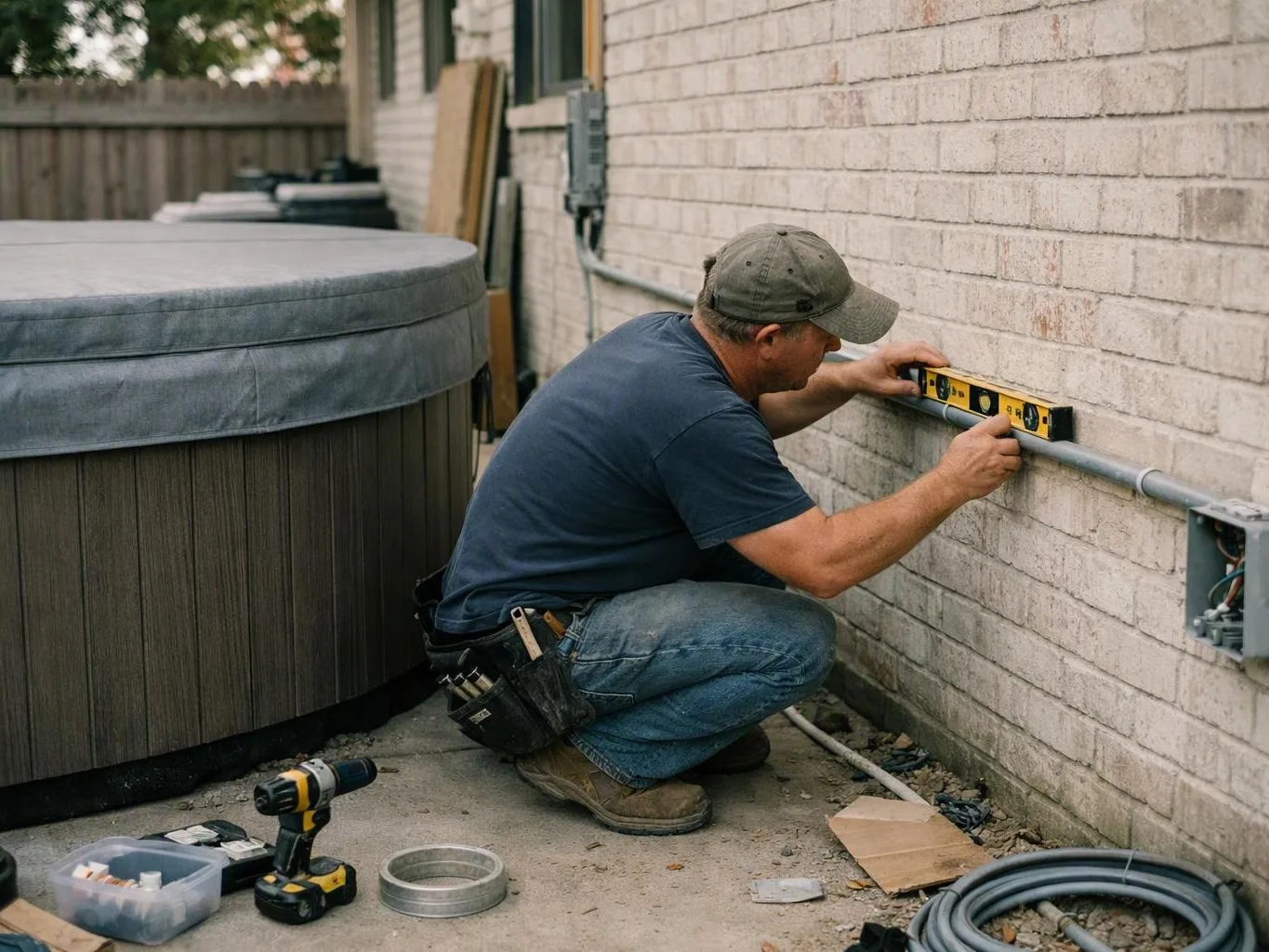
Circuit describes a complete electrical path between a power source and a load. The path contains a hot conductor that carries power outward. It also contains a neutral conductor that carries current back. Protective grounding parts complete the path. A load may be a light, receptacle, motor, heater, or electronic device.
Related glossary terms: Branch Circuit, Current, Voltage.
Building circuits start at a panelboard. A circuit breaker protects the conductors there. The wiring travels to outlets, switches, or connected equipment. A circuit may serve several small loads. A large appliance often needs a dedicated circuit. This keeps its demand from overloading shared wiring.
How Circuit Works, Is Measured, or Is Used?
Current flows only when the circuit forms a continuous path. A switch opens or closes part of that path. This stops or permits current flow. The source provides voltage. The load consumes electrical energy. The conductors carry current between those points.
Electricians evaluate circuits through voltage, amperage, resistance, and wattage. Ohm's Law shows their relationship as V = I × R. V means voltage. I means current. R means resistance. Power follows P = V × I. A 1,500-watt heater uses about 12.5 amperes. This applies on a 120-volt circuit before counting other loads.
The circuit's ampacitymust match the wire size and insulation rating. It must also match the breaker rating and installation conditions. A breaker that trips repeatedly may signal an overload or short circuit. It may also signal a failing device or wiring fault. Testing may involve.multimetervoltage tester, clamp meter, or continuity tester. The correct tool depends on the task.
Why Circuit Matters?
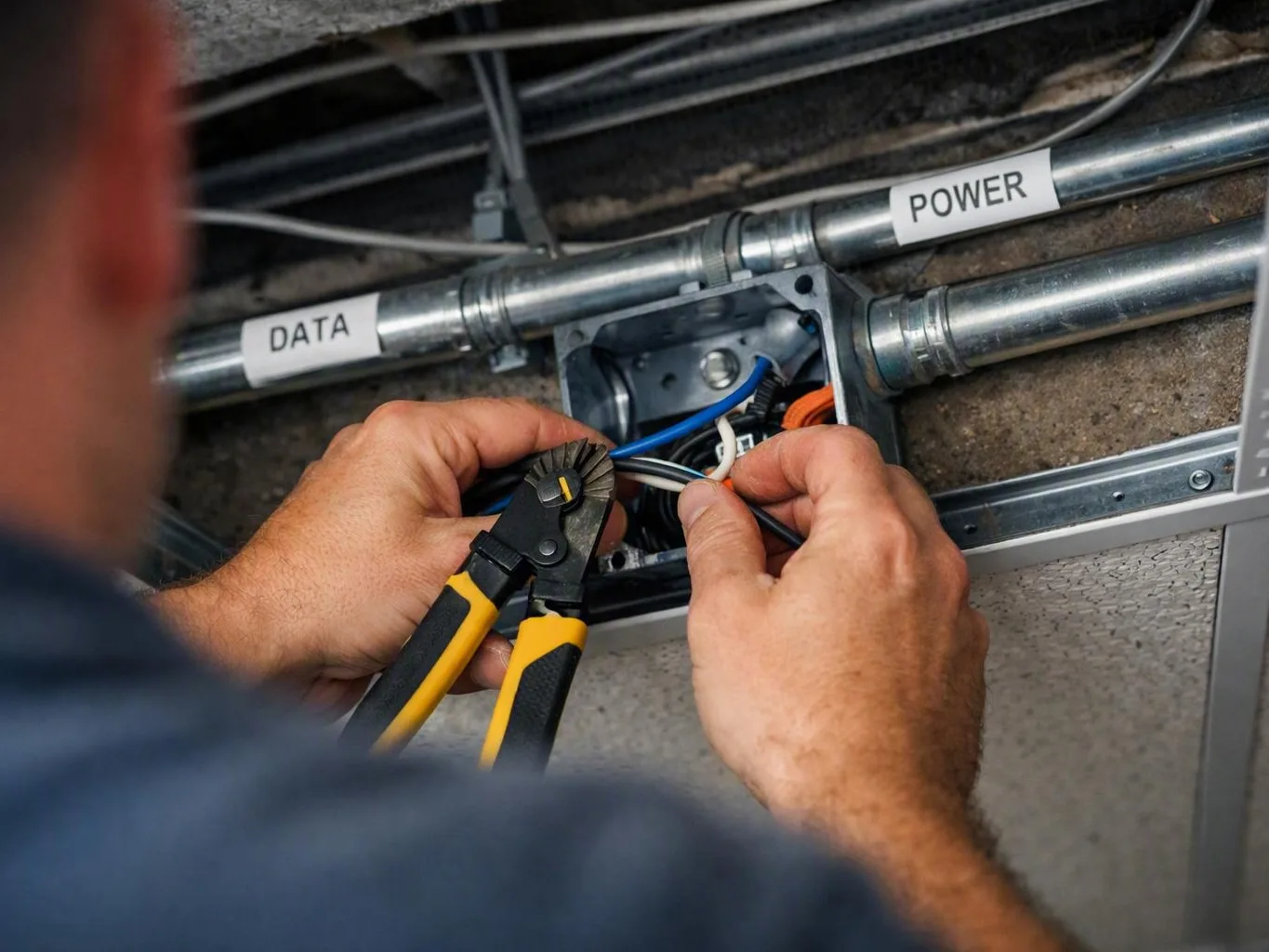
Correct circuit design protects people, equipment, and the building. A properly sized circuit limits heat in the conductors. It lets the protective device open the circuit during abnormal current. Poor sizing can damage insulation or cause nuisance trips. It can also create a fire hazard.
Safety devices add protection for specific conditions. A ground-fault circuit interruptermonitors current balance. It can disconnect power when current takes an unintended path.arc-fault circuit interrupter detects certain dangerous arcing patterns. These devices don't replace correct wiring, grounding, bonding, or suitable circuit capacity.
When Circuit Matters Most?
Circuit planning becomes important during kitchen remodels and heating equipment installations. It also matters for electric vehicle charger work and panel changes. These projects can add large loads. Existing wiring can't always support them. A load calculation helps determine the needed capacity. It checks the service, panel, breakers, and conductors.
Older homes may have damaged insulation or shared neutrals. They may also have missing grounding paths or outdated circuit layouts. Warning signs include warm outlets, buzzing, and flickering lights. Other signs include repeated breaker trips, burning odors, and equipment shocks. Stop using affected equipment. Arrange testing before replacing a breaker with a larger one.
How to Evaluate Circuit?
- Confirm the circuit voltage matches the nameplate voltage of every connected appliance.
- Compare the breaker rating with the permitted ampacity of the circuit conductors.
- Check whether the circuit has grounding, bonding, and required GFCI or AFCI protection.
- Look for warm devices, discoloration, buzzing, flickering, or repeated breaker trips.
- Ask whether a load calculation supports any new heater, motor, charger, or appliance.
Related Concepts Compared
Circuit vs. Circuit Breaker
A circuit is the complete path that carries power. A circuit breaker is the protective device that opens that path when current becomes unsafe.
Circuit vs. Branch Circuit
A branch circuit is a specific type of circuit that runs from the final overcurrent device to outlets or loads. The word circuit can describe this arrangement or other electrical paths.
Circuit vs. Short Circuit
A short circuit is an unintended low-resistance path that causes excessive current. It is a fault condition within or across a circuit, not a normal circuit type.
Circuit vs. Electrical Service
Electrical service brings utility power to a building's service equipment. Circuits distribute that power from the equipment to building loads.
Expert Note
A breaker size alone does not prove that a circuit is safe. Wire material, wire size, terminal ratings, installation method, ambient conditions, and connected load all affect the result. Replacing a tripping breaker with a larger one can overheat conductors.
Common Mistakes or Myths About Circuit
- Assuming a circuit breaker protects appliances instead of primarily protecting circuit conductors.
- Installing a larger breaker to stop nuisance trips without checking wire ampacity.
- Adding several high-wattage appliances to a general-purpose circuit.
- Confusing a tripped breaker with proof that the wiring has no other fault.
- Ignoring warm outlets, burning odors, flickering lights, or buzzing sounds.
Circuit in Practice: A Real-World Example
A 120-volt kitchen circuit supplies countertop receptacles through a 20-amp breaker and copper conductors sized for that circuit. If a toaster and microwave draw too much power at the same time, the breaker may trip to protect the wiring. A new appliance may need its own dedicated circuit.
Sources & Further Reading on Circuit
Related Terms
Branch Circuit
Branch Circuit is the portion of an electrical wiring system that carries power from the final…
Current
Current is the movement of electric charge through a conductor, device, or circuit. It's measured in…
Voltage
Voltage is the electrical pressure that pushes electric charge through a circuit. Measured in volts, voltage…
Short Circuit
Short Circuit is an unintended low-resistance path that lets excessive electric current flow between points at…
Chris Miller Electric
Have Questions About Circuit?
Contact Chris Miller Electric for practical guidance on Circuit and related electrician work in Fort Wayne.