
What is Electrical Permit?
Electrical Permit is official approval from a government authority to install, alter, or extend electrical wiring and equipment. The permit connects proposed work to adopted electrical codes, plan review, inspections, and a final approval record. Requirements vary by location, project type, building use, and whether a licensed electrical expert performs the work.
Quick Facts About Electrical Permit
Category
Regulatory approval
Used for
Electrical installation and alteration work
Relevant standard
Adopted National Electrical Code requirements
Common confusion
A permit is not the same as an electrician license.
Also called
Electrical installation permit, Electrical construction permit
Often discussed with
Electrical Inspections, Electrical Code Corrections
Key Takeaways About Electrical Permit
- A permit shows planned electrical work will follow the adopted electrical code.
- Permit needs depend on project scope, property use, and local authority rules.
- Inspections often happen before walls, ceilings, or other finishes cover the wiring.
- A final approval record can support safe occupancy, resale, insurance, and future maintenance.
Understanding Electrical Permit
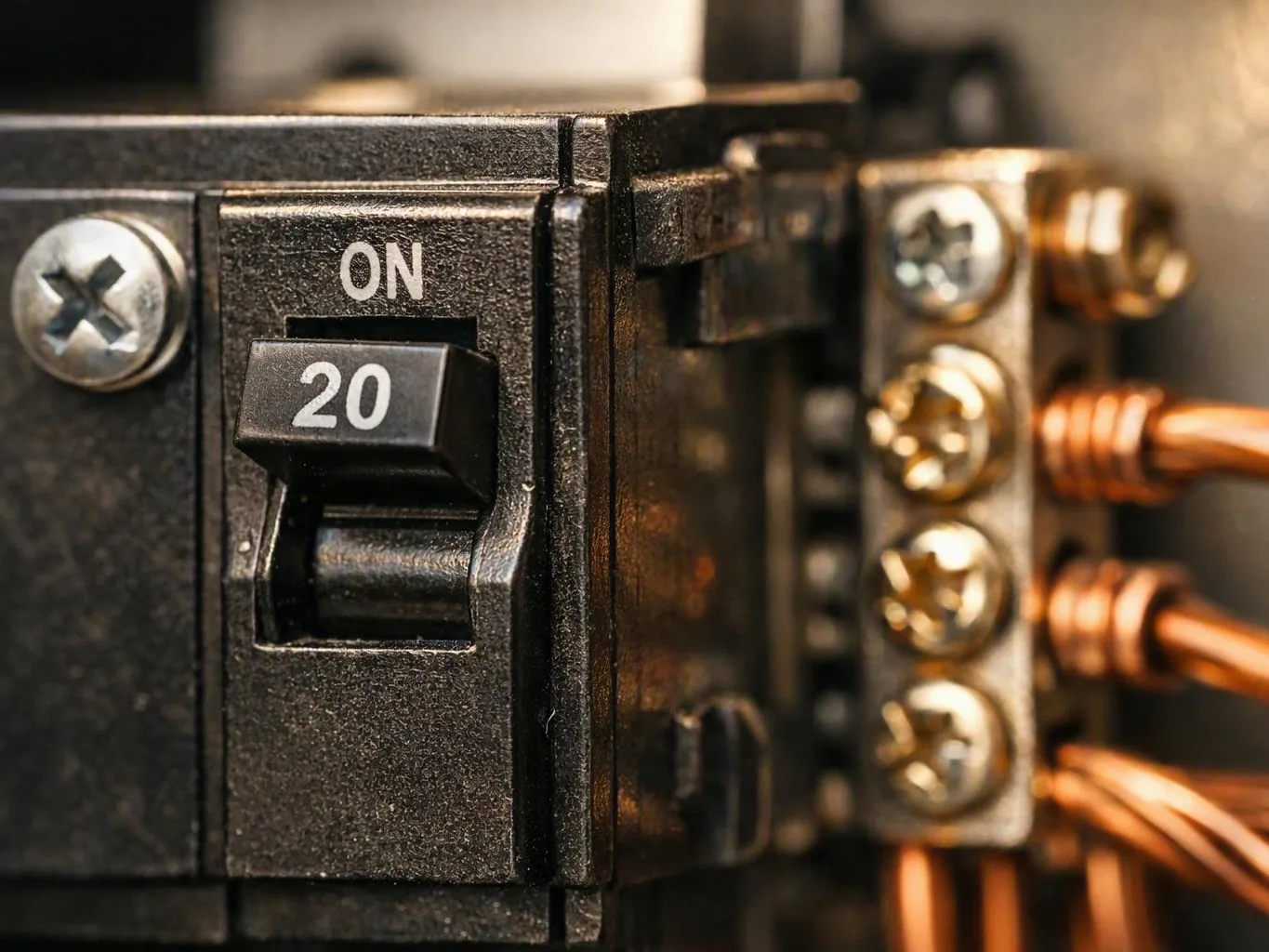
Electrical Permit is formal approval from a building department or local authority. It comes before certain electrical work begins. It identifies the project, location, responsible party, and covered work. The permit process lets the authority review plans. It confirms the installation follows the adopted National Electrical Code and local rules.
Related glossary terms: Electrician License, National Electrical Code, Load Calculation.
A permit doesn't replace an electrician license. It doesn't guarantee that every installation part is safe. It creates a process for following rules. This process normally includes an application, fee, and plan review. It may also include inspections and final approval. Small repairs may qualify for an exception. New circuits, service changes, remodel wiring, and new construction often need permits.
How Electrical Permit Works, Is Measured, or Is Used?
The property owner, contractor, or authorized applicant submits project details. They send these details to the permitting authority. Details may include the address, load calculation, equipment ratings, circuit information, and wiring diagram. The authority reviews the proposal against local requirements. It also checks the adopted code edition, zoning rules, and building type.
After approval, the permit must remain available for inspection. An inspector checks accessible work for several items. These include grounding, conductor sizing, boxes, disconnects, and protection devices. The inspector also checks panel labeling. Inspections often occur at rough-in before finishes hide wiring. They also happen at final completion. The project record depends on its approved scope and inspection results. It also depends on its final status, not the permit document alone.
Why Electrical Permit Matters?

Permitting creates an independent checkpoint before workers conceal electrical work. A review can find an undersized conductor or missing GFCI protection. It can also find poor working space or an overloaded panelboard. These problems can be found before the installation receives power. Corrections during construction usually cost less than opening finished walls. They also cost less than replacing equipment later.
A completed permit record provides useful evidence about the property. Buyers, insurers, lenders, and future electricians may ask about approval. They may ask if major electrical work received approval. Unpermitted work can delay a sale or cause correction costs. It can also create questions about code compliance. Local rules determine the legal effect. The permit authority remains the final source for project requirements.
When Electrical Permit Matters Most?
Permit questions matter most during a service upgrade, remodel, addition, or new building project. They also matter when equipment needs a dedicated circuit. Examples include electric vehicle chargers, generators, heat pumps, pools, hot tubs, and large appliances. These projects can change the electrical load. They can also add special protection requirements.
Ask about a permit before work starts. This matters when wiring will be concealed or utility service will change. Check that the permit description matches the actual scope. Check that required inspections are scheduled. Check that final approval is recorded. In Fort Wayne, Indiana, requirements may depend on the local authority and project location. An application should follow the current local process. It shouldn't follow an assumption from another jurisdiction.
How to Evaluate Electrical Permit?
- Confirm which local authority issues the permit for the property address.
- Compare the permit description with the actual circuits, equipment, and service work planned.
- Check whether rough-in and final inspections are required before finishes conceal wiring.
- Verify that the permit shows final approval rather than only an application or issued status.
- Ask which code edition and local amendments govern the project.
Related Concepts Compared
Electrical Permit vs. Electrician License
An electrician license qualifies a person or business to perform regulated electrical work. An electrical permit approves a specific project at a specific location.
Electrical Permit vs. Electrical Inspection
An inspection is an on-site review of installed work. A permit authorizes the project and creates the record under which inspections occur.
Electrical Permit vs. National Electrical Code
The National Electrical Code is a safety standard for electrical installations. An electrical permit is the local approval process used to enforce the adopted code.
Electrical Permit vs. Certificate of Occupancy
A certificate of occupancy addresses whether a building may be occupied. An electrical permit addresses the approval and inspection of electrical work within that building.
Expert Note
A permit can cover only the work listed in its approved scope. If the project expands, the applicant may need a revision or an additional permit. Never assume a final inspection covers work installed after the inspection.
Common Mistakes or Myths About Electrical Permit
- Assuming a permit is unnecessary because the work is inside a private home.
- Treating an electrician license as a substitute for a project permit.
- Covering wiring before the required rough-in inspection occurs.
- Leaving a permit open after the final inspection is complete.
- Adding circuits or equipment that the approved permit does not describe.
Electrical Permit in Practice: A Real-World Example
A homeowner in Fort Wayne adds a 240-volt circuit for an electric vehicle charger. The application lists the charger, circuit rating, panel location, and needed protection. After installation, an inspector checks exposed work and records final approval before closing the project.
Sources & Further Reading on Electrical Permit
Related Terms
Electrician License
Electrician License is a government-issued credential that permits a qualified person or electrical contractor to perform…
National Electrical Code
National Electrical Code is a safety standard for electrical design, installation, and inspection in homes, buildings…
Load Calculation
Load Calculation is the process of determining how much electrical power a building, panel, feeder, or…
Chris Miller Electric
Have Questions About Electrical Permit?
Contact Chris Miller Electric for practical guidance on Electrical Permit and related electrician work in Fort Wayne.