
Skip to content

Transfer Switch Installation in Roanoke, Indiana

A manual handle that feels loose or won't move can signal a transfer switch concern in Roanoke. We inspect the switch, controls, and wiring before planning the work.

Licensed & InsuredWarranty AvailableSame-Day ServiceUpfront, Transparent Pricing

Dedicated Service Coverage in Roanoke

Transfer switch installation in Roanoke is provided by Chris Miller Electric for residential and commercial systems, including switch setup, wiring checks, and testing. Our 24-hour electrician service also handles urgent electrical concerns across Fort Wayne, New Haven, Leo-Cedarville, Huntertown, and nearby Allen County communities.

  • What we do: Chris Miller Electric provides transfer switch installation for homes and businesses in Roanoke, Indiana.
  • What is included: Switch inspection, control wiring, load checks, manual operation review, and testing and verification.
  • What you get: The customer receives a transfer switch setup that is checked for proper source selection and connected load operation.

Why does a transfer switch handle feel stiff or fail to move?

A stiff or stuck handle can point to a mechanical, wiring, or source-control problem. Stop forcing the handle and keep the electrical load isolated if it is safe to do so. Chris Miller Electric can inspect the switch, control wiring, and connected equipment to identify the repair or installation work needed.
Transfer Switch Installation for Roanoke Properties

Transfer switch installation focuses on the switchgear between a normal power source and a backup source. We review the equipment, the connected circuits, and the control path so the planned setup matches the property's electrical needs.

The key buyer decision is whether the job needs a manual switch or automatic controls. A manual setup requires someone to operate the switch, while an automatic system uses controls to change sources without manual action. We explain that difference before setting the work scope.

This service fits homeowners, property managers, and businesses planning backup power or correcting an existing transfer setup. It isn't the right job for a utility outage that affects the incoming supply, or for a generator that needs separate mechanical repair.

  • Confirm which electrical loads need backup power.
  • Check the transfer switch, source conductors, and control wiring.
  • Review whether manual operation or automatic controls fit the property.
  • Test source selection and connected load operation after the work.
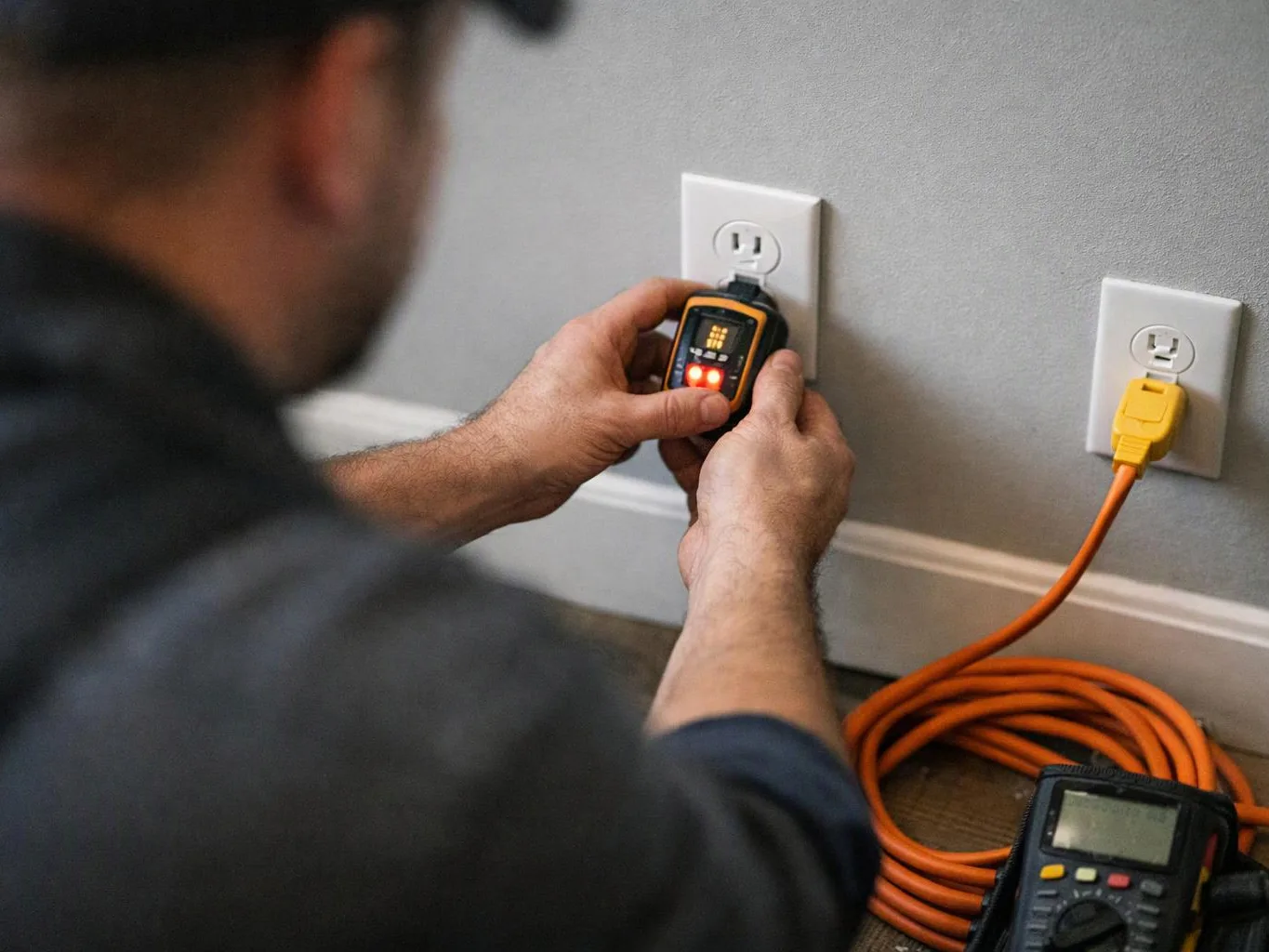
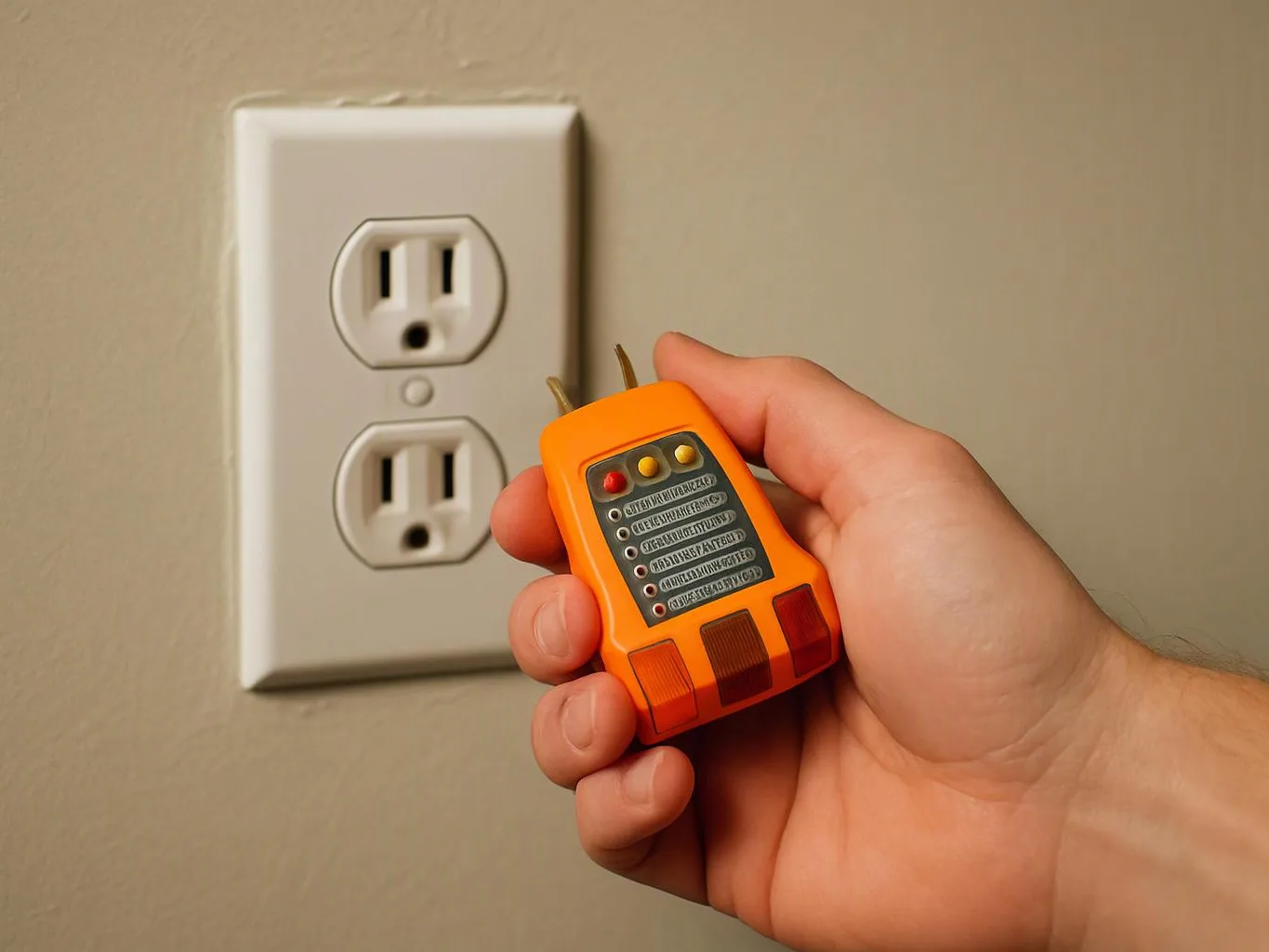
A hand holds an orange outlet tester beside a white wall electrical socket

Service Overview

Transfer switch installation is electrical work that connects and checks a switch used to move selected loads between power sources.

  • A transfer switch differs from generator installation because it manages source selection and load connection, while generator work focuses on the power unit itself.
  • Chris Miller Electric provides this service for residential and commercial properties in Roanoke and surrounding Allen County communities.

What a Properly Set Transfer Switch Changes

The selected circuits have a defined path between the normal and backup sources.

A clear operating method helps property owners know how the switch should be used.

Load management reduces the chance of connecting more equipment than the backup source can support.

Testing helps identify control wiring or source-selection issues before the system is needed.

Businesses can plan backup power around the circuits that matter most to daily operations.

Process

How We Complete Transfer Switch Work

1

Inspect the existing transfer equipment

We check the switch body, operating parts, source conductors, panel connections, and visible signs of heat or damage.

2

Map the planned electrical loads

We identify which circuits should transfer and review the load placed on the backup source.

3

Choose manual or automatic operation

We compare the operating method with the property owner's needs, control wiring, and source equipment.

4

Connect the switch and controls

We complete the approved electrical connections and address the control path needed for the selected setup.

5

Test source selection and loads

We check transfer operation, connected circuits, and control response before explaining how the system should be used.

How We Approach Transfer Switch Decisions

Match the switch to the operating need

We start with the decision between manual operation and automatic controls. The right choice depends on who will operate the system, which loads need power, and how the backup source is controlled.

Check load management before connection

We look at the circuits that will transfer and the demand they place on the backup source. That review helps define a workable load plan before conductors and controls are connected.

Know when another service fits

Transfer switch installation is the wrong job when the concern is only a utility outage, a failed generator engine, or a panel problem unrelated to source transfer. We can identify that distinction during the electrical assessment.

The scope this service is meant to handle

A typical property owner may plan backup power for selected home or business circuits, then find that the existing switch does not match the intended load. We check source conductors, control wiring, and circuit connections before choosing the work scope. The owner then receives a direct explanation of the switch type and testing needed.

What Transfer Switch Work Includes

Chris Miller Electric provides comprehensive Transfer Switch Installation in Roanoke. Here's what you get:

  • We inspect the transfer switch and its manual operating parts.
  • We review the normal source, backup source, and connected electrical loads.
  • We check control wiring and the signals that guide source selection.
  • We connect or adjust the switch as the approved work scope requires.
  • We perform testing and verification after the installation or service work.
  • We explain the operating steps and any further electrical work the property needs.

Manual and Automatic Transfer Switch Choices

The main choice is how the property starts and controls the transfer between power sources.

Transfer switch optionHow operation worksWhat we review
Manual transfer switchA person operates the switch handle.We review access, operating steps, selected loads, and safe source separation.
Automatic transfer switchControls direct the transfer sequence.We review control wiring, source signals, transfer timing, and load management.

The Chris Miller Electric Standard

  • Any-Hour Service
  • Urgent Requests
  • Troubleshooting Repairs
  • Electrician Support

Questions About Transfer Switch Work

What is the difference between automatic and manual transfer switches?

A manual handle requires a person to operate the switch, while automatic controls direct source transfer without manual action. Chris Miller Electric reviews the backup source, selected loads, and control wiring before recommending the fit. Manual operation suits owners who can manage the switch, while automatic operation suits systems that need controlled source changes without hands-on operation.

Who is a good fit for transfer switch installation, and who needs another service?

Homeowners and businesses planning backup power for selected circuits are good fits for transfer switch installation. We review the source, panel, and load plan before quoting the work. A utility outage, failed generator engine, or unrelated breaker problem needs a different electrical service, so we identify that issue during the assessment.

What does the crew look at first during transfer switch work?

The existing switch, source conductors, and connected loads receive the first inspection. We look for damage, loose connections, unsuitable load connections, and control wiring issues. That first check helps us decide whether the job needs a new switch, wiring changes, testing, or a separate repair.

What happens at each stage of the installation?

The work moves from equipment inspection to load review, switch selection, electrical connection, and final testing. We identify the circuits that need backup power before connecting the transfer path. Testing and verification then confirm that source selection and connected loads respond as planned.

Which part of this job changes the quote most?

The switch type, connected load, source equipment, and control wiring usually shape the quote most. We also review panel access and the work needed to connect selected circuits. Free estimates from Chris Miller Electric explain the requested scope before you decide how to proceed.

When should a transfer switch receive an electrical assessment?

An assessment is appropriate when the switch will not operate, backup loads need to change, or a new backup source is planned. We inspect the switch and wiring before anyone forces a handle or changes connections. A burning smell, buzzing panel, or sparking outlet calls for urgent electrical attention.

Which loads should a business place on a transfer switch?

A business should prioritize circuits tied to safety, critical equipment, and essential operations. We review the intended loads against the backup source and panel connections. Load management matters because transferring too many circuits can exceed what the source and wiring can support.
Contact

Request a Transfer Switch Installation Quote in Roanoke

Tell Chris Miller Electric which circuits you want to support, and urgent requests get priority scheduling.

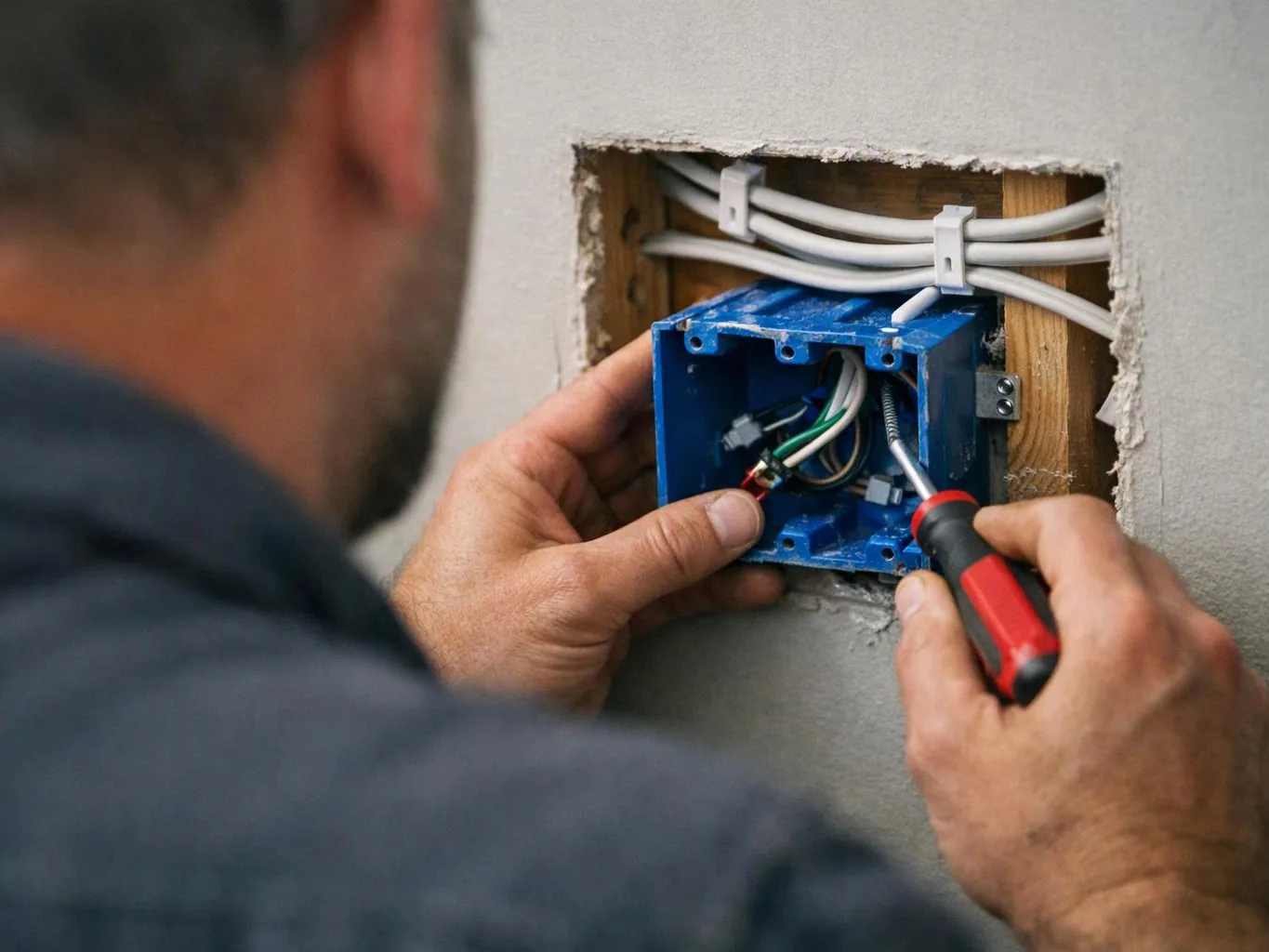
A worker installs wires into a blue wall electrical box with a screwdriver

ZIP Codes We Serve in Roanoke, Indiana

46783

Transfer Switch Installation in Other Areas

(260) 305-8344