Why does a light switch feel hot during normal use?
Dimmer mismatch can make a switch feel hot during normal use. An overloaded switch, loose connection, aged wiring, or high wattage can also create heat. We inspect the control, box, wiring, and connected load. Turn off the circuit if you notice burning odor, discoloration, or sparks.
Who is a good fit for light switch repair, and who needs a different service?
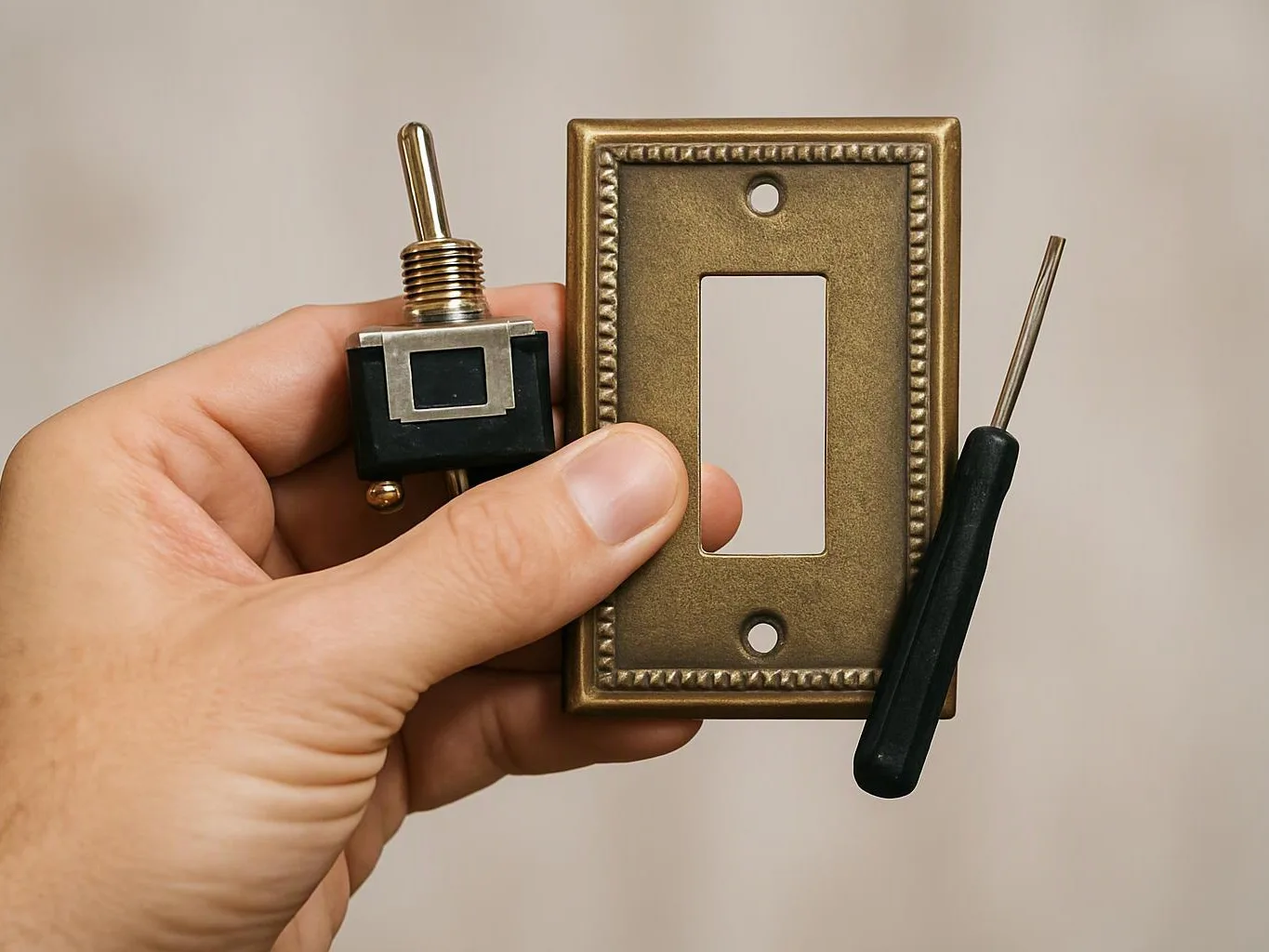
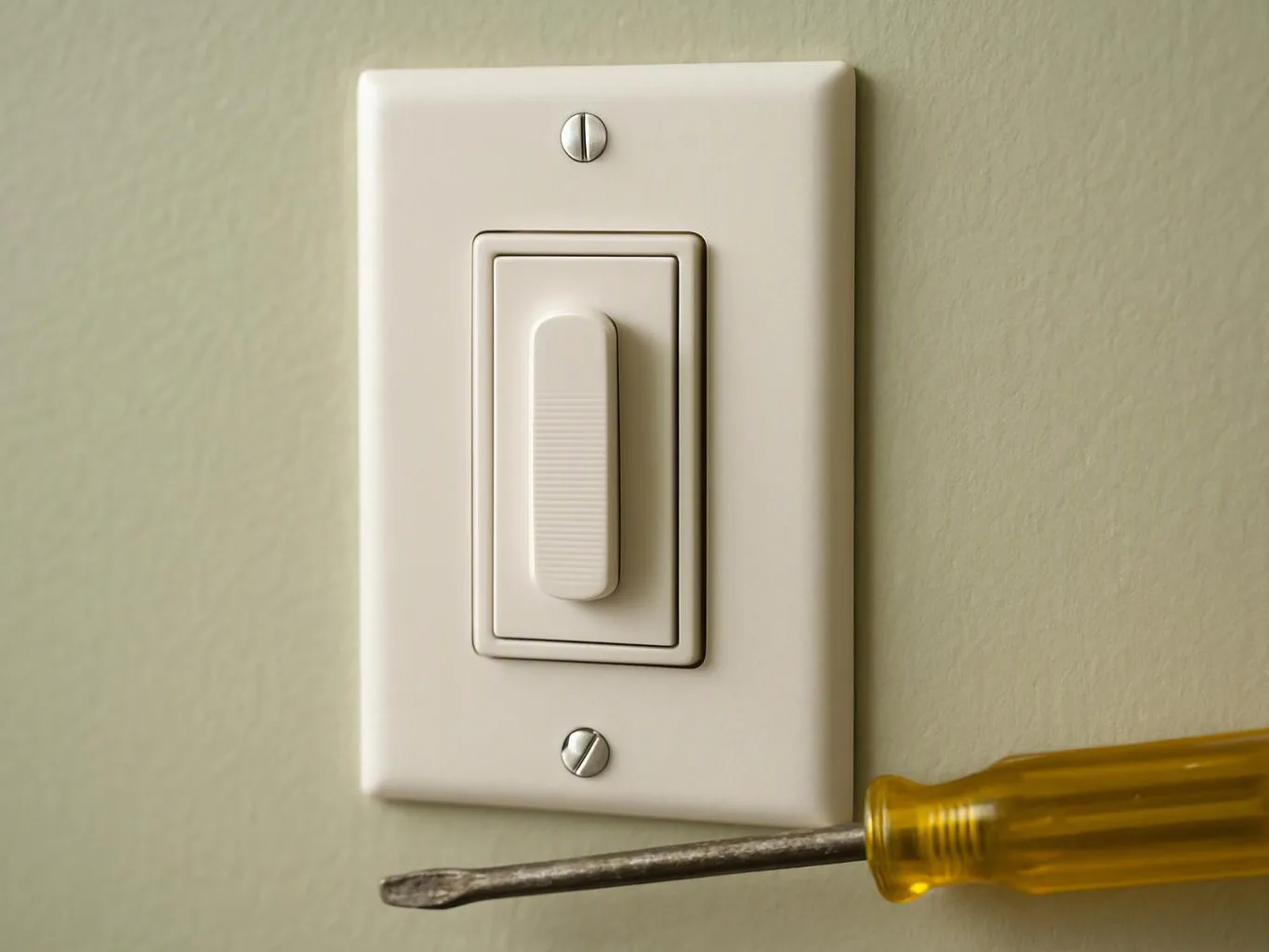
Light switch repair fits a faulty wall control, warm plate, loose connection, or damaged switch. We handle the inspection and repair for residential and commercial properties. A panel problem, service entrance issue, or broad rewiring need calls for a wider electrical service after diagnosis.
What happens at each stage of light switch repair?
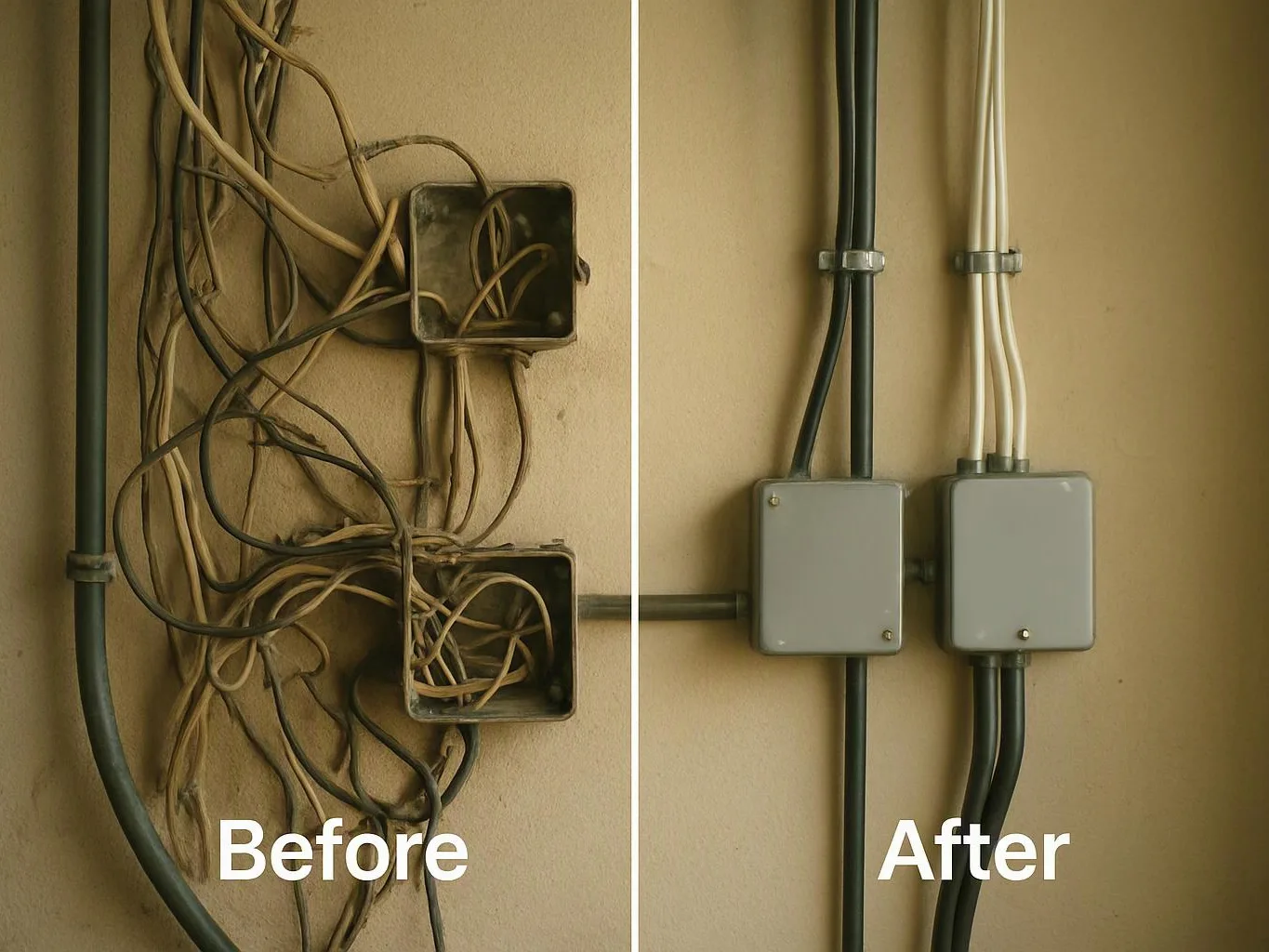
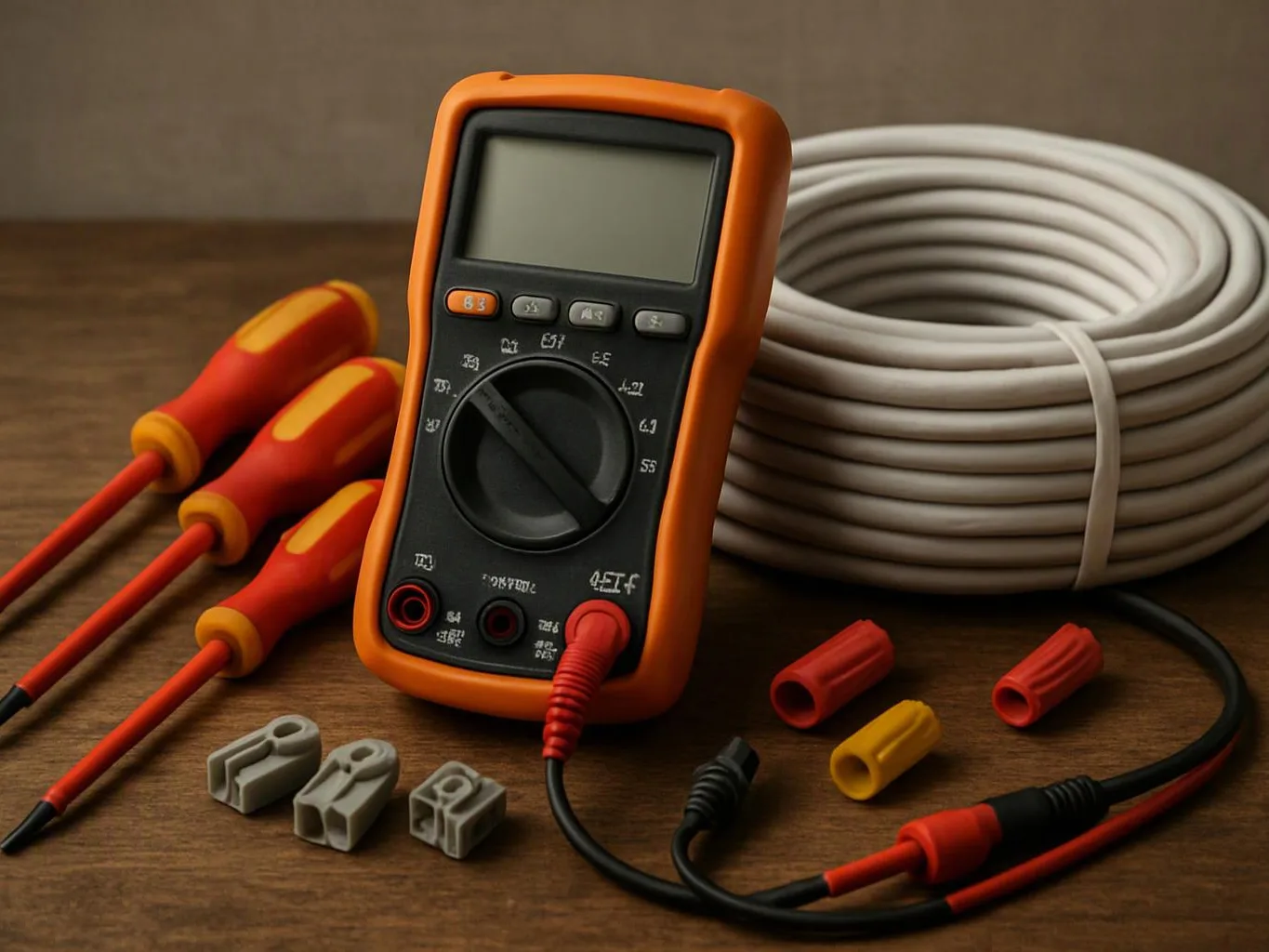
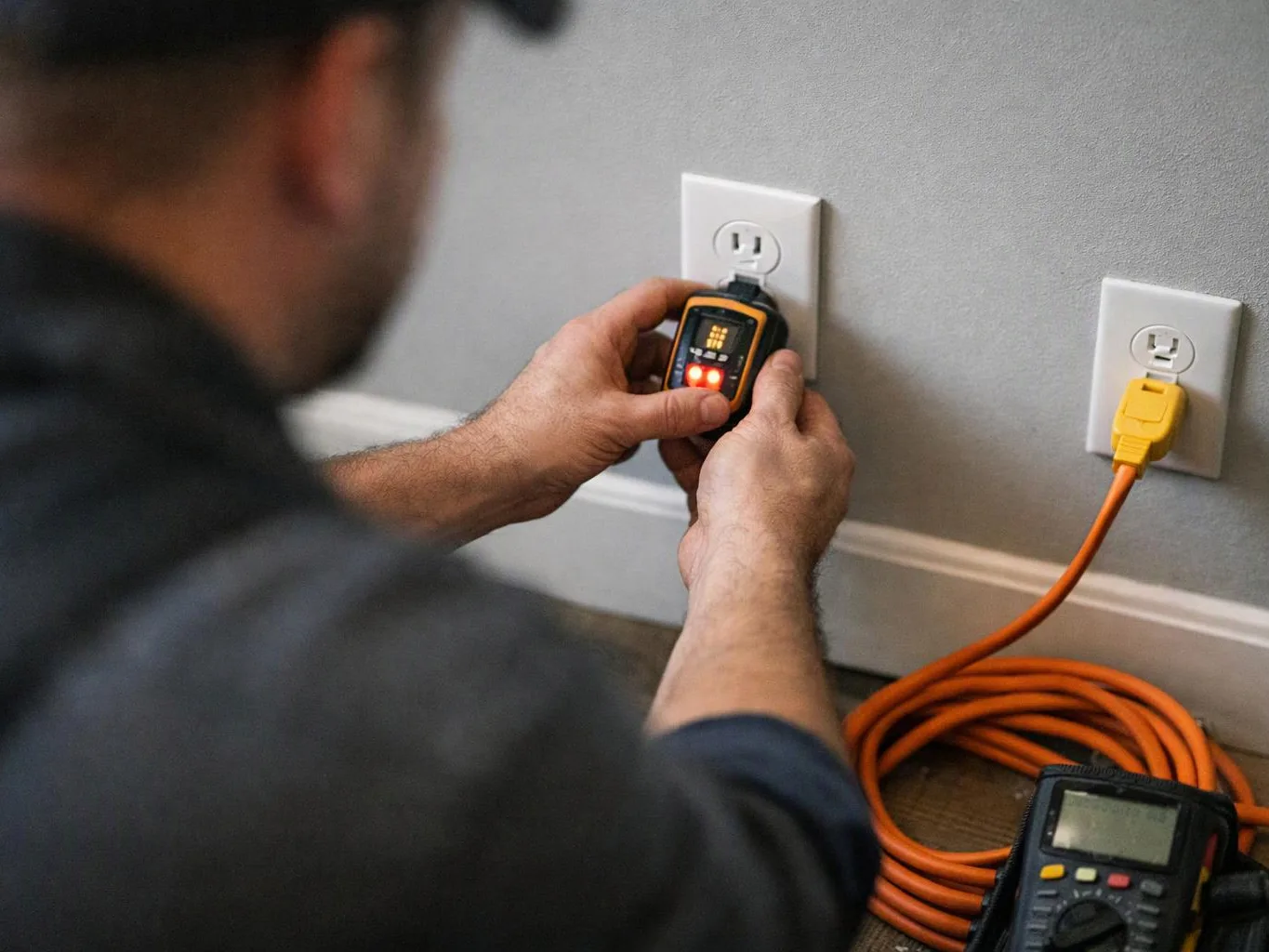
The repair starts with a switch inspection and circuit isolation. We then check the box, wiring, load, and control type before setting the scope. The final stage includes repair or replacement, testing, and an explanation of any related electrical concern.
What does the crew look at first during light switch repair?
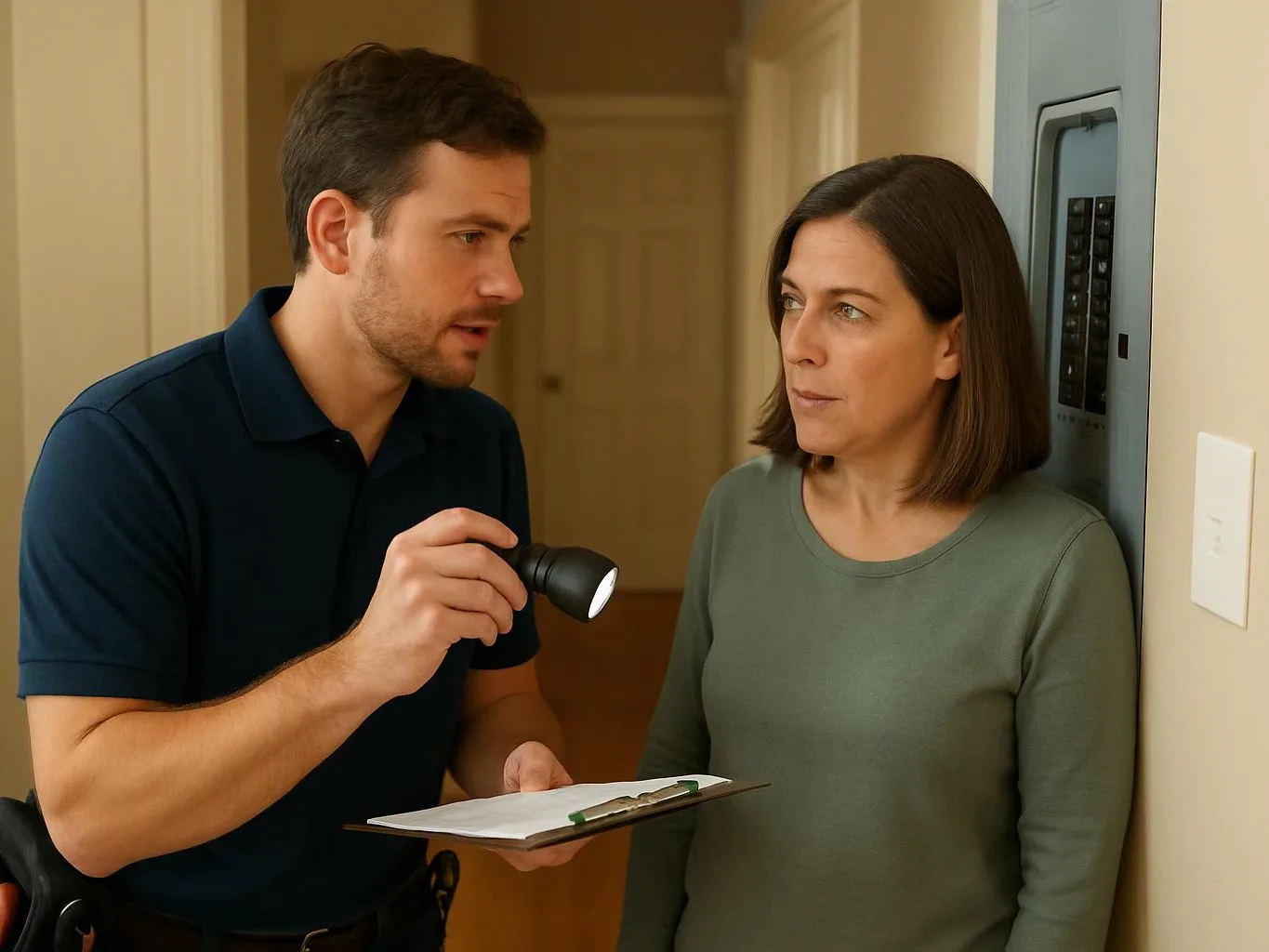
The switch plate and control come first because heat, damage, and discoloration show where to focus. We then inspect the box and wire connections. Customers should mention any flickering, odor, sparking, or recent light change because those details guide circuit testing.
Which switch problems need urgent electrical attention?
Sparking, burning odor, severe heat, or visible charring needs urgent electrical attention. Turn off the affected circuit if you can do so safely and keep the area unused. We inspect for a damaged switch, loose connection, overloaded circuit, or wiring fault.
How does a dimmer mismatch affect a light switch?
A dimmer mismatch can create heat, flicker, poor control, or early switch failure. We compare the dimmer with the connected light and check the circuit load. Customers should avoid changing bulbs or controls repeatedly until the switch and fixture match have been inspected.
What information helps you assess a switch problem?
The switch type, connected light, symptoms, and recent changes help us assess the problem. Tell us whether the plate feels warm, the control sparks, or the light flickers. A photo of visible damage can also help before we inspect the circuit in person.