What causes electrical wires to overheat?
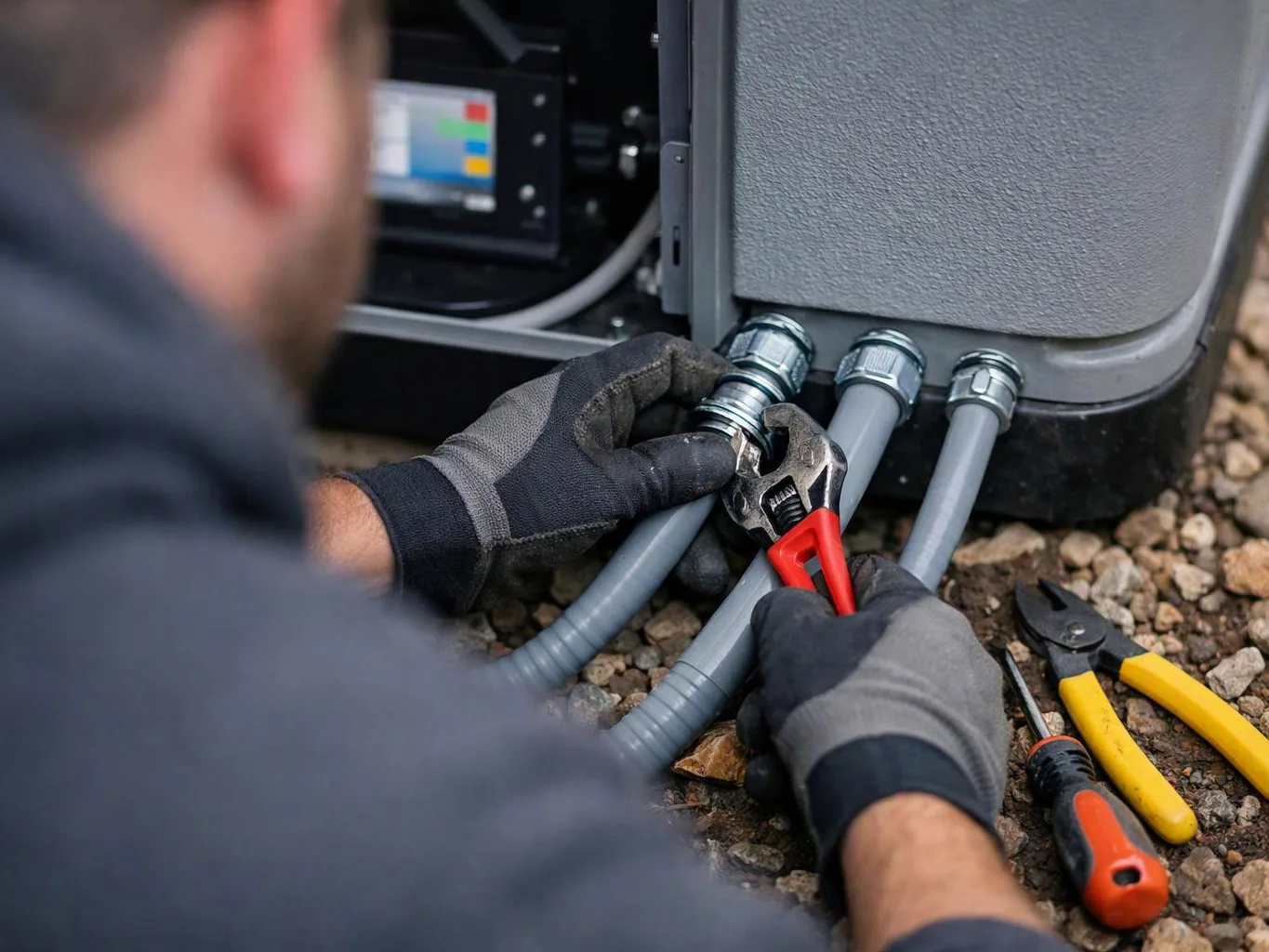
Poor connections cause electrical wires to overheat by creating resistance at terminals or splices. Overloaded circuits and undersized conductors can add heat as demand rises. We inspect the connection, circuit path, conductor size, and connected loads to find the cause. A burning smell or buzzing panel calls for urgent attention.
Who is a good fit for electrical wiring repair, and who needs a different service?
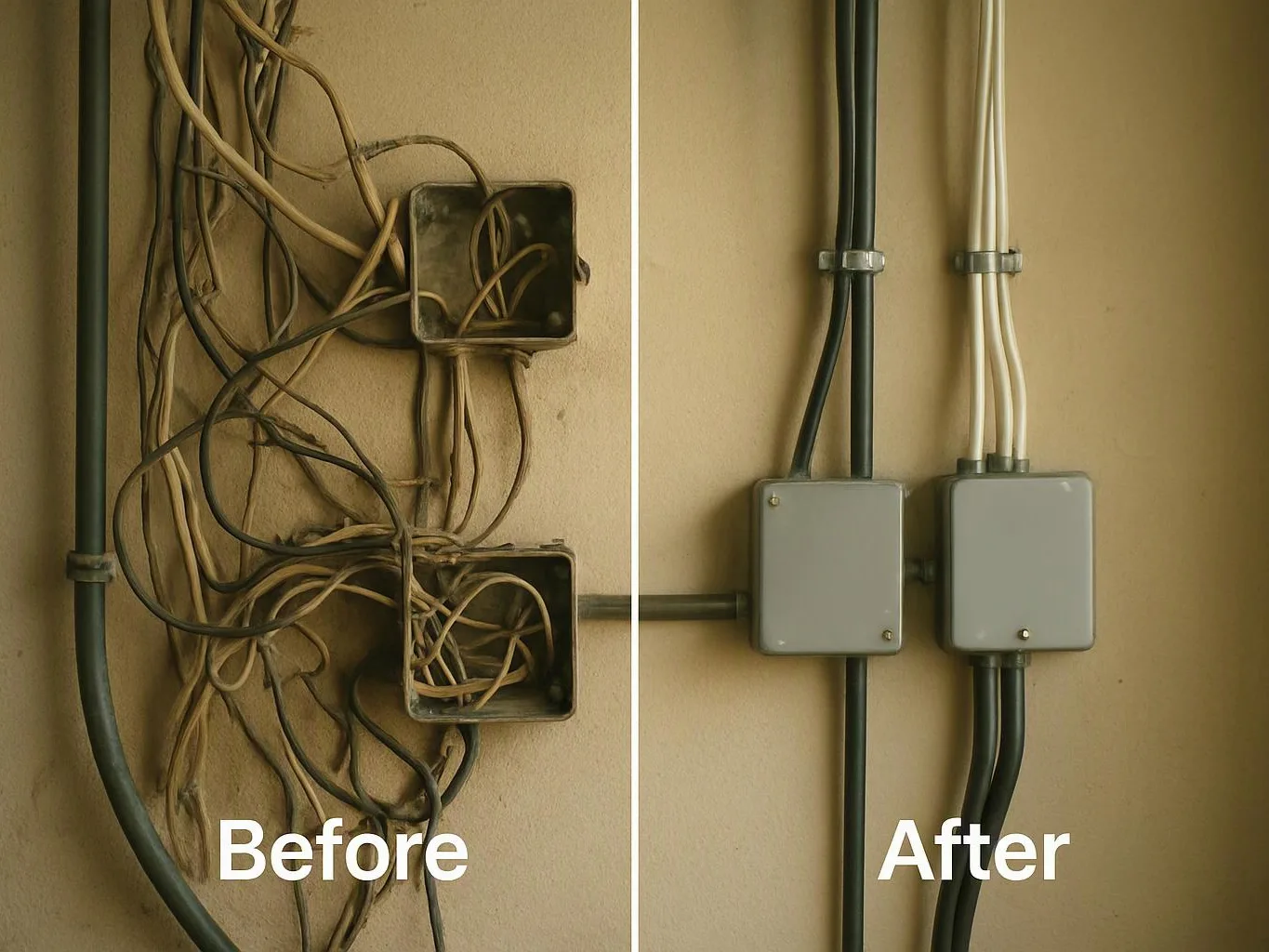
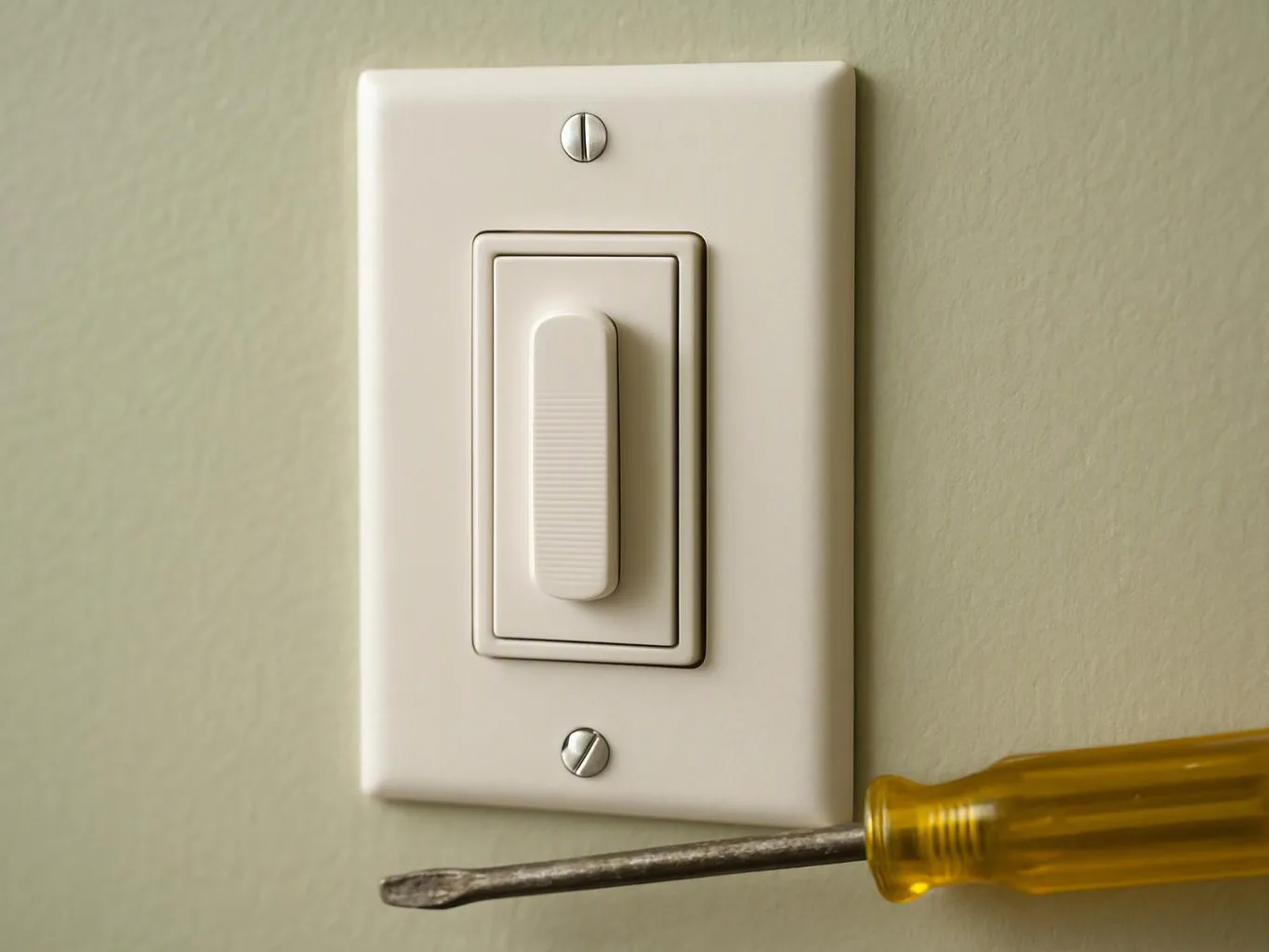
Electrical wiring repair fits a known fault at an outlet, switch, circuit, junction box, or wiring connection. Chris Miller Electric handles that diagnosis and repair for homes and businesses. A panel upgrade, service entrance upgrade, or whole-house rewiring needs a broader electrical scope. We explain which job fits the condition we find.
What does the crew look at first during wiring repair?
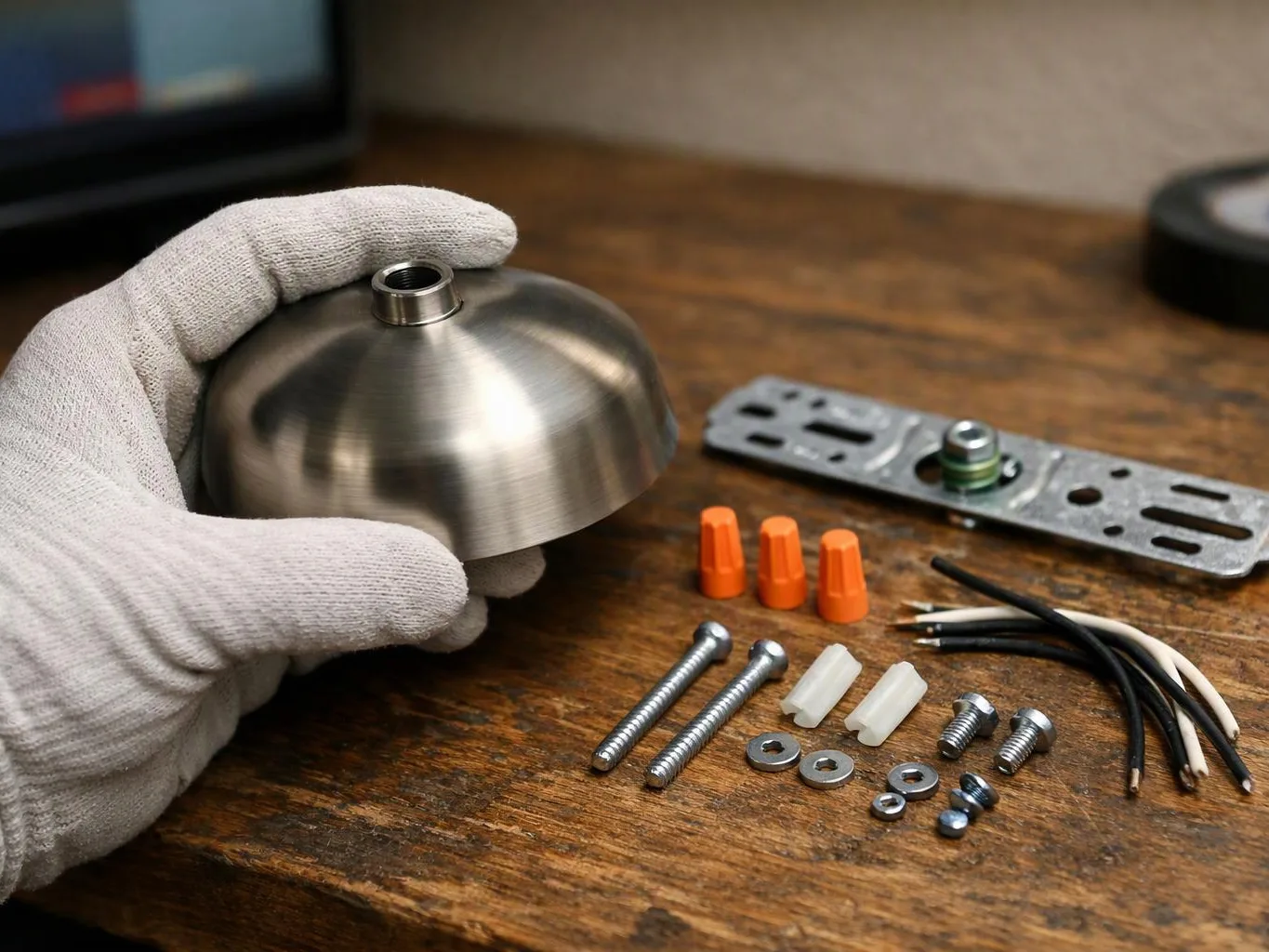
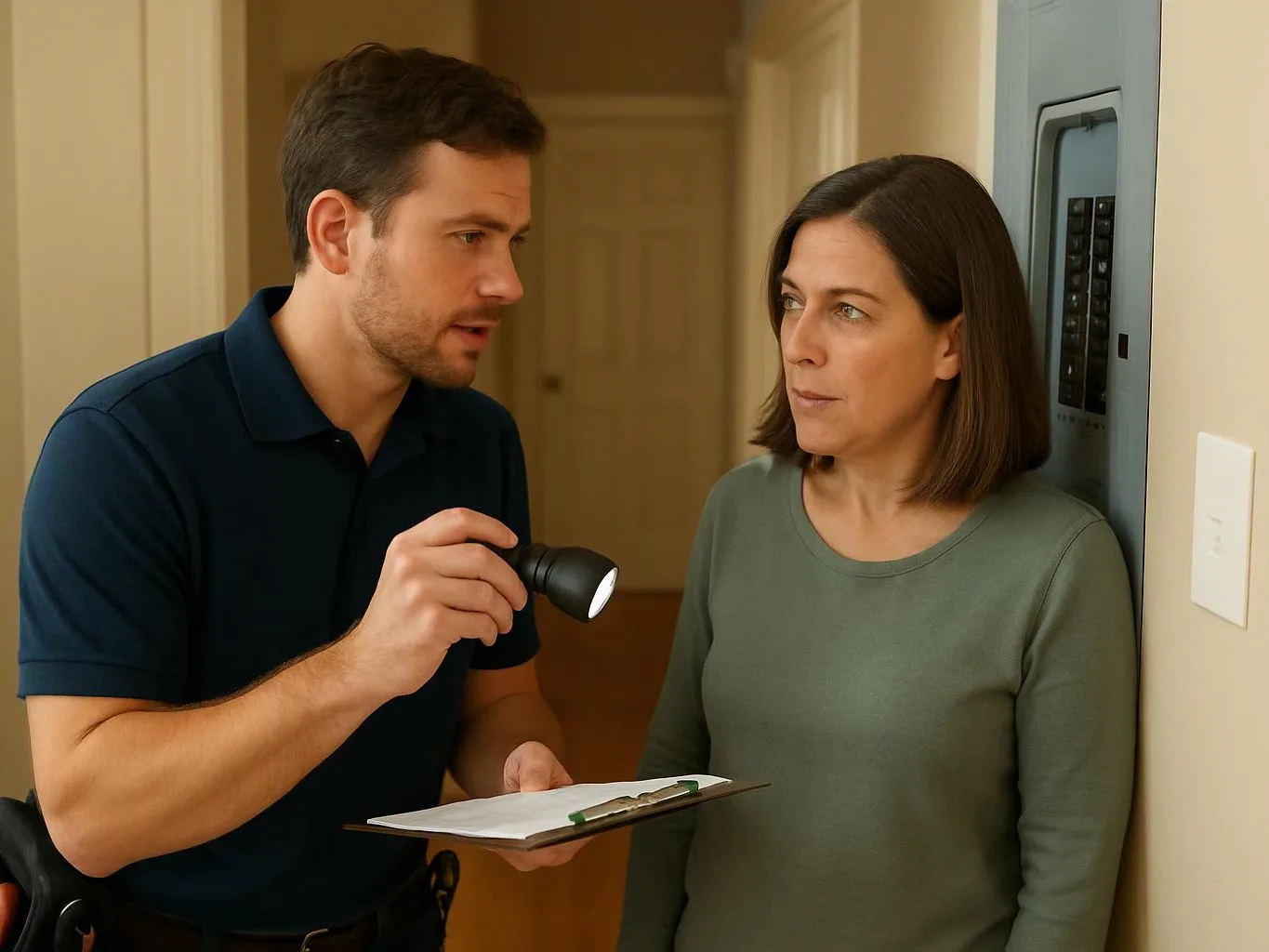
The first check covers the reported symptom, affected breaker, and visible wiring condition. We then isolate the circuit and inspect terminals, insulation, outlets, switches, and junction boxes. Heat marks, loose wire ends, and damaged parts help direct circuit tracing. Customers should avoid opening boxes or resetting a breaker repeatedly.
How does circuit tracing help find a wiring fault?
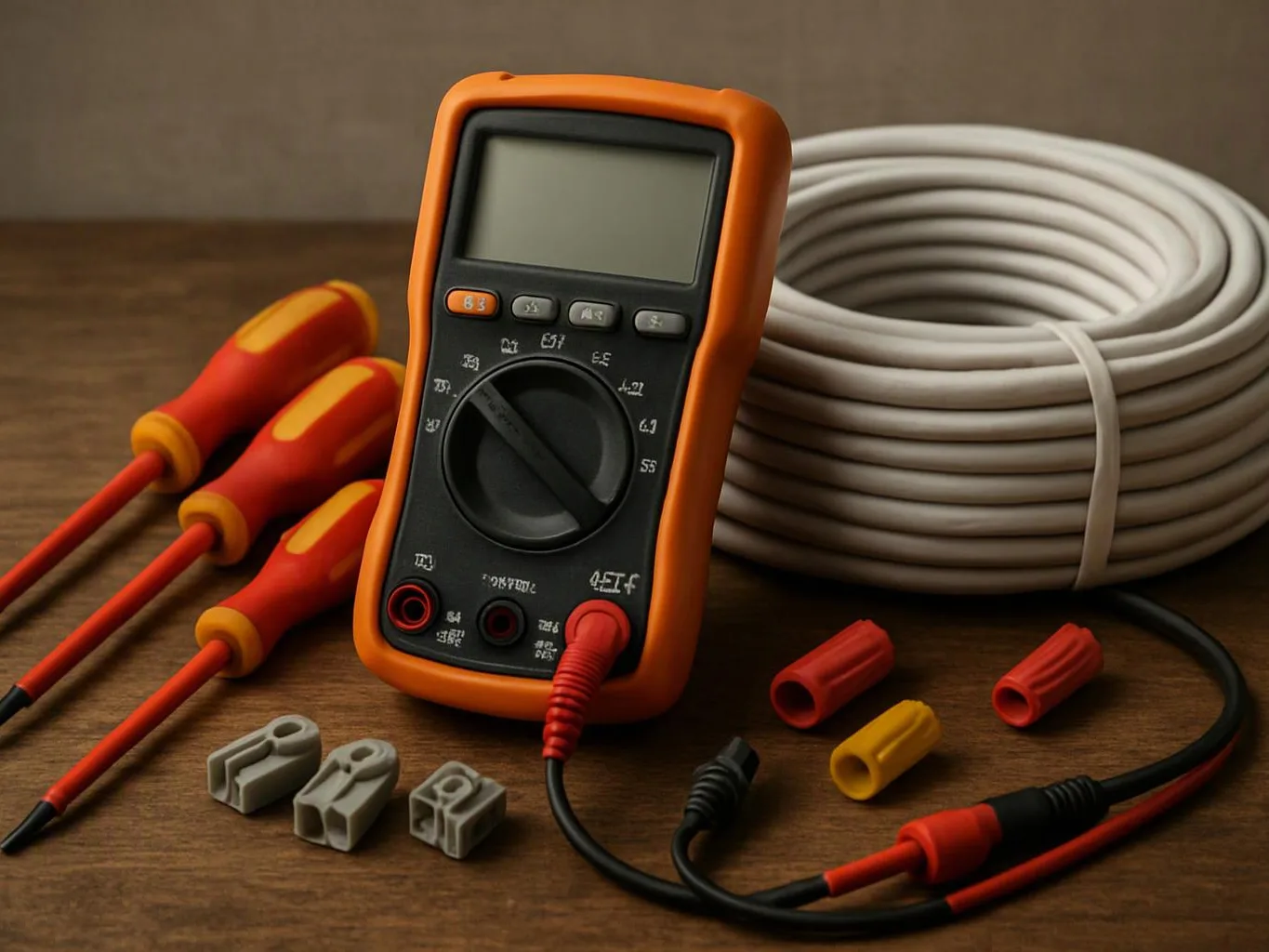
Circuit tracing follows the path from the breaker through connected outlets, switches, junction boxes, and loads. The method helps locate a loose terminal or damaged section that may sit away from the visible symptom. We use the traced path to set the repair scope and check related connections.
Which job details change the repair quote?
The fault location, wiring access, damaged parts, circuit condition, and repair scope change the quote. A connection inside an accessible box differs from wiring that needs broader access or panel work. We review the property, explain the needed work, and provide a quote based on the confirmed electrical condition.
When should I stop using a circuit before an electrician checks it?
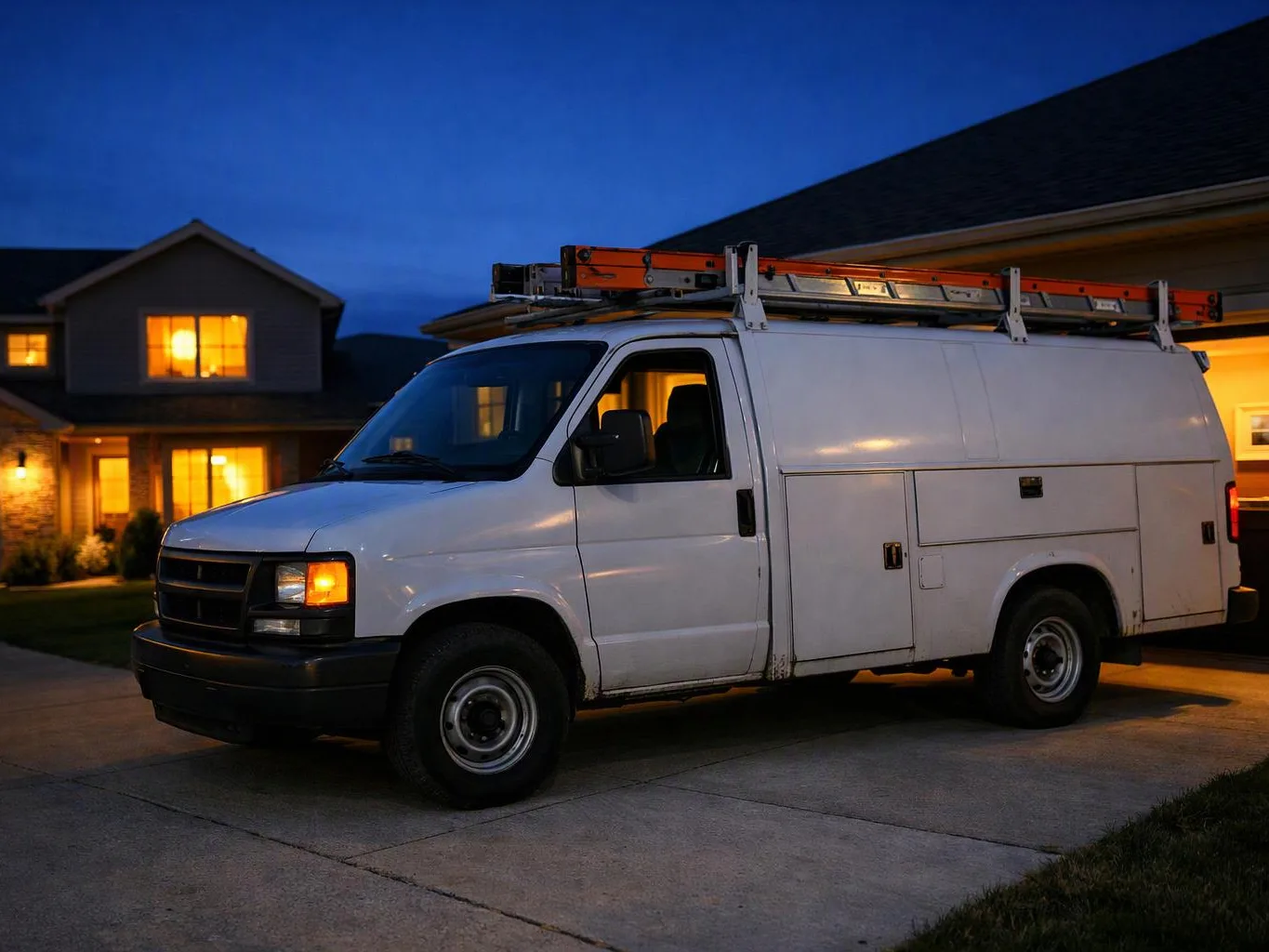
Stop using a circuit when you notice burning smells, sparking, heat, buzzing, or repeated breaker trips. Turn off the breaker only if you can do so safely and keep people away from damaged parts. Our 24-hour emergency electrical response handles urgent calls, while planned faults can be scheduled for assessment.
Why might a breaker keep tripping after a wiring repair?
A breaker can keep tripping when the underlying overload, short, poor connection, or damaged conductor remains. We test the repaired circuit and check connected loads before deciding whether more wiring work is needed. Repeatedly resetting the breaker can increase risk, so stop using the circuit if the fault continues.