How are overloaded circuits and other electrical hazards identified?
Chris Miller Electric identifies overloaded circuits by tracing circuit paths, reviewing breaker behavior, checking connected loads, and inspecting visible wiring. We also look for damaged insulation, heat, arcing, and improper grounding. The findings show whether the concern points to a focused repair, a load change, or a broader electrical upgrade.
Which part of the property decides the inspection scope?
The affected panel, circuit, wiring path, and connected equipment decide the inspection scope. A single dead outlet needs a narrower review than a property with repeated trips and several affected rooms. Access to the panel and visible wiring also shapes what we can check during the visit.
Which material changes how long an electrical inspection takes?
Aluminum wiring, damaged insulation, and older wiring materials can expand the inspection work because connections and conductor condition need closer review. We trace the affected circuit and inspect accessible points before explaining the next step. The material found at the property helps determine the scope, not a preset duration.
How does an electrical inspection visit move from the first call to the last step?
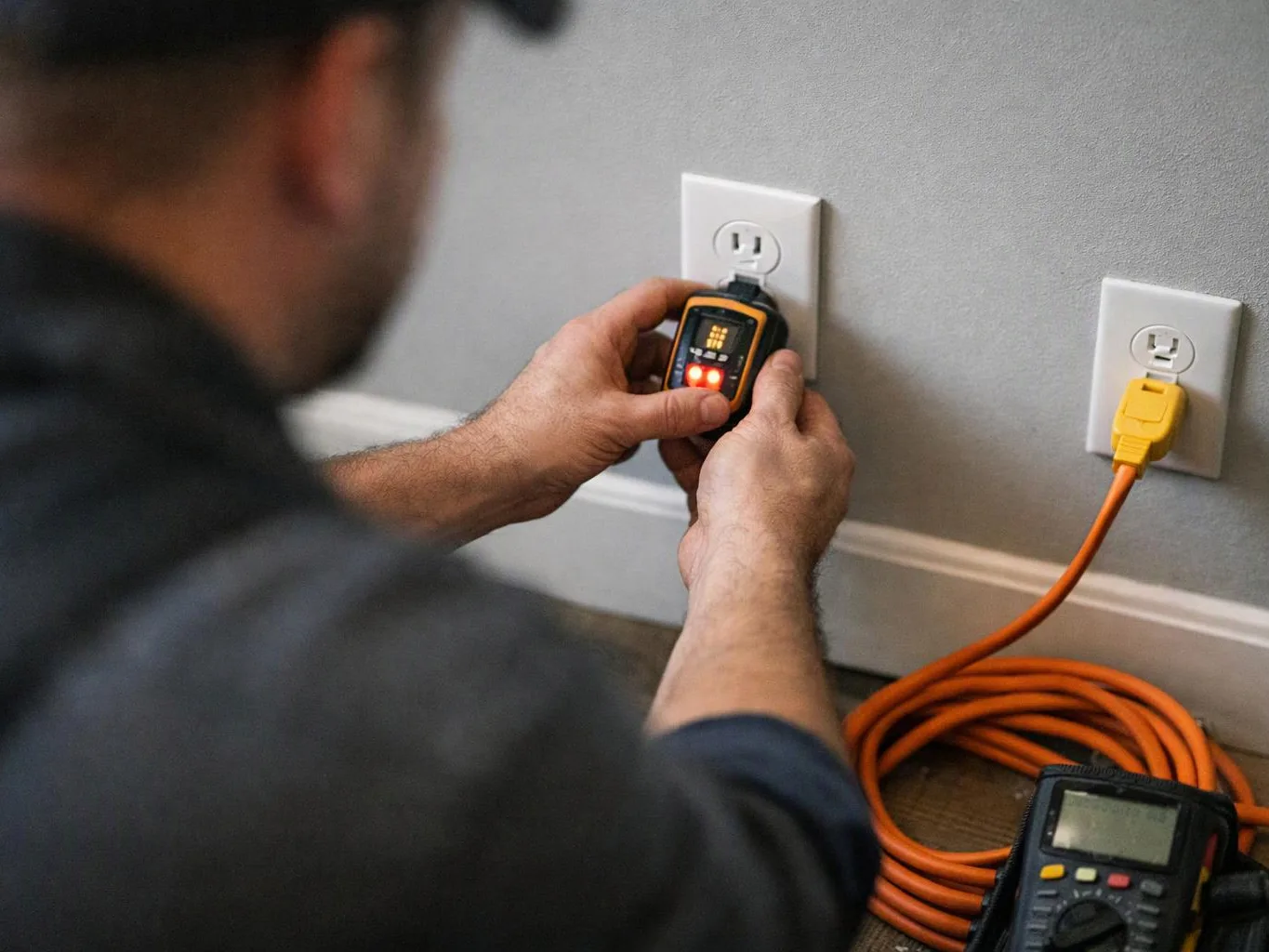
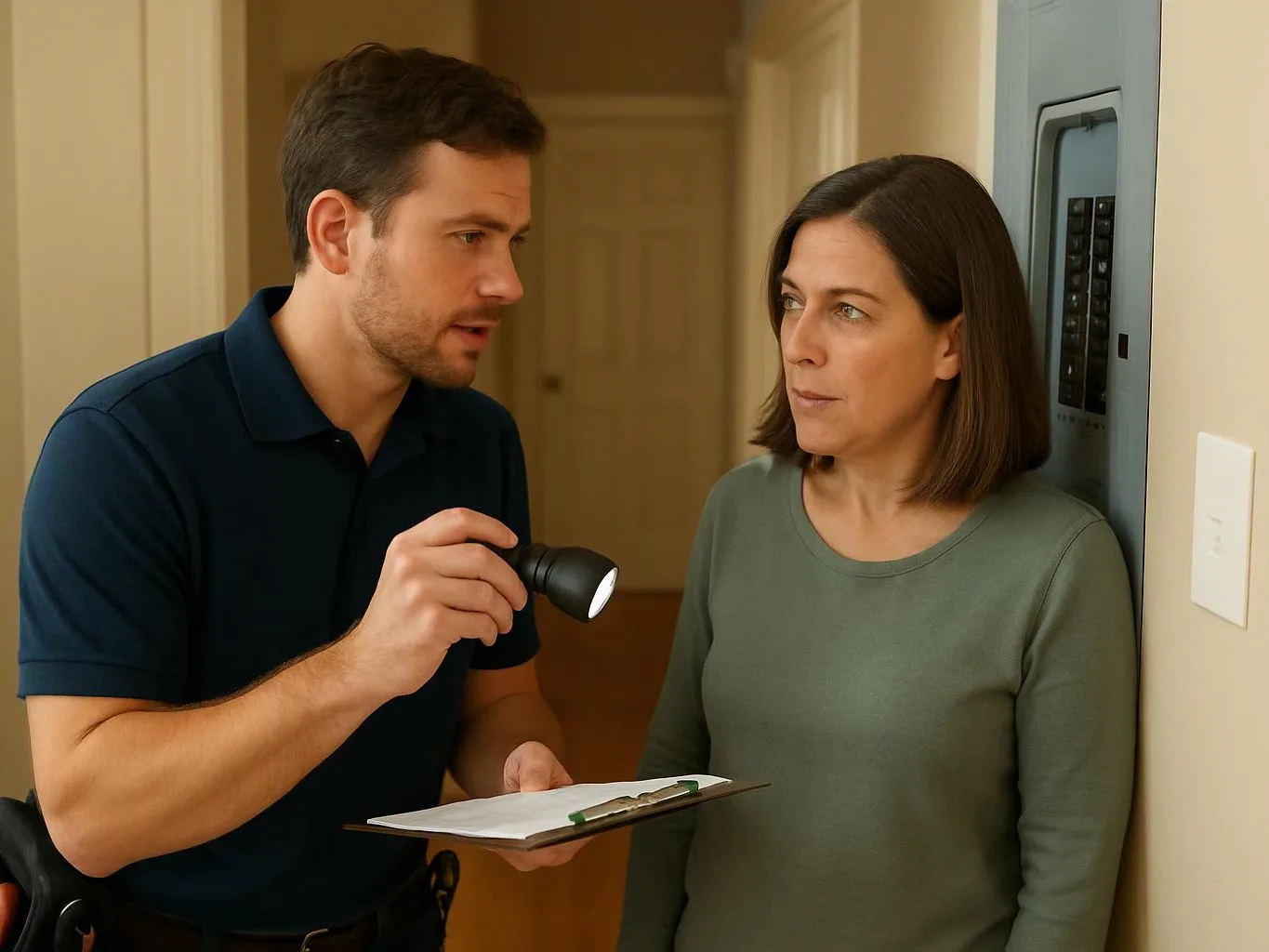
The visit moves from symptom review to circuit tracing, panel and wiring checks, testing, and a discussion of next steps. We ask what happened first, then follow the affected circuit and verify accessible conditions. You receive an explanation of observed hazards and the repair or upgrade choices that follow.
What does a panel review reveal about a planned electrical upgrade?
A panel review shows breaker condition, available circuit space, visible connection concerns, and how existing loads are arranged. We use those findings to discuss a panel upgrade, subpanel installation, or circuit change when the present setup does not fit the planned equipment. The inspection does not itself complete the upgrade.
When should a warm switch plate lead to an inspection?
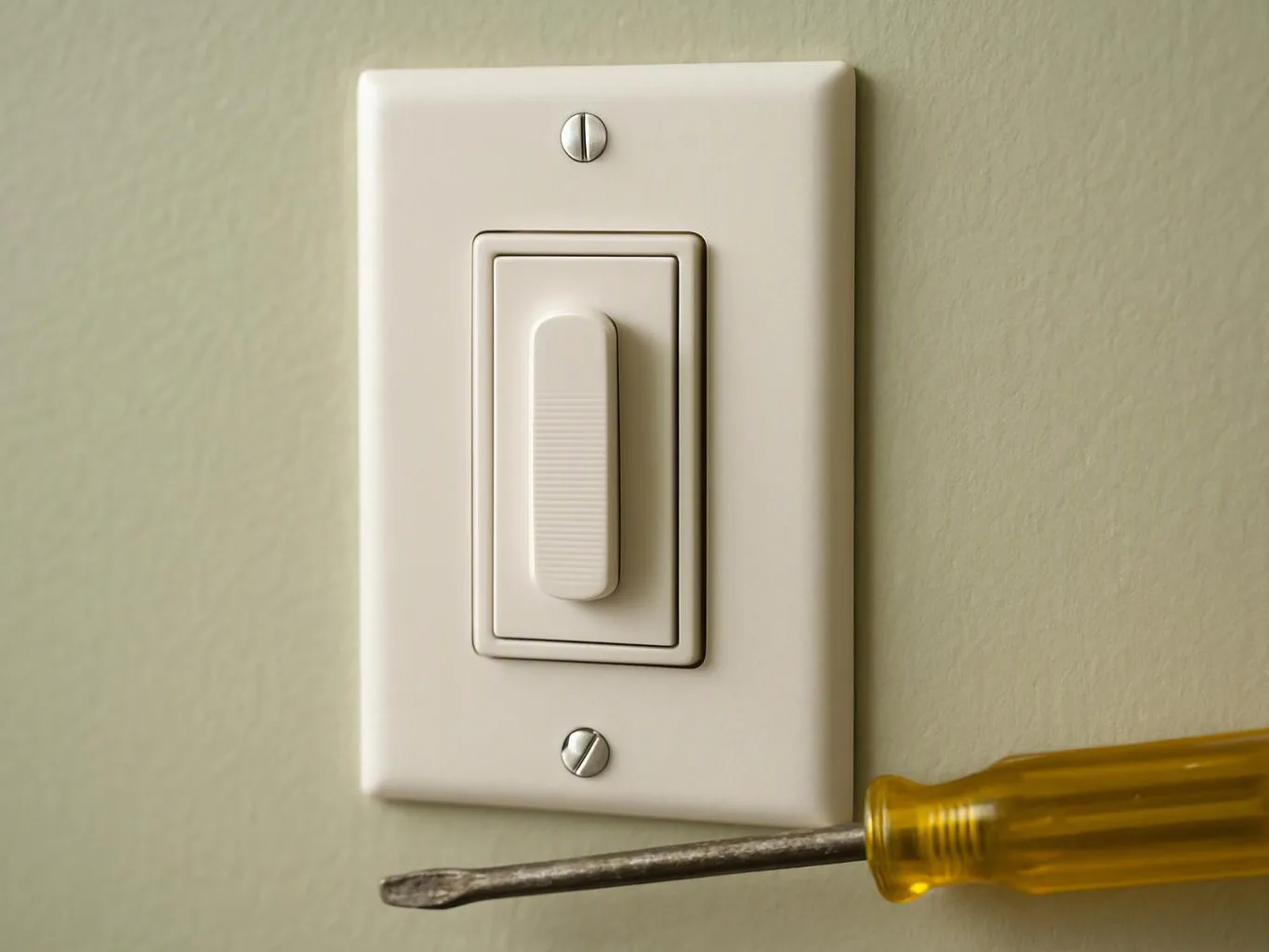
A warm switch plate should lead to an inspection when heat persists, the switch buzzes, or the area smells burnt. Stop using the affected switch and keep combustible items away. We inspect the switch, box, connections, and related circuit to identify heat, loose wiring, overload, or damage.
Who provides electrical inspections for commercial properties?
Chris Miller Electric provides electrical inspections for commercial properties and residential buildings. We review panels, circuits, accessible wiring, grounding, breakers, outlets, and reported symptoms. Property owners and managers can share the equipment planned for the space so the inspection addresses the actual electrical demand.