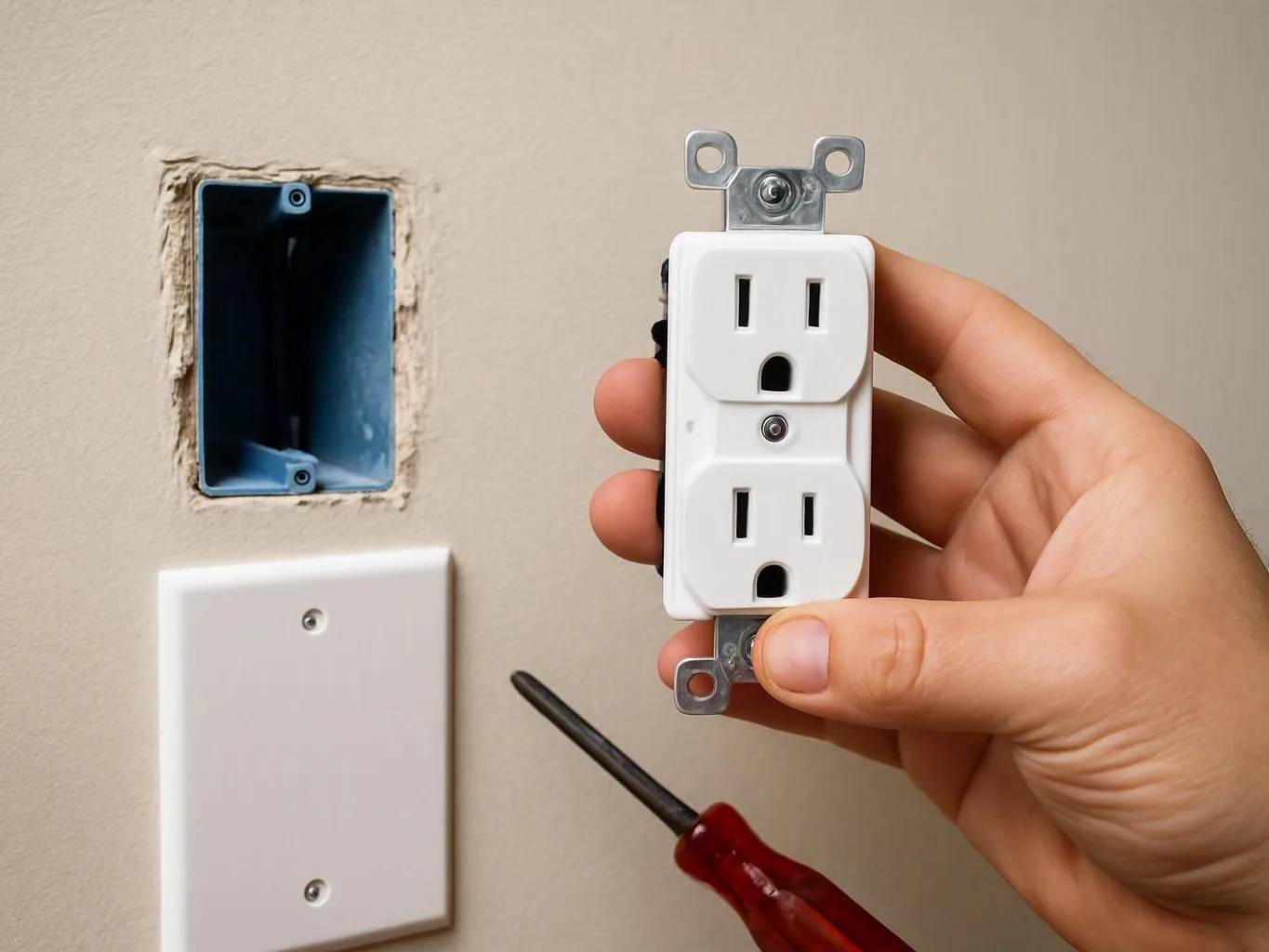
Why a GFCI Outlet Keeps Tripping or Won’t Reset
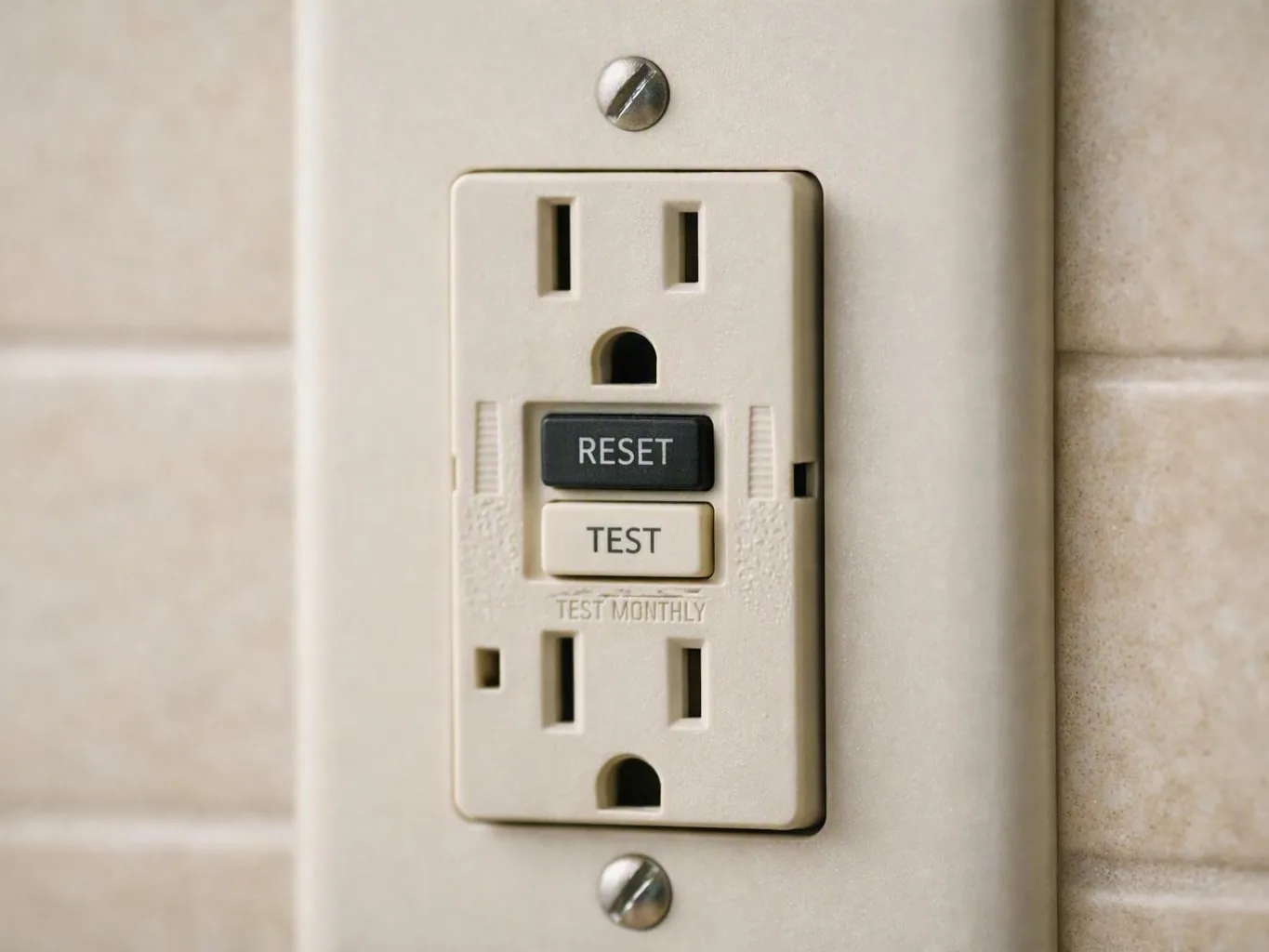
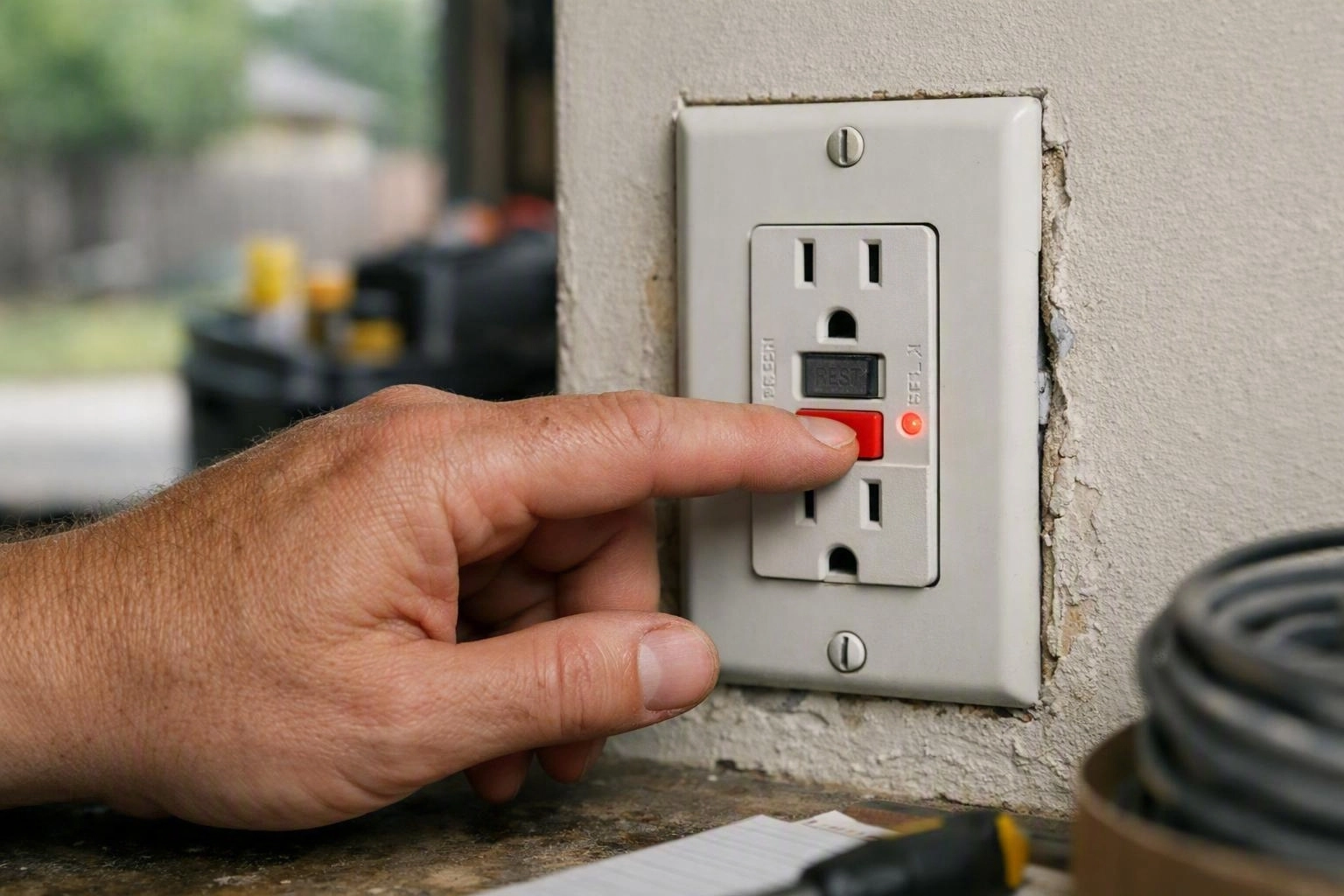
A GFCI outlet keeps tripping when it senses current leaving the circuit path. Moisture, a bad appliance, loose wires, or circuit faults can cause this issue. A GFCI outlet will not reset when the fault remains or the device has no power. Wrong wiring or a failed GFCI can also stop a reset. Unplug connected devices. Press TEST, then press RESET once. If it trips again, stop using the circuit. Contact a qualified electrician if it trips empty or shows heat or damage.
Get a Free EstimateWhat Does It Mean When a GFCI Outlet Keeps Tripping?
GFCI outlet protection trips when its sensor finds an imbalance in current. This ground-fault circuit interrupter cuts power to help prevent electric shock. Repeated trips often point to moisture, a bad appliance, damaged wires, or a faulty device.
Power leaves through the hot wire and returns through the neutral wire. Some power may escape toward a ground wire, person, wet surface, or damaged insulation. The outlet senses this leak and shuts off power fast.
This differs from normal breaker protection. A circuit breaker responds mainly to too much current. That can happen during an overload or short circuit. A ground-fault circuit interrupter responds to current leaks instead. The leak may be too small to trip the breaker.
GFCI protection matters in bathrooms, kitchens, laundry rooms, garages, basements, and outdoor areas. Chris Miller Electric can help you decide if a reset is safe. GFCI Outlet Installation in Fort Wayne may help older outlets that lack needed protection.
Why Does My GFCI Outlet Keep Tripping?
Common causes include water, condensation, a damaged appliance, and loose wires. An overloaded circuit can also cause trips, so can reversed wires or a neutral-to-ground fault. Moisture creates extra risk in bathrooms, kitchens, garages, basements, and outdoor areas.
Don’t assume the outlet itself has failed. A kitchen receptacle may protect outlets farther along the circuit. A laundry or garage device may protect nearby equipment too. Finding the bad appliance or wiring fault is the safest next step.
What Are the Signs of a GFCI or Circuit Problem?
Warning signs include damage, odd sounds, heat, water, and weak power. Take care when these signs appear with repeated trips or reset failure.
- Burn marks, melted plastic, or a burning smell near the receptacle.
- Buzzing, crackling, snapping, or other sounds from the outlet or wall.
- Warm receptacle covers, loose plates, or an outlet hotter than others.
- Power that cuts out, flickering lights, or outlets that work after repeated resets.
- Water, damp walls, condensation, or a recently wet outdoor connection.
- A tripped breaker along with the receptacle trip.
- Reset failure, such as a button that will not latch or trips at once.
Why Does a GFCI Trip with Nothing Plugged In?
GFCI trips with nothing plugged in when the fault exists elsewhere on the protected branch circuit. A downstream outlet, fixed appliance, hidden cable, or wet box may cause the leak. Wrong line-load wiring or a failing GFCI can also cause this problem.
The receptacle may power other outlets, lights, or equipment. An outlet behind a cabinet may be wet or damaged. The same can happen in a basement or outdoor area.
Start by noting what loses power after the trip. Check nearby bathroom, kitchen, garage, laundry, basement, and outdoor outlets. Check fixed appliances like sump pumps and washing machines. Don’t remove covers or wires while power is on.
Some newer devices run a self-test. They may refuse to reset when their protection fails. Wrong connections at the line and load terminals can also cause reset trouble. A device that trips with no load needs professional testing.
What Should You Do if a GFCI Outlet Will Not Reset?
If a GFCI outlet will not reset, unplug appliances and check for moisture or damage. Check that the circuit breaker is on. Press RESET firmly once after power returns. If the button will not latch or trips at once, leave it off. A qualified electrician should check the circuit.
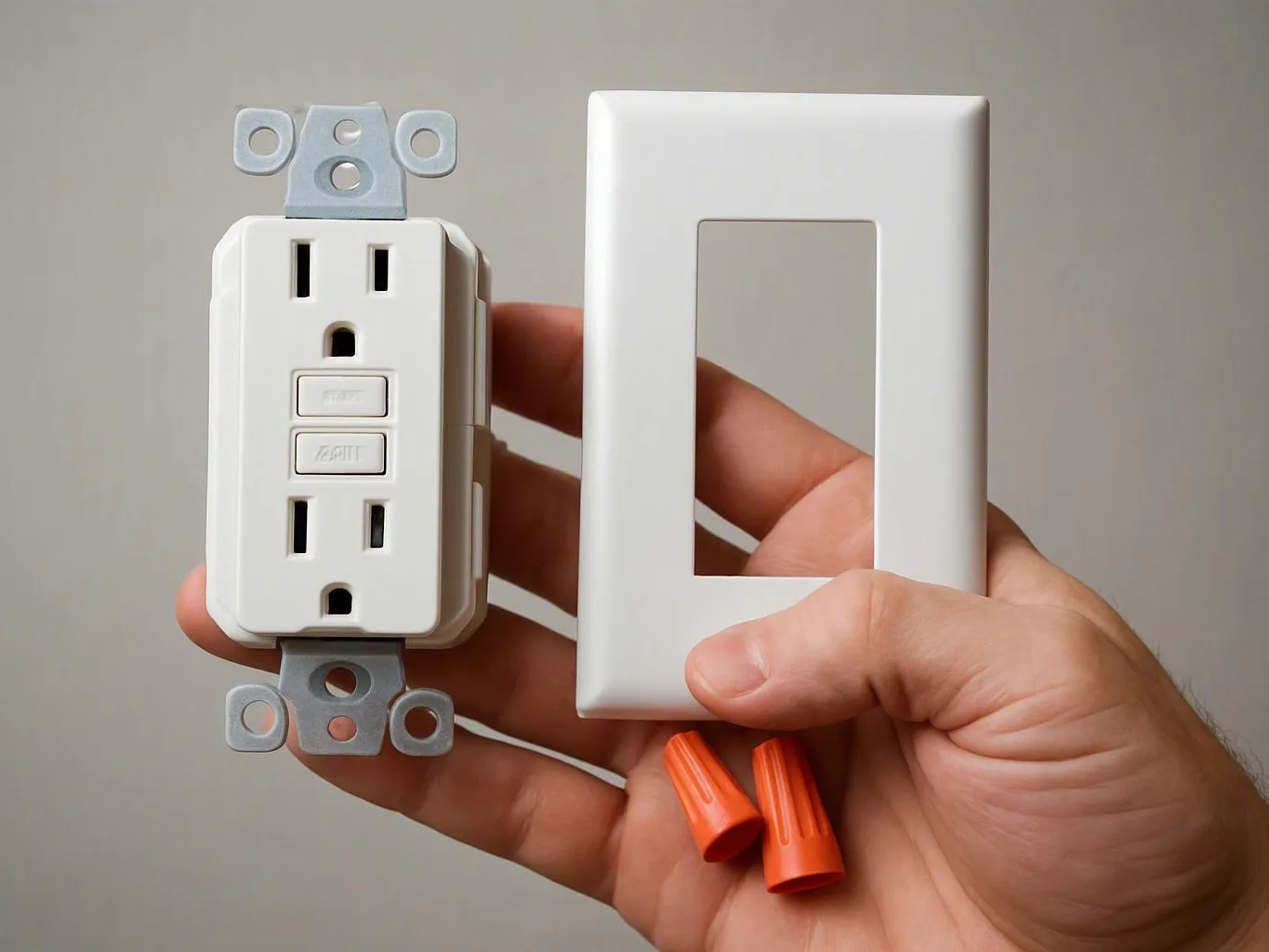
Never keep forcing the reset button. Don’t replace the device before finding the fault. Most basic visits take about 30 to 90 minutes. Time can vary with access and outlet count. Hidden damage may take longer to find. Outlet Repair or replacement should follow a full check.
How Can You Troubleshoot a GFCI Outlet Safely?
Safe checks focus on appliances and the electrical panel. Don’t open boxes that may still have power. Homeowners should check visible conditions and use TEST and RESET normally.
- Isolate appliances: Unplug one device at a time. Include items on nearby protected outlets. A bad appliance may trip the outlet when it starts.
- Check nearby lights and outlets for power. Confirm the circuit breaker position.
- Use a noncontact voltage tester only for a basic check. Follow the tool instructions. It cannot prove a circuit is safe.
- Don’t open the box or move wires. Don’t test line and load terminals. Don’t replace an outlet without proper training.
- Arrange professional help when the fault remains. Call when the device fails its self-test or needs replacement.
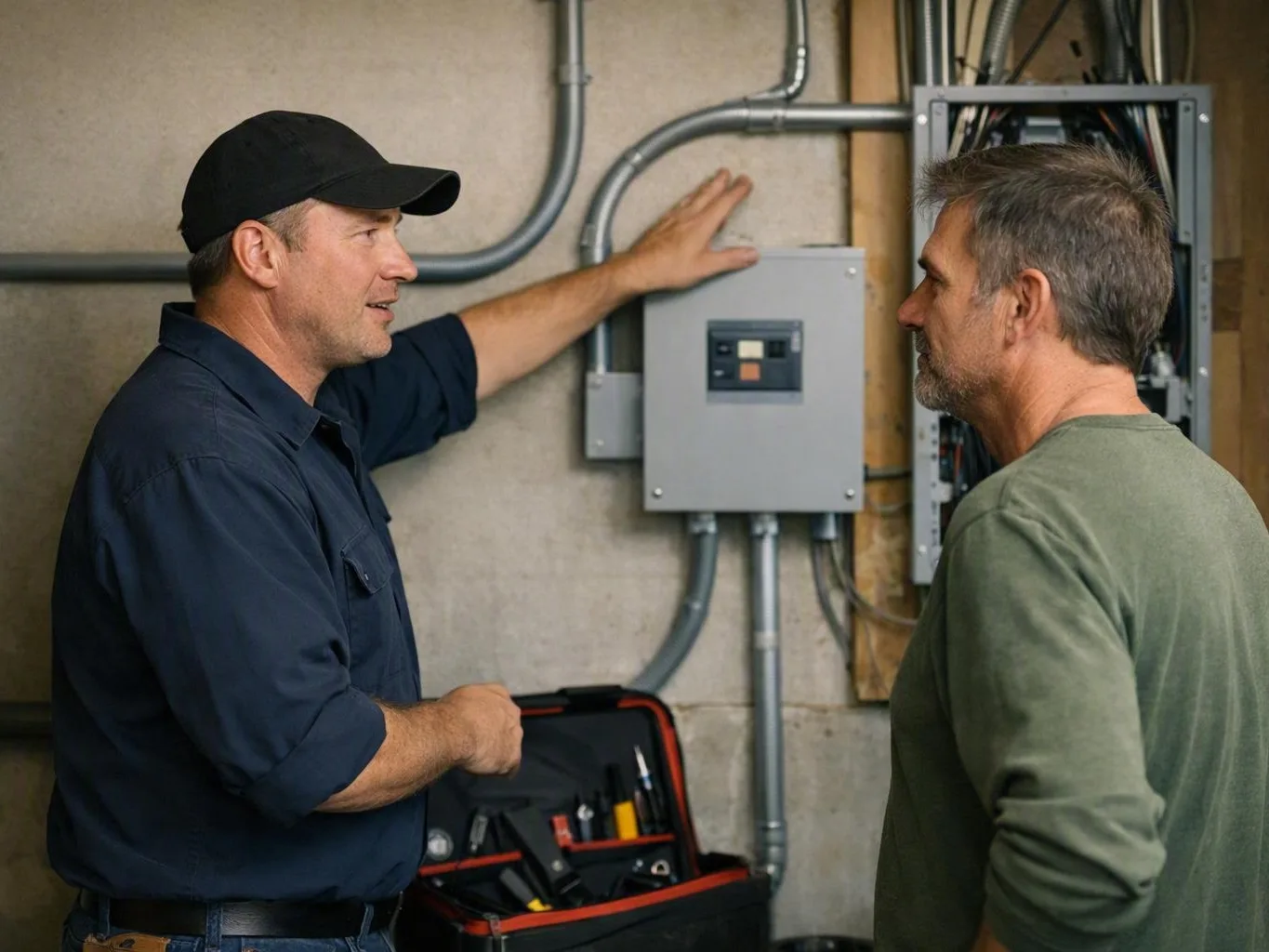
Our team can trace the protected branch circuit. We can inspect connections and find the cause. We’ll explain if repair, replacement, or added GFCI protection fits your needs. Contact an Electrician for heat, buzzing, damage, water, repeated trips, or reset failure.
How Can You Prevent Repeated GFCI Trips?
Keep receptacles dry to help prevent repeated GFCI trips. Use weather-resistant devices and proper covers where needed. Check appliance cords and avoid damaged equipment. Test the GFCI each month. Fix overloaded or wrongly wired circuits. Repeated trips still need a full check before use.
Regular tests can show a failed protection device. They cannot find hidden moisture or a neutral-to-ground fault. Our crews can inspect the circuit and suggest a safe repair. This may help prevent shock, fire damage, or equipment loss.
Questions About Electrician
Why Does My GFCI Outlet Keep Tripping?
Common causes include moisture, a damaged appliance, overloaded wiring, and loose connections. A neutral-to-ground fault or failed receptacle can also cause trips. Unplug devices and reset once. If the trip returns, stop using the circuit and arrange an electrical inspection.
Why Won't My GFCI Outlet Reset?
The device may have no power or may still sense a leak. It may have wrong wiring or an inner failure. Check the breaker and visible moisture. Press RESET once. A button that will not latch needs professional testing.
What Does It Mean When a GFCI Trips with Nothing Plugged In?
It usually means a leak exists in a downstream outlet, fixed appliance, branch circuit, or wiring connection. The protective device itself may also be failing. Moisture or wrong line and load connections are other possible causes.
What Should I Do if a GFCI Outlet Will Not Reset?
Unplug connected equipment and look for moisture or damage. Confirm the circuit breaker is on. Press RESET once. If it trips again, will not latch, feels hot, buzzes, or shows damage, leave it off. Contact a qualified electrician.
Can a Bad Appliance Cause a GFCI Outlet to Trip?
Yes. A damaged cord, motor, heating part, or insulation fault can leak current. That leak can trip the protection. Unplug the appliance. Don’t use it again until it’s repaired or replaced.
Repeated trips are a safety warning. Don’t bypass the protection. Our team can help.electrical troubleshooting, Outlet Repair, or GFCI Outlet Installation when trained testing is needed.
Contact our team for safe electrical helpRelated Resources
How Much Does an Electrician Cost in Fort Wayne?
electrician cost Fort Wayne IN
What It CostsHot Tub and Pool Electrical Wiring: Cost, Scope, and Scheduling
hot tub and pool electrical wiring cost Fort Wayne
How It WorksWhat to Expect During an Electrical Troubleshooting Visit
electrical troubleshooting electrician Fort Wayne
How It WorksElectrical Inspections and Code Corrections: Costs, Process, and Next Steps
electrical inspection and code correction Fort Wayne