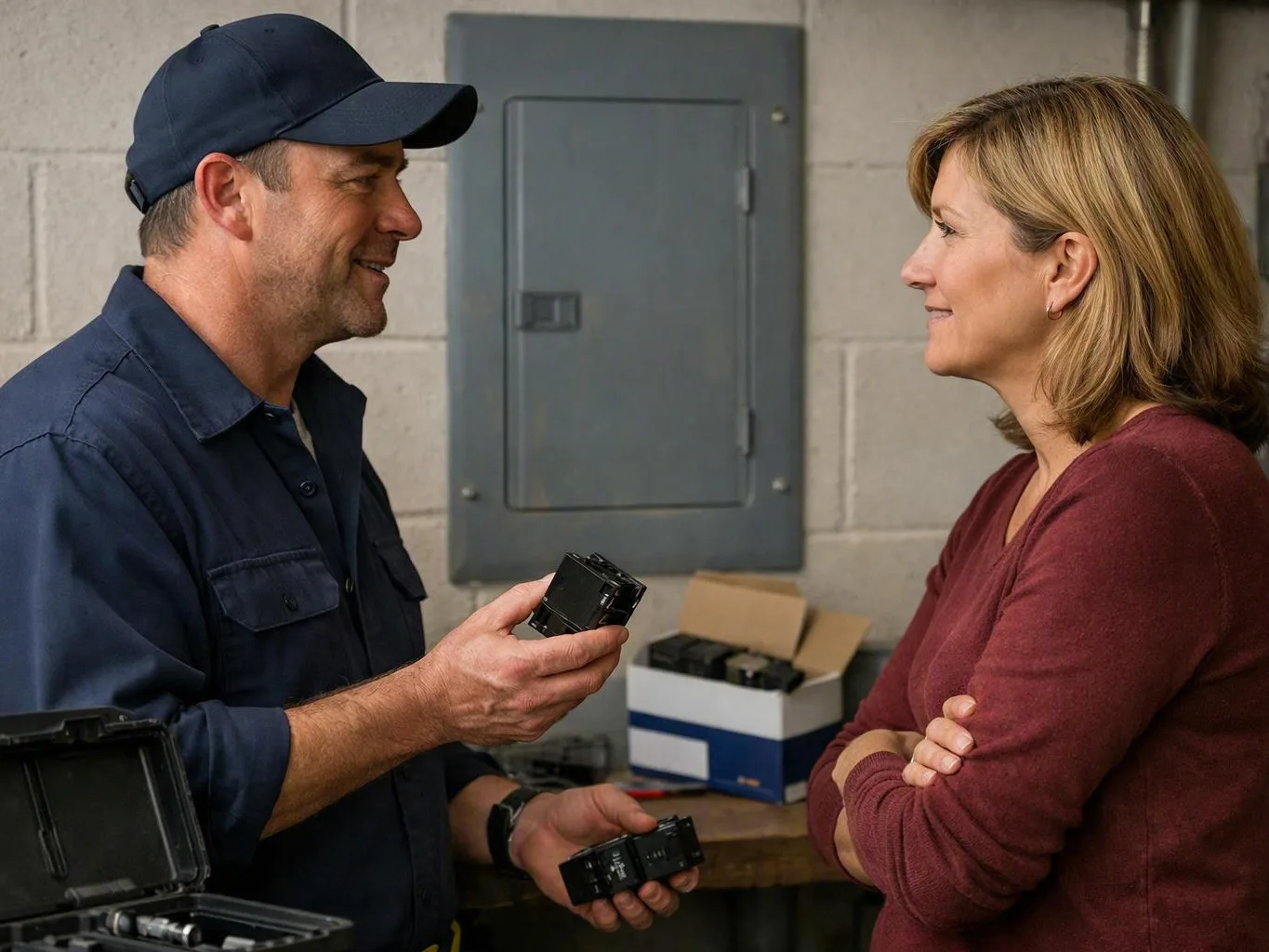
What Buzzing, Humming, or Sizzling Sounds Mean in Your Electrical System
A buzzing outlet electrical problem may point to a loose wire, bad receptacle, or overloaded circuit. It may also signal arcing, which means electricity jumps across a gap. Turn off the circuit only if it’s safe. Don’t use an outlet that’s hot, smells burnt, sparks, or sizzles. Humming lights may come from dimmers, transformers, loose wires, or overloaded fixtures. A buzzing electrical panel may have a bad breaker or loose connection. Arcing and heat can start a fire. Contact a qualified electrician promptly for safe testing and repair.
Get a Free EstimateWhat Does a Buzzing Outlet Electrical Problem Mean?
A buzzing outlet electrical problem means current may pass through a loose, damaged, or overloaded part. The sound may come from vibration, arcing, or an old receptacle. Arcing can create heat. Stop using the outlet and arrange electrical troubleshooting.
Wires connect to small terminals inside each receptacle. These terminals must hold the wires tightly. A loose terminal creates resistance as power flows through it. That resistance may cause warmth, vibration, or a soft hum. Old wiring and worn receptacles face more risk.
The sound’s location can help find the cause. Noise near the wall plate may point to the receptacle or its wires. A sound that starts with an appliance may point to an overloaded circuit. Safe testing can find the source.
Our team treats strange electrical noise as a home wiring issue. Chris Miller Electric can help find the problem and explain the repair. Never remove the cover or place tools inside the outlet.
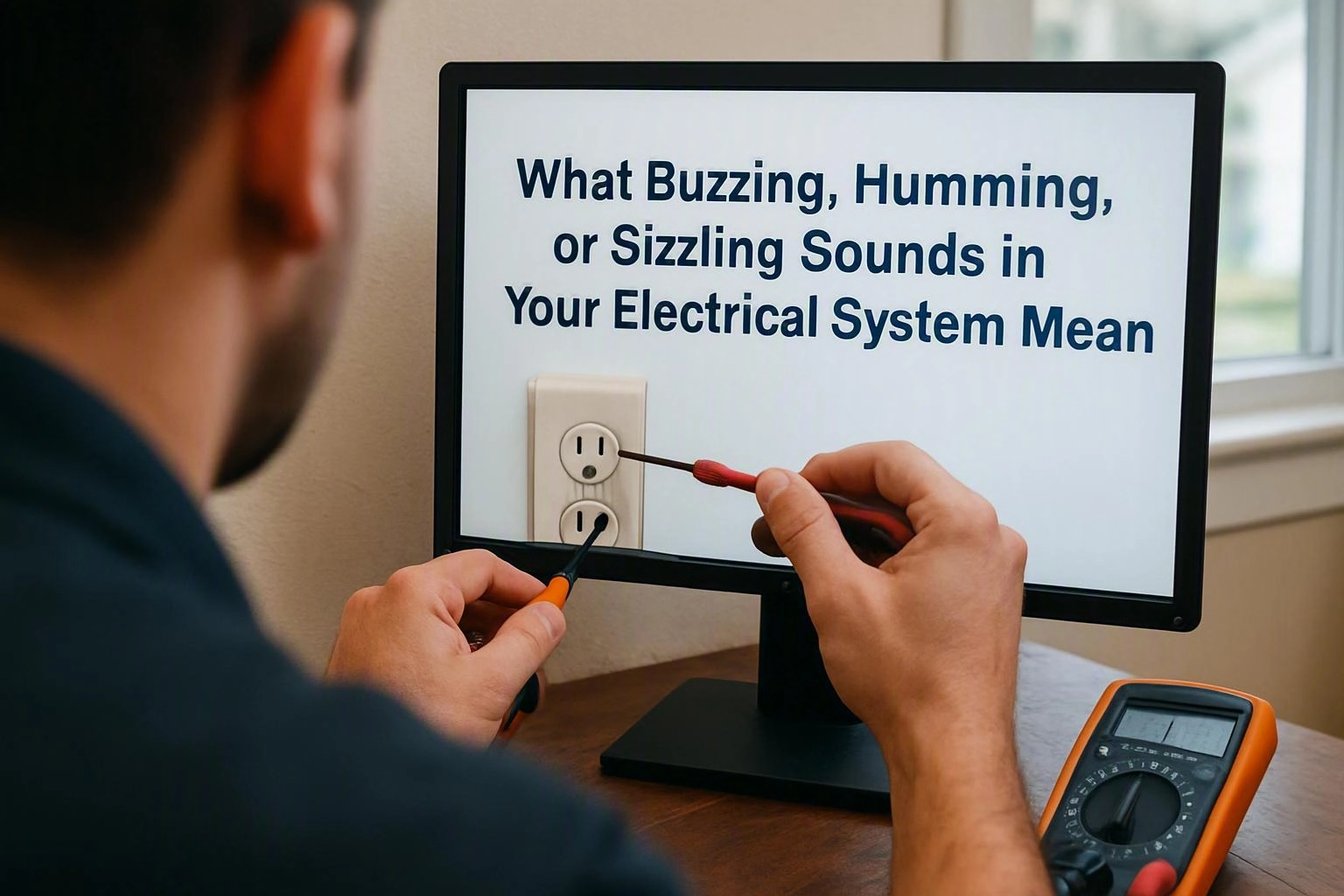
What Signs Suggest an Electrical Sound Is Unsafe?
Unsafe electrical sounds often come with heat, odor, dark marks, sparks, flickering, or breaker trips. These signs may show heat buildup or arcing. Stop using the outlet or device. Call an electrician if the problem continues or seems dangerous.
You can check for warning signs from a safe distance. Don’t open an outlet, fixture, junction box, or panel. A soft, steady hum may come from a part. A new or changing sound needs attention.
If you see smoke or flames, leave the area and call emergency services. Don’t turn the circuit back on to test the sound.
What Causes Buzzing, Humming, or Sizzling Sounds?
Common causes include loose wires, bad receptacles, overloaded circuits, bad breakers, vibrating transformers, and arcing. The cause depends on the sound’s location and other signs. Safe electrical testing is needed.
Some devices vibrate as power moves through them. A dangerous sound often changes when the load changes. It may also come with heat or odor. Large appliances, old wires, and damaged cords can add stress.
Testing should find the source before anyone replaces a part. We check the sound’s location, circuit load, and appliance behavior. We also look for heat damage. Replacing one receptacle may not fix a hidden wiring problem.
Why Do My Lights Buzz or Hum?
Buzzing or humming lights may have an LED bulb, dimmer, transformer, loose connection, or power issue. A soft hum may come from normal part vibration. Loud or new noise needs care. Heat, odor, and flickering may show a wiring or fixture fault.
Some LED bulbs don’t work well with older dimmers. Some bulbs aren’t made for dimming. A bulb marked for dimmer use may help. Try this only when no danger signs appear. A ballast, driver, or transformer may also start to fail.
Listen for the sound near the bulb, switch, or fixture. Don’t remove a cover while power is on. A loose lamp connection may cause trouble. The light may flicker when someone moves the cord or switch.
Stop using a fixture that’s loud, hot, or darkened. A qualified electrician can test the switch, fixture, dimmer, and circuit. Simple lighting checks often take 30 to 60 minutes. Hidden wires or old systems may take longer.
Is Electrical Humming in the Walls Dangerous?
Electrical humming in the walls can be dangerous. Loose wires, junction boxes, overloaded circuits, or hidden arcing may cause it. The sound may also travel from a panel or appliance. Turn off the circuit only if safe. Don’t open the wall.
Sound can travel through wall studs and drywall. The loudest spot may not be the source. Old wires, loose splices, and busy circuits need extra care. Heaters, dryers, and kitchen tools may reveal the problem.
Move paper and other items away from a warm wall or outlet. Don’t plug in more equipment. Leave the area if you see smoke, sparks, or fast-rising heat. Get emergency help.
Our crews use the signs to find the likely source. It may be a receptacle, junction point, fixture, or electrical panel. We focus on safe testing instead of quick guesses.
When Should You Call an Electrician for a Buzzing Panel?
Call an electrician for a buzzing electrical panel when the sound is loud or constant. Call right away if you also notice heat, odor, flickering, sparks, or breaker trips. A panel can hold live parts when a breaker is off. Don’t remove the cover.
A circuit breaker cuts power during an overload or fault. Repeated trips need more than a reset. The cause may be a bad appliance, overloaded circuit, short circuit, or bad breaker contact.
A main panel may hum because of a loose connection or strained part. Keep the area clear. Don’t store flammable items beside it. Smoke, heat, or sparks make the panel an emergency hazard.
A panel upgrade may help when the equipment is damaged or lacks capacity. It may also help when old parts lack needed safety features. An inspection and load review should guide this choice. Electrical Troubleshooting in Fort Wayne can start with these checks.
What Should You Do When an Outlet or Circuit Makes Noise?
Stop using equipment when an outlet or circuit makes noise. Find the affected area. Turn off the circuit only if it’s safe. Don’t touch a hot or damaged receptacle. Contact an electrician for testing.outlet repair. Call emergency services for smoke, flames, or active sparks.
Outlet repair may mean replacing a bad receptacle or loose connection. It may also require wire repair behind the outlet. The repair should fix the cause, such as heavy load or a worn part. We’ll explain the findings after testing.
How Can You Prevent Electrical Buzzing and Sizzling?
You can lower the risk of buzzing and sizzling. Avoid overloaded circuits. Replace damaged cords and receptacles. Use matching bulbs and dimmers. Test safety devices as directed. Arrange an inspection when signs appear. Ongoing noise, heat, odor, or flickering needs a professional check.
Regular electrical care helps in older homes. It also helps when breakers trip often. A GFCI receptacle helps prevent shocks in wet areas. It doesn’t fix bad wires or an overloaded circuit. Report changes early.
Questions About Electrician
Why Is My Outlet Buzzing?
An outlet may buzz because of a loose connection, worn receptacle, overloaded circuit, or electrical arcing. Stop using it if it’s hot, darkened, sparking, or smells burnt. Arrange testing instead of assuming it’s safe.
When Should I Call an Electrician for a Buzzing Electrical Panel?
Call promptly when panel noise continues or comes with heat, odor, flickering, sparks, or breaker trips. Don’t remove the panel cover. Inside parts may stay live. A qualified professional should find the cause.
Why Do My Lights Buzz?
Lights may buzz because an LED bulb doesn’t match a dimmer. A vibrating transformer or loose fixture connection may also cause it. Replace a bulb only when it’s safe to handle. Loud noise, heat, odor, or flickering needs inspection.
What Causes Sizzling Sounds from an Outlet?
Sizzling often comes from arcing across a loose terminal or damaged receptacle. A bad plug or wire fault may also cause it. Arcing creates heat and can start a fire. Stop using the outlet and request urgent electrical testing.
Is Electrical Humming in the Walls Dangerous?
It can be dangerous when loose wires, a junction box, or an overloaded circuit cause it. Hidden arcing may also create the sound. Don’t open the wall. Turn off power only when safe and arrange professional troubleshooting.
If you hear unusual electrical noise, our team can help find the source. It may involve a receptacle, light, circuit, or panel. Contact us through our service request page to discuss safe next steps.
Related Resources
How Much Does an Electrician Cost in Fort Wayne?
electrician cost Fort Wayne IN
What It CostsWhole-Home Rewiring: Cost, Timeline, and What to Expect
whole house rewiring cost Fort Wayne IN
How It WorksWhat to Expect During an Electrical Troubleshooting Visit
electrical troubleshooting electrician Fort Wayne
When You Need ItWarning Signs of Dangerous Electrical Wiring in Your Home
signs of dangerous electrical wiring