How Long Does a Whole House Generator Take to Install in Fort Wayne, IN?
Whole house generator installation usually takes one to two days. Equipment, permits, and utility needs must be ready first. This may happen when the panel is easy to reach. A nearby fuel line can also help. Most projects take about two days. This includes the pad, wiring, transfer switch, fuel line, startup, and inspection planning. Complex work may take several days. Trenching, upgrades, long fuel lines, hard access, weather, or utility work can add time. Chris Miller Electric can review your Fort Wayne home. Then, we can give you a project timeline.
Generator Installation in Fort Wayne depends on your home and property. It also depends on your electrical service. We review the work before scheduling it. You’ll know which tasks happen on-site. You’ll also know which tasks depend on permits, utilities, weather, or inspections.
Get a Free EstimateHow Long Does Whole House Generator Installation Take?
Whole house generator installation usually takes one to two days. The equipment, site, permits, and utility needs must be ready. A simple job may take one day. Trenching, wiring upgrades, long fuel lines, or hard access can add days.
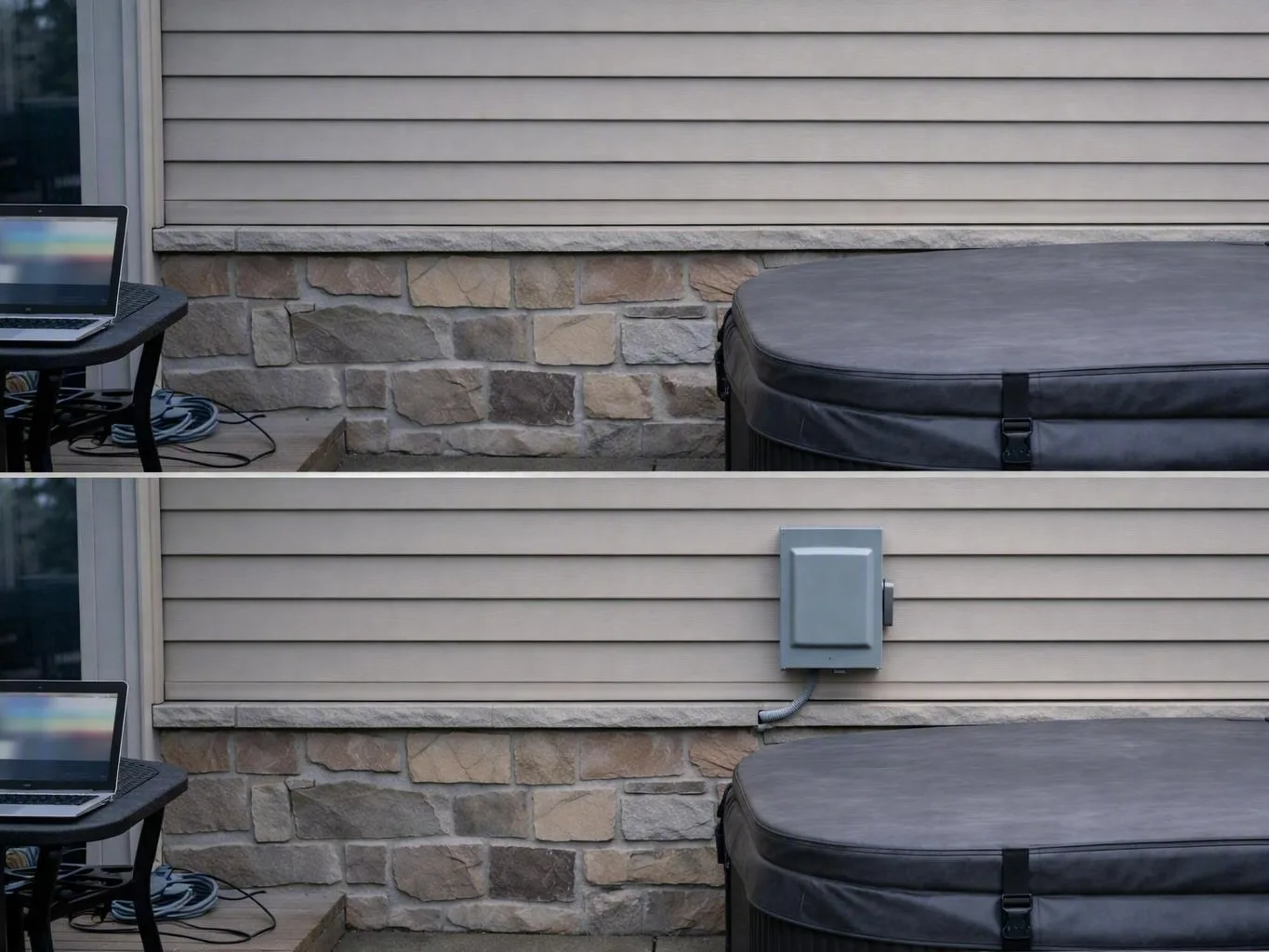
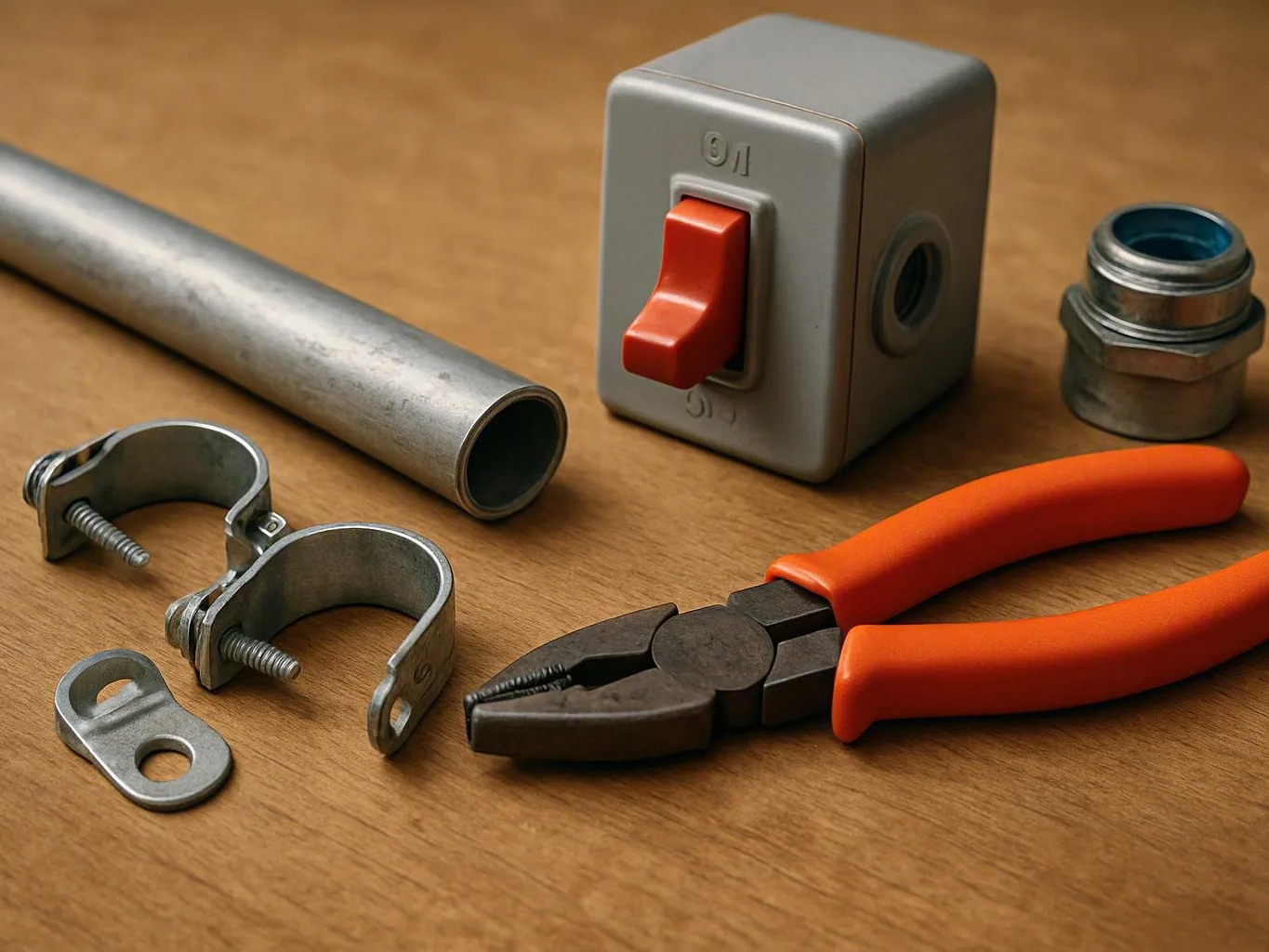
A standby generator sits outside your home. It connects to chosen parts of your electrical system. The work often includes a firm generator pad. It also includes an automatic transfer switch, wiring, grounding, and a fuel line. The time needed depends on your property.
Most simple jobs take one to two days on-site. That time may not include equipment delivery. It may also exclude permit review, utility scheduling, or a later inspection. These steps can happen before or after the physical work.
Homes with easy panel access often need less prep work. A nearby natural gas or propane line can also help. Older homes may need a load check or panel review. Service changes may also be needed.
What Happens During a Standard Generator Installation?
A standard project follows a clear order. The order may change if the site needs extra work. These steps show what most homeowners can expect.
Our Electrician reviews the controls with you. If an inspection is needed, it may happen after installation.
Typical Installation Time by Project Scope
Generator installation time depends on the work involved. A simple Fort Wayne job may take one day. An average job often takes one to two days. Complex work may take several days. Electrical access, fuel access, site work, inspections, and weather all matter.
| Project scope | Typical duration range | Scope description |
|---|---|---|
| Simple | About 1 day | Easy panel access, a nearby fuel line, and simple placement. Little trenching and no major upgrades are needed. |
| Average | About 1–2 days | The work includes a generator pad, transfer switch, standard wiring, fuel connection, testing, and inspection planning. |
| Complex | Several days | Long wire or fuel lines, trenching, panel changes, hard access, drainage issues, utility work, or electrical upgrades. |
This table shows typical on-site labor. It doesn’t promise a finish date. A project may still wait for equipment, permits, fuel work, or an inspection.
What Can Make Generator Installation Take Longer?
Generator installation takes longer when your home needs extra work. Electrical upgrades, long wires, trenching, or a new fuel line can add time. Hard access and inspections may also slow the job. Fort Wayne weather can affect digging and outdoor work. A site check helps find these issues early.
Good planning helps prevent delays. A clear work area can help, so can a set fuel plan and an early panel review.
Which Installation Factors Can Shorten the Timeline?
A pre-installation check can shorten the schedule. It can find panel, grounding, fuel, access, and placement issues early. Confirmed equipment also helps prevent waiting.
A clear work area gives the crew more room. They can place the pad and move supplies more easily. Existing electrical capacity may prevent panel changes. A nearby gas or propane line may reduce trenching.
You can help by clearing stored items from the work area. Share details about past electrical work, too. Confirm property access before the crew arrives. These steps can reduce avoidable pauses.
How Permits, Wiring, and Inspections Affect the Schedule?
Electrical permit and inspection steps can affect the schedule. The work must follow electrical, fuel, site, and utility rules. Transfer switch wiring, grounding, panel changes, and startup tests may need review.
The permit process may start before the work. Rules can vary by property and fuel type. Utility changes and electrical work can also affect the rules. Confirm the Fort Wayne or Allen County process before scheduling.
Generator wiring connects the generator, transfer switch, grounding system, and panel. The work must be safe and meet code. The National Electrical Code guides much of this work. Local review and inspection still matter.
Inspection timing can change the final finish date. This can happen after the physical work ends. Utility changes may need a separate visit. Startup testing checks the outage response. It also checks the return to normal power.
Our team separates on-site work from outside steps. This helps explain which dates are firm. It also shows which dates depend on permits, inspections, equipment, or utilities.
How Chris Miller Electric Estimates Your Installation Timeline?
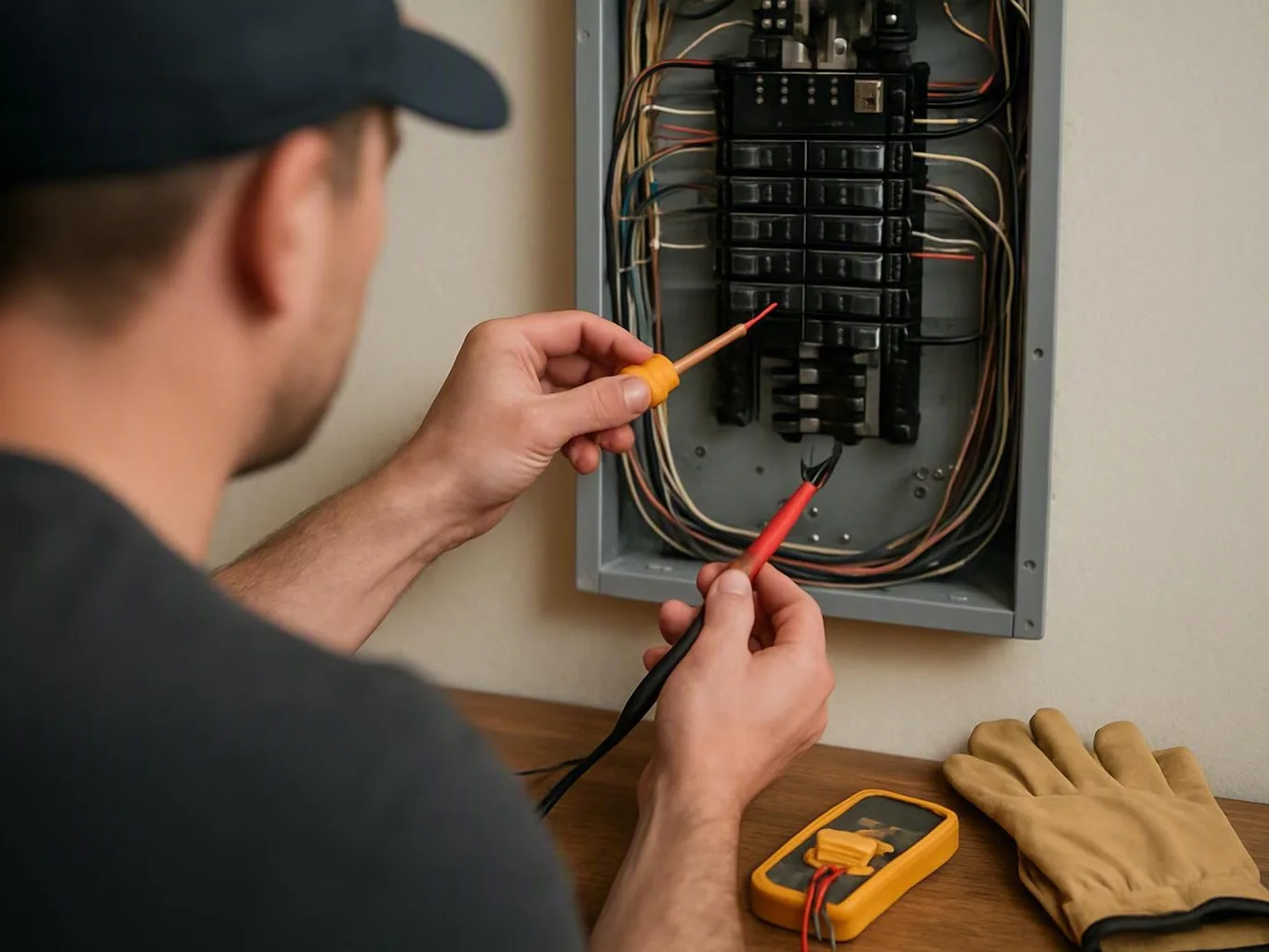
Chris Miller Electric estimates a generator installation timeline by reviewing your home’s electrical service. We also review backup loads, generator placement, transfer switch location, fuel access, trenching, and inspections. This gives you a clearer schedule. It also shows what must happen before installation day.
Our team starts with a site check and load calculation. A load calculation checks how much power your home needs. It helps select the right generator size. It can also find service limits in older homes.
Next, we review the generator location and needed clearances. We check the delivery path, drainage, property lines, and crew access. Detached garages, narrow drives, and landscaping may change the work plan.
Fuel planning is another key step. We check the distance to the gas or propane source. We also check the current connection and fuel-line route. These details can change the work time.
Finally, we review permits, inspections, utilities, equipment, and weather. Then, we explain the work and schedule in plain language.
For a project review, contact our team to discuss your home and expected timeline.
Questions About Electrician
How Long Does It Take to Install a Whole House Generator?
Most whole-home generator installations take one to two days on-site. Equipment, permits, and utility needs must be ready first. Simple jobs may take one day. Trenching, panel upgrades, long fuel lines, hard access, weather, and inspections can add several days.
Can a Standby Generator Be Installed in One Day?
Yes. A standby generator may take one day when the panel is easy to reach. The site must also be ready, with nearby fuel access. Major upgrades and trenching must not be needed. Permits, inspections, equipment, and utility work can still affect the full schedule.
How Long Does It Take to Wire a Whole House Generator?
Generator wiring may take part of a one- to two-day installation. This applies when the panel, transfer switch, grounding path, and generator location are simple. Long wire runs, panel changes, service work, or hard access can add time.
Do I Need a Permit to Install a Generator in Fort Wayne, IN?
Electrical, fuel, site, or utility work may need permits and inspections. Rules depend on the property and project scope. Verify the Fort Wayne or Allen County authority before work begins. Transfer switches, service changes, and fuel connections may affect approval.
What Can Delay a Whole House Generator Installation?
Common delays include equipment, permits, inspections, panel upgrades, long fuel lines, and trenching. Utility work, limited access, and Indiana winter weather can also add time. Frozen or wet ground can slow digging and pad work. Narrow drives or property lines can affect delivery.
Share your property details with our team. We’ll review the work and explain the likely timeline.