Whole-Home Generator Installation: Costs, Wiring, and Timeline in Fort Wayne, IN
Whole-home generator installation in Fort Wayne, in depends on several key factors. These include generator size, panel capacity, wiring distance, and transfer switch type. Fuel lines, site access, permits, and inspections can also affect the work. Simple jobs may take part of a day. Upgrades, trenching, and utility work can take longer. Chris Miller Electric can inspect your home and explain the costs. We can also handle generator wiring and transfer equipment safely.
Get a Free EstimateHow Much Does Whole-Home Generator Installation Cost in Fort Wayne?
Whole-home generator installation cost in Fort Wayne depends on the generator size and electrical service. Transfer switches, wiring, fuel lines, site work, permits, and labor also affect the price. A professional estimate should review the home first. One advertised price cannot fit every house.
Generator Installation in Fort Wayne isn't one fixed task. A simple standby system may use the current panel and short wiring. It may also use an existing natural gas or propane line. Another home may need a panel upgrade or longer conduit. It may also need a new fuel line or service work.
The first step is a load calculation. This check finds the power needed by key home systems. These systems may include heat, sump pumps, refrigerators, and well equipment. Lights and other selected circuits may also need backup power. A whole-home generator can support every load. Load management may lower the needed generator size.
Labor costs also change with property access and layout. Placing the unit near the panel can shorten the conduit run. The unit still needs safe space around it. It needs good airflow and room for service work. It also needs protection from snow and water. Fort Wayne's cold winters make placement an important choice.
Fuel work should be reviewed early. Natural gas pressure can affect the system, so can pipe size, tank location, and regulator needs. Local utility work may also affect the plan. Seasonal ground conditions can change trenching and pad work. They can also affect underground wiring dates.
Our team can review your Fort Wayne residential electrical system. We'll explain needed upgrades and optional work. The proposal should list each part of the job. This includes equipment, labor, wiring, fuel work, permits, testing, and inspection. It shouldn't promise one price for every home.
What Changes the Installation Cost?
Installation cost changes when the home needs more work. A larger generator may need larger wires and stronger protection. Long feeder wiring can raise labor and material costs. Panel changes, fuel work, trenching, and site work can add costs. A good estimate explains each item clearly.
These parts can affect one another. A larger unit may need different breakers and heavier wires. It may also need more space around the equipment. A tight property can make delivery and service work harder.
| Factor | Why it changes the cost | What to prepare |
|---|---|---|
| Generator size | A larger unit may need bigger wires and more space. | List key loads, motors, heating equipment, and pumps. |
| Automatic transfer switch | The switch must match the generator and electrical service. | Provide panel details and the generator model, if known. |
| Electrical panel upgrade | Old equipment or limited space may need changes. | Share panel photos and service size information. |
| Conduit and feeder wiring | Long or hard-to-reach wiring routes cost more. | Identify the planned unit location and access points. |
| Gas or propane connection | Pipe size, pressure, regulators, and utility work add tasks. | Share fuel-source and tank or meter details. |
| Site access and permitting | Tight access, pads, permits, and inspections affect the job. | Plan delivery space, clearances, and service access. |
Fort Wayne residential projects may need local permits and inspections. Existing service capacity can affect the work. The property layout can also change the plan. Long wiring runs and tight access may add work. Service changes can add more time and materials.
How Much Does It Cost to Connect a Generator to a House?
Connecting a generator to a house takes more than attaching a cable to the panel. An electrician checks the service and sizes the feeder wires. The electrician installs breakers, disconnects, grounding, and bonding. A compatible transfer switch connects the generator safely. This setup keeps utility and generator power separate.
The service panel affects the connection plan. It may have enough space and capacity. It may also need changes. Older panels, full breaker spaces, and damaged parts can add work. An undersized service can change the full plan.
Generator wiring connects the unit, transfer equipment, and home panel. The wires must match the expected electrical load. They must also use approved conduit or another approved method. The route may cross a wall, crawl space, basement, or attic. Some projects need a trench.
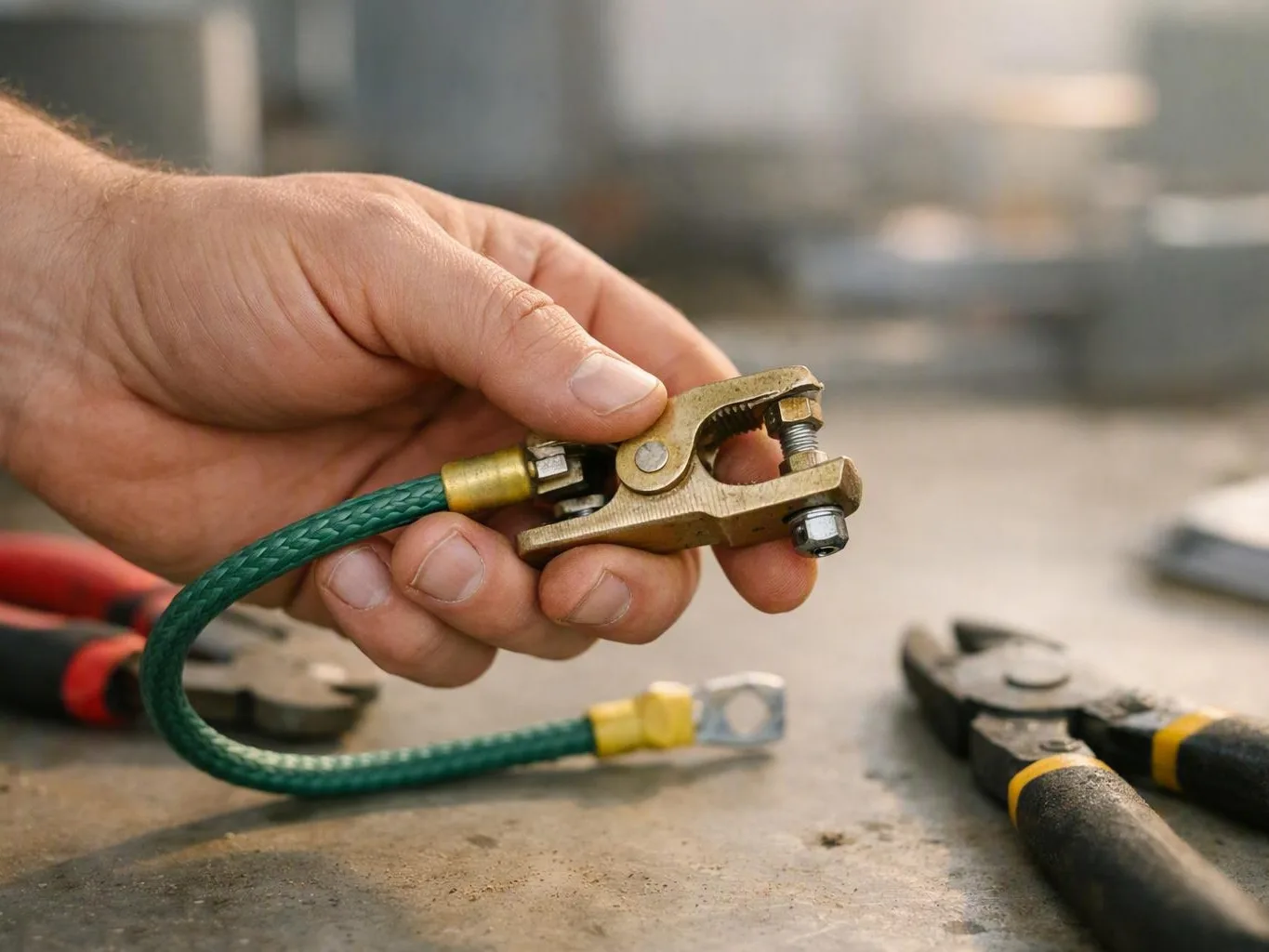
A disconnect lets workers shut off the equipment safely. Grounding and bonding must match the system design. These steps help prevent shock and equipment damage. They also prevent unsafe paths for electrical current.
An electrical inspection checks the finished work. It confirms that the work meets local rules. A basic job may use one generator and one transfer device. It may also need a disconnect and several conduit sections. The exact parts depend on the home and generator.
Portable generator connections differ from standby systems. A portable unit should use an approved inlet and transfer equipment. It shouldn't use an improvised cord connection.
Do I Need a Transfer Switch for a Generator?
Yes, a permanent generator normally needs a transfer switch. It separates utility power from generator power.automatic transfer switch can sense an outage. It can start the standby unit and move loads to it. No one needs to operate the panel during the outage.
A manual transfer switch needs homeowner action. The homeowner starts the generator and operates the switch. Both systems help prevent backfeeding. Backfeeding sends generator power into utility lines. It can also cause unsafe contact with utility power.
The equipment must match the generator and service panel. It must also match the load and grounding design. A portable setup may use a generator inlet. An inlet alone doesn't replace transfer equipment. Never use a wall outlet or makeshift cable.
What Is Included in Generator Installation?
Generator installation usually starts with a site review. It may include a load check, equipment placement, and generator wiring. It may also include a transfer switch, grounding, and fuel work. Startup, testing, permits, and inspection support are common parts. The exact work depends on the home and generator.
A clear work plan can prevent surprises. It should show the steps before delivery. It should also list the electrical and fuel work. The plan should show what must happen before startup.
Fort Wayne homes have different basements and crawl spaces. Lots and service panels can also vary. These details affect the wiring path and equipment access. Seasonal ground conditions can affect pads and trenching. Underground work may need its own schedule.
How Long Does Whole-Home Generator Installation Take?
Whole-home generator installation may take part of a day. A simple site can take one full workday. Trenching, panel work, fuel work, and inspections can take longer. Utility coordination may also extend the schedule. Your electrician can give a better timeline after reviewing the site.
Most simple jobs take about half a day to one workday. This range assumes the equipment and permits are ready. It isn't a guarantee. Difficult access or delayed materials can require more visits.
Permit approval may happen before or during the work. An electrical inspection may be needed before final startup. Fuel work can add another step to the schedule.
Trenching depends on seasonal ground conditions. Frozen or wet soil can slow digging and repairs. Utility work may also change the project order. Service equipment and fuel lines may need review.
Our crews can outline the schedule after a site visit. The plan can include delivery and placement. It can also include wiring, fuel work, permits, inspection, and startup.
How to Reduce Generator Installation Costs Without Cutting Safety?
Homeowners can control costs with good planning. Choose a generator that fits the home's actual needs. Keep the installation area easy to reach. Check the panel before choosing equipment. Plan the wiring route early. Never skip grounding, transfer equipment, permits, or inspections.
Good planning can reduce changes during the job. It also helps with service access and fuel work. The crew can choose a safer conduit route.
These steps can control the project size. They also protect safe system operation. A safe installation is worth more than a low price. Poor work can cause repairs and safety risks.
Questions About Electrician
How Much Does Whole-Home Generator Installation Cost in Fort Wayne?
The cost depends on generator size, electrical service, and transfer equipment. Wiring distance, fuel supply, access, permits, and inspections also matter. A home review gives a better estimate than an advertised price.
How Much Does It Cost to Connect a Generator to a House?
Connection cost depends on the panel, feeder wires, disconnect, and transfer switch. Grounding, conduit, and inspections also affect the cost. Panel upgrades, trenching, and fuel work can add more tasks.
Do I Need a Transfer Switch for a Generator?
Yes, a permanent generator normally needs an approved transfer switch. It prevents backfeeding and separates utility power from generator power. A portable setup may need approved transfer equipment and a generator inlet.
What Is Included in Generator Installation?
Installation may include a load check, site review, and equipment placement. It may also include wiring, a transfer switch, grounding, fuel work, testing, permits, and inspection support. The home and generator decide the exact work.
How Long Does Generator Installation Take?
A simple installation may take part of a day or one workday. Trenching, panel work, fuel work, permits, inspections, and utility work can extend the timeline.
Can an Electrician Install and Wire a Standby Generator?
Yes. The electrician can install wiring, transfer equipment, grounding, and bonding. Fuel-line work may need a qualified fuel professional.
We can review your panel, wiring route, fuel supply, and equipment location. We'll also review local approval needs. Contact our team for a safe backup power plan.