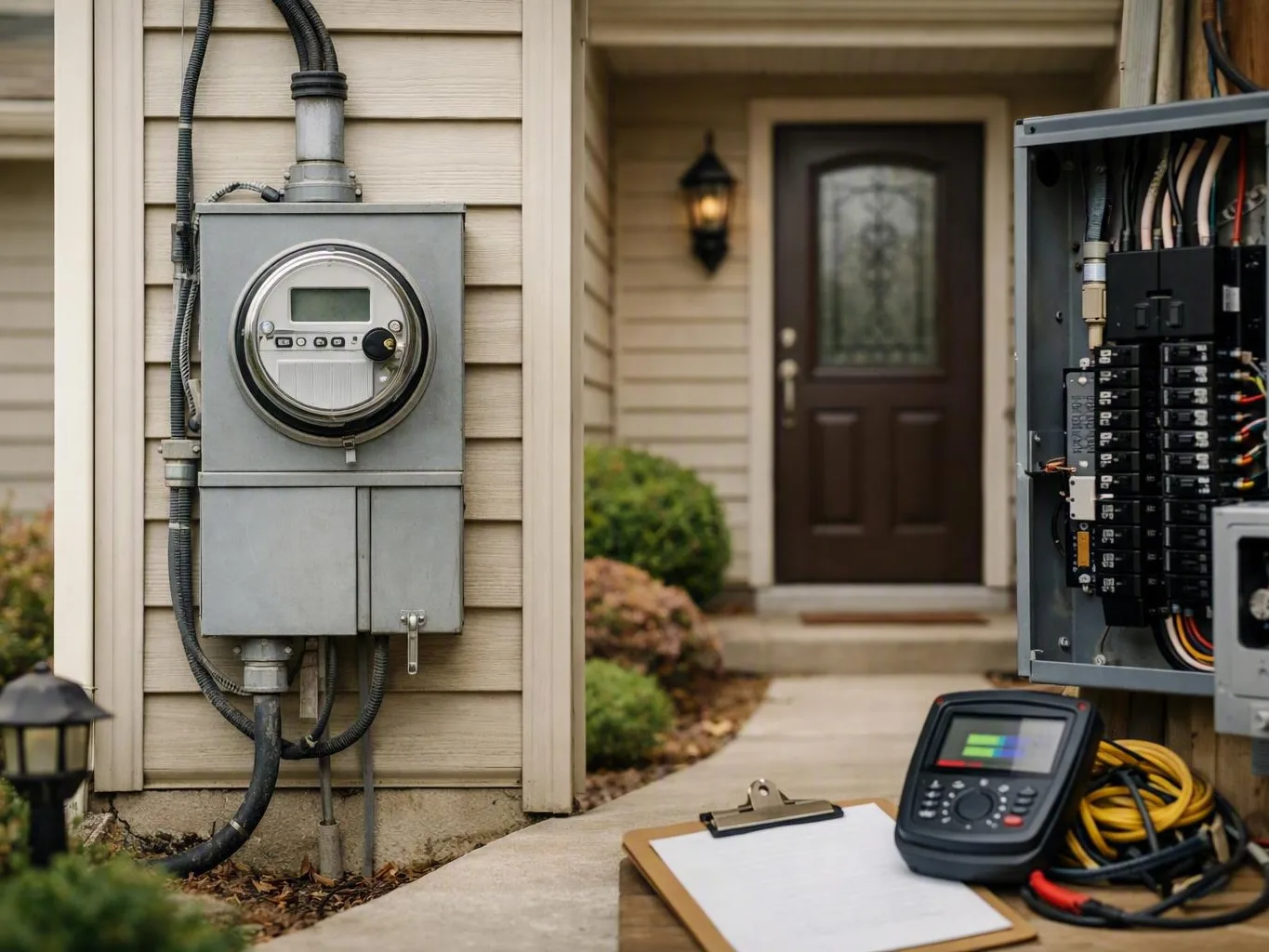
Generator Wiring and Transfer Switch Checklist Before Backup Power Use
A generator transfer switch electrical checklist helps confirm safe backup power. Check the generator, inlet, switch, wiring, grounding, fuel system, and backup circuits. Make sure the switch matches the generator. Check all wires and connections. Test power transfer and power return. Keep the generator outdoors and away from doors and windows. Never power a home through a wall outlet. Never bypass a transfer switch. An electrician should inspect unsafe wiring, heat, power loss, backfeed risk, or failed generator output.
Get a Free EstimateWhat a Generator Transfer Switch Checklist Should Verify?
A generator transfer switch checklist checks the full backup power system. It covers the generator, switch, service equipment, wiring, grounding, and backup circuits. It should confirm proper ratings and stop utility backfeed.
The transfer switch controls the power source for selected circuits. It keeps utility power and generator power apart. This protects utility workers, your home, and the generator.
First, decide which home systems need power during an outage. These may include a fridge, furnace, sump pump, well pump, lights, and phone chargers. A load check helps match those needs to generator size.
A homeowner can make a visual check when power is off. Do not move wires or remove covers. Call a qualified electrician for heat, damaged wires, odd changes, failed transfer, or backfeed risk. Our team can explain each step before work starts.
Does My Generator Need a Transfer Switch?
A portable generator needs a transfer switch when it powers home circuits through the panel. A standby generator normally uses an automatic transfer switch. Never connect a generator to a wall outlet.
A manual transfer switch needs the homeowner to start the generator. The homeowner then moves the switch from utility power to generator power. An automatic switch senses an outage and changes power sources by itself.
Small portable units may power single appliances with approved outdoor cords. Follow the equipment instructions. This setup is different from powering home circuits. A panel connection needs the right switch, inlet, wires, grounding, bonding, and breakers.
Before Installation: Generator Transfer Switch Checklist
Before work starts, check the generator output and switch rating. Check the home loads, wire size, inlet, grounding, and bonding. Also check permit and inspection needs. The plan must stop generator power from joining utility power.
Many home projects use one transfer switch and one generator inlet. They may also use feeder wires and selected backup circuits. The parts and circuit count can change by home and generator. A typical setup cannot replace a load check or inspection.
Which Home Circuits Can a Transfer Switch Safely Power?
A transfer switch can power only circuits supported by its rating and generator size. Common priority loads include fridges, furnace controls, pumps, lights, and communication gear. Large loads may need load control or removal from the backup panel.
Review each circuit as part of the full system. A breaker protects the branch circuit. The generator also needs enough power for the equipment and its starting load.
| Load | Common backup priority | Planning note |
|---|---|---|
| Refrigerator or freezer | High | Allow for compressor starting current. |
| Furnace controls | High | Confirm the heating equipment connection. |
| Well pump or sump pump | High | Motor startup may need substantial capacity. |
| Lighting and communications | Medium to high | Select only needed rooms and equipment. |
| Electric range or water heater | Often low | Usually excluded unless capacity allows. |
Load control can help a smaller generator. For example, you might run a well pump for a short time. You could avoid using the range or water heater then. Plan medical equipment with the maker’s guidance and a backup plan.
During Installation: Check Generator Wiring and Transfer Switch Connections
During work, check feeder wires, neutral wires, ground wires, conduit, terminals, and breakers. Each part must match the equipment needs. The switch must keep utility power apart from generator power. Connections must stay secure, marked, protected, and easy to inspect.
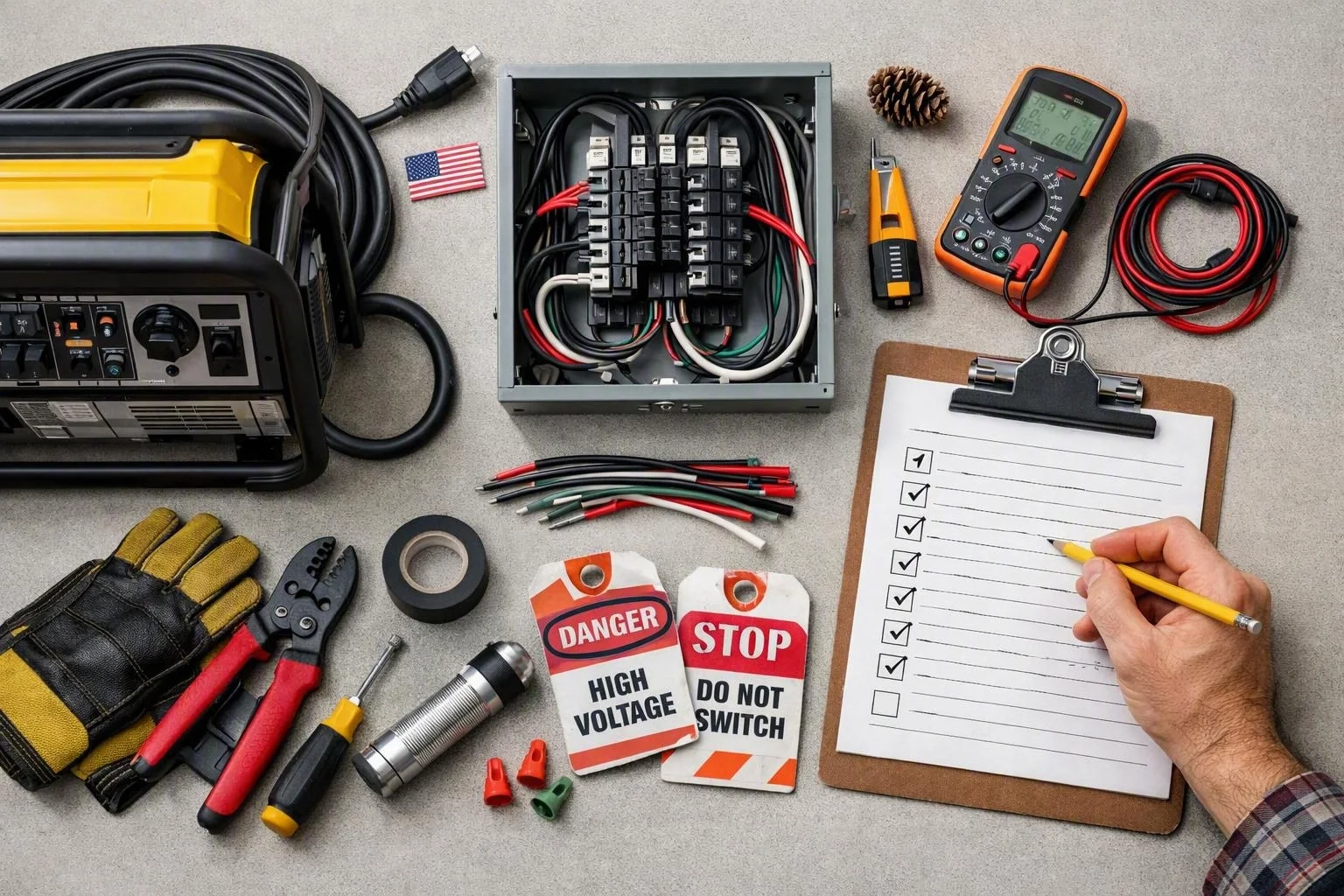
A safe setup links the inlet, feeder wires, breakers, and utility service. Stop if any part looks changed or does not match the plan. Generator Wiring should be inspected instead of fixed by guesswork.
How to Tell if Generator Wiring Is Safe?
Safe generator wiring has good insulation, proper wire size, tight terminals, and correct grounding. It also has correct polarity and a working transfer switch. It must not use an improvised cord or allow backfeeding. A qualified electrician should test live wiring.
Start with a visual check when power is off. Do not remove covers. Look for exposed wires, damaged insulation, water, scorch marks, missing covers, or an unsafe cord.
Backfeeding happens when generator power reaches utility lines without an approved switch. It can energize lines that workers think are off. It can also damage the home or generator. A proper inlet and switch help prevent this danger.
Testing may check voltage, polarity, continuity, grounding, and bonding. These tests may expose live parts. Homeowners should not open live equipment or guess at readings. Arrange an inspection when safe use is unclear.
Our Generator Installation work in Fort Wayne, in covers the panel, backup circuits, equipment ratings, and safe transfer. These safety rules apply to every installation.
After Installation: Test Backup Power Before an Outage
After installation, test startup, transfer, voltage, load response, and power return. The test should show that approved loads work without trips, excess heat, or unstable voltage. It should also show safe return to utility power.
Testing is complete only after transfer and power return work. If the generator runs but the home has no power, stop. Never bypass the transfer switch. Have the system checked.
Why Is My Generator Not Powering the House?
A generator may not power a house for several reasons. The switch may be in the wrong position. A breaker may be tripped. Fuel or battery power may be low. The unit may be overloaded. The selected circuits may not connect to backup power. Call an electrician if wiring is hot, damaged, or sparking.
Move to a safe place first. Check if the generator runs normally. Low fuel, a dead battery, a closed fuel valve, or a fault code may stop output. Never add fuel to a hot or running unit.
Check the switch position only as the instructions allow. A manual switch may still use utility power. An automatic switch may have a fault or service setting. Never remove covers or touch internal wires.
A tripped breaker may show an overload. Unplug extra loads and follow the reset steps. Call for help if the generator trips again.
Check if the needed circuits connect to backup power. A fridge or furnace may use a circuit outside the backup group. A separate panel or wiring fault may also cause the issue.
Generator Wiring Problems: Red Flags That Need an Electrician
Generator wiring problems need an electrician when you smell burning or see scorch marks. Sparking, shocks, repeated trips, odd voltage, or exposed wires also need help. These signs may show heat, a short, bad bonding, damaged insulation, or backfeed.
Make a visual check only when there is no danger. Do not open live equipment. Generator wiring problems, failed transfer, and backfeed concerns need a qualified electrician.
Questions About Electrician
What Is the Checklist for Installing a Generator Transfer Switch?
Check generator output, switch rating, load size, inlet location, wire size, grounding, bonding, breakers, permits, and labels. Make sure utility power stays separate. Test transfer, voltage, approved loads, and power return before use.
When Should I Call an Electrician for Generator Wiring Problems?
Call a qualified electrician for burning odors, scorch marks, sparks, shocks, exposed wires, repeated trips, odd voltage, backfeed concerns, damaged wiring, or failed transfer.
Does My Generator Need a Transfer Switch?
Yes, a transfer switch is needed when a portable or standby generator powers home circuits through the panel. It stops utility backfeed. A portable unit may power single appliances with approved outdoor cords.
How Can I Tell if My Generator Wiring Is Safe?
Safe wiring has good insulation, proper wire size, tight terminals, and correct grounding and bonding. It also needs correct polarity and a working switch. It must not allow backfeeding. A qualified professional should test live wiring.
Why Is My Generator Not Powering the House?
Common causes include a tripped breaker, low fuel, a dead battery, the wrong switch position, an overload, or circuits outside the backup group. Stop if wiring is hot, damaged, or sparking. Request professional service.
For outage planning, Generator Installation and transfer equipment should fit your essential circuits and equipment. Use a safe operating plan. If you need an inspection or repair, contact our team through our contact page.
Related Resources
How Much Does an Electrician Cost in Fort Wayne?
electrician cost Fort Wayne IN
What It CostsWhole-Home Rewiring: Cost, Timeline, and What to Expect
whole house rewiring cost Fort Wayne IN
What It CostsWhole-Home Generator Installation: Costs, Wiring, and Timeline
whole home generator installation cost Fort Wayne IN
How It WorksElectrical Inspections and Code Corrections: Costs, Process, and Next Steps
electrical inspection and code correction Fort Wayne