A Home Electrical Troubleshooting Checklist
Home electrical troubleshooting starts with safety, identifies the affected circuit or device, and checks simple causes such as a tripped breaker or GFCI. Chris Miller Electric handles electrical troubleshooting, circuit breaker repair, outlet repair, light switch repair, and electrical panel repair when testing or repair is beyond safe homeowner checks.
Request an Estimate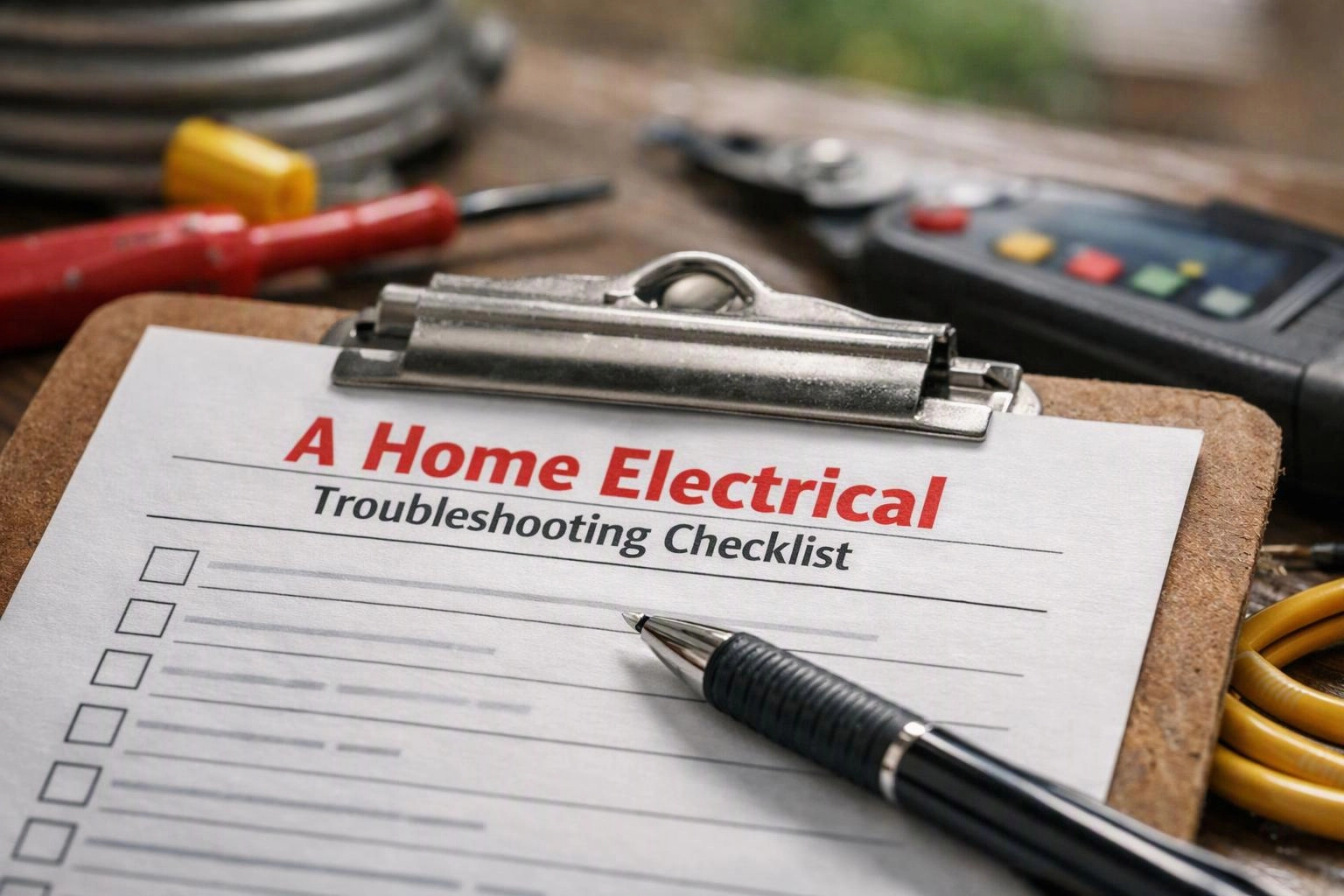
How to Start Troubleshooting a Home Electrical Problem Safely
Electrical safety comes first during any home electrical troubleshooting. Stop when you see smoke, sparks, exposed conductors, heat damage, water near electricity, or a problem inside the electrical panel.
An electrical hazard can cause shock, fire, or further equipment damage. You can identify the affected circuit and check accessible controls, but we handle testing and repair when the fault is not clear or safe to reach.
Home Electrical Troubleshooting Checklist
A home electrical troubleshooting checklist moves from the affected device to accessible controls. Work only with equipment that is dry, undamaged, and safe to handle.
Why Are the Lights Flickering?
Flickering lights can result from a loose bulb or light fixture, a faulty switch, an overloaded circuit, or a wiring fault. A single loose light bulb may be simple to correct, but repeated flickering needs attention.
We inspect the light fixture, switch, connections, and circuit to separate a local fixture issue from voltage fluctuation or a broader wiring problem. Stop using the fixture if you notice heat, a burning smell, sparks, or an exposed wire.
What to Check When an Electrical Outlet Is Dead
A dead electrical outlet may be controlled by a tripped breaker or an upstream GFCI outlet. Persistent loss of power can indicate an outlet or wiring fault.
Why Does a Circuit Breaker Keep Tripping?
A circuit breaker that keeps tripping is responding to an overload, short circuit, ground fault, faulty electrical appliance, or wiring problem. Repeatedly resetting the breaker can increase the risk of damage.
We identify the affected branch circuit, isolate the load, and test the circuit and connections. Our Electrical Troubleshooting service addresses the cause instead of treating the tripped breaker as the fault itself.
What to Do When an Appliance Trips the Breaker
An appliance that trips a breaker should be unplugged and kept out of use until the appliance, circuit, and connection can be safely evaluated.
A damaged power cord, appliance fault, overload, or ground fault can all produce the same symptom. We test the circuit and connection and help determine whether the appliance or the branch circuit needs repair.
What to Check When One Room Loses Power
Power loss in one room commonly points to a tripped breaker, tripped GFCI device, switched outlet, disconnected appliance, or fault affecting that branch circuit. Check accessible controls before touching any wiring.
Why Did a Light Switch Stop Working?
A light switch that stops working can have a failed switch, loose connection, damaged wiring, or an electrical circuit problem. Do not remove the switch plate to investigate live wiring.
We test the switch box, light fixture, and related circuit before replacing parts. This approach helps us identify whether the switch or another connection caused the loss of light.
What Does Buzzing or Crackling From an Electrical Panel Mean?
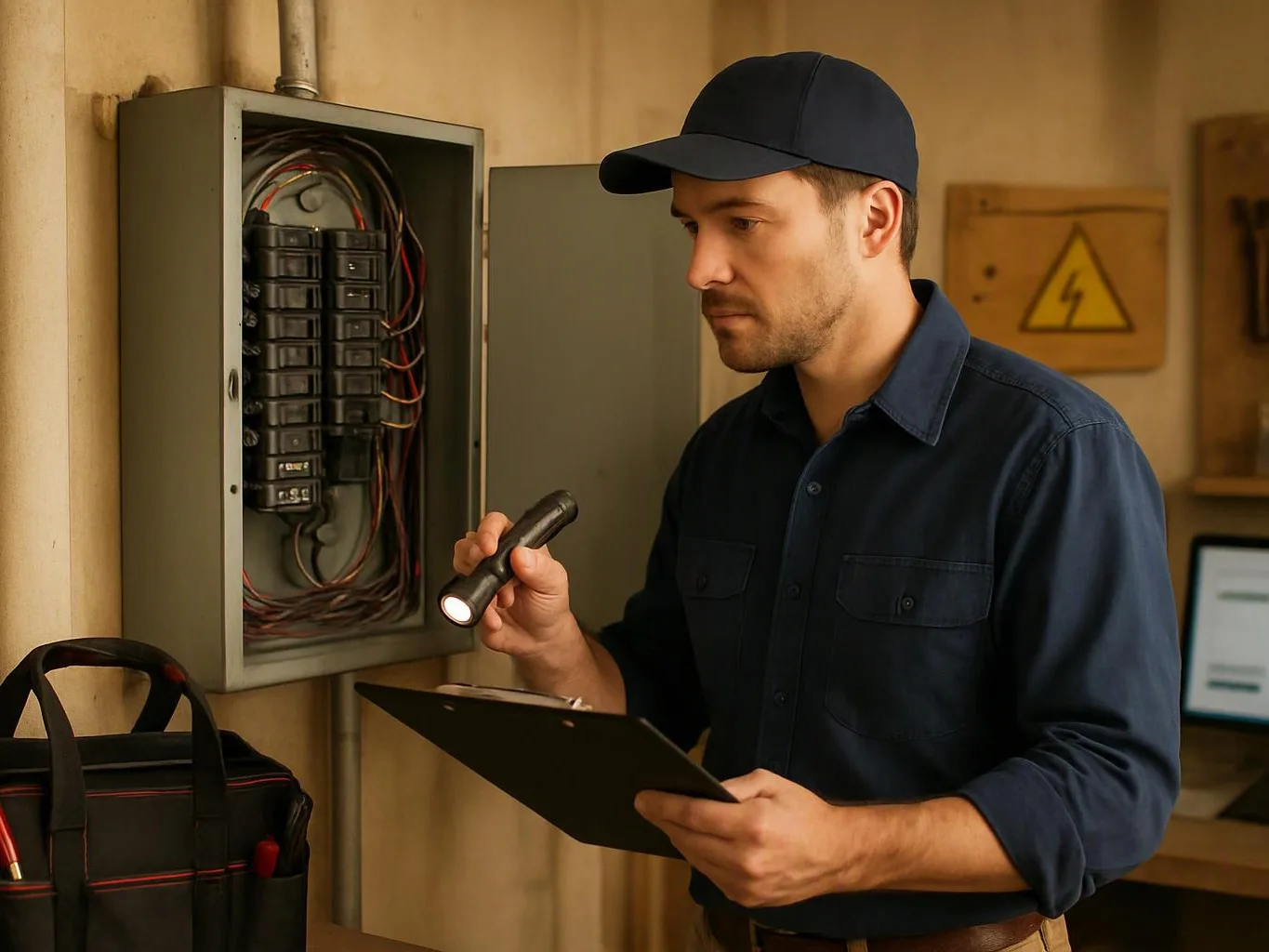
Buzzing or crackling from an electrical panel is a warning sign of a loose connection, failing circuit breaker, arcing, or another panel fault. The sound can indicate an electrical fire hazard.
Keep clear of the panel and stop using affected equipment. We inspect the panel and connections safely, then complete the needed electrical panel repair.
Which Electrical Troubleshooting Steps Should Homeowners Avoid?
Homeowners should avoid working on energized parts or changing the electrical system without the required training and equipment. Safe troubleshooting ends when normal user controls do not resolve the issue.
When Should Chris Miller Electric Inspect or Repair the Problem?
Chris Miller Electric should inspect or repair the problem when safe checks do not restore power, a breaker repeatedly trips, wiring shows damage, or a panel, outlet, switch, or fixture shows heat or arcing.
We provide electrical troubleshooting, circuit breaker repair, outlet repair, light switch repair, and electrical panel repair. Our team tests the affected circuit and explains the repair needed before work begins.
What Information Helps Us Diagnose an Electrical Fault?
We diagnose electrical faults more efficiently when you describe what lost power, what changed before the fault, which devices are affected, and whether a breaker or GFCI device tripped.
Tell us about flickering lights, a dead outlet, a warm outlet, a buzzing panel, a crackling sound, or a burning smell. Include the appliance load and affected circuit when you can do so without opening the panel or touching wiring.
Questions About Home Electrical Troubleshooting
Can a tripped GFCI outlet cause other outlets to stop working?
Yes, a tripped GFCI outlet can interrupt power to other outlets connected downstream. Chris Miller Electric checks the accessible GFCI device, affected circuit, and outlet connections when resetting it does not restore power.
Is a warm electrical outlet dangerous?
Yes, a warm electrical outlet can indicate a loose connection, overload, damaged receptacle, or another fault. Stop using the outlet and arrange an electrical inspection, especially if discoloration or a burning smell is present.
Should I keep resetting a circuit breaker that trips?
No, you should not keep resetting a circuit breaker that trips. Repeated trips can point to an overload, short circuit, ground fault, faulty appliance, or wiring problem.
Can a faulty appliance cause a breaker to trip?
Yes, a faulty appliance can cause a breaker to trip through an internal fault, damaged cord, overload, or ground fault. Unplug the appliance, stop using it, and arrange testing if the circuit continues to trip.
What should I do if I smell burning near an outlet?
Stop using the outlet and move away from smoke, sparks, or visible heat. Keep clear of damaged wiring and arrange immediate electrical inspection and repair.
Get Help With an Electrical Fault
Chris Miller Electric inspects unsafe or unresolved electrical problems and repairs affected circuits, outlets, switches, appliances, and panels. Contact us with the symptoms, affected devices, and any breaker or GFCI response so our team can guide the next step.
Request Electrical Troubleshooting