Identify the affected circuit
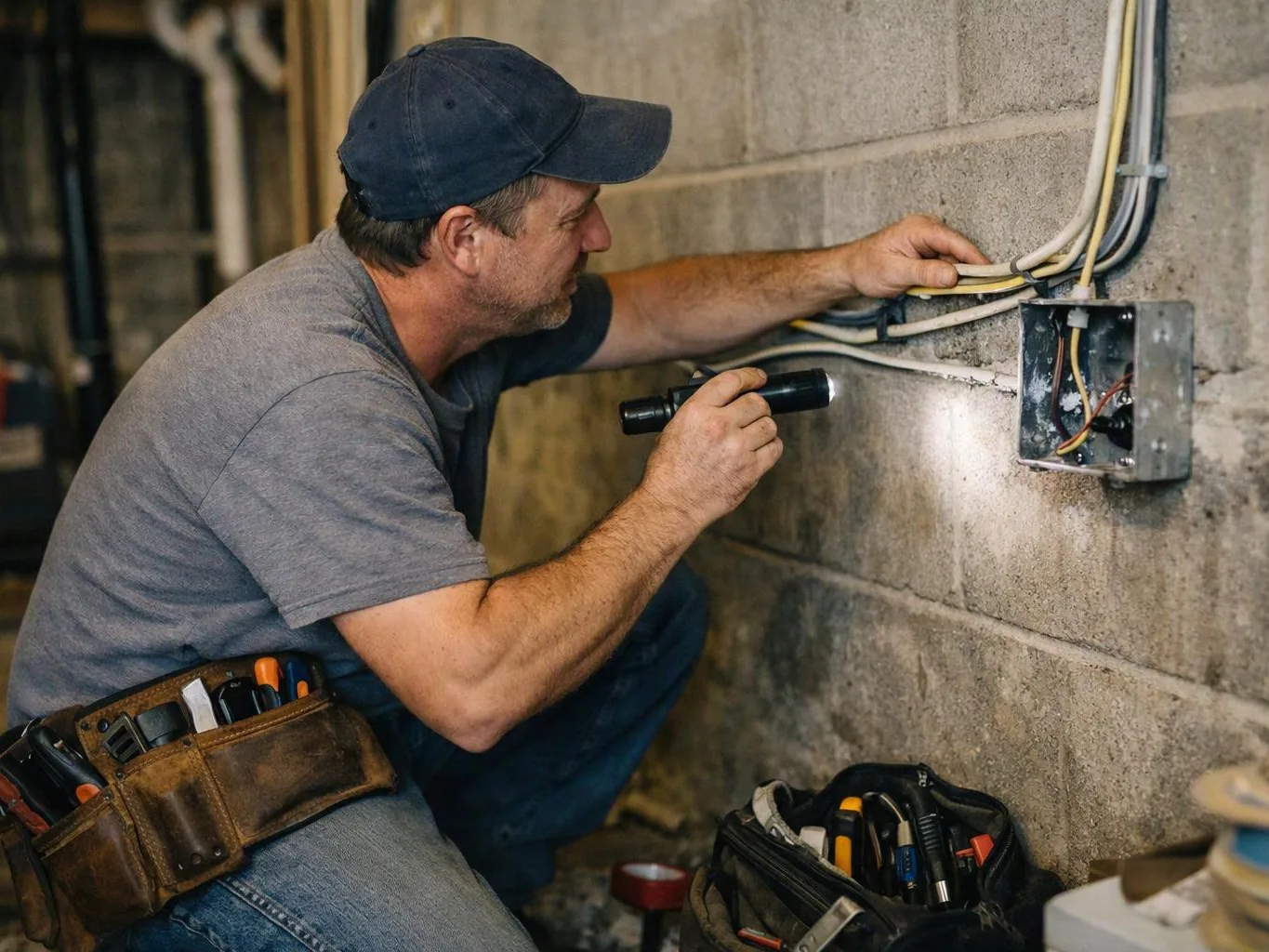
We record which outlets, lights, or equipment lose power and isolate the breaker involved.
A tripping breaker can point to an overload, damaged wiring, or a failing breaker. We find the fault and explain the repair path.
Repeated breaker trips have a diagnosed cause instead of a temporary reset.
The affected circuit receives testing after the repair.
You get a clear decision about repair, breaker replacement, or related wiring work.
Circuit breaker repair is electrical service that restores a breaker and its circuit after a fault interrupts power.
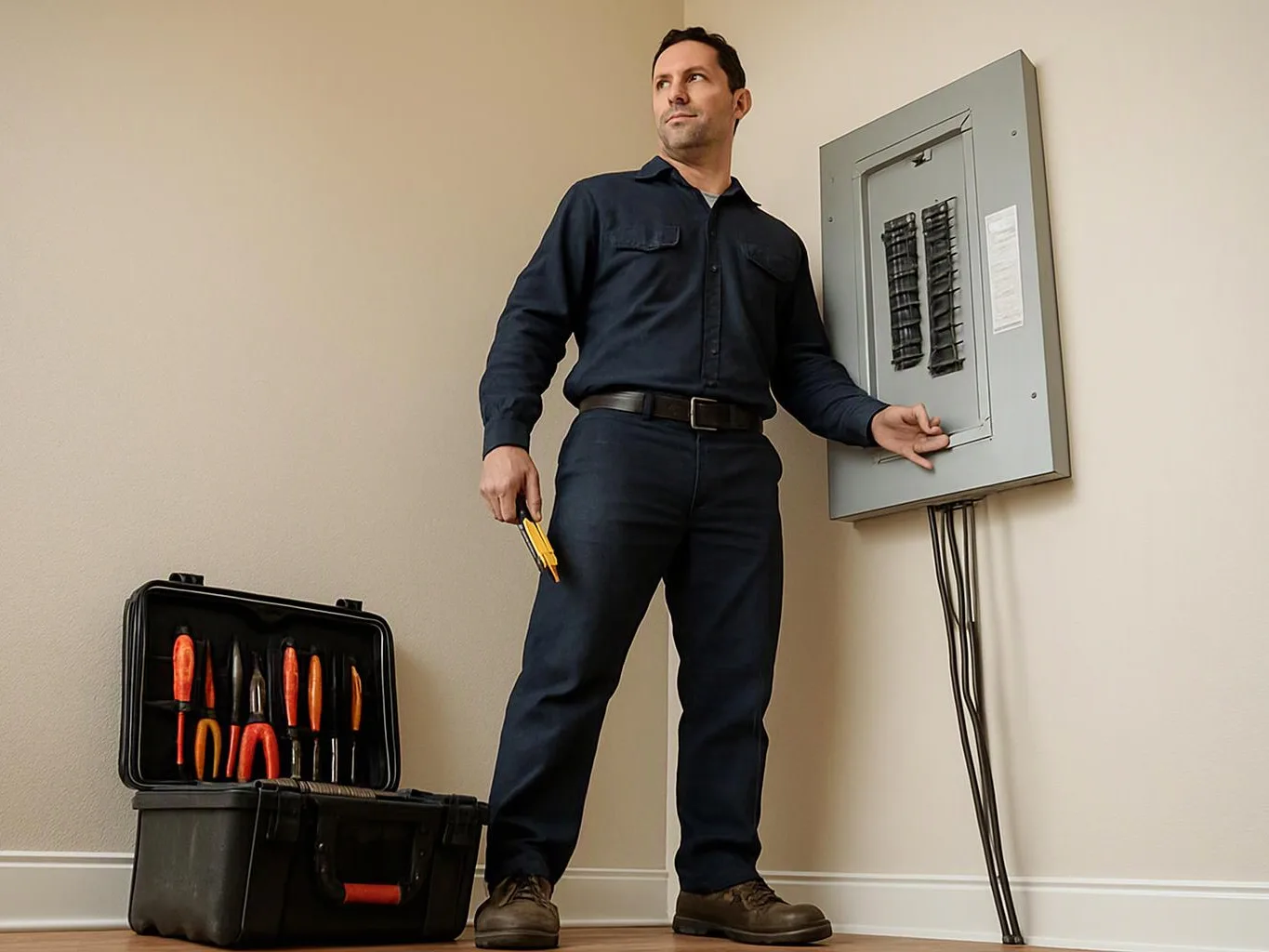
Breaker repair starts with diagnosis, not a blind reset. We identify the affected circuit, inspect the breaker and terminals, and check connected devices for signs of a short or overload. The failure mode matters. A breaker may trip because the circuit carries too much load, because wiring is damaged, or because the breaker itself no longer works correctly. We use circuit tracing and testing to separate those causes. Repair may involve tightening or correcting a connection, replacing a failed breaker, or addressing a related wiring problem. A new breaker alone won't solve a fault that remains in the circuit. Burning smells, warm panel parts, sparking, and repeated trips raise the risk of further damage. We isolate the affected circuit and explain what needs attention before power is restored.
We record which outlets, lights, or equipment lose power and isolate the breaker involved.
We check the breaker, terminals, wiring, and panel for heat, damage, loose connections, or visible arcing.
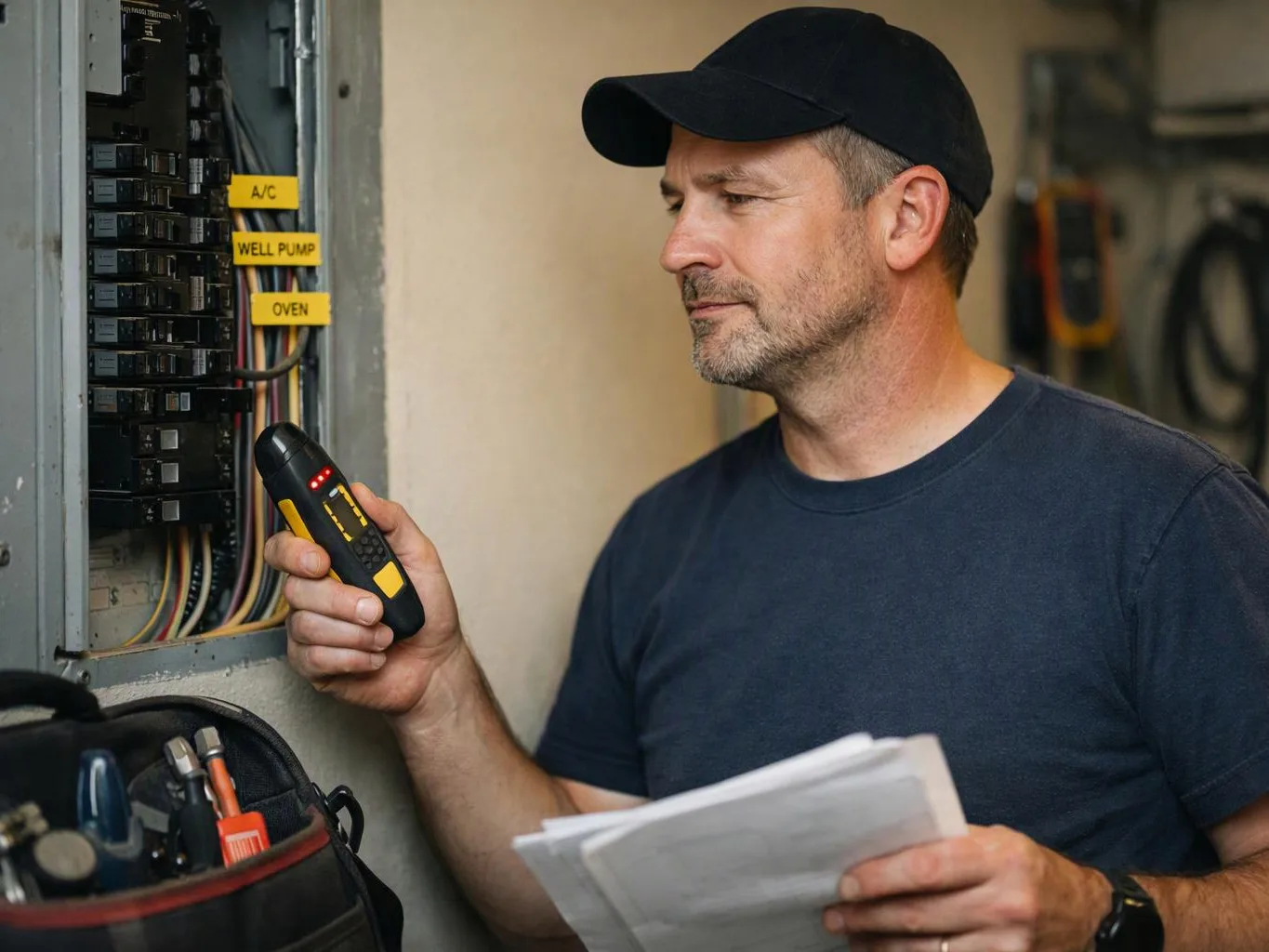
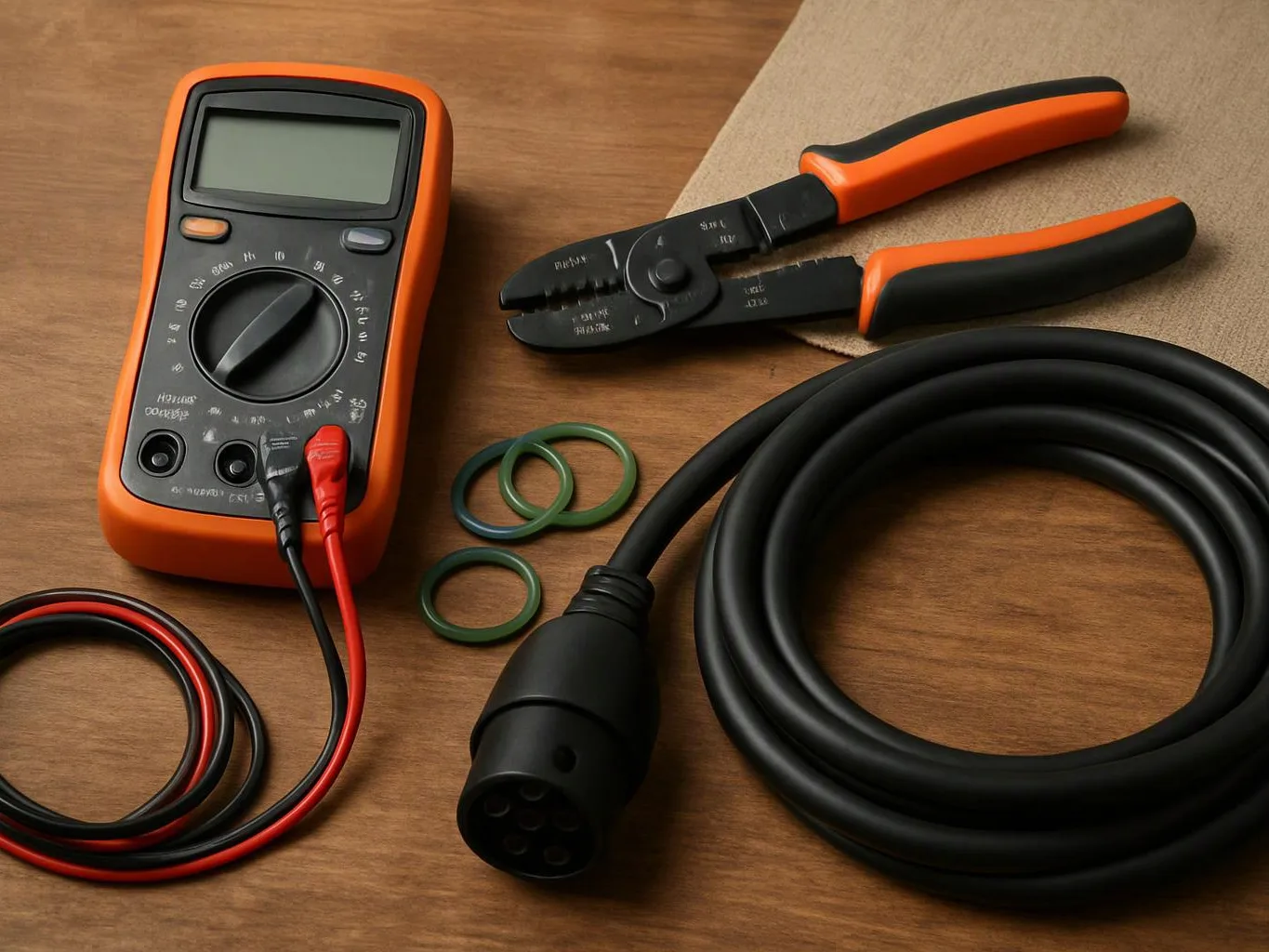
We use circuit tracing and electrical testing to separate an overload, short, wiring fault, or failed breaker.
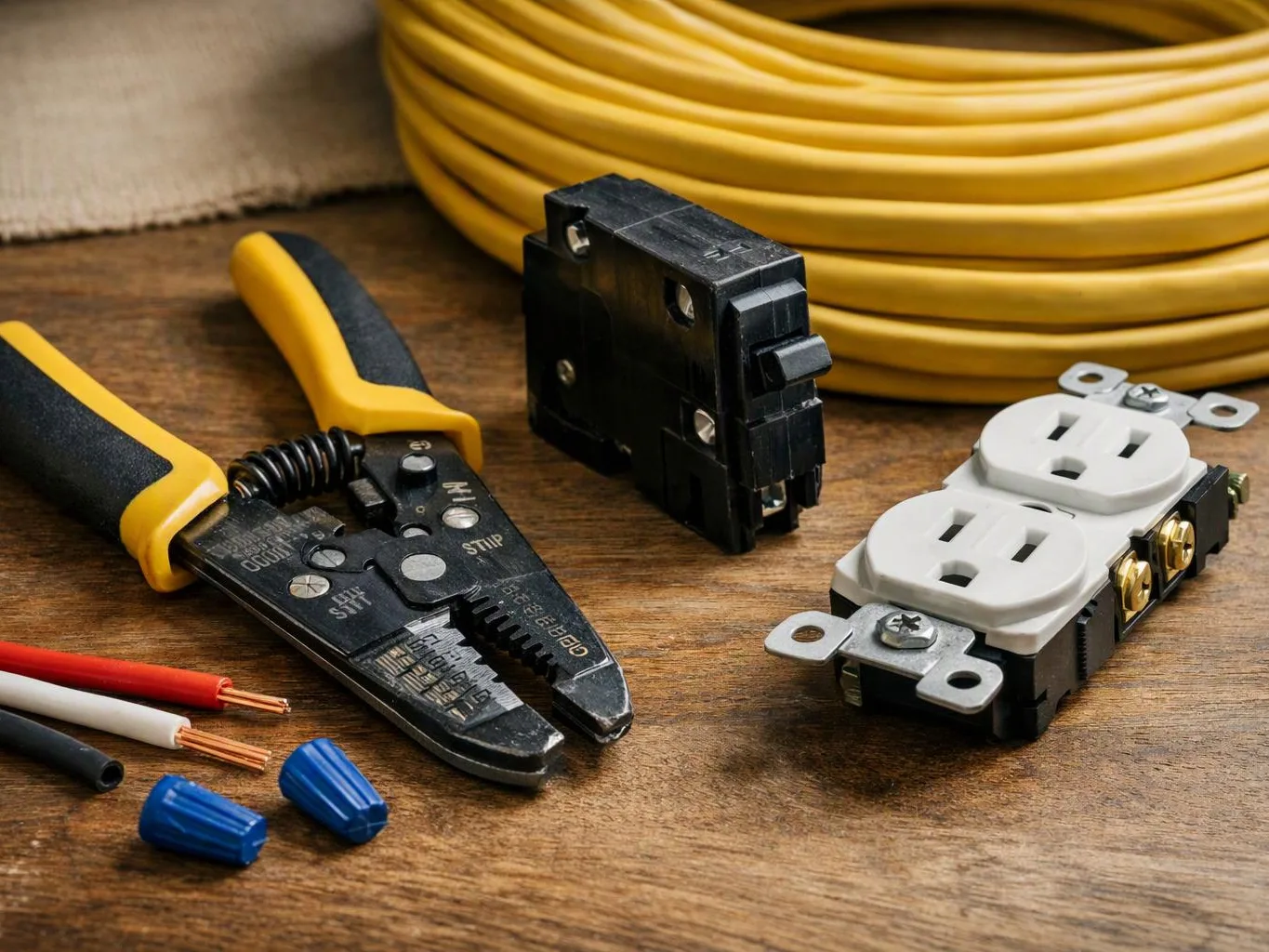
We explain whether the circuit needs a connection repair, breaker replacement, or related wiring work.
We test the repaired circuit and confirm that the breaker and connected points operate as expected.
A few details help us diagnose the affected circuit with less guesswork.
We troubleshoot the breaker, wiring, and connected load before repairing the electrical fault.
We identify whether the problem starts at the panel, circuit wiring, outlets, or connected equipment.
We isolate unsafe circuits, repair the fault, and test restored power for residential and commercial properties.
Tell Chris Miller Electric what the breaker is doing and request an estimate, urgent requests get priority scheduling.
A breaker that trips when an appliance starts may be seeing excess load or a fault in the appliance circuit. The panel rating, wiring condition, and connected load all matter for the diagnosis. Turn off the affected circuit and note which equipment was running. We can trace the circuit and explain whether the issue points to the breaker, wiring, or load.
Several dead outlets on one circuit can point to a tripped breaker, a loose connection, or a fault upstream. The first outlet with no power may not be where the problem began. Avoid opening the receptacles yourself, especially if the panel shows heat or damage. We isolate the circuit, test its path, and identify the failed point.
A repeated trip can interrupt equipment or work in a Fort Wayne business. The repair needs to account for the connected load, operating conditions, and safe access to the panel. Staff should stop using the affected equipment and note when the trip occurs. We inspect the circuit, identify the failure mode, and outline the repair needed for continued operation.