What to Look For on a Home Electrical Inspection Checklist
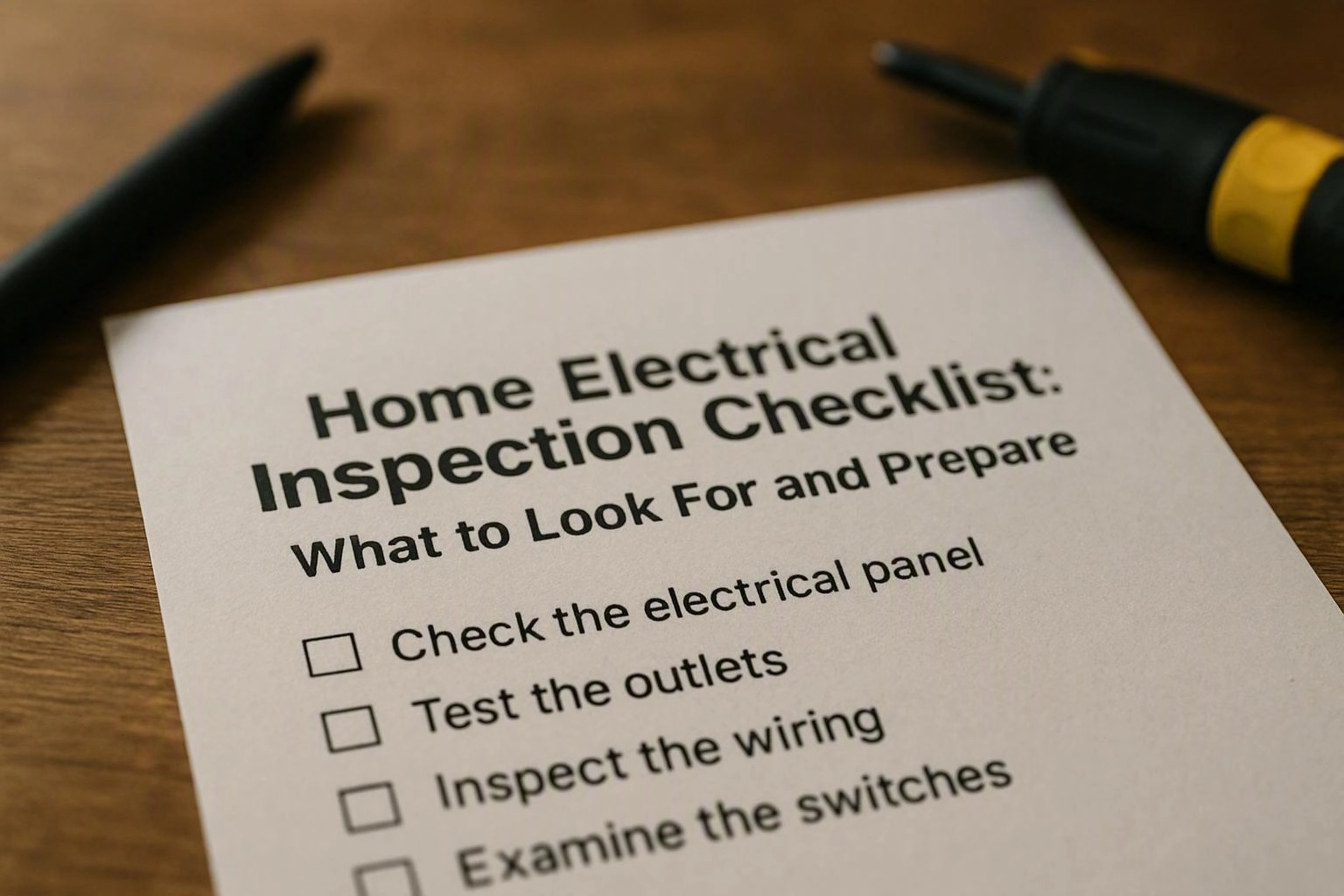
A home electrical inspection checklist helps homeowners review key electrical parts. These parts include panels, wiring, outlets, switches, grounding, and safety devices. Before the visit, clear the panel area and list any problems. Note flickering lights, tripped breakers, warm outlets, or odd smells. During the visit, an electrician checks accessible parts and tests selected systems. Afterward, fix urgent hazards first. Then plan code corrections and needed troubleshooting. Buyers should schedule an inspection before buying a house. Homeowners should consider one after remodeling, water damage, or repeated problems.
Get a Free EstimateHow Homeowners Should Use an Electrical Inspection Checklist?
Home electrical inspection checklistshelp homeowners spot visible electrical concerns. They also help prepare the home.electrician. The checklist doesn't replace professional testing or diagnosis. It helps track panels, wiring, outlets, grounding, and signs of failure.
Use the checklist as a record. Don't use it as permission to make repairs. A visual check can reveal damaged covers and loose outlets. It can also show scorch marks, missing labels, and exposed wiring. It can't confirm hidden connections or every code rule.
Walk through the home while equipment is off and surfaces are cool. Check accessible outlets, switches, fixtures, cords, and the panel. Write down the room, device, symptom, and time. A clear record helps our team understand the problem.
Keep children and pets away from work areas. Don't remove a panel cover or pull out an outlet. Never touch live parts or use homemade test tools. An electrical safety inspection works best with clear notes and safe testing.
Plan for short power outages in an occupied home. Protect sensitive equipment as your electrician advises. Most basic residential inspections take about two to four hours. Home size, access, and system condition can change that time. Chris Miller Electric provides Electrical Inspections in Fort Wayne.
Before the Inspection: Prepare Your Home
Clear the electrical panel area before the inspection. List repeated problems and gather renovation records. Make major appliances and pets easy to account for. Don't touch exposed wiring or attempt repairs. Good preparation helps the visit stay safe and efficient.
Give the electrician room to work. Share useful details about the property. Mention additions, finished basements, workshops, and generators. Also mention chargers, remodeling, or hard-to-reach areas.
Don't reset a breaker again and again. Don't hide a warm outlet from the electrician. Honest details help reveal the real cause. Our team can explain each step before testing begins.
What Does an Electrician Check During an Inspection?
An electrician checks panels, wiring, outlets, switches, grounding, and circuit protection. The electrician also looks for visible damage and overloads. They may test GFCI and AFCI protection. They may also find code issues or need for troubleshooting.
The inspection scope depends on the service and property. Access and equipment condition also affect the visit. A professional may use a meter or another test tool. Testing doesn't mean every hidden area will be opened. Homeowners shouldn't copy these tests on live equipment.
| Area checked | What may be reviewed | Possible concern |
|---|---|---|
| Panel and service equipment | Breakers, labels, capacity, clear space, and visible damage | Heat marks, missing covers, poor labels, or wrong equipment |
| Older distribution equipment | Fuse box, fuse sizes, access, and unsafe changes | Wrong fuse size, damage, or low capacity |
| Branch circuits | Circuit paths, loads, device links, and accessible wires | Overload, loose link, or mismatched device |
| Electrical wiring | Insulation, damage, splices, support, and heat signs | Exposed wire, damaged insulation, or unsafe changes |
| Grounding and bonding | Ground paths, bonding links, and path concerns | Missing, damaged, or changed safety paths |
| GFCI outlet protection | Test and reset action in wet areas | Failure to trip, reset, or protect other outlets |
| AFCI protection | Proper protection and response where installed | Missing, wrong, or often tripping protection |
The visit may include switches, fixtures, outlets, and outdoor equipment. It may also include visible cords and device checks. A GFCI outlet helps lower shock risk. It senses an unsafe flow difference. AFCI protection helps lower fire risk from some arcs. Neither device makes damaged wiring safe.
Reports often group findings by type and risk. Some items need more testing or access. A report may suggest code corrections even when equipment works. Working equipment isn't always safe or code-compliant. Your electrician should explain each finding clearly.
During the Inspection: Follow This Homeowner Checklist
Share an honest history and point out every symptom. Don't interrupt testing or touch live parts. Ask which findings need quick action. An electrician may test equipment and inspect accessible parts.
Stay nearby without entering the work area. Ask questions after each test ends. Clear talks can explain shutoffs, tests, and repair needs.
Your role is observation and communication. The professional handles testing, diagnosis, and repair planning. Never open a live panel or bypass protection. Stop using equipment that sparks, smokes, heats, or shocks.
Electrical Red Flags That Need Prompt Attention
Red flags include burning smells, warm outlets, and dark marks. They also include buzzing, flickering lights, and repeated trips. Sparks and shocks need prompt attention too. These signs may point to loose links, overloads, or damaged wires. Stop using affected equipment and call a qualified electrician.
Don't cover a damaged outlet or use a larger fuse. Don't keep resetting a breaker. If you see smoke or sparks, move people away. Call emergency services when needed. Don't touch the equipment.
These signs don't show one exact cause. Electrical troubleshooting can find the source. The source may be a device, circuit, link, ground path, or larger system.
When Should You Get an Electrical Inspection?
Get an inspection before buying a house or planning major work. Get one after water or storm damage too. Aging systems and repeated problems also call for review. An inspection can find hazards and set repair needs.
Consider an inspection before adding high-demand equipment. This includes heaters, ranges, workshops, chargers, pools, and backup power. New equipment can raise the home's electrical demand.
Water damage needs special care. Moisture can affect outlets, wires, panels, and safety devices. Parts may look dry but still have damage. Don't restore damaged equipment yourself. Get an evaluation first.
An older system may still work with limited capacity. It may have old protection, worn insulation, or hidden changes. Age alone doesn't prove danger. It does support a closer review.
Get help when problems continue after replacing a device. Troubleshooting can separate an appliance issue from a circuit issue. Schedule early when planning a remodel.
Electrical Inspection Before Buying a House
A pre-purchase electrical inspection shows a buyer the system's condition. It covers panels, wiring, outlets, grounding, and safety devices. Buyers should ask about urgent hazards and repair needs. A detailed report supports better choices.
A general home inspection may find visible electrical problems. It may not include detailed tests or diagnosis. Ask about panels, circuits, GFCI devices, and AFCI protection. Also ask about grounding, bonding, and past changes.
Request a report that separates urgent hazards from other items. A missing label may be minor. Damaged wiring or an unsafe panel may need quick action. The report should list areas the inspector couldn't reach.
Use the report to request a repair estimate. An estimate doesn't prove every upgrade is required. Buyers, sellers, and agents may need to discuss permits and repairs.
Before closing, ask who will make repairs. Ask if more testing or records are needed. An inspection can't prevent future failures. It gives the buyer better information.
After the Inspection: Prioritize Repairs and Next Steps
Review the report after the inspection. Separate urgent hazards from routine items. Ask for clear answers and schedule needed code corrections. A qualified electrician can troubleshoot problems that remain.
Don't rank repairs by item count alone. One damaged link may need faster action than several small concerns. Ask what could cause fire, shock, or power loss.
Our crews can explain urgent and planned repairs. Electrical Code Corrections may include new devices, better protection, or safer connections. They may also include new labels or changes to unsafe work.
Ask if repairs solved the original problem. If symptoms continue, stop using affected equipment. Request more testing instead of resetting the system.
Questions About Electrician
What Should Be Included in an Electrical Inspection Checklist for Homeowners?
It should cover panels, fuse boxes, labels, wiring, outlets, switches, and grounding. It should also cover bonding, GFCI outlets, AFCI protection, appliance circuits, and outdoor equipment. Note water damage, remodeling, overloads, loose links, and exposed wires. Professional testing is still needed for diagnosis.
How Often Should a House Have an Electrical Inspection?
There is no set schedule for every home. Consider one before buying, after remodeling, or after water damage. Also consider one when systems age or problems repeat. A qualified professional can suggest a review time.
Is an Electrical Inspection Necessary Before Buying a House?
A pre-purchase review is strongly useful before closing. It can find defects, hazards, low capacity, and repair needs. A general inspection may not offer the same testing. Buyers should request written findings before making decisions.
What Does an Electrician Check During a Home Inspection?
The professional checks panels, breakers, fuse equipment, circuits, wiring, outlets, and switches. They also check grounding, bonding, GFCI devices, AFCI protection, and labels. Selected systems may be tested with tools. Hidden conditions can't always be confirmed.
What Are the Most Common Electrical Problems Found During a Home Inspection?
Common findings include poor labels, damaged outlets, and failed GFCI protection. Other findings include low AFCI protection, loose links, overloads, and exposed wires. Inspectors may also find grounding concerns, old equipment, and panel damage.
A careful review helps you make safer home decisions. It can guide repairs, remodeling, and home buying. Contact our team through our contact page for help with your report.
Related Resources
How Much Does an Electrician Cost in Fort Wayne?
electrician cost Fort Wayne IN
What It CostsWhole-Home Rewiring: Cost, Timeline, and What to Expect
whole house rewiring cost Fort Wayne IN
How It WorksWhat to Expect During an Electrical Troubleshooting Visit
electrical troubleshooting electrician Fort Wayne
How It WorksElectrical Inspections and Code Corrections: Costs, Process, and Next Steps
electrical inspection and code correction Fort Wayne