What Common Electrical Warning Signs Mean
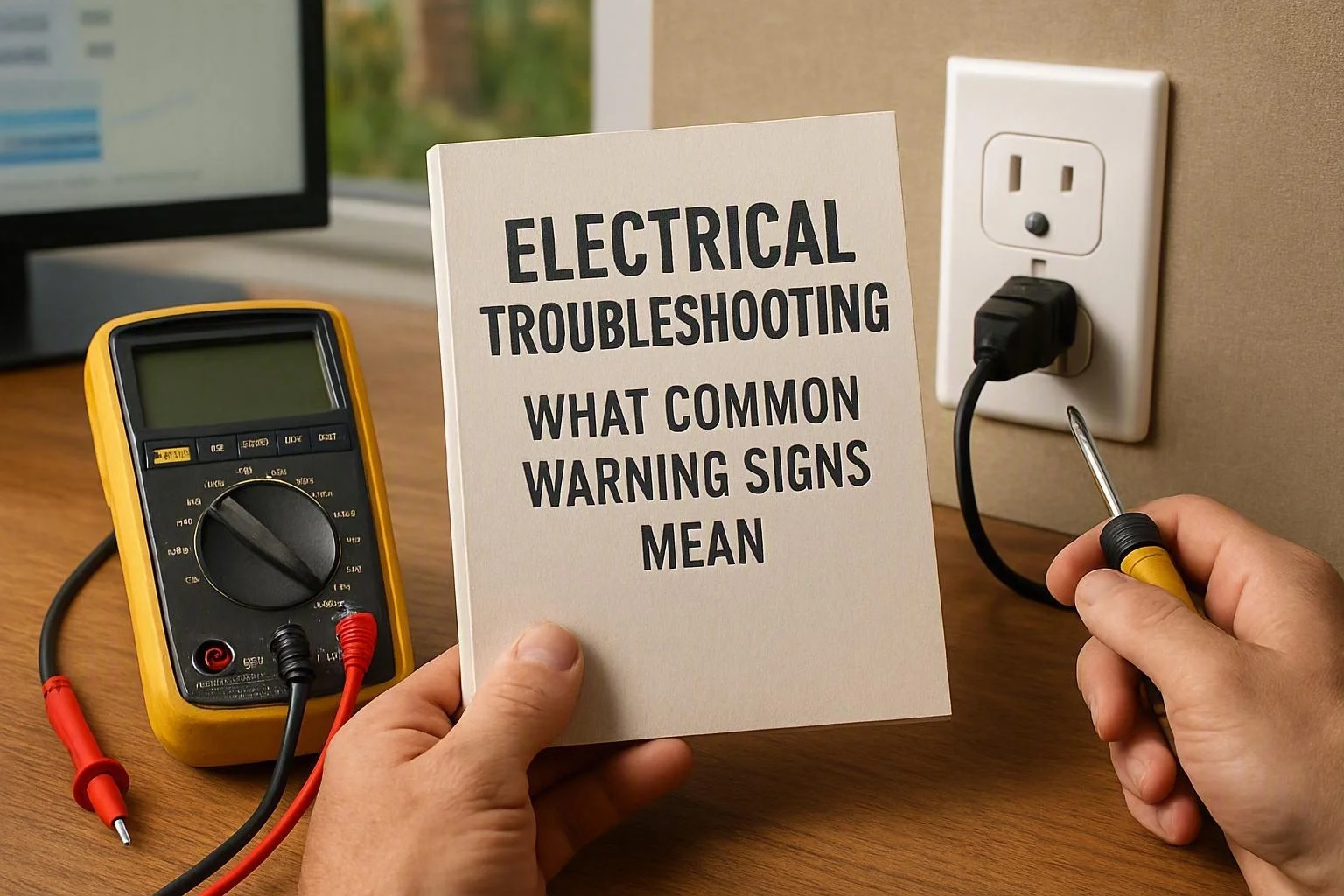
Electrical warning signs can point to an overloaded circuit, loose connection, damaged wiring, or failing device. A breaker that keeps tripping may show an overload or fault. Flickering lights can point to loose connections. Warm, dark, or buzzing outlets may be overheating. Stop using an outlet if it feels hot, smells burnt, sparks, smokes, or looks badly damaged. Turn off power only if it’s safe. Don’t try DIY repairs. Contact a qualified electrician for electrical troubleshooting, outlet repair, circuit breaker replacement, or an inspection.
Get a Free EstimateWhy Electrical Warning Signs Need Attention?
Electrical troubleshooting helps find unsafe problems before they cause failure. Heat, flickering, odors, buzzing, and breaker trips can show system stress.
Chris Miller Electric helps homeowners understand these warning signs. We can explain when you need urgent help, testing, or a full inspection. A qualified Electrician can find the source. It may be a device, circuit, connection, or wire.
Older homes may have worn insulation or old connections. Their wiring may not support today’s appliances. Remodeled homes may combine old and new work. Newer homes usually have more circuit space. Yet loose terminals and bad devices can still happen. Early testing helps keep your home safe. It also guides repairs, replacements, or code fixes.
Our team uses residential electrical diagnostics to check the warning sign safely. We don’t encourage risky DIY testing.
Why homeowners seek this service:
Features that matter:
Common challenges:
Why Does My Circuit Breaker Keep Tripping?
A circuit breaker keeps tripping when it detects too much current or an electrical fault. Common causes include an overloaded circuit, short circuit, ground fault, damaged appliance, or loose wire. Repeated resets won’t fix the cause. Ongoing trips need electrical troubleshooting. You may also need circuit breaker replacement.
A breaker is a safety device that stops excess current. It may trip when a microwave, toaster, heater, hair dryer, or other large appliance shares one circuit. Unplugging equipment may lower the load. A breaker that trips again needs professional testing.
A short circuit creates a quick path for current. This can trip the breaker at once. A ground fault sends current along the wrong path. It may involve a damaged cord, appliance, moisture, or wiring. These faults can cause shocks or fires. Kitchens, bathrooms, garages, and outdoor areas face added risk.
Don’t replace a breaker with a higher-rated model. The breaker must match the wires and equipment. Most simple service visits take about one to three hours. Time can change with access, hidden wires, and the number of circuits. Our team may suggest circuit breaker replacement, wiring repair, or an inspection.
Electrical Troubleshooting in Fort Wayne can separate an appliance issue from a circuit issue. The same advice applies anywhere. Stop repeated resets. Arrange qualified service when trips continue or happen during light use. Act quickly if you notice heat, odors, sparks, or damage.
What Causes Lights to Flicker or Dim?
Flickering lights or dimming lights can have several causes. These include a loose bulb, bad fixture, overloaded circuit, voltage change, or loose connection. One faulty fixture may have a local problem. Several lights changing together may point to a wiring or service issue. A problem that returns or worsens needs a professional check.
Start by watching the pattern. Don’t open the fixture. If one lamp flickers when moved, the bulb, socket, switch, or fixture may be failing. If lights change when a fridge, pump, heater, or motor starts, the circuit may be under extra load.
Flickering across the home can point to a loose connection. The problem may be at the panel, service point, or branch circuit. Older wires and limited circuit space may also cause it. Remodeled homes can have mixed wiring or poor connections. New homes can still have loose terminals or bad devices.
Note which rooms are affected. Write down what equipment is running. Also note when the issue happens. This information helps with flickering light diagnosis. Don’t remove covers or tighten electrical parts unless a qualified professional tells you to.
Our team can check the fixture, circuit, connections, and wiring. We’ll decide if you need device repair, circuit work, or a wider electrical inspection.
Why Is an Outlet Warm, Discolored, or Buzzing?
A warm electrical outlet, dark outlet, or buzzing outlet may have a loose terminal, overload, damaged wire, failing device, or electrical arcing. Heat and brown or black marks may show overheating. Buzzing may show shaking parts or a poor connection. Stop using the outlet. Arrange professional outlet repair or an electrical inspection.
A normal outlet shouldn’t feel hot during normal use. A device plug may feel slightly warm. Heat at the outlet itself is different. Rising heat needs care. Brown, yellow, or black marks may show damage from excess heat.
Buzzing may come from a loose terminal, bad receptacle, dimmer, or unstable plug. Electrical arcing can cause crackling, heat, dark marks, or a burning smell. Arcing is serious. It can continue inside the wall after the sound stops.
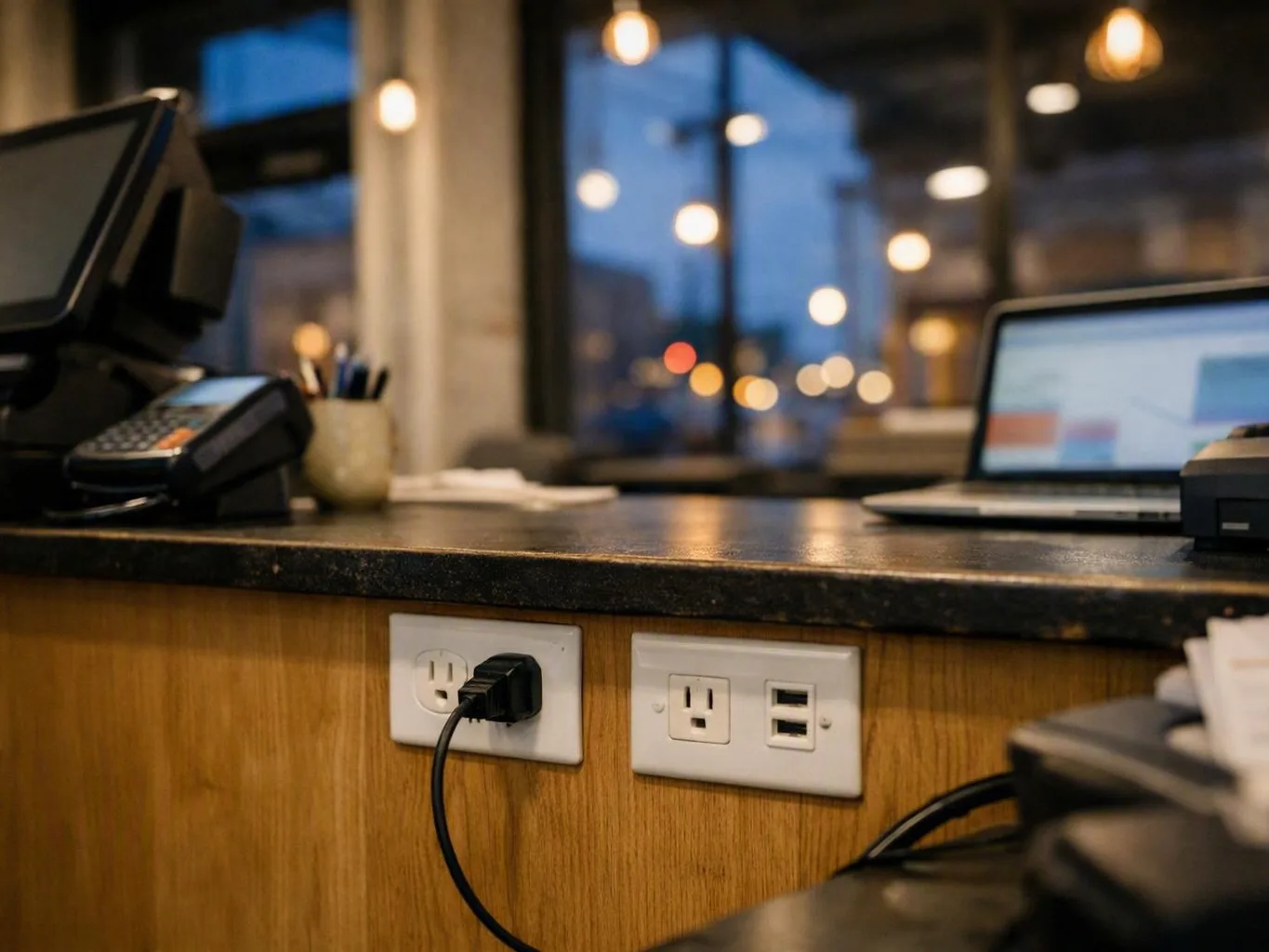
Large appliances need suitable circuits and rated receptacles. Kitchens, bathrooms, garages, and areas with extension cords need extra care. Moisture, frequent use, and heavy equipment add stress. Older homes may have worn outlets or loose wires. Remodeled homes may hide bad connections. New homes can still have faulty outlets or wiring.
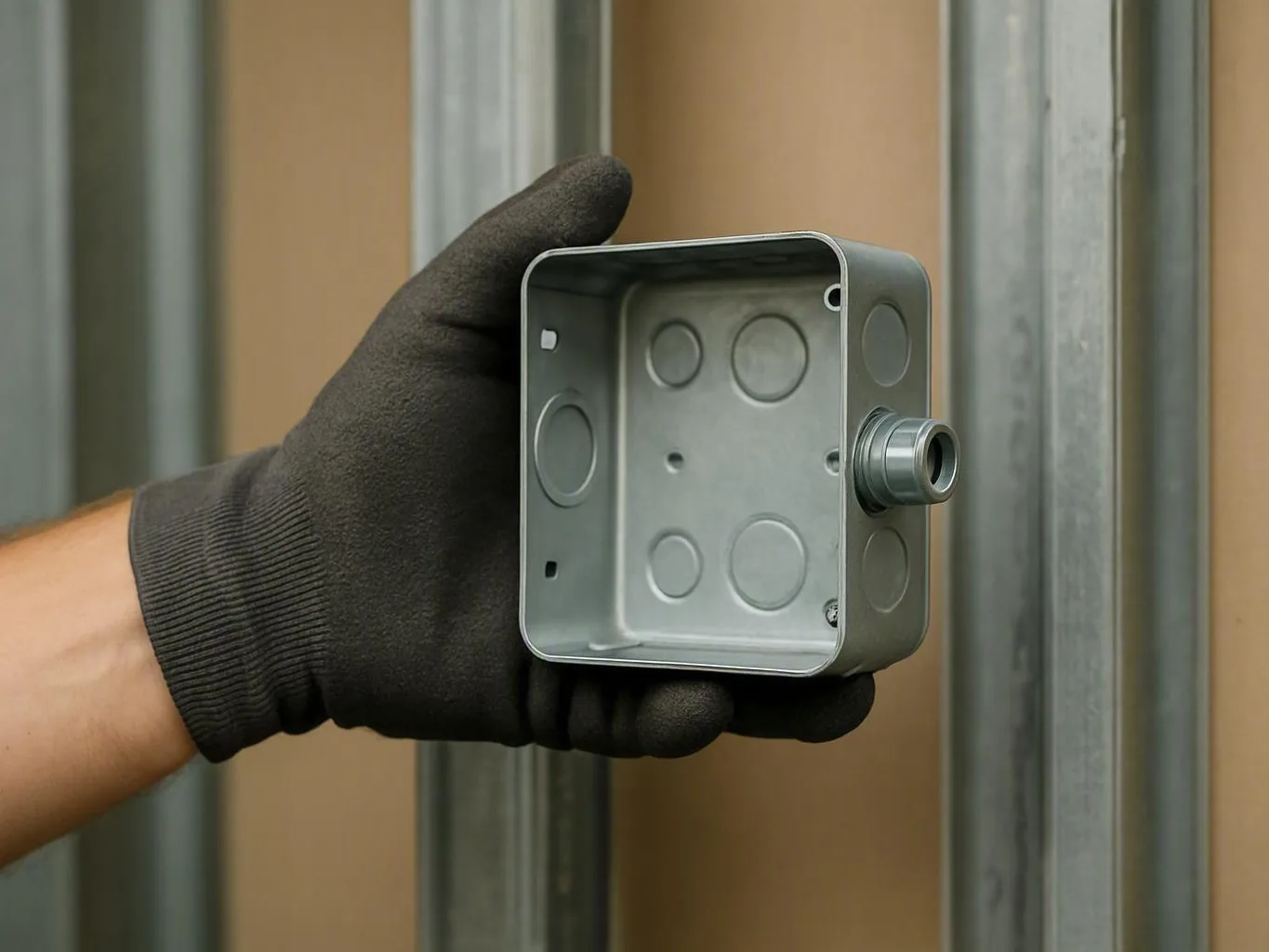
Don’t cover a damaged receptacle. Don’t keep using it with a power strip. A new faceplate won’t fix the cause. Our team can trace the circuit and check the box and wires. We may suggest outlet repair, device replacement, wiring work, or electrical code corrections. Our service focuses on safe testing, not guesswork.
When Should I Stop Using an Outlet and Call an Electrician?
Stop using an outlet and call an electrician when it’s hot, sparking, smoking, buzzing loudly, or visibly damaged. Call also when it causes a burning smell or electric shock. Unplug equipment only if it’s safe. Keep people away. Turn off the circuit only if you can do so safely. Don’t open the receptacle.
Don’t dismiss even a brief shock. Don’t open the receptacle or test exposed wires. Don’t keep using an outlet because it works after a reset. A professional can find the source. It may involve the outlet, appliance, grounding, or branch circuit.
How an Electrician Troubleshoots Common Electrical Problems?
An electrician troubleshoots electrical problems by finding the symptom and affected circuit. They test voltage, connections, wiring, and devices. They then find the fault’s source. The fix may include outlet repair, circuit breaker replacement, wiring repair, an electrical inspection, or electrical code corrections.
The process starts with questions about the warning sign. We’ll ask when it started and what equipment was running. We’ll also ask if it affects one room or the whole home. Our team starts at the safest open point. This may be an outlet, fixture, panel, or known circuit path.
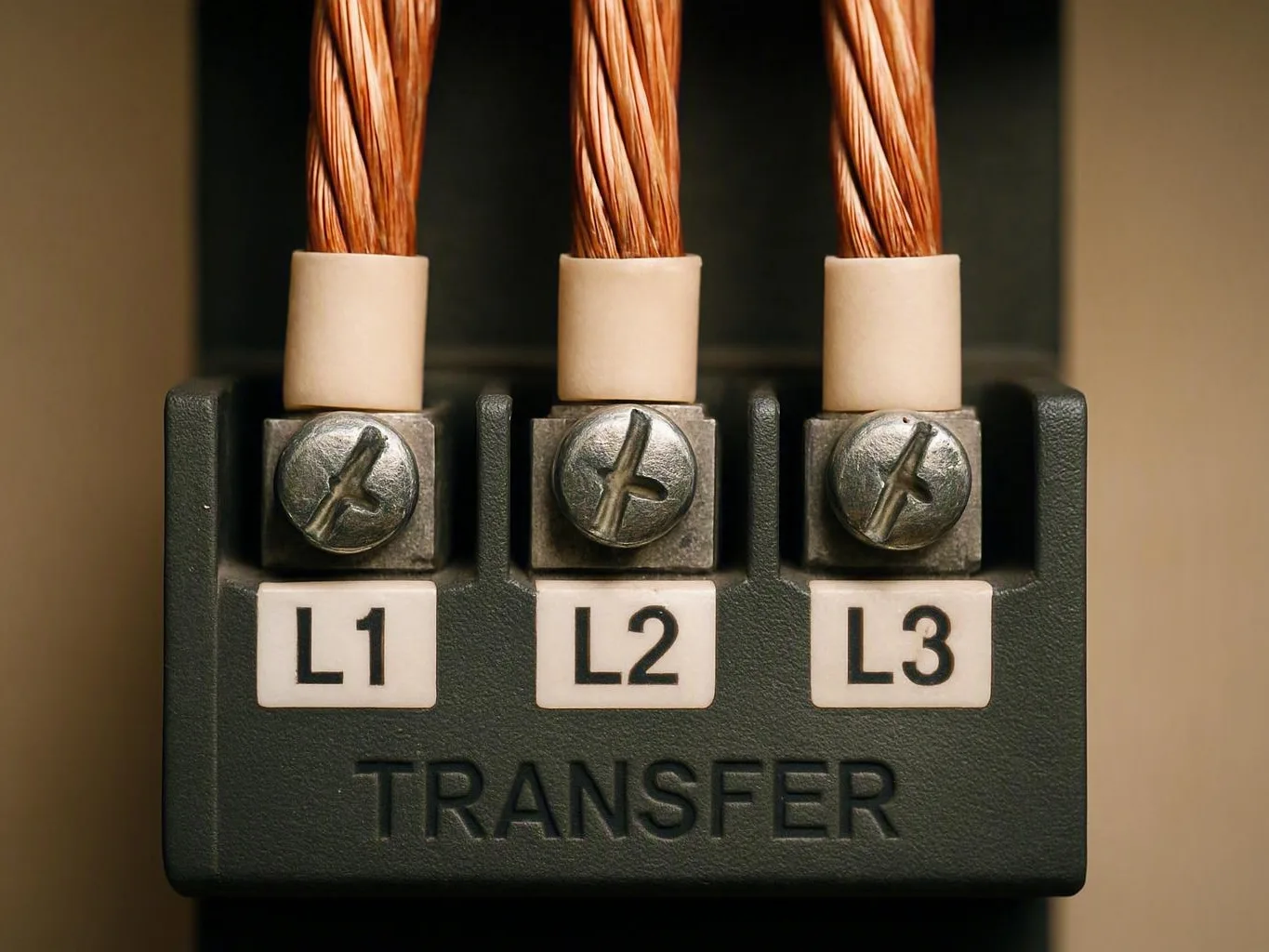
Voltage and circuit testing can find odd readings, open connections, overloads, and grounding issues. We may check terminals, wires, device ratings, boxes, and panel connections. We’ll also look for signs of overheating. A wiring inspection helps in older homes and remodeled homes. Their circuit history may be unclear.
In a newer home, testing may find a bad device or loose connection. It may also find a single installation issue. In an older home, testing may show aging insulation or limited capacity. It may also find ungrounded areas or many past repairs. The goal is to find the unsafe cause, not just hide the symptom.
After testing, we explain what we found. We’ll separate urgent repairs from suggested upgrades. Electrical code corrections may be needed when work is unsafe. They may also be needed when work no longer meets current rules. Our residential electrical maintenance plan may include repair, replacement, circuit changes, or follow-up testing.
What Homeowners Should Look for in a Troubleshooting Service?
A reliable troubleshooting service should include testing and safe work. It should also give clear repair advice before work starts. Homeowners should get plain details about risks, access, and next steps.
- Diagnostic testing: The provider should test the circuit and connected parts. They shouldn’t guess from one symptom.
- Safety-first process: The work should limit contact with live parts. It should also explain what you should avoid.
- Clear repair recommendation: The findings should show the fault and its urgency. They should list the repair and needed electrical code corrections.
- Residential electrical service should account for the home’s age and remodeling history. It should also consider moisture, appliances, and circuit space.
- Preventive maintenance may include checking old outlets, overloaded circuits, visible damage, and repeated warning signs.
Ask if the service includes an electrical inspection. This matters when symptoms affect several circuits or return after repairs. A good service should give you a clear safety choice. You shouldn’t get only a reset breaker or new cover.
Questions About Electrician
Why Does My Circuit Breaker Keep Tripping?
A breaker may trip because of an overloaded circuit, short circuit, ground fault, damaged appliance, or loose wiring. Stop resetting it repeatedly. Persistent trips need professional testing and may require circuit breaker replacement.
What Causes Lights to Flicker or Dim?
Possible causes include a loose bulb, failing light fixture, overloaded circuit, voltage fluctuation, or loose electrical connection. One affected fixture may have a local fault, while several changing together need broader circuit or wiring evaluation.
Why Is an Outlet Warm or Discolored?
Warmth or discoloration can indicate an overloaded receptacle, loose terminal, damaged wiring, failing device, or overheating. Stop using the outlet and arrange professional outlet repair or an electrical inspection.
What Does a Buzzing Electrical Outlet Mean?
A buzzing outlet may have a loose connection, failing device, unstable plug contact, or electrical arcing. Turn off use and arrange professional evaluation, especially if buzzing occurs with heat, discoloration, crackling, or a burning smell.
When Should I Stop Using an Outlet and Call an Electrician?
Stop using it when the outlet is hot, sparking, smoking, loudly buzzing, visibly damaged, or linked to a burning odor or electrical shock. Unplug equipment only if safe, keep people away, and turn off the circuit only when you can do so without risk.
Don’t ignore warning signs. Heat, smoke, sparks, burning odors, shocks, and repeated trips need attention. Our team can help find the cause. We’ll explain the safest next step for your home.
Contact us to discuss your electrical concern
Get a Free EstimateRelated Resources
How Much Does an Electrician Cost in Fort Wayne?
electrician cost Fort Wayne IN
What It CostsWhole-Home Rewiring: Cost, Timeline, and What to Expect
whole house rewiring cost Fort Wayne IN
How It WorksWhat to Expect During an Electrical Troubleshooting Visit
electrical troubleshooting electrician Fort Wayne
How It WorksElectrical Inspections and Code Corrections: Costs, Process, and Next Steps
electrical inspection and code correction Fort Wayne