Electrical Services That Help Landlords Manage Rental Properties
Electrical services help landlords keep rental homes safe and ready. A qualified electrician can inspect wiring, panels, outlets, smoke detectors, and carbon monoxide detectors. They can also find breaker problems, fix code concerns, and complete move-in repairs. Inspections should reflect the property’s age, risk, and repair history. Keep a written report with findings, repairs, tests, and next steps. This record helps owners make sound choices and answer tenant concerns.
Get a Free EstimateWhy Rental Property Owners Need Reliable Electrical Service?
Rental property electrical services help protect tenants and rental homes. They also help owners find risks before those risks disrupt a lease.
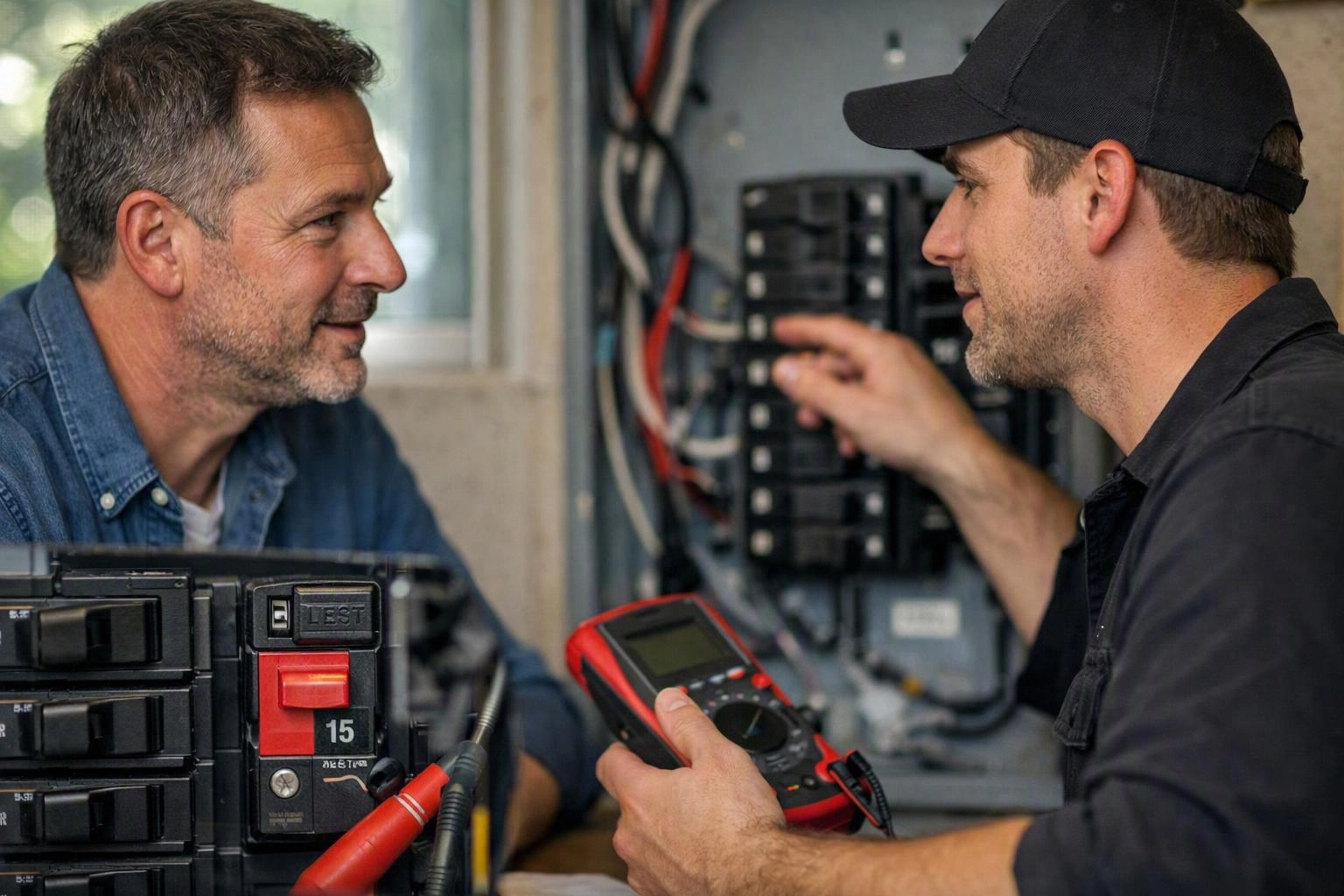
Chris Miller Electric helps owners plan inspections, repairs, and follow-up work. Electrical Inspections in Fort Wayne can fit occupied units, empty homes, and manager schedules.
Property maintenance works best when each concern has a clear next step. We can work with tenants, staff, and owners. That helps keep safety issues from being missed.
What Should Landlords Check During an Electrical Inspection?
Electrical inspections should cover the service panel, wiring, grounding, outlets, switches, and safety devices. Landlords should also check GFCI and AFCI protection where required. Smoke and carbon monoxide detectors need testing, too. The report should list hazards, repairs, and follow-up tests.
A qualified electrician should test areas that are unsafe to open. We use the property history and reported symptoms to decide where more testing is needed.
Most routine visits take one to three hours. Unit size, access, and panel condition affect the time. Larger buildings and major defects may take longer.
How Often Should a Rental Property Electrical System Be Inspected?
Rental property electrical systems need inspections based on risk and condition. Property age, past work, and local rules also matter. A full check makes sense before a new tenant moves in. It also helps after major work or when tenants report heat, odors, noise, or repeat problems.
Tenant turnover should guide the schedule, too. Older wiring and past water damage may require more frequent checks. Newer homes with good records may need fewer checks.
A move-in check is useful. It does not replace a deeper review when warning signs appear. Schedule a qualified review after remodeling, new circuits, panel work, or major appliance changes.
Owners should review housing, fire, electrical, and insurance rules. We can record observed conditions and suggest next steps. The owner must confirm which rules apply to the building.
What Electrical Issues Should Be Fixed Before a Tenant Moves In?
A move-in checklist should require repairs for exposed wires, damaged wiring, loose outlets, sparking outlets, broken switches, tripping breakers, missing covers, and unsafe panels. Failed smoke and carbon monoxide detectors also need attention. Complete and test repairs before move-in. Do not treat known hazards as routine work.
Damaged outlets and loose switches need repair. Heat, buzzing, crackling, dark marks, or burning smells may show a loose connection.
Never replace a breaker again and again without finding the cause. The problem may involve an overloaded circuit, short circuit, ground fault, appliance, or wire. We test the issue and explain its size.
Smoke detector installation and carbon monoxide detector installation should cover location, power, age, and operation. Fix missing covers, open boxes, exposed wires, and unsafe panels before giving the tenant the keys.
Keep records of the issue, repair, test results, and remaining work. These records support tenant safety and clear owner decisions.
How Should Landlords Handle Repeated Breaker Trips or Outlet Problems?
Repeated breaker trips or outlet problems need electrical troubleshooting. Do not rely on resets or quick replacements. Record the tenant’s symptoms and affected appliances. Stop using damaged outlets. Then arrange testing for overloads, shorts, ground faults, loose connections, or failed devices.
Ask what happened and when it began. Ask what was plugged in, too. Note any heat, smell, noise, smoke, or damage. These details help our team prepare for the visit.
Do not tell tenants to keep resetting a breaker that trips. Do not use an outlet that is hot, loose, burned, wet, cracked, or sparking. If smoke or fire appears, leave the area and call emergency services.
During Electrical Troubleshooting, we may inspect the outlet, load, circuit, breaker, and nearby connections.outlet repair may fix a failed device. Repeated trips often point to a larger issue.
Record the findings and tests after the repair. Give tenants clear limits for appliances or circuits. Tell them about any needed follow-up visit.
Electrical Services That Support Rental Property Maintenance
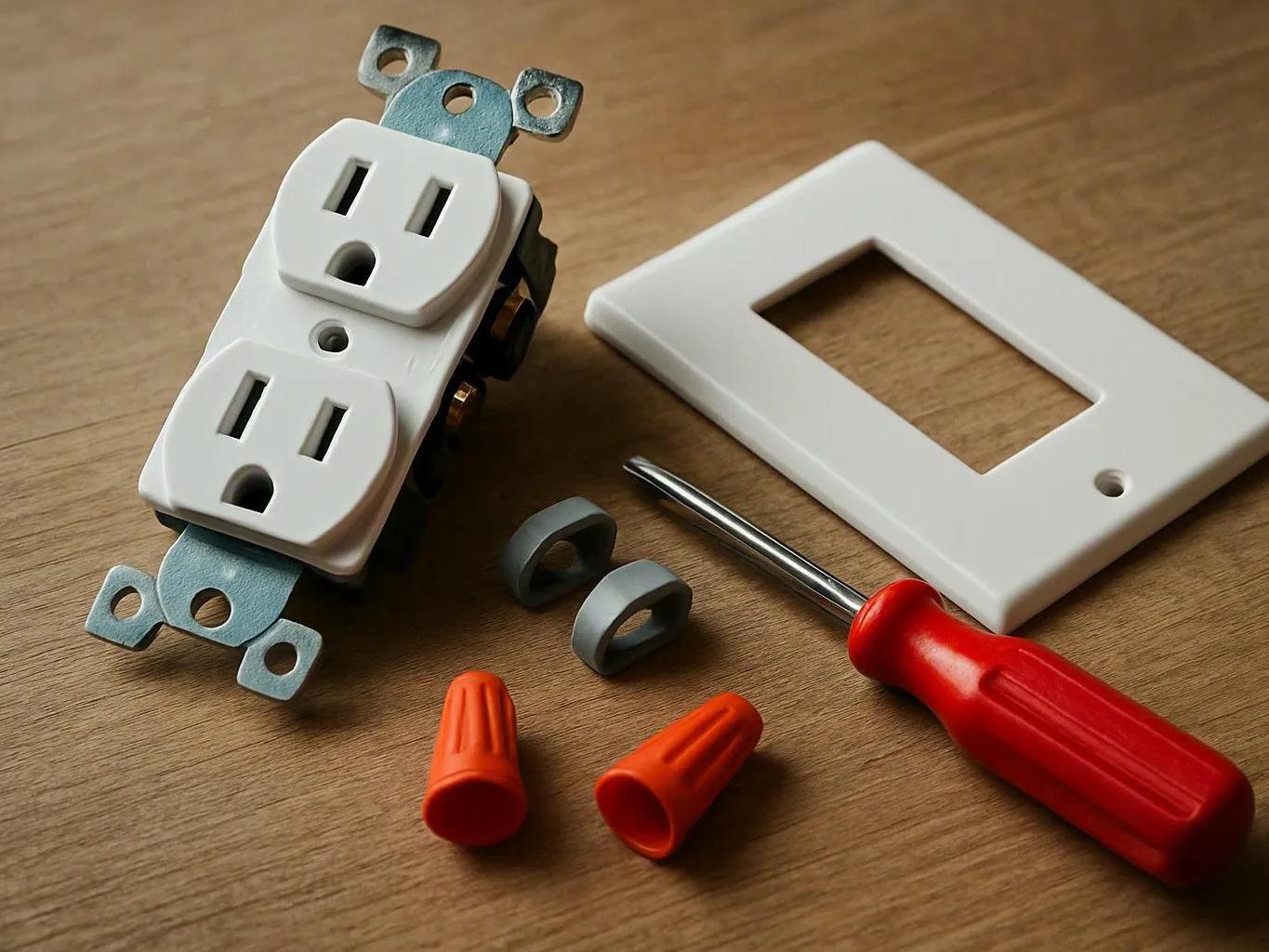
Electrical services for rental properties include inspections and repairs. Inspections can find risks. Troubleshooting can find faults. Code corrections can fix unsafe work. Detector installation supports life safety. Outlet repair restores safe power.
Our residential electrical services can fit move-ins, empty units, or tenant requests. The table shows how common services support property care.
| Service | Typical purpose | Useful record |
|---|---|---|
| Electrical inspections | Review panels, outlets, wires, safety devices, and visible concerns. | Inspection report with findings and priorities. |
| Electrical troubleshooting | Find causes of trips, power loss, heat, odors, noise, or poor operation. | Symptoms, test results, cause, and repair. |
| Electrical code corrections | Fix unsafe work and address applicable safety needs. | Completed repairs, limits, and follow-up needs. |
| Smoke detector installation | Provide proper power, placement, testing, and replacement. | Device locations and test results. |
| Carbon monoxide detector installation | Support safety near sleeping areas and fuel-burning equipment. | Placement, power source, and status. |
| Outlet repair | Restore safe power and repair loose or damaged devices. | Device condition, circuit review, and final test. |
Several services may be needed for one complaint. An outlet issue may require circuit testing and a wider inspection. A simple device swap may not solve the cause.
Features and Challenges That Matter to Property Managers
Property managers need service that fits tenant notices, access, records, and turnover dates. Clear findings and repair advice matter, so do safe testing and owner-ready records. Occupied units, repeat calls, and urgent hazards can make the work harder.
Our team can fit your property process. Share access details, tenant notices, empty-unit dates, owner approvals, and repair priorities before work starts.
Features That Support Daily Operations
Common Challenges to Plan For
Good communication protects tenants and owners. We can explain needed access and areas that may be off limits during testing. We can also identify repairs needed before normal use returns.
What Should an Electrical Inspection Report Include?
An electrical inspection report should name the property, date, and inspection scope. It should list tested parts, results, hazards, repair needs, and access limits. It should also separate completed repairs from open work.
Start with the address, unit, areas checked, date, and reason for the visit. State if the visit covered a move-in check, troubleshooting, post-repair test, or specific complaint.
Record the panel, circuits, grounding, outlets, switches, wires, GFCI protection, AFCI protection, smoke detectors, and carbon monoxide detectors. Include test results. Note areas that could not be reached safely.
Use clear labels such as urgent concern, needed repair, monitor, or no issue found. Avoid vague notes like “check outlet.” Name the location, symptom, concern, and next step.
Repair advice should state the fix, priority, and need for more review. After the work, add the date, work done, changed parts, test results, and follow-up needs.
This record helps owners plan repairs. It also helps managers give tenants clear updates. Future inspections can use the same history.
Questions About Electrician
What Should Landlords Check During an Electrical Inspection?
Landlords should check the service panel, circuits, grounding, wiring, outlets, switches, breakers, GFCI protection, AFCI protection, smoke detectors, and carbon monoxide detectors. The report should list damage, heat, exposed wires, test results, repairs, and follow-up needs.
How Often Should a Rental Property Electrical System Be Inspected?
There is no single schedule for every rental property. Consider age, condition, past work, tenant turnover, safety risks, local rules, and tenant reports.
What Electrical Issues Should Be Fixed Before a Tenant Moves In?
Fix exposed wires, damaged wiring, loose or sparking outlets, broken switches, tripping breakers, missing covers, unsafe panels, and failed smoke or carbon monoxide detectors before move-in. Complete and test repairs. Escalate hazards instead of delaying them.
How Should Landlords Handle Repeated Breaker Trips or Outlet Problems?
Record the symptoms, appliances, circuits, heat, odors, noise, and damage. Stop using damaged outlets. Arrange qualified electrical troubleshooting. The cause may be an overload, short, ground fault, loose connection, failed device, or appliance. Do not depend on repeated resets.
What Should an Electrical Inspection Report Include?
Include the address, scope, date, observed conditions, tested parts, results, repair needs, access limits, completed work, open work, and follow-up needs. A clear report helps owners plan repairs and helps managers update tenants.
Electrical maintenance is easier with one clear process. That process can include inspections, tenant requests, move-in checks, detector tests, and repairs. Our team can help landlords and property managers review concerns, plan access, and choose the next safe step.
Related Resources
How Much Does an Electrician Cost in Fort Wayne?
electrician cost Fort Wayne IN
What It CostsWhole-Home Rewiring: Cost, Timeline, and What to Expect
whole house rewiring cost Fort Wayne IN
How It WorksWhat to Expect During an Electrical Troubleshooting Visit
electrical troubleshooting electrician Fort Wayne
How It WorksElectrical Inspections and Code Corrections: Costs, Process, and Next Steps
electrical inspection and code correction Fort Wayne