
What is Electrician License?
Electrician License is a government-issued credential that permits a qualified person or electrical contractor to perform defined electrical work legally. Requirements vary by state and local authority and may involve education, supervised experience, examinations, insurance, fees, and renewal. The credential helps verify training and supports compliance with electrical codes and permit rules.
Quick Facts About Electrician License
Category
expert credential and regulatory requirement
Used for
Authorizing electrical installation, repair, and supervision
Common confusion
A license is not the same as an electrical permit.
Relevant standard
National Electrical Code, NFPA 70
Also called
Electrical License, Electrical Contractor License
Often discussed with
Electrical Inspections, Electrical Code Corrections
Key Takeaways About Electrician License
- Licensing rules differ by state, county, and city, so location sets the exact requirements.
- A license may apply to an electrician, an electrical contractor, or both.
- Permits and inspections are separate requirements. Even when licensed electricians do the work.
- Check license status, scope, expiration date, and issuing authority before hiring electrical help.
Understanding Electrician License
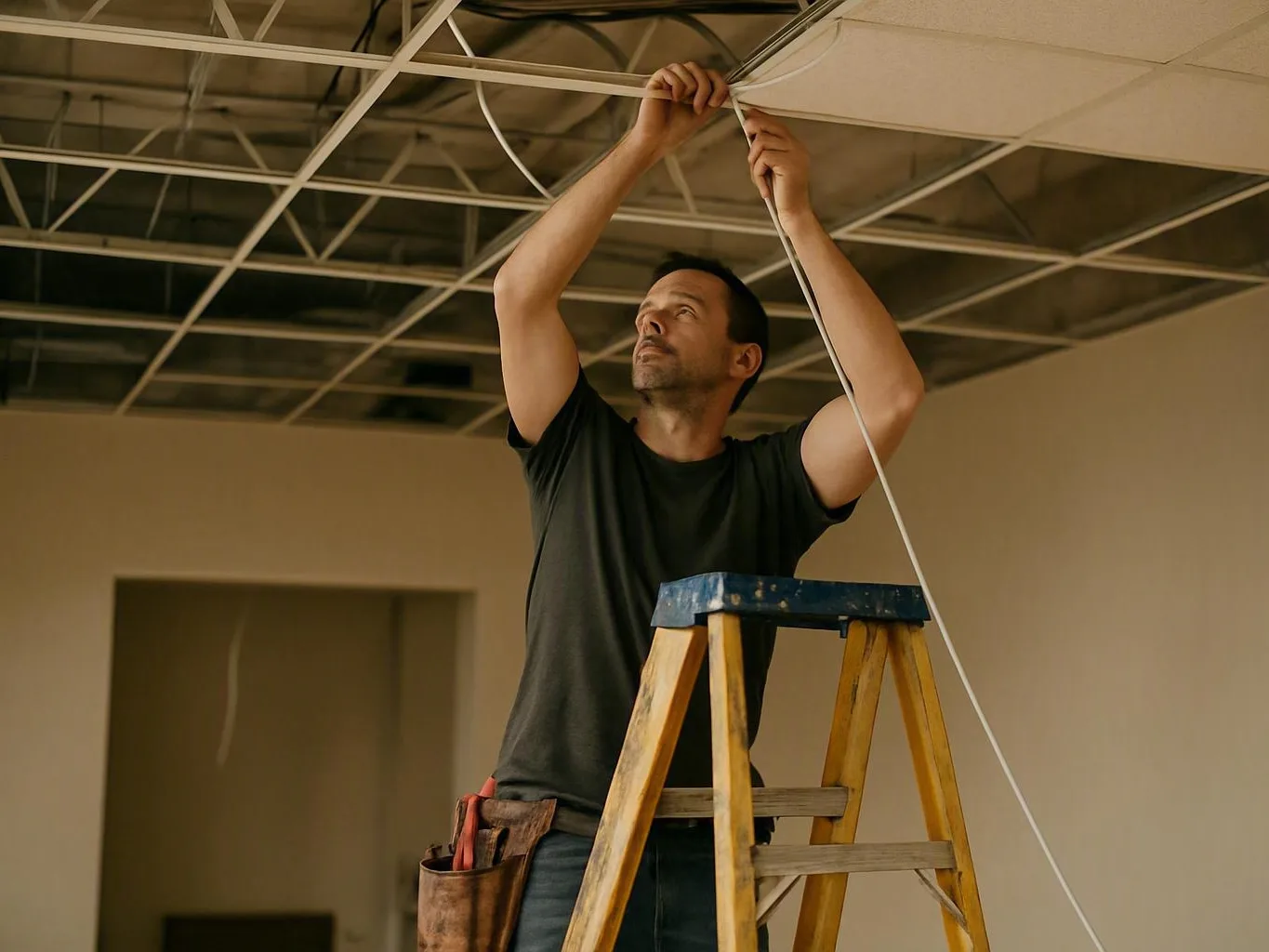
Electrician License is an official credential tied to a person or business that performs electrical work. The issuing authority sets the work scope and the conditions for earning and keeping the credential. Those conditions may cover education, supervised hours, examinations, insurance, bonding, fees, and renewal.
Related glossary terms: Electrical Permit, Journeyman Electrician, Master Electrician.
Licensing doesn't mean every electrical task has the same rules.journeyman electrician may perform work under a defined scope. A master electrician may qualify to supervise work or take on broader responsibilities. An electrical contractor license often applies to the business that contracts for the work. The worker and the company may need separate credentials.
How Electrician License Works, Is Measured, or Is Used?
Requirements begin with the authority that regulates the project location. Some states issue statewide credentials. Some cities or counties handle registration and licensing. Indiana doesn't treat every electrical license as a single statewide credential. Fort Wayne projects may involve local requirements. State rules may also apply to specific work or businesses.
An authority may review an application, confirm experience, administer an examination, and issue a credential. The credential includes an identification number and expiration date. You can evaluate a license by checking its status, named holder, classification, and expiration date. You can also check its disciplinary record when that information is available. A current credential doesn't replace a project permit, approved plans, required inspections, or code compliance. This includes the National Electrical Code, also known as NFPA 70.
- Identify the issuing authority before checking a license.
- Match the license classification to the planned electrical work.
- Confirm renewal status before work begins.
Why Electrician License Matters?
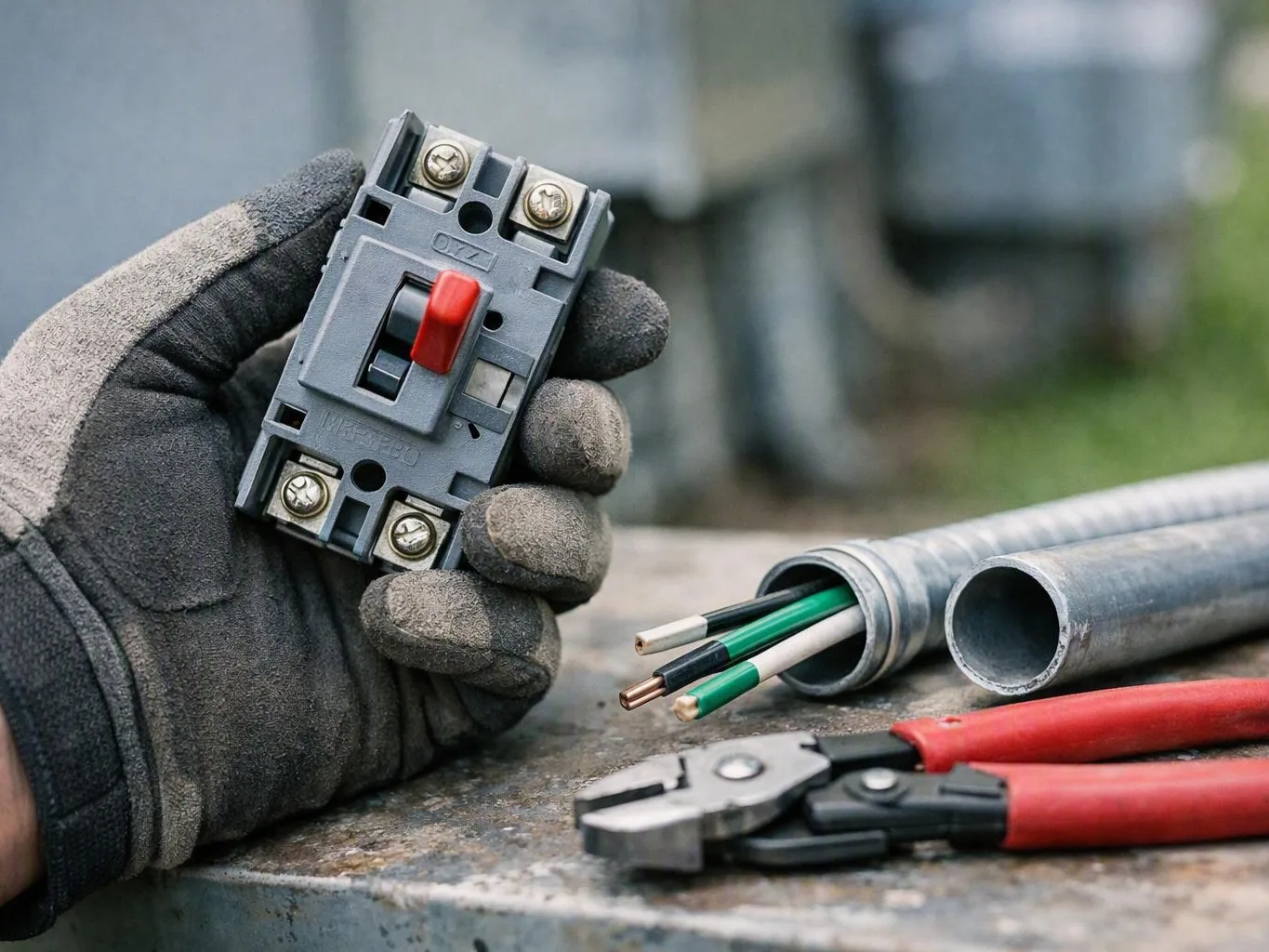
A license gives you a practical way to screen electrical qualifications before work starts. It can show that the holder met a defined legal standard. It doesn't guarantee that every installation is safe or code compliant. Work quality still depends on design, materials, workmanship, testing, and inspection.
Unlicensed or improperly supervised work can create permit problems, failed inspections, insurance disputes, and repair costs. Electrical defects also raise risks from shock, fire, equipment damage, and nuisance breaker trips. A license check works best with a written scope, proof of insurance, permit confirmation, and clear inspection records.
When Electrician License Matters Most?
License status matters before a remodel, service change, panel replacement, new circuit, or new building project. It also matters after storm damage or when an older property has undocumented wiring. Ask who holds the license and who will perform the work. Ask whether the credential covers the project location and task.
For a Fort Wayne project, verify requirements with the local building authority before scheduling work. The question isn't only whether someone has a license. You also need to know whether the required electrical permit was obtained. Check whether the work will receive an electrical inspection. Check whether the final installation meets applicable code requirements.
How to Evaluate Electrician License?
- Verify the credential through the issuing authority's online lookup or records office.
- Compare the license holder's name and classification with the person or business proposing the work.
- Check the expiration date and confirm that the credential covers the project location.
- Ask whether the job requires an electrical permit, plan review, or final inspection.
- Request proof of insurance and a written scope that identifies who supervises the work.
Related Concepts Compared
Electrician License vs. Electrical Permit
An electrical permit authorizes a specific project and allows the authority to review and inspect that work. An Electrician License authorizes a person or business to perform defined electrical work.
Electrician License vs. Journeyman Electrician
A journeyman electrician is a worker classification that usually reflects training and experience. An Electrician License is the formal credential issued under a jurisdiction's rules.
Electrician License vs. Master Electrician
A master electrician is a higher-level classification in jurisdictions that use that system. The classification may permit supervision or contracting, but its exact scope depends on local law.
Electrician License vs. National Electrical Code
The National Electrical Code provides technical safety rules for electrical installations. It is not a license, although licensing and inspections may require work to follow an adopted edition.
Expert Note
A license check should cover both the individual doing the work and the business signing the contract. Local rules may require a contractor registration, permit, or bond even when the electrician holds a valid personal credential.
Common Mistakes or Myths About Electrician License
- Assuming a personal electrician license automatically authorizes a business to contract for work.
- Treating a license as a substitute for a required electrical permit.
- Checking a license without confirming its expiration date or classification.
- Assuming every jurisdiction uses the same license title and renewal process.
Electrician License in Practice: A Real-World Example
A Fort Wayne homeowner plans to replace a service panel and add a kitchen circuit. The homeowner checks local status, confirms the permit, and asks who will do the work. The final inspection records whether the installation meets applicable code requirements.
Sources & Further Reading on Electrician License
Related Terms
Electrical Permit
Electrical Permit is official approval from a government authority to install, alter, or extend electrical wiring…
Journeyman Electrician
Journeyman Electrician is a licensed or certified electrical worker who has completed required training and experience…
Master Electrician
Master Electrician is a licensed electrical expert who has met smart experience, examination, and code knowledge…
National Electrical Code
National Electrical Code is a safety standard for electrical design, installation, and inspection in homes, buildings…
Chris Miller Electric
Have Questions About Electrician License?
Contact Chris Miller Electric for practical guidance on Electrician License and related electrician work in Fort Wayne.