
Skip to content

Transfer Switch Installation in Zanesville, Indiana

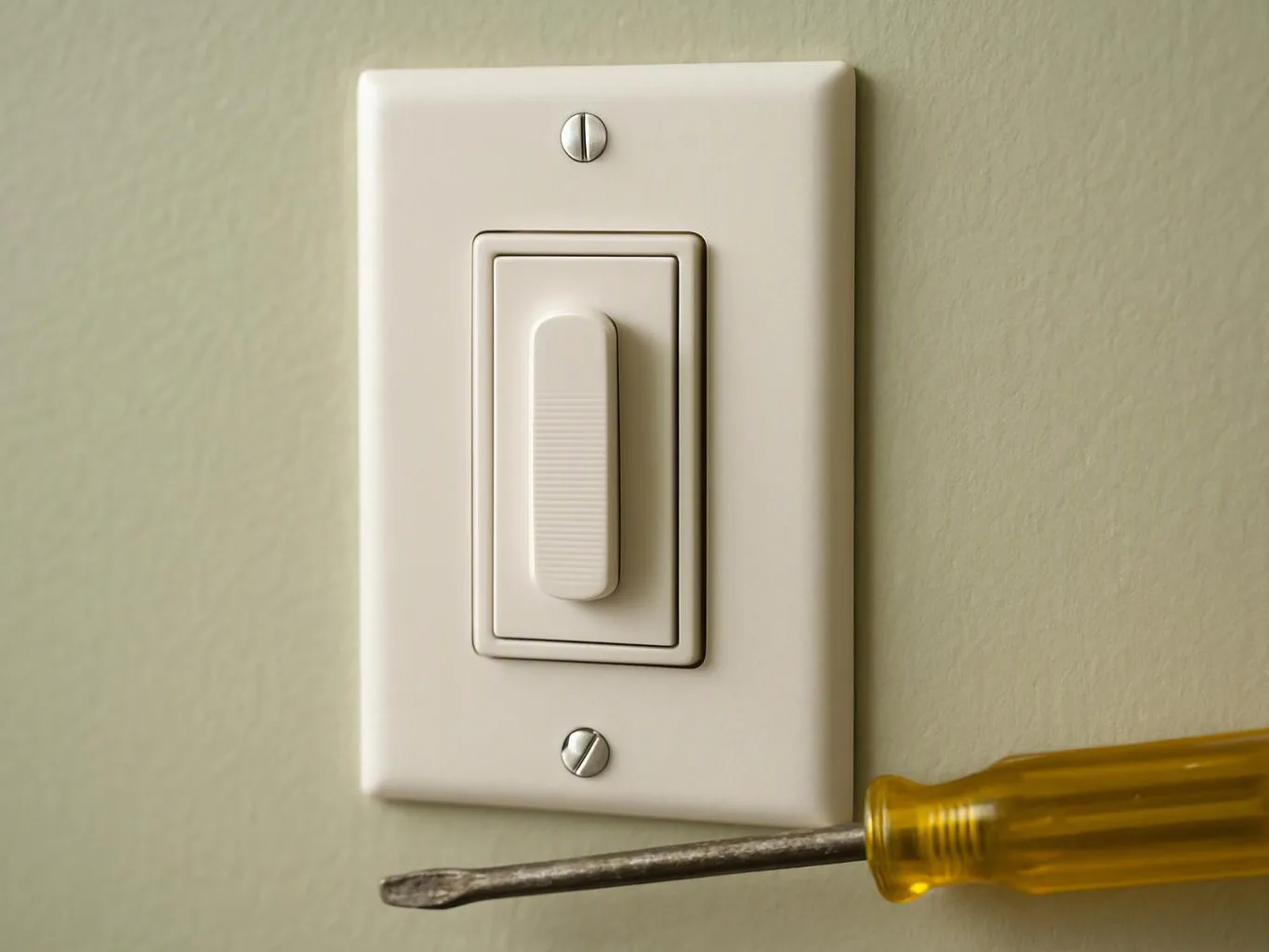
A manual handle prevents unwanted source switching during an outage in Zanesville. Chris Miller Electric installs transfer switches for homes and businesses, with licensed and insured electrical professionals handling the work.

Licensed & InsuredWarranty AvailableSame-Day ServiceUpfront, Transparent Pricing

Quick Summary: transfer switch installation in Zanesville, Indiana

Transfer Switch Installation in Zanesville is provided by Chris Miller Electric for homes and businesses. The work covers switch placement, generator connection, control wiring, testing, and service across Fort Wayne, New Haven, Leo-Cedarville, Huntertown, and nearby Allen County communities.

  • What we do: Chris Miller Electric provides Transfer Switch Installation for homes and businesses in Zanesville, Indiana, including switch connections, control wiring, grounding checks, and testing.
  • What is included: Our capabilities include manual transfer switch setup, automatic control review, generator connection, load checks, control wiring, and testing and verification.
  • What you get: The customer receives a transfer switch that connects the approved power source and supports safe operation during an outage.

Why does a transfer switch need a manual handle in Zanesville, Indiana?

A manual handle lets the operator select the power source and prevents unintended switching. The handle also makes the operating position clear during an outage. Chris Miller Electric checks the switch rating, panel connection, grounding, and control wiring before testing the setup. Automatic controls suit customers who want the switch to detect an outage and transfer power without manual action.
Transfer switch installation for Zanesville homes and businesses

Transfer switch installation connects a generator or other backup source to chosen circuits. The job focuses on safe source selection, correct load connection, and clear operation during a power loss.

Manual and automatic switches create different buying decisions. A manual handle gives the operator direct control. Automatic controls add transfer timing and control wiring, so the system can change sources without someone moving a handle.

This service fits a property that needs planned backup power connections. It does not replace generator repair, utility work, or a full panel upgrade when the existing service cannot support the planned load. We inspect the equipment first, then explain the work needed for the property.

  • Confirm which circuits need backup power.
  • Check the existing panel and service capacity.
  • Choose manual or automatic source control.
  • Review generator connection points and control wiring.
  • Test source selection, grounding, and connected circuits.
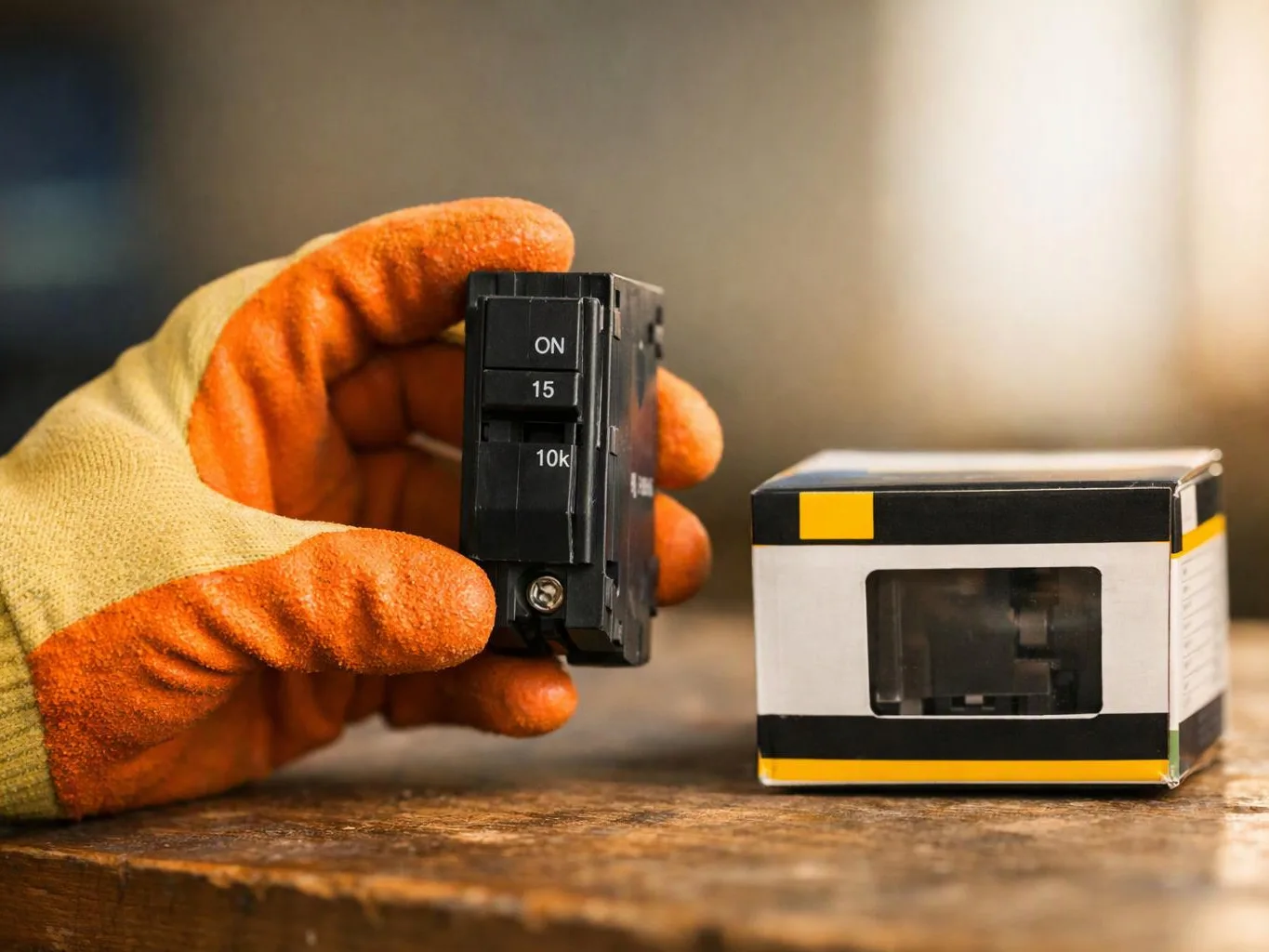
A gloved hand holds a black electrical breaker beside its box on a wooden table

Service Overview

Transfer switch installation is electrical work that connects a backup power source to selected building circuits through a controlled switch.

  • A manual switch needs an operator to move the handle, while an automatic switch uses controls to detect power loss and change sources.
  • Chris Miller Electric provides this service in Zanesville and nearby Allen County communities for residential and commercial properties.
Process

How we complete a transfer switch installation

1

Review the panel and backup source

We inspect the service panel, backup source, grounding path, and intended circuits. This review sets the safe scope for the installation.

2

Choose manual or automatic control

We compare the manual handle with automatic controls, transfer timing, and control wiring. The choice follows how you want the backup source to operate.

3

Connect the selected circuits

We connect the transfer switch to the approved source and selected building circuits. We keep source connections separated through the switch.

4

Check load and grounding paths

We review the connected load and inspect grounding connections. These checks help confirm that the setup matches the source and panel.

5

Test operation and explain use

We operate the switch, verify the connected circuits, and explain the control sequence. Automatic systems receive a control test before normal use.

What you get from a careful transfer switch installation

A switch matched to the load

The selected switch must suit the source and the circuits it will serve. We review the panel and load needs before recommending the work. A full panel upgrade is the better fit when the existing service cannot support the planned connection.

A clear manual or automatic choice

Manual operation gives you direct control over source selection. Automatic controls add sensors, transfer timing, and control wiring. We explain that difference so you can choose based on how you plan to use backup power.

Testing before normal use

We operate the switch, check source separation, and verify the connected circuits. The test helps identify wiring faults before an outage makes the system necessary.

What the right transfer switch changes during an outage

A transfer switch gives the backup source a defined connection to selected circuits.

A manual handle makes source selection visible and controlled by the operator.

Automatic controls reduce the need for someone to move the switch during a power loss.

Load management helps keep the connected circuits within the available source capacity.

Testing and verification give you a working control sequence before the system is used.

What transfer switch installation includes for your property

Chris Miller Electric provides comprehensive Transfer Switch Installation in Zanesville. Here's what you get:

  • We inspect the existing panel and identify the circuits that need backup power.
  • We connect the transfer switch to the approved power source and selected building circuits.
  • We install or connect control wiring when the switch uses automatic controls.
  • We check grounding and source separation before operating the switch.
  • We test manual or automatic transfer operation and verify connected circuits.
  • We explain the switch controls and the next steps for safe use.

Manual and automatic transfer switch choices

These options differ in how the power source is selected and controlled.

Transfer switch typeHow source selection worksMain fit consideration
Manual transfer switchAn operator moves the handle to select the source.Choose it when direct control is preferred.
Automatic transfer switchControls detect the source change and manage transfer timing.Choose it when automatic operation and control wiring fit the property.

The Chris Miller Electric Standard

  • Any-Hour Service
  • Urgent Requests
  • Troubleshooting Repairs
  • Electrician Support

Questions customers ask about transfer switch installation

What is the difference between automatic and manual transfer switches?

Manual transfer switches use a handle, while automatic switches use controls to change sources after power loss. The manual option gives you direct control over source selection. Automatic operation adds transfer timing, sensors, and control wiring. Chris Miller Electric reviews the backup source and selected circuits before explaining which setup fits your property.

What should be checked before transfer switch installation is scheduled?

The existing panel, backup source, grounding path, and selected circuits should be checked first. The load also needs review so the switch matches the source capacity. We inspect these points before setting the scope. You can help by sharing the generator information and the circuits you want to keep powered.

Who is a good fit for transfer switch installation, and who needs a different service?

Homes and businesses with a backup power source and selected circuits are good fits. A property needing generator repair, utility service work, or a full panel upgrade needs a different service first. We inspect the existing equipment and explain whether a transfer switch fits the planned backup setup.

What happens at each stage of transfer switch installation?

The work starts with a panel and source review, then moves to circuit selection, switch connection, wiring checks, and testing.

  1. We review the load and grounding path.
  2. We connect the approved source and selected circuits.
  3. We test source selection and explain operation.

Automatic models also receive a control wiring and transfer sequence check.

Which circuits should connect to a transfer switch?

Selected essential circuits should connect to the switch after the available source load is reviewed. Common choices include key lighting, refrigeration, communications, or required business equipment. We map the requested circuits and check their load before connecting them. The switch should not be treated as a way to power every circuit automatically.

Why does automatic transfer timing matter?

Automatic transfer timing controls when the system changes from utility power to the backup source. The timing must match the source controls and connected equipment. We test that sequence and inspect the control wiring. A manual switch does not use automatic timing because the operator moves the handle.

How does Chris Miller Electric handle transfer switch installation in Zanesville?

Chris Miller Electric installs and tests transfer switches for residential and commercial properties in Zanesville. We review the panel, source, selected circuits, load, grounding, and control wiring. Our licensed and insured electrical professionals explain the manual or automatic setup before the work is quoted and completed.
Contact

Request your transfer switch installation quote

Get a quote for the manual or automatic setup your property needs, and urgent requests get priority scheduling.

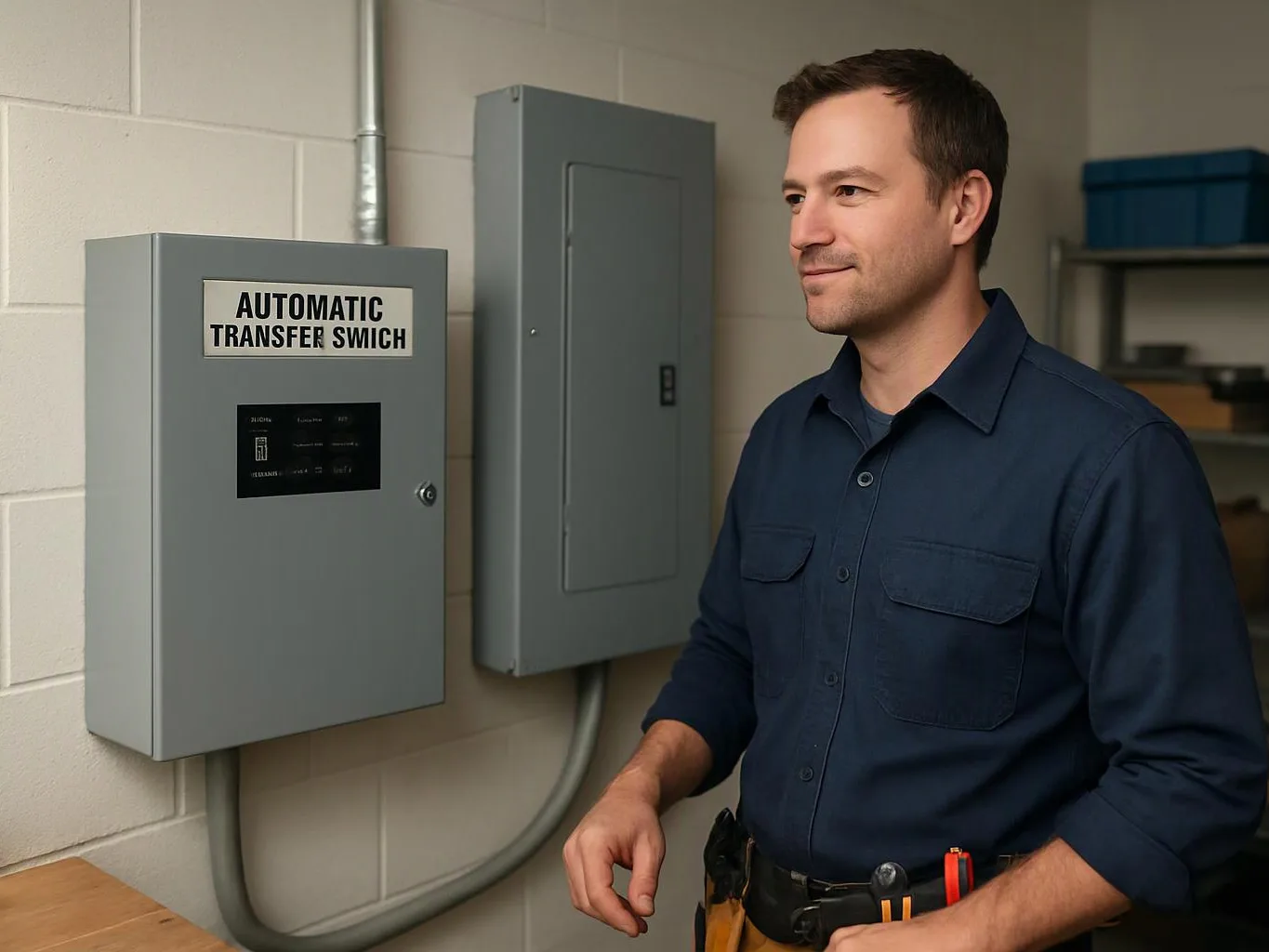
A man stands beside gray electrical panels in a utility room, one labeled “AUTOMATIC TRANSFER SWICH”

ZIP Codes We Serve in Zanesville, Indiana

46799

Transfer Switch Installation in Other Areas

(260) 305-8344