What problems can occur with a faulty transfer switch?
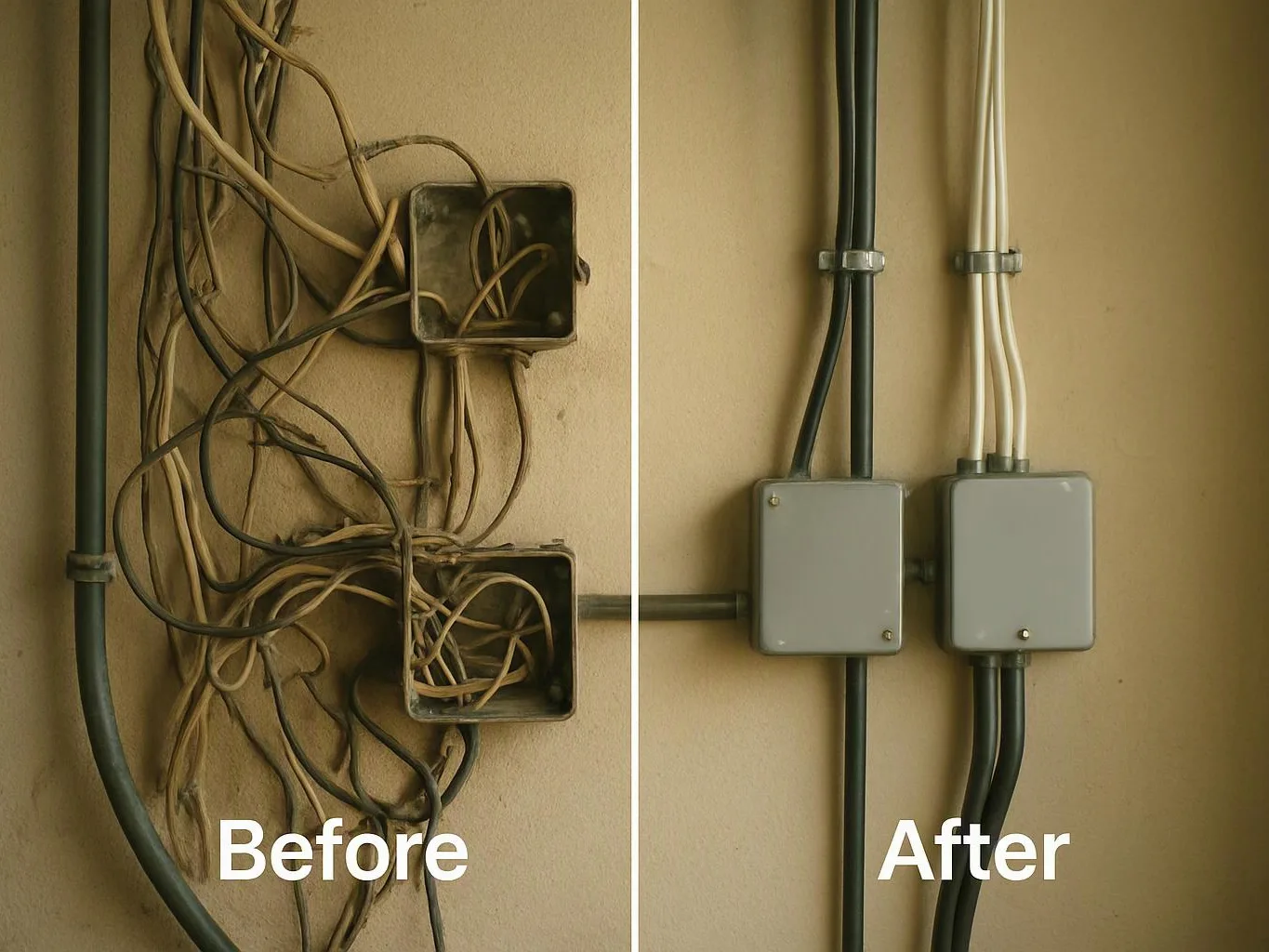
Overheating, contact failure, loose terminals, delayed transfer, and control malfunction can occur with a faulty transfer switch. We inspect the switch, wiring, and panel connection to find the cause. A hot enclosure or burning smell calls for immediate caution. Stop using the affected equipment and request electrical service before further operation.
What does the crew look at first during this installation?
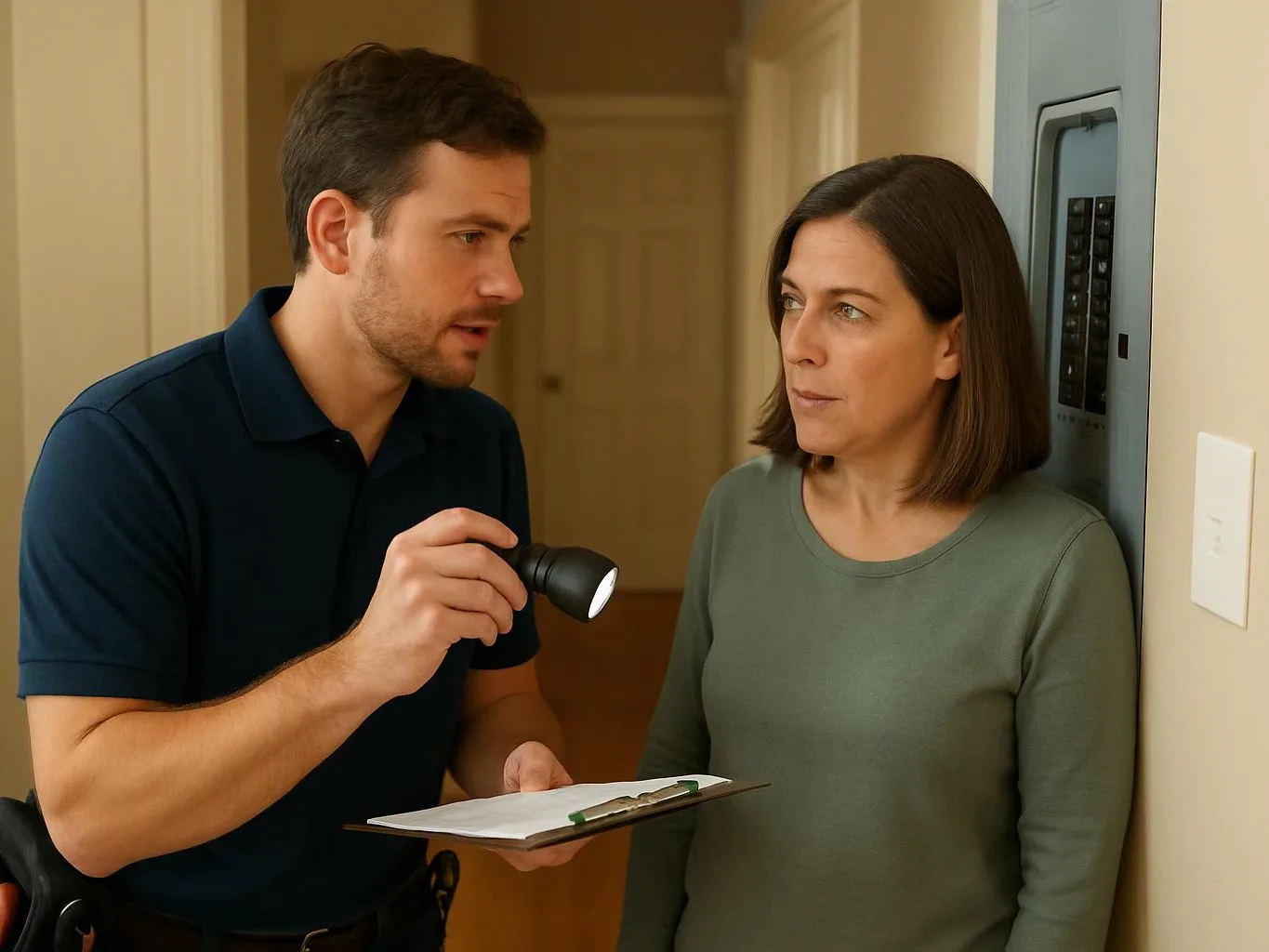
The transfer switch enclosure, contact points, terminals, and connected wiring receive the first inspection. We also check the panel connection and control wiring. These parts show whether the switch has heat damage, a loose connection, or a control fault. We use those findings to set the installation or repair scope.
What should be checked before installation is scheduled?
The existing panel, available electrical load, backup source, switch location, and connected circuits should be checked first. We review those conditions before scheduling the work. Access to the electrical equipment also matters because safe testing requires room to inspect and connect the wiring.
Who is a good fit for transfer switch installation, and who needs another service?
Homeowners and businesses that need a planned backup power connection are good fits. Chris Miller Electric installs and tests the transfer switch, wiring, and controls. A utility outage without a building-side fault may require utility help, while a generator fault may require generator service.
Which part of the job can change the estimate?
The existing wiring and panel connection often change the estimate. We also review the switch condition, circuit load, access, control wiring, and any damage found during inspection. Those details determine whether the work calls for installation, replacement, troubleshooting, or related electrical repairs.
How does the switch get tested after wiring is complete?
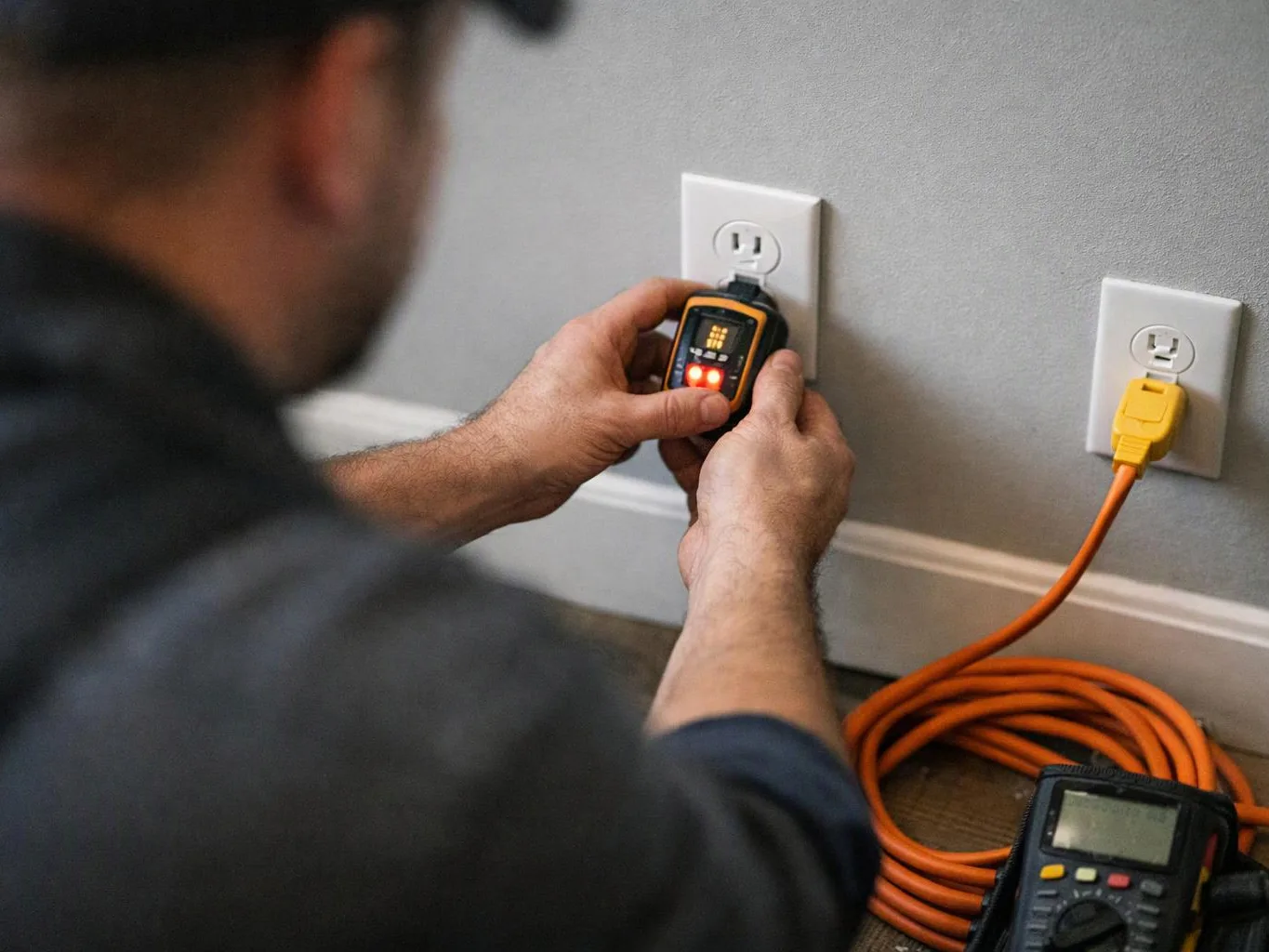
The transfer sequence is tested by checking the switch response, contact operation, control signal, and return to utility power. We verify that the intended circuits connect through the switch. The final check also looks for loose connections or abnormal behavior before we explain the completed work.
Why might backup circuits stay off after the source starts?
Backup circuits may stay off when control wiring, contacts, terminals, or the transfer mechanism fails. We trace the control path and inspect the switch before testing the connected circuits. The result shows whether the fault belongs to the transfer equipment, panel wiring, or backup source.