
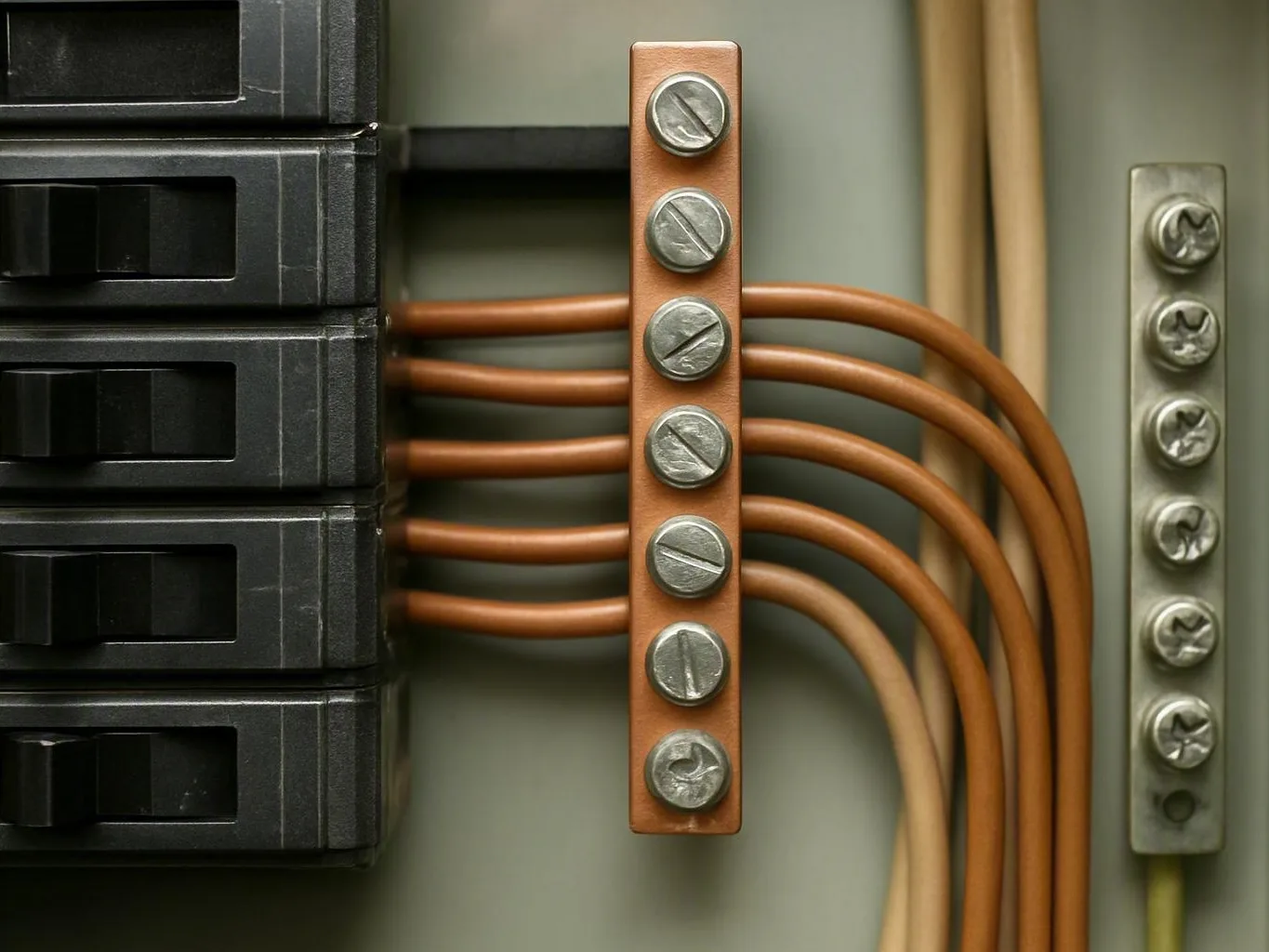
Site Walk and Pole Map
A site walk maps poles, bases, feeds, controls, and access paths. You receive a clear work scope.
We keep business lots bright through cold winters, wet springs, and summer storms. You’ll get a safe layout and less disruption.
Keeps walkways and drive lanes easier to see.
Finds buried feed faults before repeat lamp changes.
Fits work around Fort Wayne business hours.
Accounts for snow, rain, and freeze stress.
Supports safer loading areas near local plants.
Limits disruption for shops, clinics, and apartments.
According to U.S. Energy Information Administration (2024), the average U.S. commercial-sector retail electricity price was 12.76 cents per kilowatt-hour in 2024, a directly relevant operating-cost input for electrically powered parking-lot lighting.
Source: U.S. Energy Information Administration·Year: 2024
Data from U.S. Bureau of Labor Statistics (2024) shows that employment of electricians, the principal trade used for parking-lot-lighting installation and repair, is projected to grow 6% in the United States from 2024 to 2034.
Source: U.S. Bureau of Labor Statistics·Year: 2024
An increase of 49,800 electrician jobs between 2024 and 2034 is projected by U.S. Bureau of Labor Statistics (2024), indicating continued demand for the trade that installs and maintains parking-lot lighting.
Source: U.S. Bureau of Labor Statistics·Year: 2024
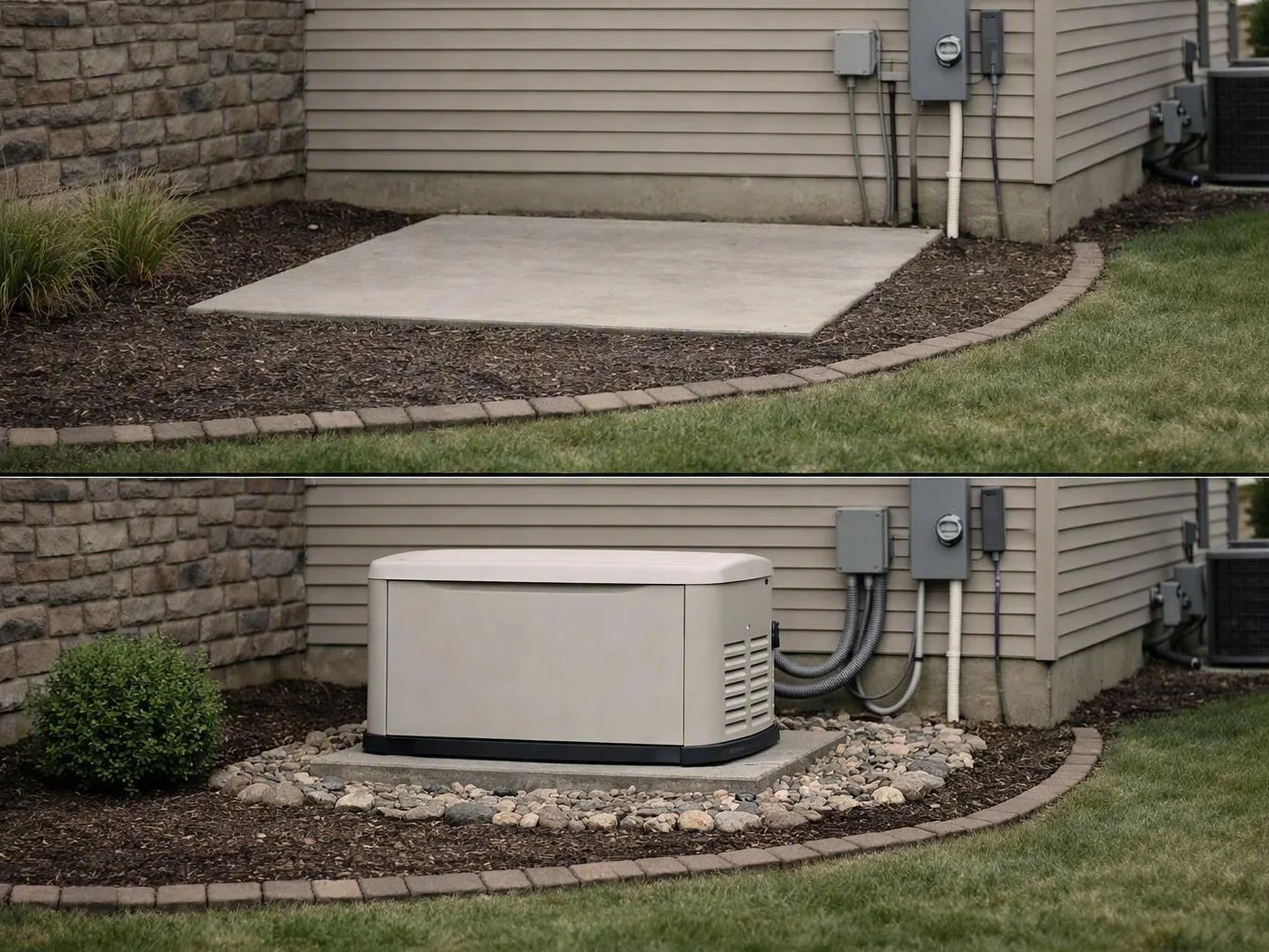
Parking Lot Lighting is an outdoor electrical system that lights vehicle and walking areas. Parking Lot Lighting differs from building lighting because it must protect outdoor poles, feeds, and controls. In Fort Wayne, parking lots need durable lighting because snow, rain, and freeze cycles stress outdoor parts.
A site walk maps poles, bases, feeds, controls, and access paths. You receive a clear work scope.
A photometric check measures light across the lot. It shows dark zones and helps set the right fixture plan.
Circuit isolation separates fixture, control, and buried-feed faults. This prevents needless part changes.
A National Electrical Code review checks outdoor wiring, grounding, and equipment. Local permit needs are identified before work starts.
We repair the failed part, test the circuit, and check the lot after dark. You get documented next steps.
The cost of Parking Lot Lighting depends on factors like scope, materials needed, and complexity. Here are typical ranges for Fort Wayne:
Known fixture failure
Checks and replaces a failed lamp or fixture part.
Repeat or row outages
Traces controls, feeds, bases, and buried wiring.
Poor overall coverage
Uses light measurements to guide fixture placement and aiming.
Prices are estimates. Call for an exact quote—we always provide upfront pricing before starting work.
These details help us plan safe access and reduce work delays.
Seasonal lighting checks work best before winter snow and after spring storms. Fort Wayne, in sites should inspect pole bases, covers, feeds, and controls before dark conditions increase.
Parking Lot Lighting keeps commercial lots bright for people, cars, and site cameras.
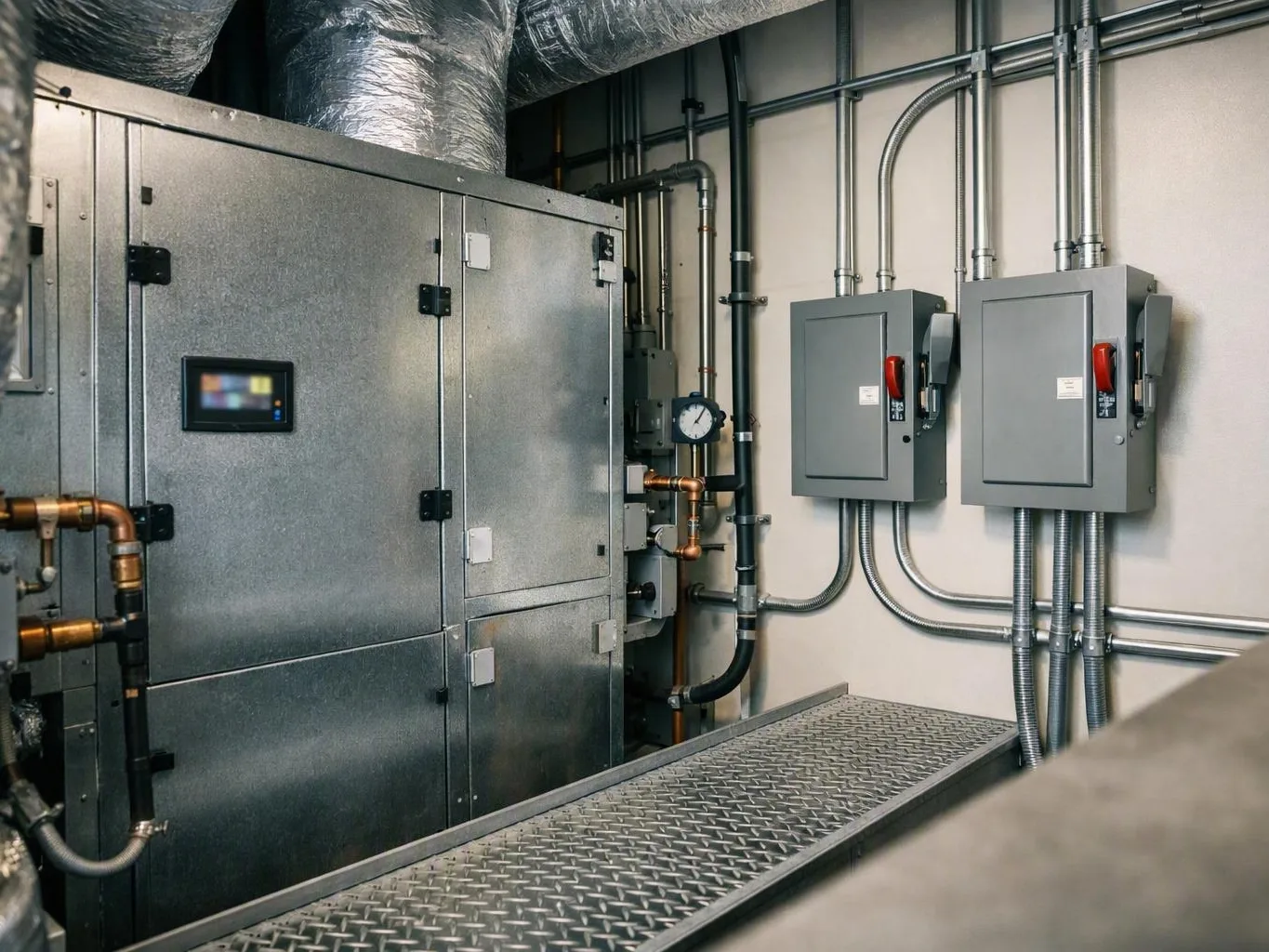
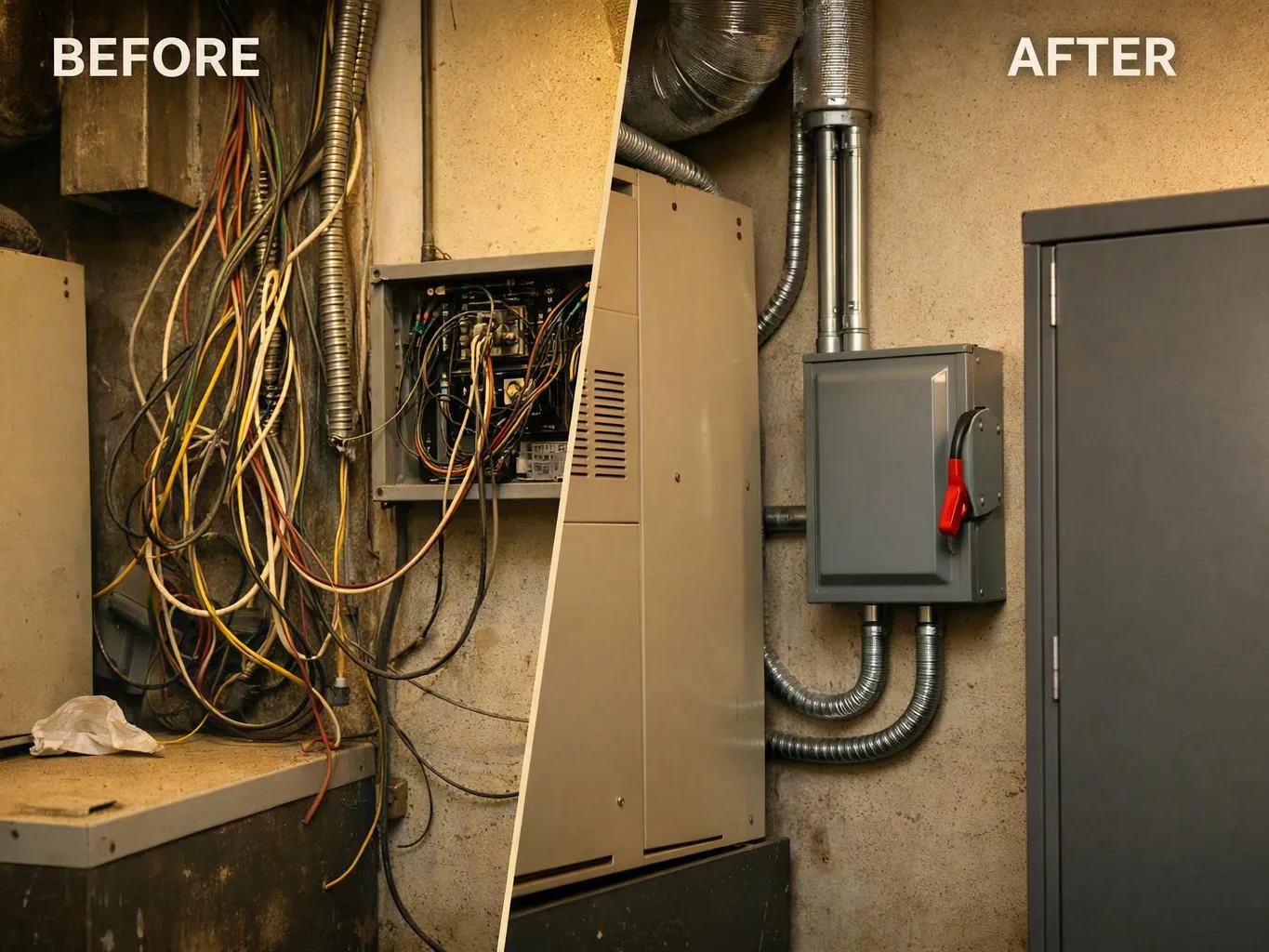

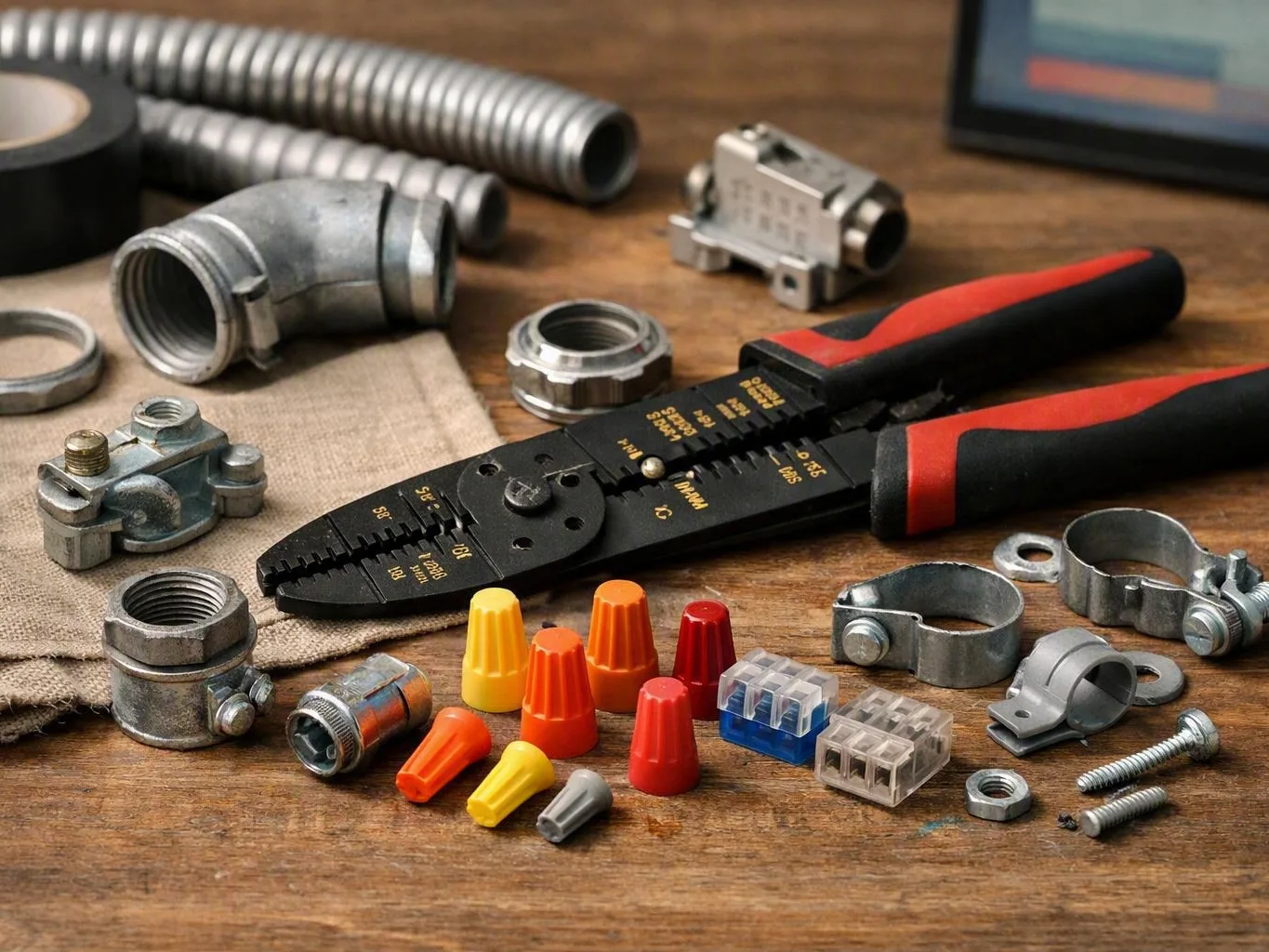
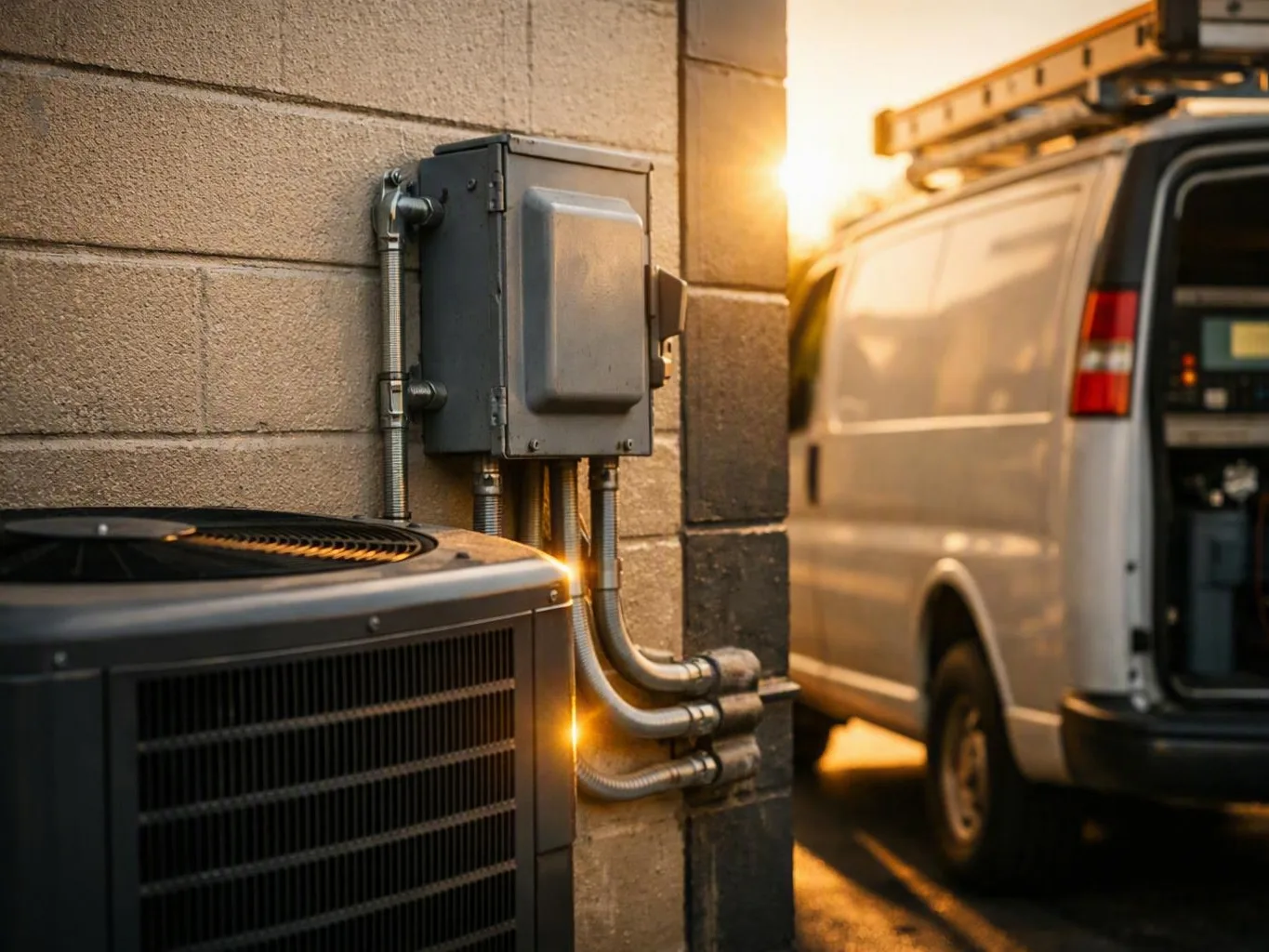
Winter freeze cycles and summer storms can expose weak lot feeds, so ask for an estimate with emergency dispatch or same-day scheduling options.
Call Chris Miller Electric at +1 (260) 305-1780 to discuss your electrical repair, inspection, or upgrade in Fort.
Fort Wayne, IN
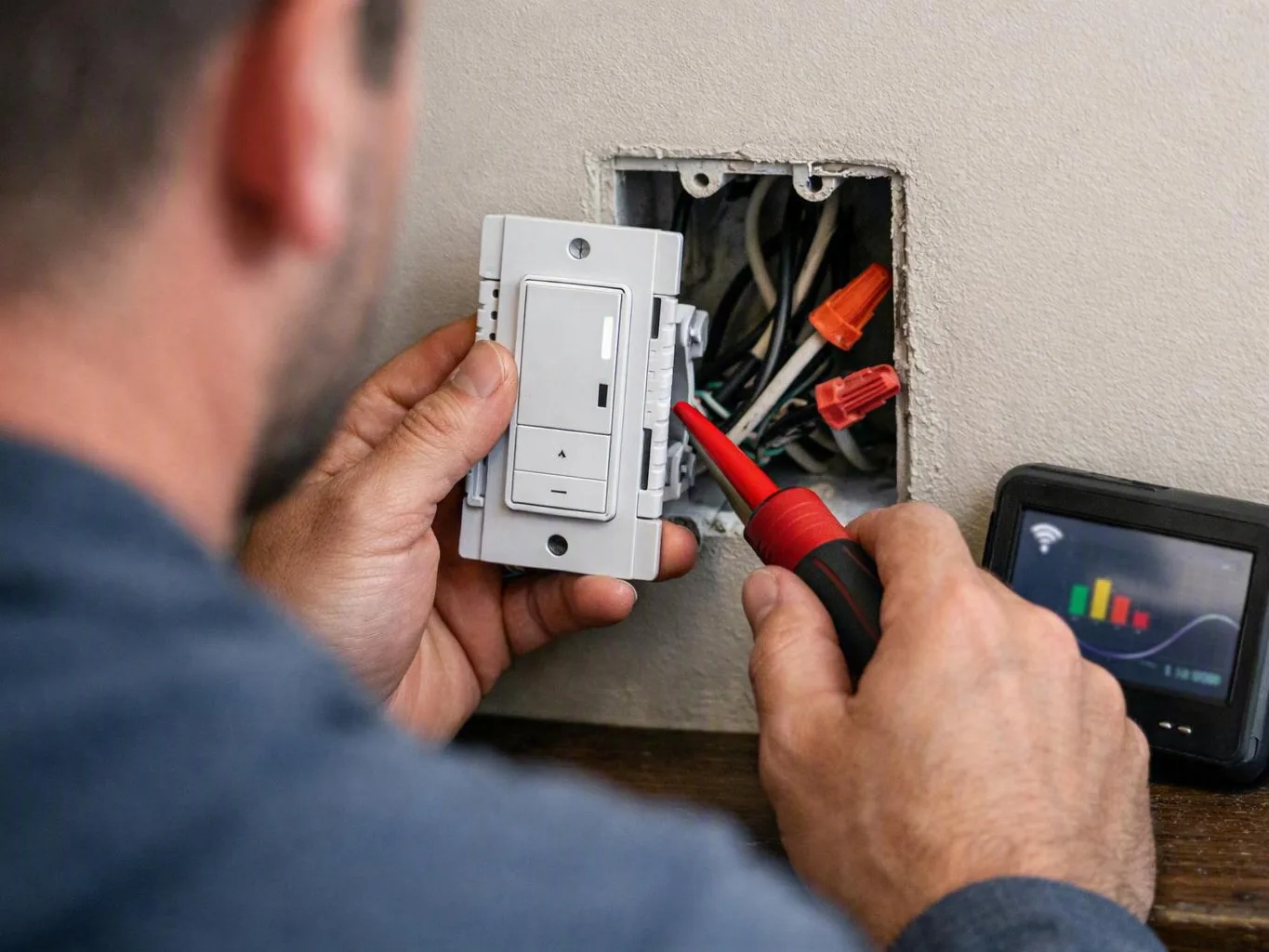
A dark lot creates a safety concern, but the cause may sit below ground. In Fort Wayne, IN, an after-hours outage can affect staff leaving a shop or clinic. We isolate the dark circuit, inspect the pole base, and test the feed. Keep people away from the dark area until the fault is contained.
A property manager finds dim lights after a winter storm and faces a tight repair date. Older Fort Wayne, in properties may have worn conduit, buried splices, or weak bases hidden under paved areas. We inspect the visible symptom, trace the circuit, and check drainage near each pole. Prevention may include sealed connections, better access notes, and a written repair scope.
Access can shrink when rain fills low areas near poles. At a Fort Wayne, in lot, blinking lights may point to water near a base or splice. We isolate the circuit before opening parts and check the drainage path.