What symptoms mean an electrical outlet needs repair?
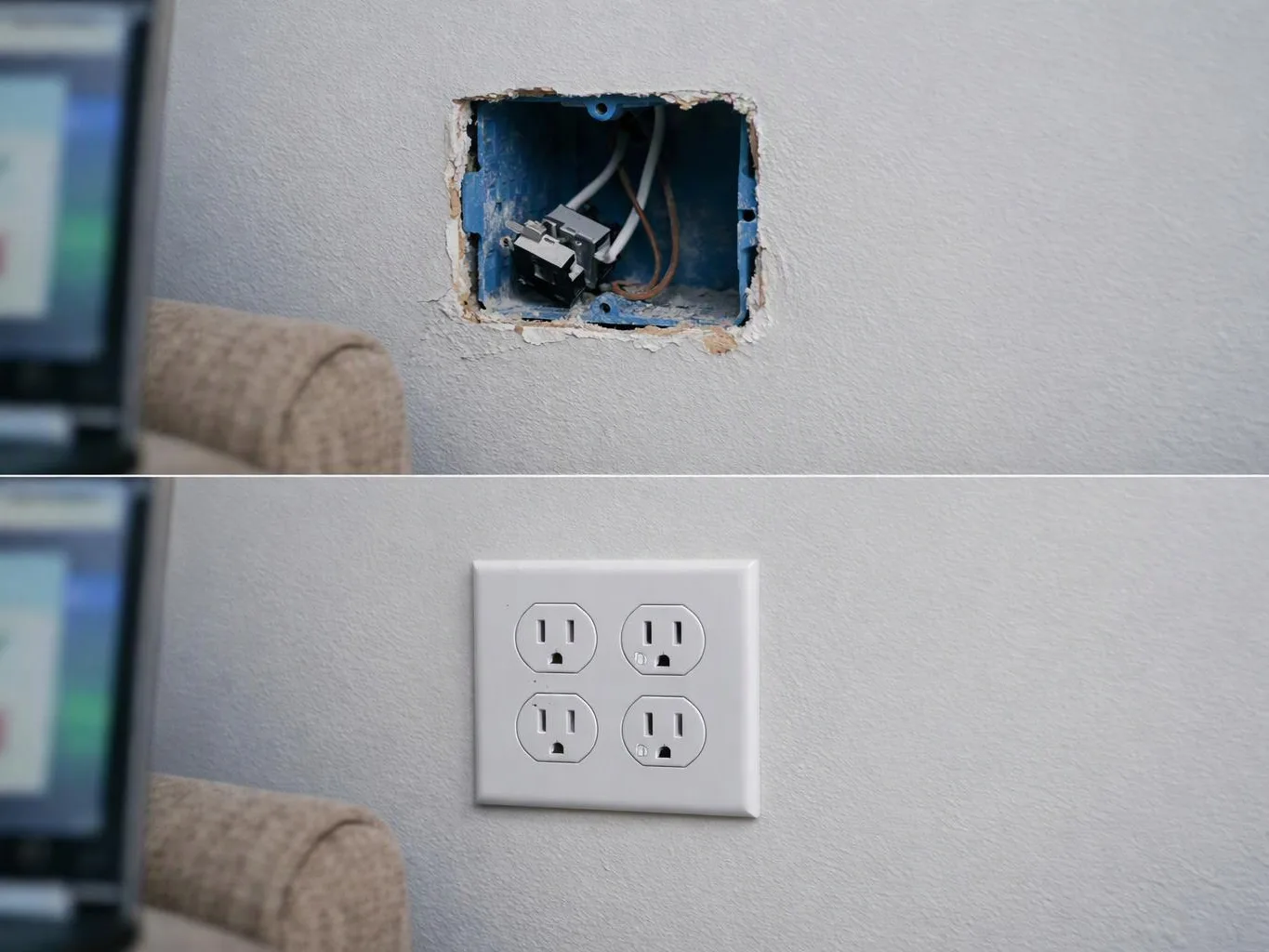
A loose receptacle, dead outlet, burn mark, crackling sound, or warm faceplate means the outlet needs inspection. Chris Miller Electric checks the device, box, wiring, and circuit before setting the repair scope. Stop using the outlet when it feels hot, smells burnt, or makes noise. Those signs can point to a poor connection or excess heat.
How does a dead outlet get diagnosed?
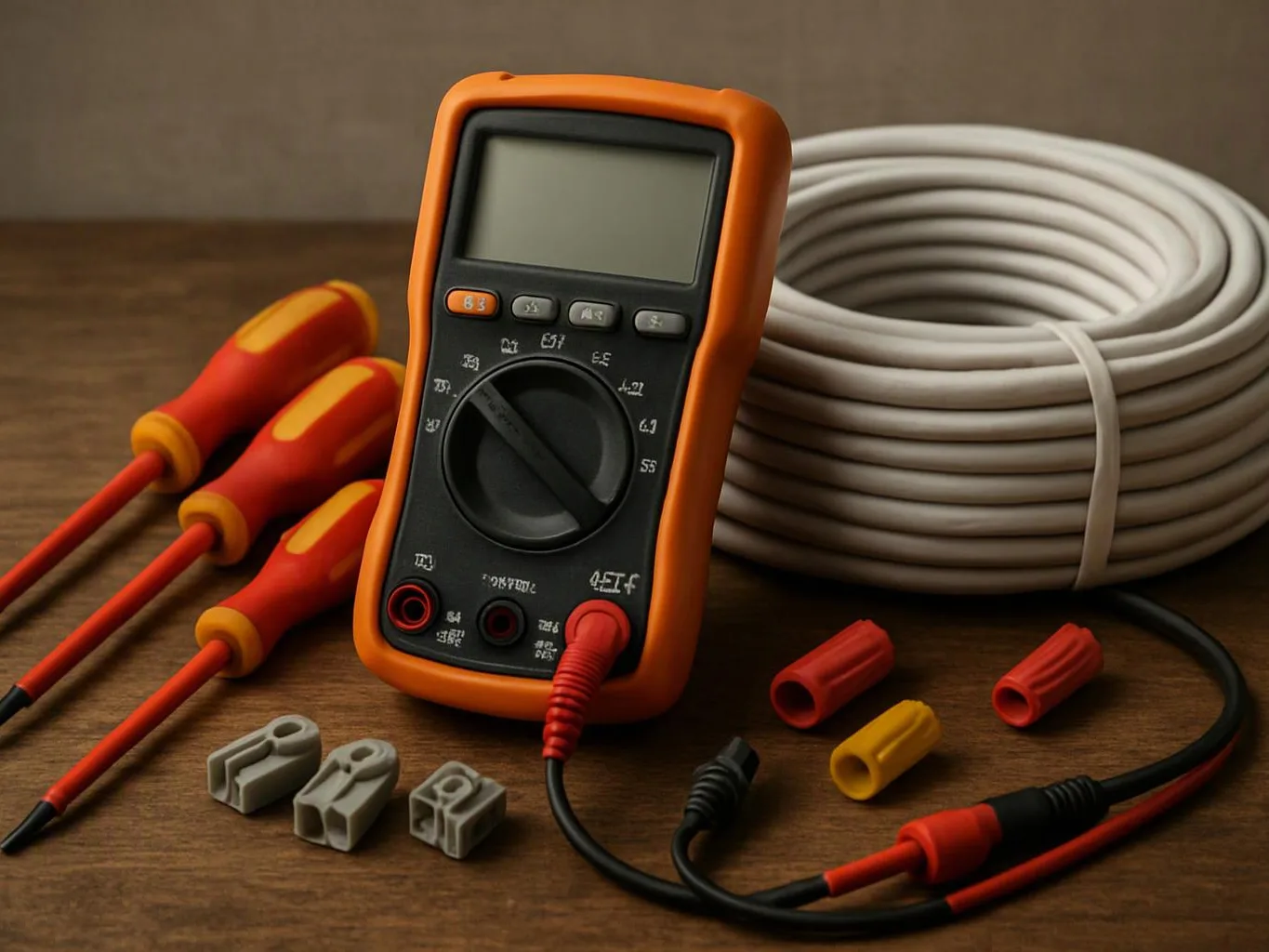
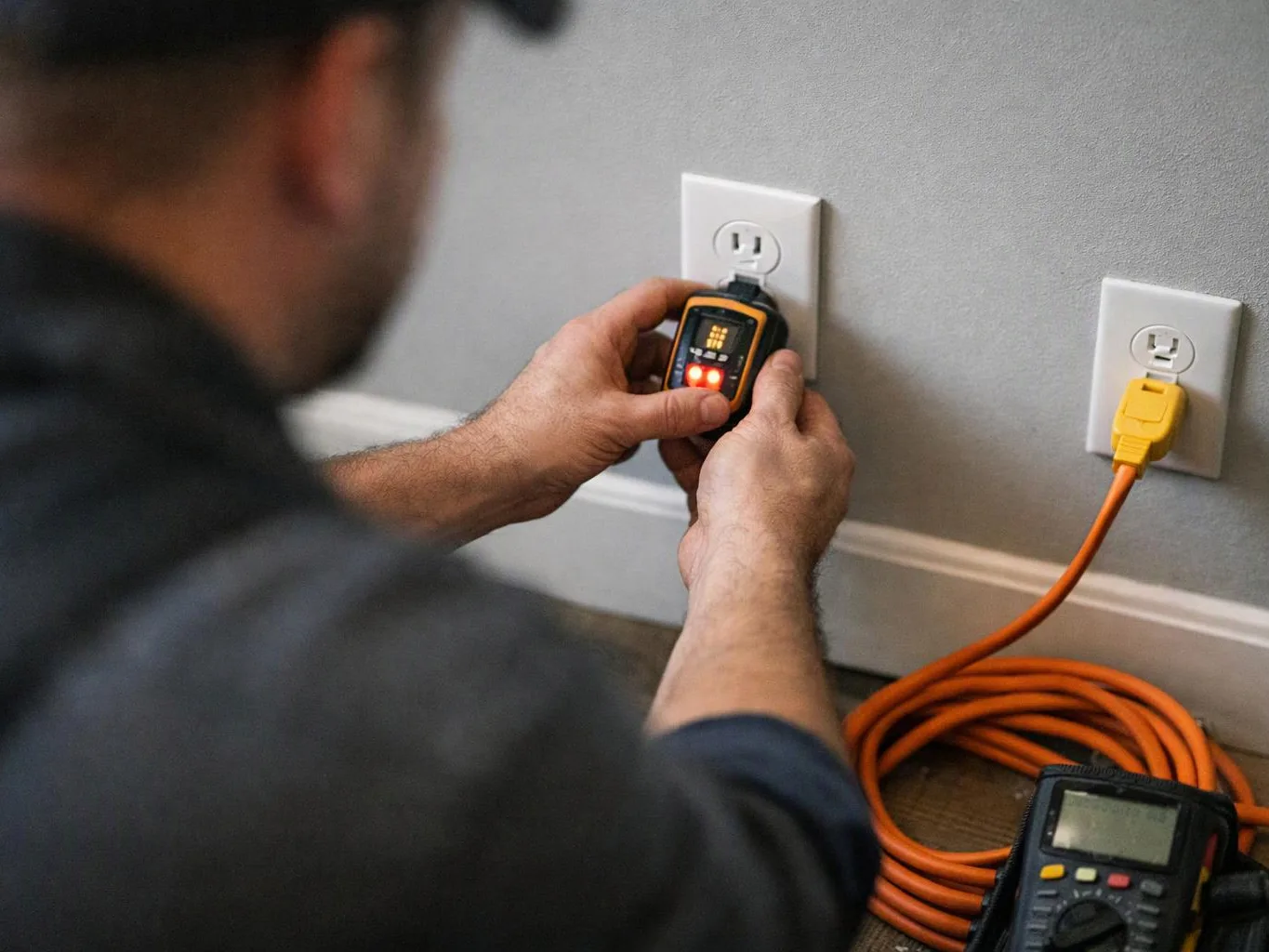
A dead outlet is diagnosed by testing the device and tracing the circuit when needed. We check the breaker, nearby outlets, terminal connections, and power at the receptacle. The finding shows whether the repair belongs at the outlet or farther along the circuit. Keep connected equipment unplugged until the cause is known.
What should be checked before outlet repair is scheduled?
The outlet's symptoms, affected equipment, breaker position, and nearby power changes should be recorded first. Useful details include heat, discoloration, movement, crackling, and whether one outlet or several stopped working. We use that information to plan the assessment. Do not remove the faceplate or touch exposed wiring while checking the problem.
Who is a good fit for outlet repair, and who needs a different service?
Outlet repair fits a single damaged, loose, warm, or dead receptacle. A wider outage, repeated breaker trips, or several dead outlets may need circuit troubleshooting or panel service. We inspect the symptoms and explain the correct scope. Chris Miller Electric handles residential and commercial electrical work when the concern extends beyond one device.
What happens at each stage of outlet repair?
Outlet repair moves from symptom review to inspection, circuit testing, repair or replacement, and final verification. We first examine the device and box, then check power and connections. The repair follows the finding, and testing confirms operation afterward. You receive an explanation of related concerns before any broader work is considered.
Which part of an outlet repair changes the quote?
The quote changes with the device condition, wiring damage, box access, grounding work, and circuit tracing needs. We inspect those factors before describing the work and preparing a quote. A simple device issue has a different scope from heat damage or a fault that reaches another connection. The exact scope comes from the assessment.
Why does an outlet faceplate feel warm?
A warm faceplate can signal excess heat at the receptacle, wiring connection, or connected load. We isolate the concern and inspect the device, terminals, box, and circuit. Turn off the affected circuit if you can do so safely, and stop using the outlet. A warm outlet deserves prompt attention, even when it still supplies power.