Can an electrical inspection find hidden wiring problems?
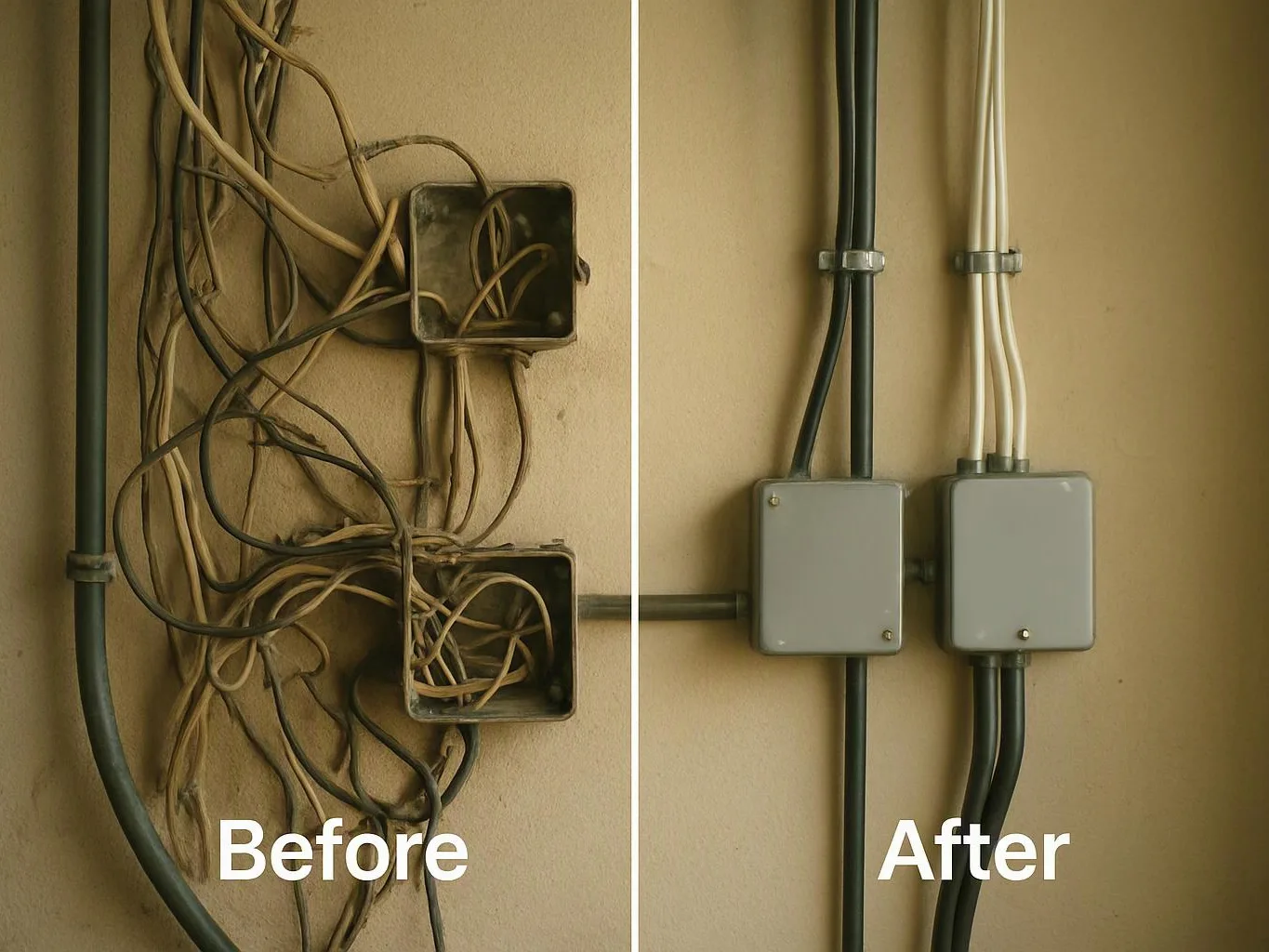
Chris Miller Electric can detect signs of hidden wiring problems through circuit testing, heat checks, and symptom tracing. Accessible wiring gives direct evidence, while repeated breaker trips or unusual heat can point to concealed damage. We explain when wall or ceiling access is needed for a closer check. A burning smell or buzzing panel needs prompt attention.
What does the crew look at first during an inspection?
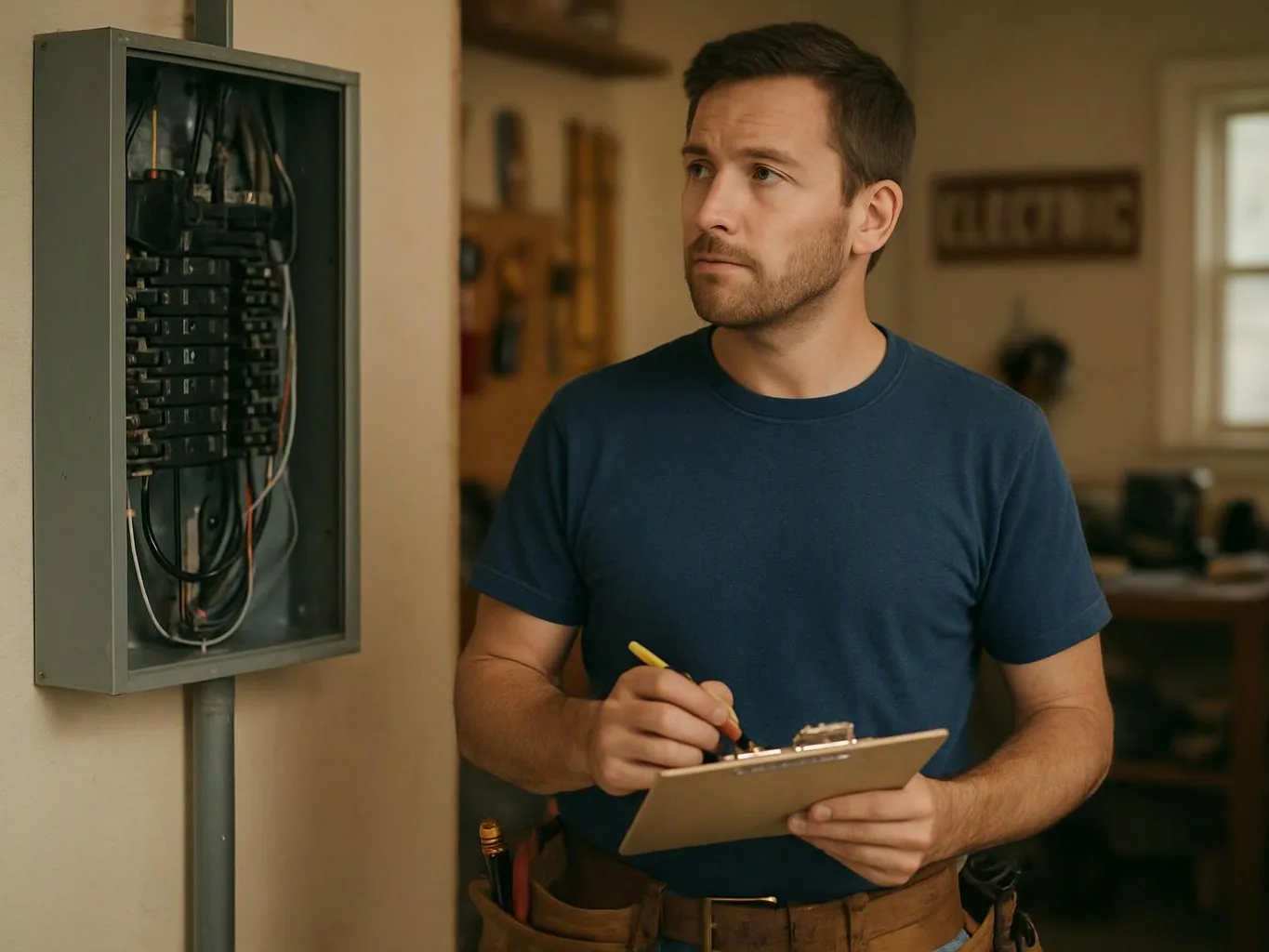
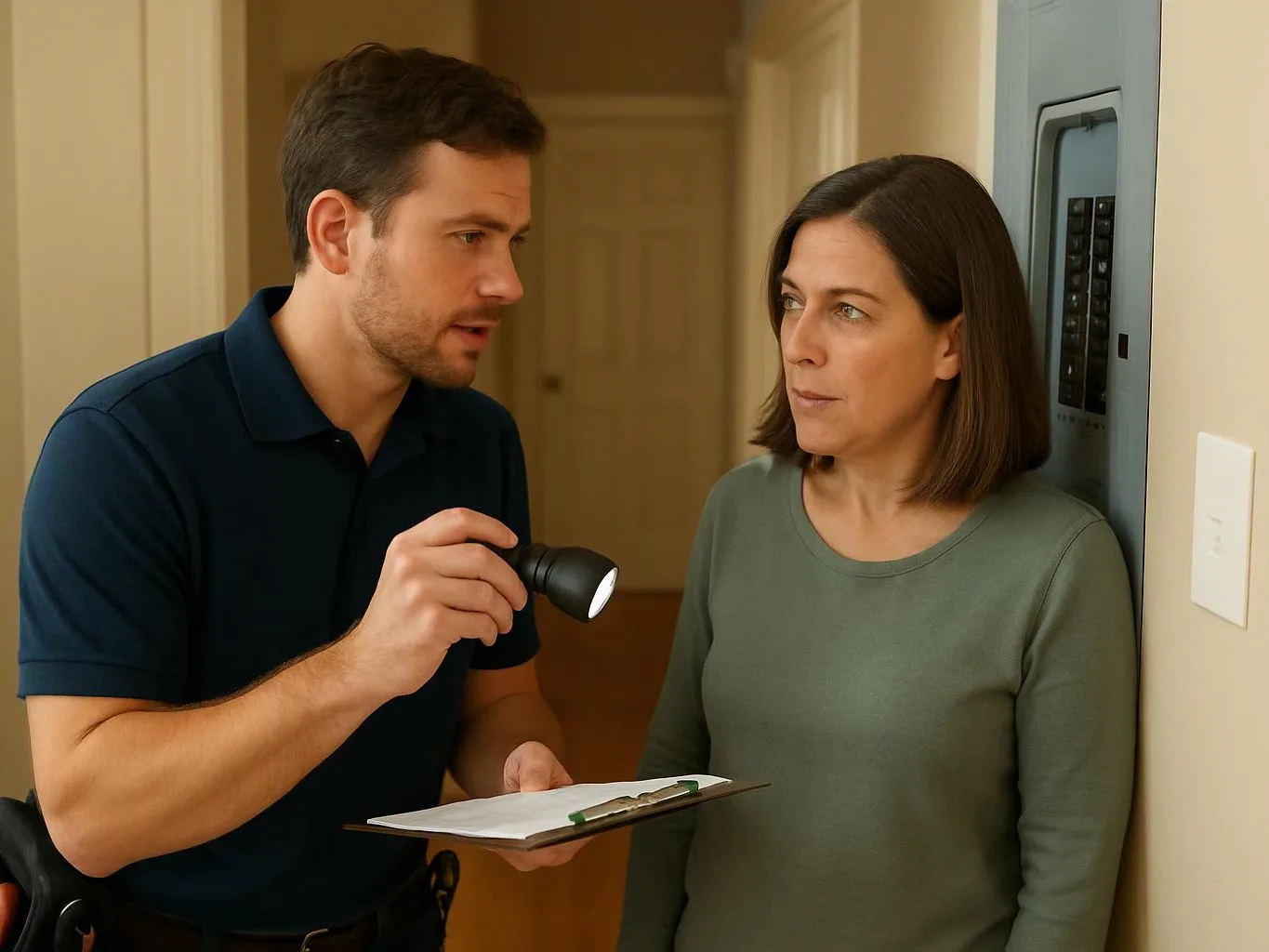
The electrical panel and reported problem area come first during an inspection. We review the panel, breakers, accessible connections, and the circuit linked to the symptom. The first checks help us work safely and choose the right tests. We then examine outlets, switches, and wiring connected to that circuit.
How does circuit testing help find a fault?
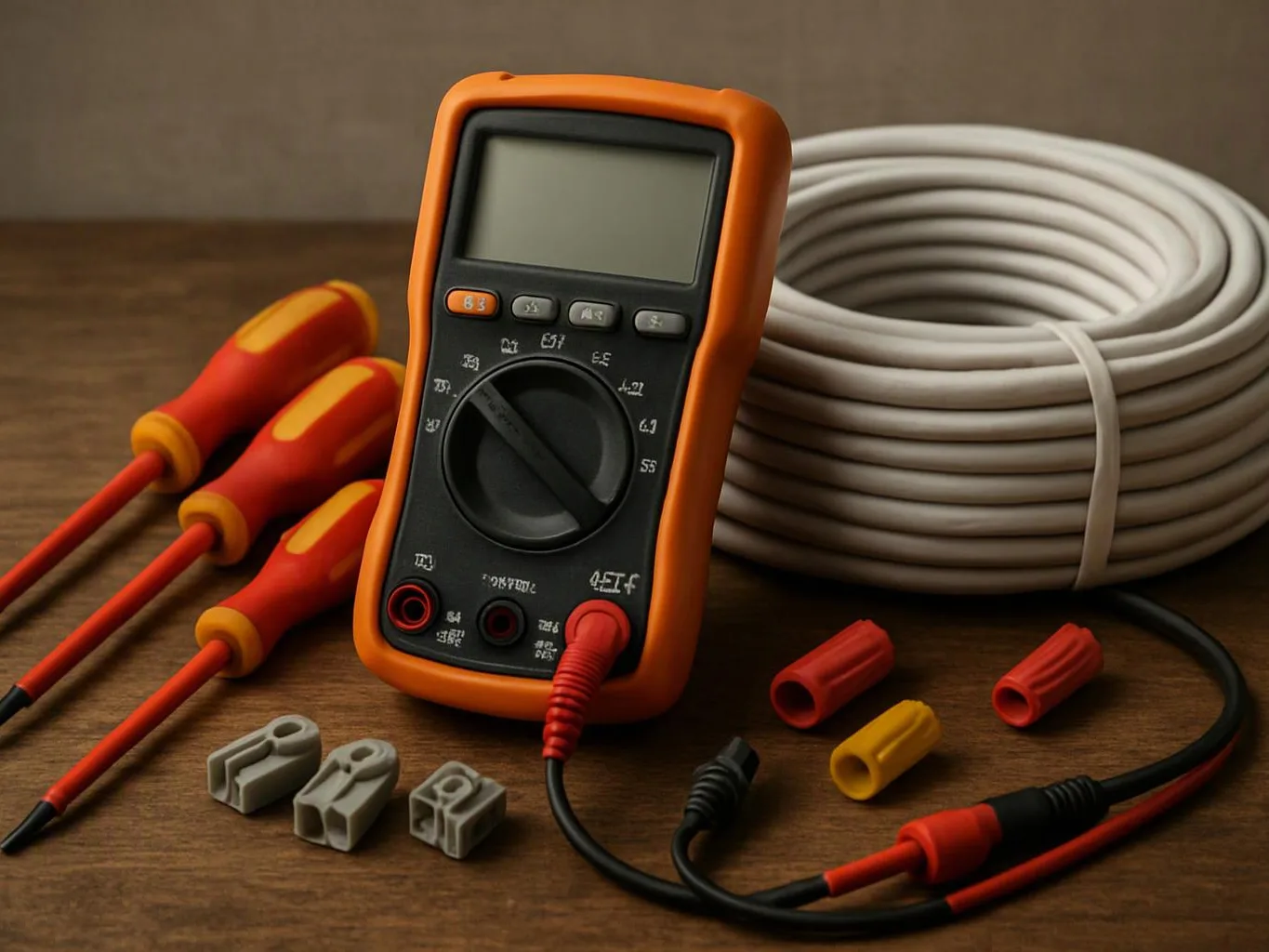
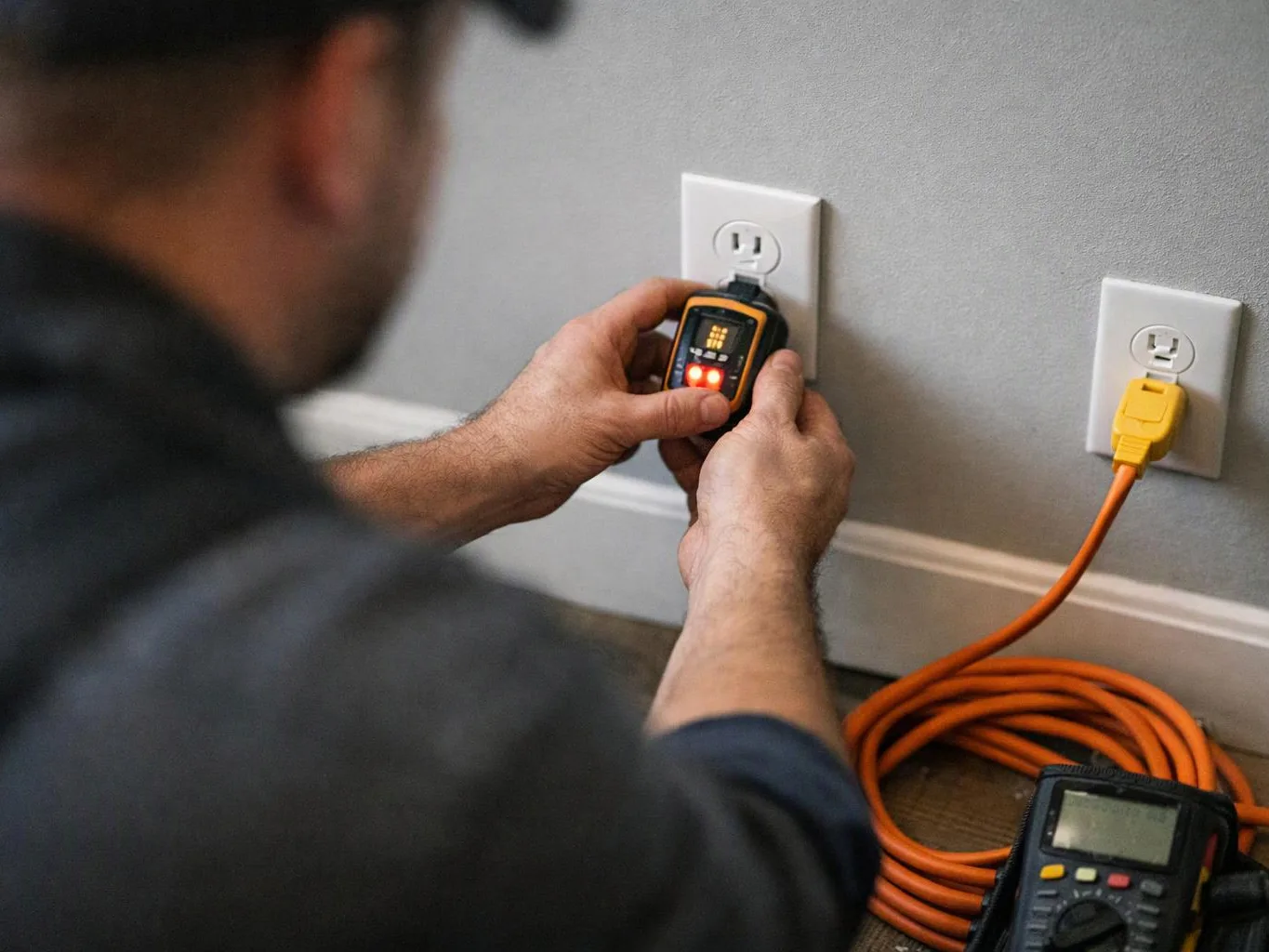
Circuit testing shows whether power moves safely through the affected electrical path. We test related outlets, switches, breakers, and connections, then compare the results with the reported symptom. This work can separate a bad device from a wiring or panel concern. The findings guide the repair scope.
Which warning signs call for an inspection?
Flickering lights, warm switch plates, dead outlets, buzzing panels, and repeated breaker trips call for an inspection. We check the related circuit and look for heat, loose connections, and damaged insulation. A burning smell or sparking outlet needs immediate caution. Stop using the affected area until the condition is assessed.
When should I request an inspection before repairs?
Request an inspection before repairs when the source of an electrical problem is unclear. An inspection helps connect the symptom to the correct circuit, panel section, or device. It also helps separate a focused repair from a larger wiring concern. This approach suits buyers, property managers, homeowners, and businesses planning electrical work.
Why can wire corrosion affect an inspection result?
Wire corrosion can weaken connections and change how a circuit carries power. We look for visible corrosion, damaged terminals, and related heat or performance signs. The inspection may identify a need for cleaning, replacement, or deeper access. We explain the finding before repair work is planned.
What information changes the inspection quote?
The property type, panel access, number of affected circuits, and testing scope change the inspection quote. A single symptom needs a different review from a property-wide concern. Share the locations of dead outlets, tripped breakers, or flickering lights so we can discuss the right scope. We provide the next pricing step after reviewing the request.