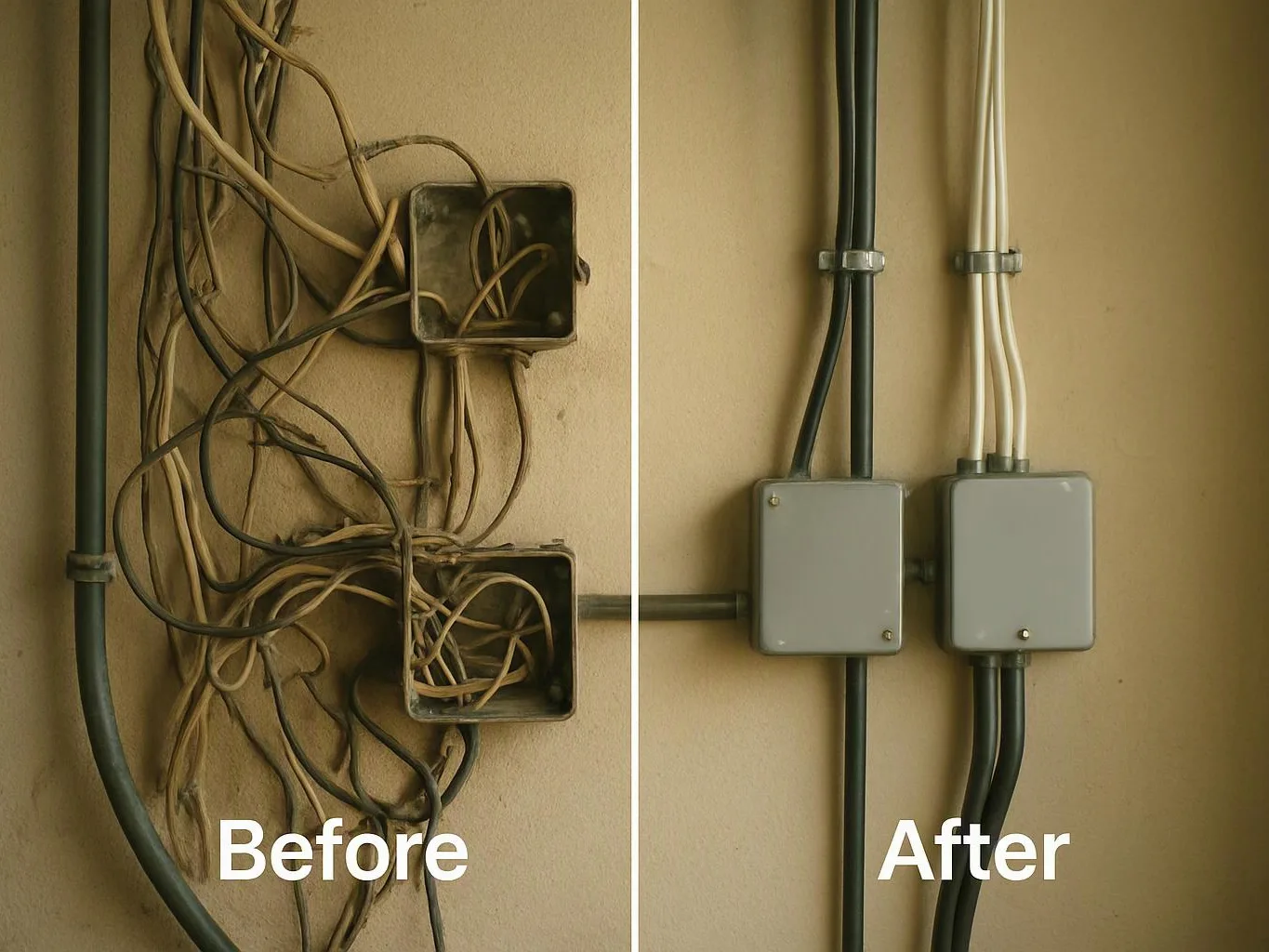
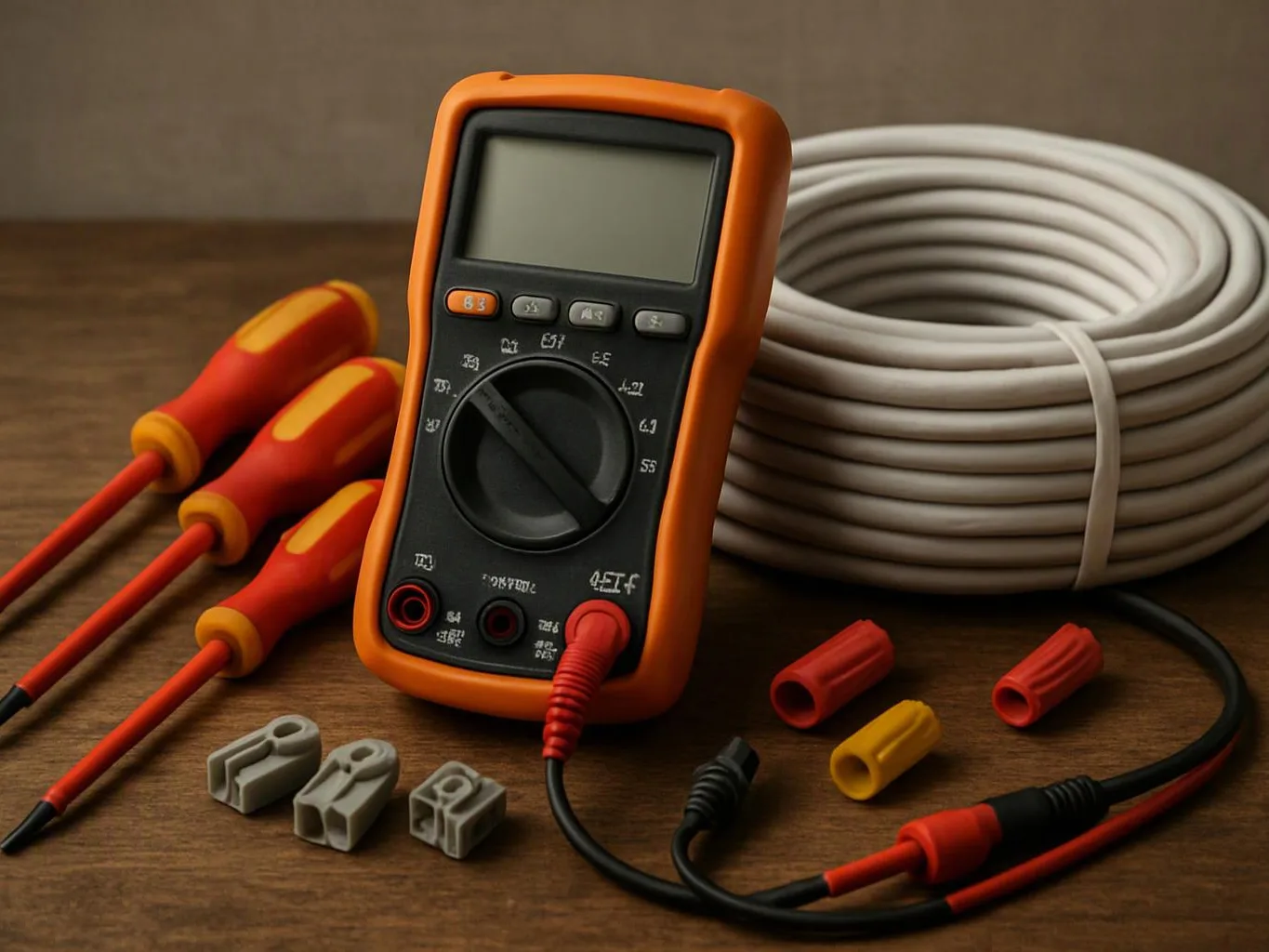
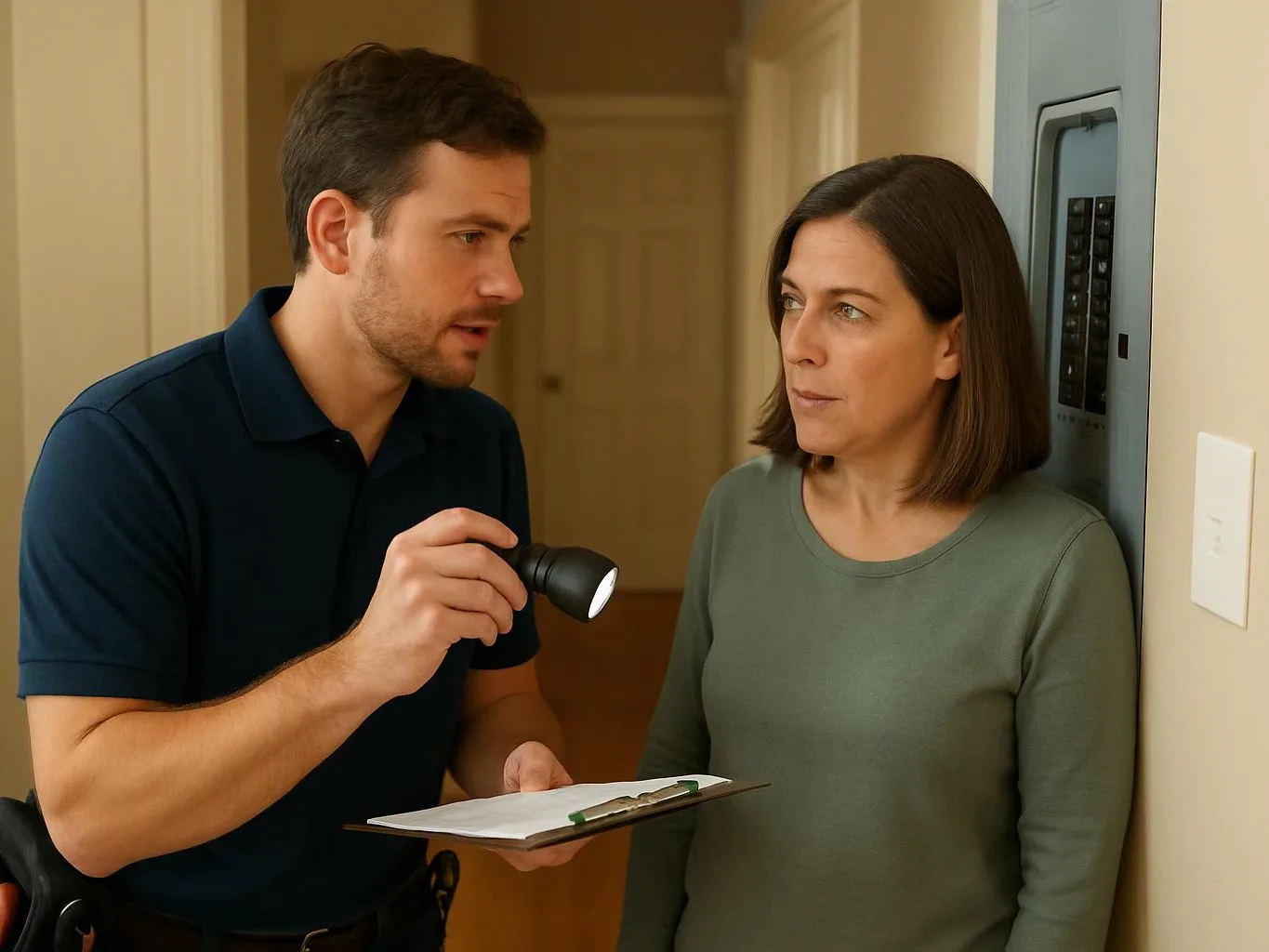
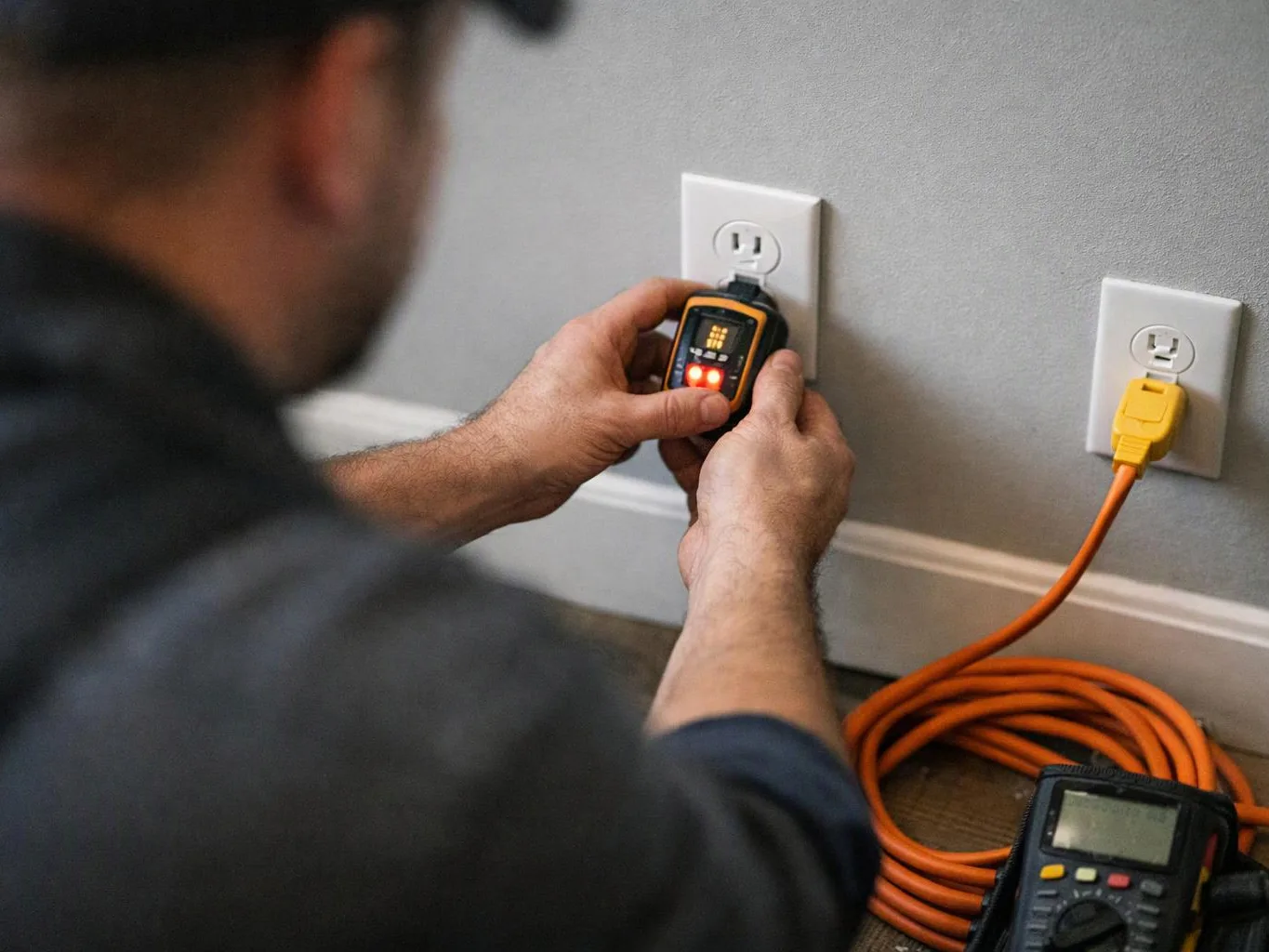
How does an electrical inspection move from the first call to the last step?
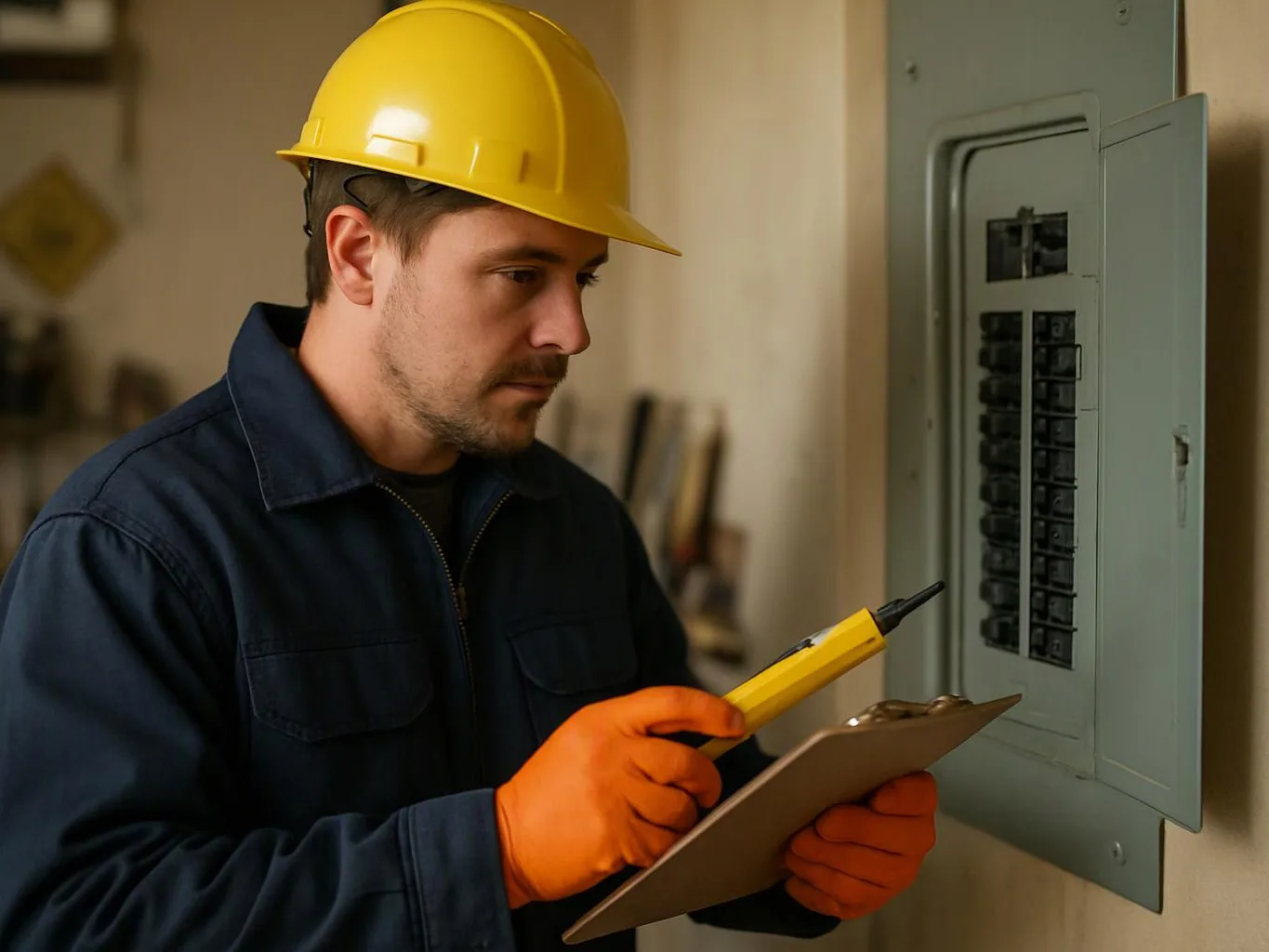
Chris Miller Electric starts by recording the symptom and affected area, then traces circuits, checks accessible parts, and explains the findings. The inspection begins with the reported concern and moves through panel, wiring, load, grounding, and connection checks. The final discussion separates observed conditions from repair work and identifies the next decision.
What signs show that a property may need this inspection?
Flickering lights, repeated breaker trips, warm switch plates, dead outlets, and burning smells can signal an electrical concern. We identify the affected circuit and inspect the panel, wiring, connections, and load. Stop using equipment that smells hot, sparks, or causes repeated trips until the condition is assessed.
Which part of the property decides the inspection scope?
The affected circuit and the equipment it serves usually set the inspection scope. We consider the panel, wiring path, outlets, fixtures, connected loads, and safe access to those parts. A broader review may fit when symptoms appear across several circuits or when planned upgrades change the property's electrical demand.
How can a customer tell whether an electrical inspection fits the property?
An electrical inspection fits when the property has unexplained electrical symptoms or needs facts before planned work. We inspect homes, businesses, panels, circuits, wiring, grounding, and accessible connections. Active smoke, sparking, or a burning smell requires urgent electrical attention before a routine inspection scope is set.
What information helps set the inspection quote?
The affected area, reported symptom, property type, access, and known electrical changes help set the quote. Tell us which breaker trips, what equipment was running, and whether outlets or lights are involved. We use those details to discuss circuit tracing, panel access, testing needs, and any separate repair scope.
Why do inspection findings sometimes lead to a panel upgrade?
A panel upgrade becomes a consideration when the existing equipment or service cannot support the property's electrical demand safely. We review the load, breaker layout, connections, grounding, and visible panel condition. The inspection identifies the concern, while the upgrade requires a separate work scope and any required local approval.