What causes recurring electrical failures in commercial buildings?
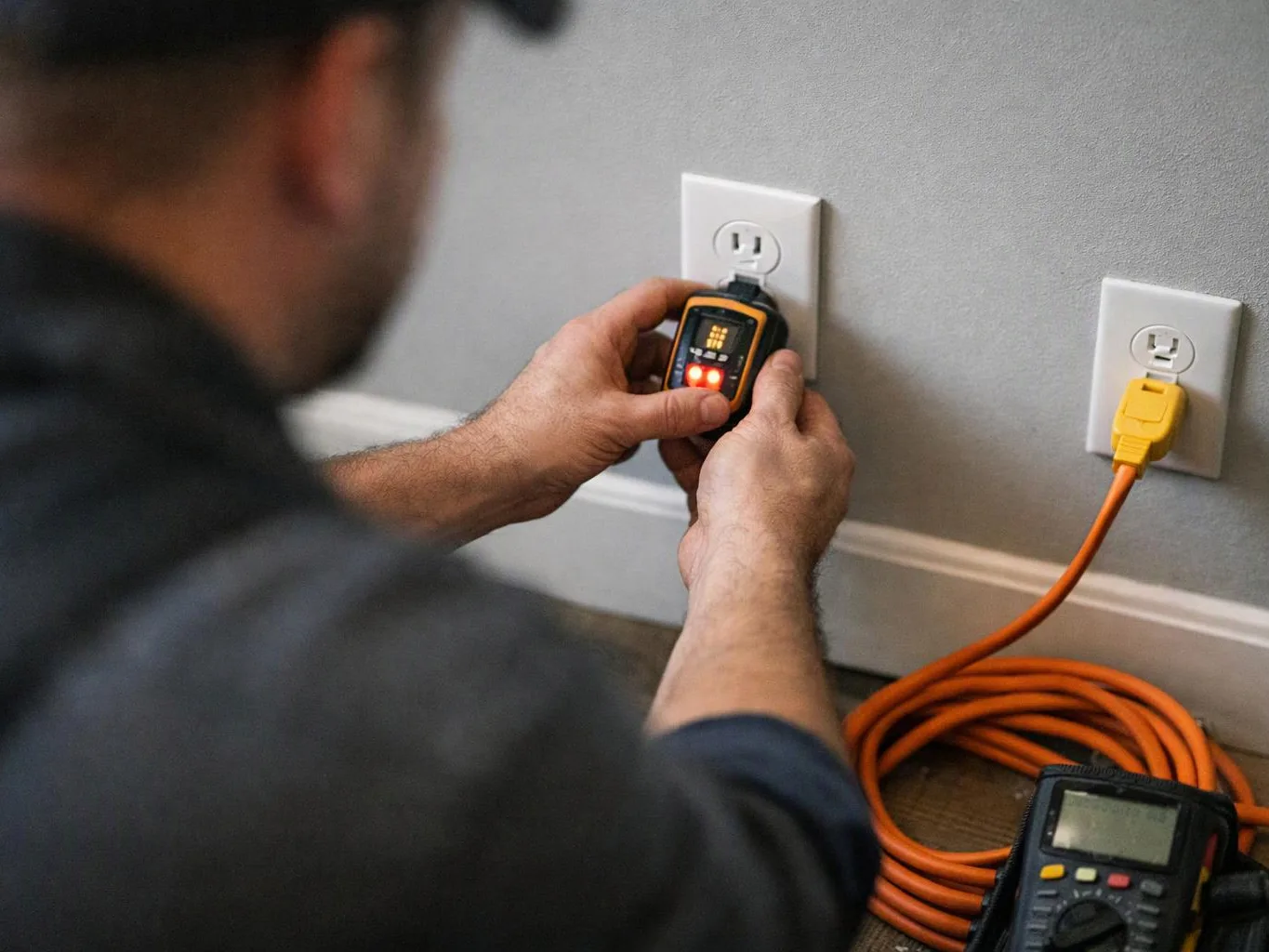
Voltage imbalance often causes recurring electrical failures in commercial buildings. Chris Miller Electric checks overloaded circuits, aging components, loose terminals, and harmonic distortion during diagnosis. We trace the affected circuit and test the panel, wiring, and connected equipment. The repair plan follows the tested cause, not only the most visible symptom.
How is commercial electrical repair matched to the property before work starts?
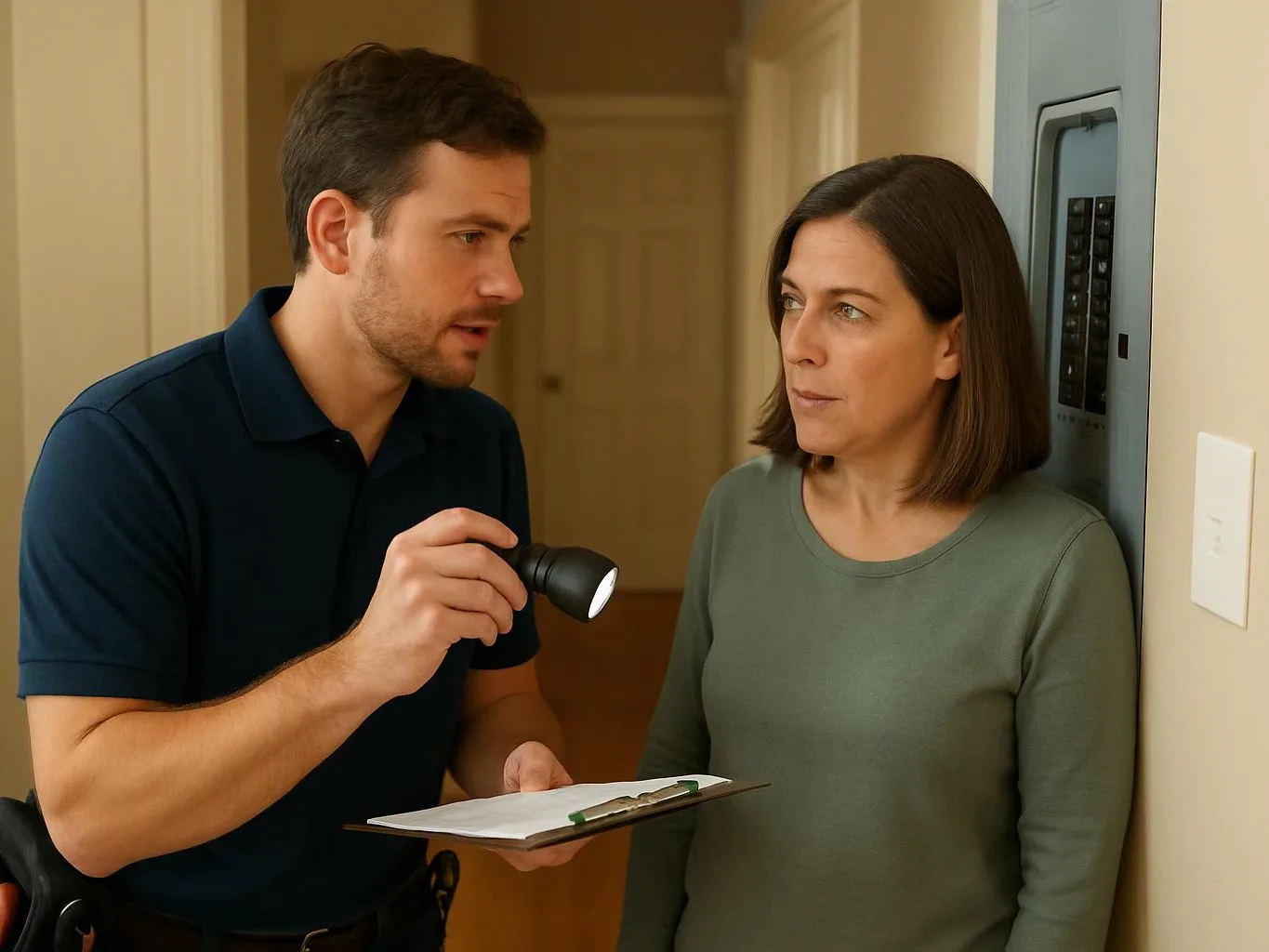
The property layout, panel condition, circuit map, equipment load, and access needs shape the repair plan. We review the affected areas and identify which systems share power. Commercial operations also guide the work scope because equipment, lighting, and customer areas may need separate access and testing.
Which condition on the property changes the time for electrical repair?
Limited panel access, hidden wiring, damaged components, and multiple affected circuits can change the work time. We first identify the fault and the parts involved. A single outlet repair has a different scope from circuit tracing, rewiring, or a service entrance upgrade.
What should be ready before commercial electrical repair starts?
Panel access, equipment details, symptom notes, and a safe work area should be ready before repair starts. We need to know which breakers trip and which areas lose power. Keep staff away from sparking outlets, burning smells, buzzing panels, or warm switch plates until we inspect them.
Can commercial electrical repair include panel upgrades and rewiring?
Panel upgrades and rewiring can be part of the work when testing shows the existing system needs a larger correction. We assess circuit demand, panel condition, wiring, grounding, and connected equipment. A repair may address one fault, while an upgrade supports a broader capacity or safety change.
What information helps produce an accurate repair quote?
The affected equipment, panel location, circuit symptoms, property access, and prior electrical changes help define the quote. Photos can help show a panel label or damaged outlet, but testing still guides the final scope. We explain parts, access needs, and related repairs before work proceeds.
When should a business stop using an electrical circuit?
A business should stop using a circuit when it sparks, smells burned, feels warm, buzzes, or trips repeatedly. Turn off the affected equipment if it is safe to do so, and keep people away from damaged parts. We inspect the circuit and identify whether the fault is in the equipment, wiring, or panel.