What signs indicate that a circuit breaker needs replacement?
A tripping breaker needs closer review when it shows burn marks, heat, buzzing, or reset failure. Chris Miller Electric inspects the breaker and connected wiring before replacement. Repeated trips can come from the circuit load or wiring, so we do not treat every trip as a failed part. We explain the finding and the repair scope before work begins.
What does the crew look at first during breaker replacement?
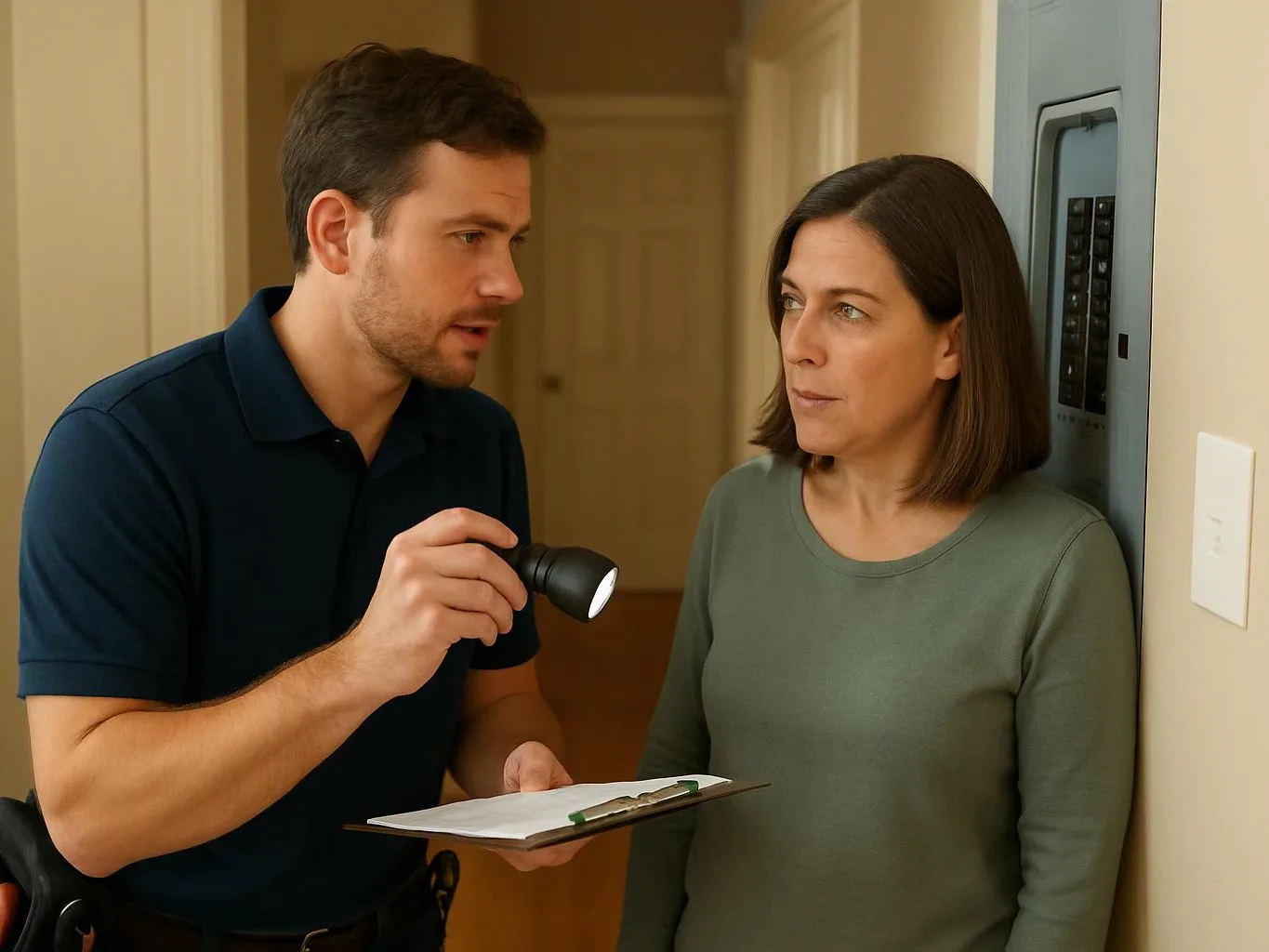
The panel condition comes first, including heat, burn marks, buzzing, and loose-looking connections. We then identify the affected circuit and review what it powers. That order helps us spot a wider electrical fault before removing the breaker. A visible hazard keeps the circuit isolated until the panel receives a proper assessment.
What happens at each stage of breaker replacement?
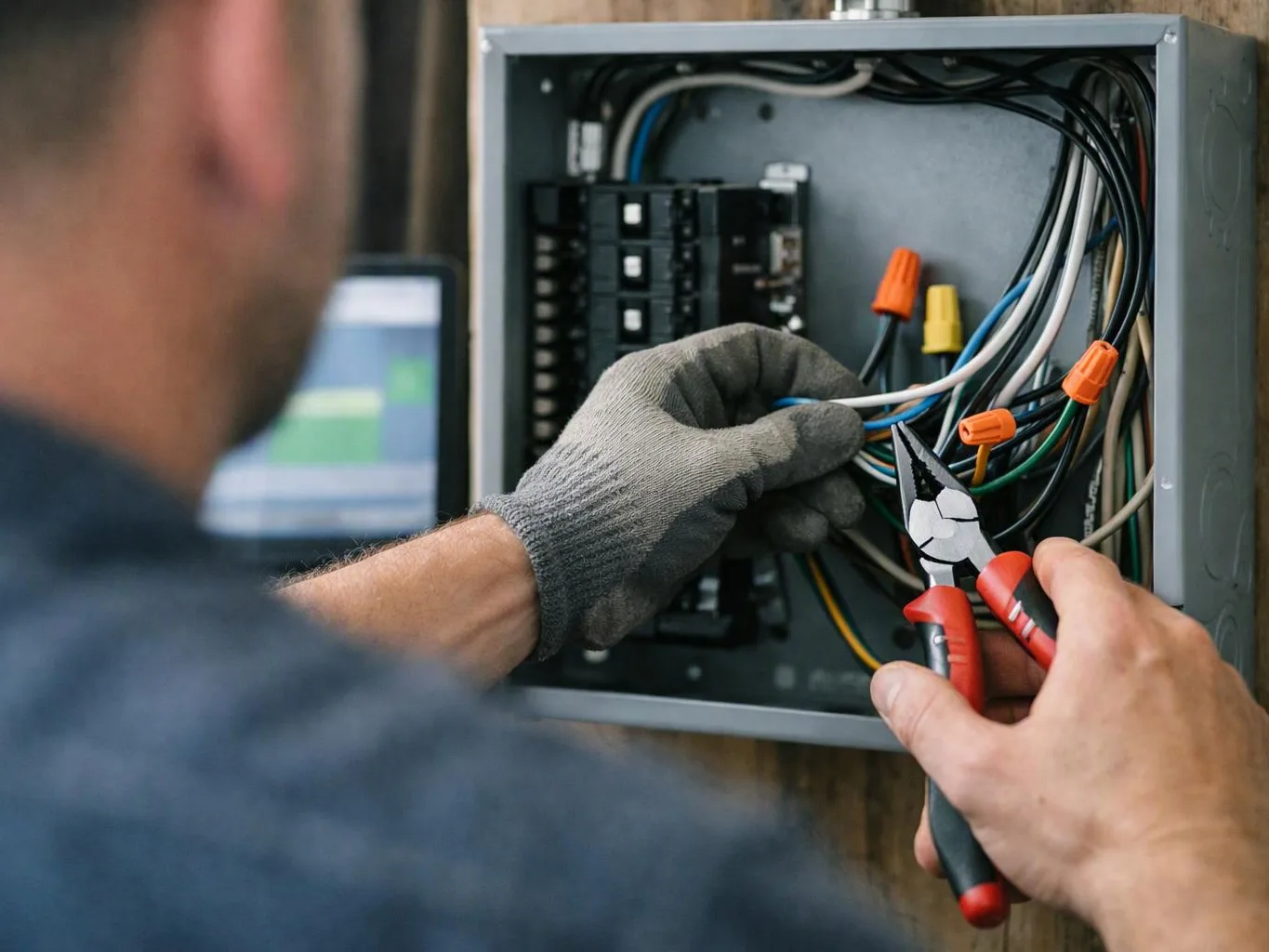
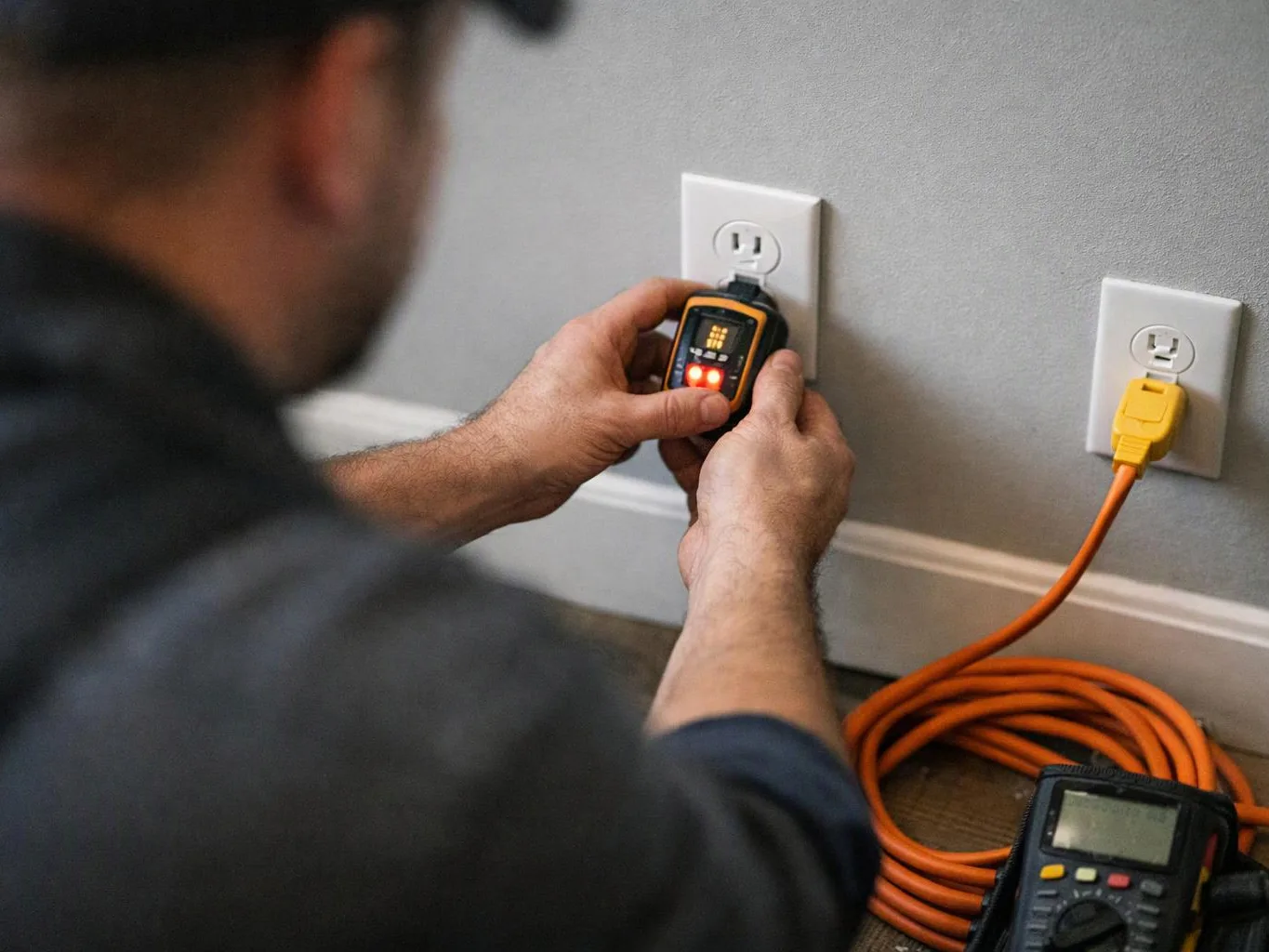
The work moves from inspection to circuit isolation, replacement, connection checks, and testing. We identify the affected circuit, remove the faulty breaker, install the replacement, and verify operation. The final check also helps identify wiring or load concerns that a single part change would not resolve.
Which part of this job changes the quote?
Panel condition, breaker damage, circuit access, wiring repairs, and related load issues change the quote. We review those points before setting the work scope. A single failed breaker has a different scope from a damaged panel connection or a circuit that needs tracing and repair. Free estimates are available.
When should I stop resetting a breaker?
Stop resetting a breaker when it trips again, feels hot, buzzes, or shows marks or smoke. We need to inspect the breaker and circuit before further use. Keep clear of a visibly damaged panel, and share the warning signs when requesting service. A repeated reset can leave an underlying electrical fault unresolved.
How do you decide whether the panel needs more than one breaker?
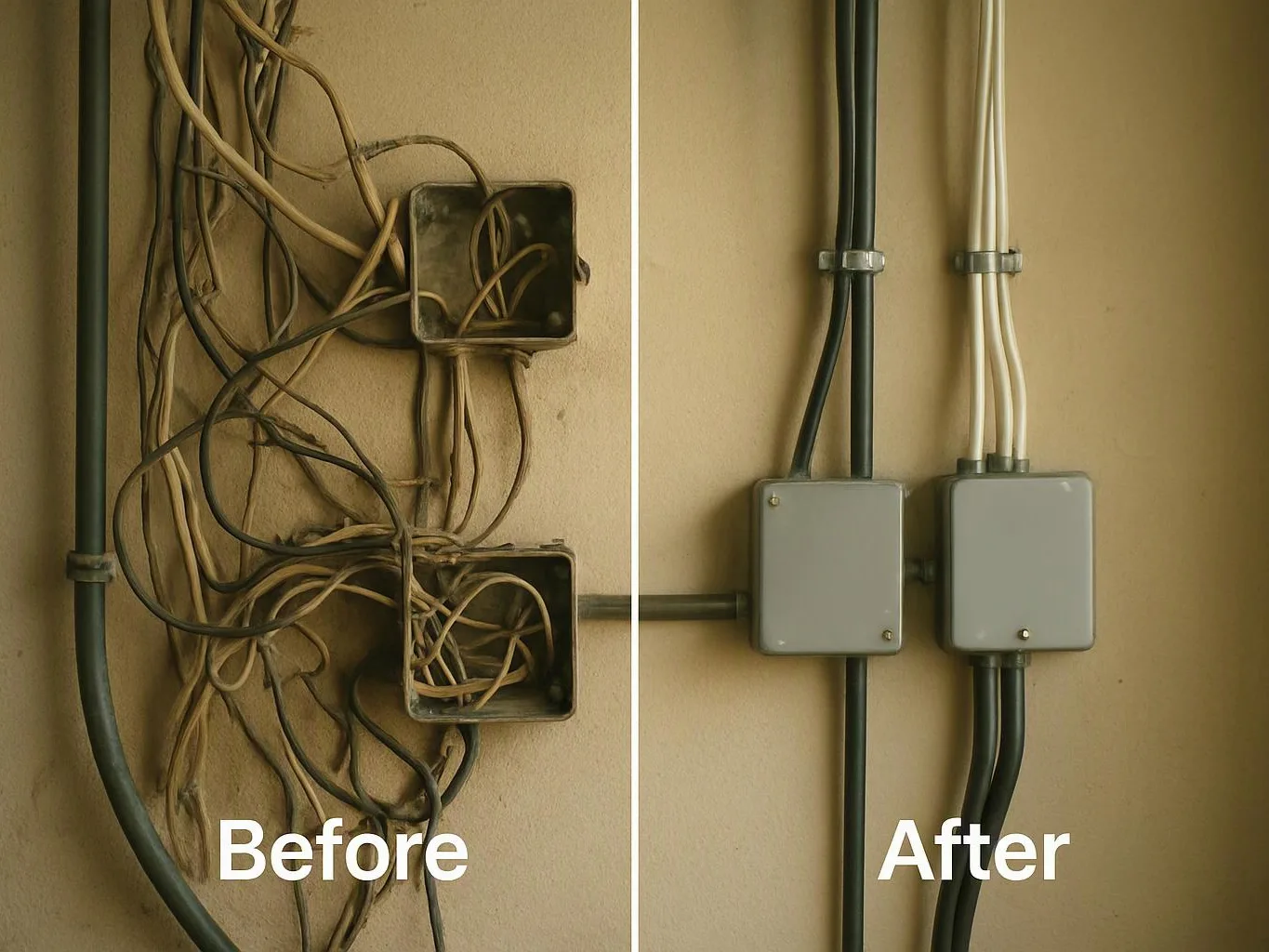
The panel needs broader work when inspection finds damaged connections, limited capacity, heat spread, or wiring problems beyond one breaker. We trace the affected circuit and review the panel condition before recommending a wider scope. That may point to panel service, a subpanel, or rewiring instead of a single replacement.
Why might a new breaker still trip after installation?
A new breaker can still trip when the circuit remains overloaded, the wiring has damage, or connected equipment has a fault. We test the circuit and trace the load when that occurs. The next step is diagnosis, not repeated resets, because the breaker may be protecting the system from a continuing problem.