What should be inspected when a ceiling fan operates intermittently?
Control settings should be inspected first when a ceiling fan operates intermittently. We then check the power supply, receiver module, wire connectors, and motor housing. Each check helps separate a control problem from a wiring or motor fault. We explain the finding before recommending the next repair.
How do you know whether the fan control or receiver is faulty?
The control path is faulty when commands fail before the receiver responds. We compare wall control or remote commands with the fan's response, then inspect the receiver module and connections. Repeated control changes without stable operation point to a fault that needs electrical testing.
Which signs suggest a loose ceiling fan connection?
Flickering operation, sudden stopping, buzzing, or heat near a switch can suggest a loose connection. We inspect accessible wire connectors and the supply path before changing parts. Turn the fan off if you notice sparking or a burning smell, because those signs need prompt electrical attention.
When should a fan problem become an urgent electrical call?
A fan problem becomes urgent when it produces smoke, sparking, a burning smell, or repeated breaker trips. Stop using the fan and keep clear of damaged parts. Our 24-hour emergency electrical response covers urgent electrical concerns, while we keep the fan issue within its proper repair scope.
Why does a fan work from one control but not another?
Different control results often point to a wall control, remote, receiver module, or wiring fault. We test the control command and inspect the receiver path before checking the motor housing. The result helps show whether the fan needs control repair or a broader electrical assessment.
Who is a good fit for ceiling fan repair, and who needs another service?
Ceiling fan repair fits customers whose fan has an intermittent control, connection, receiver, or motor problem. A customer needs another service when the main concern involves a new circuit, panel capacity, rewiring, or property-wide power loss. We identify that boundary during diagnosis and explain the next electrical step.
What should I check before scheduling a fan assessment?
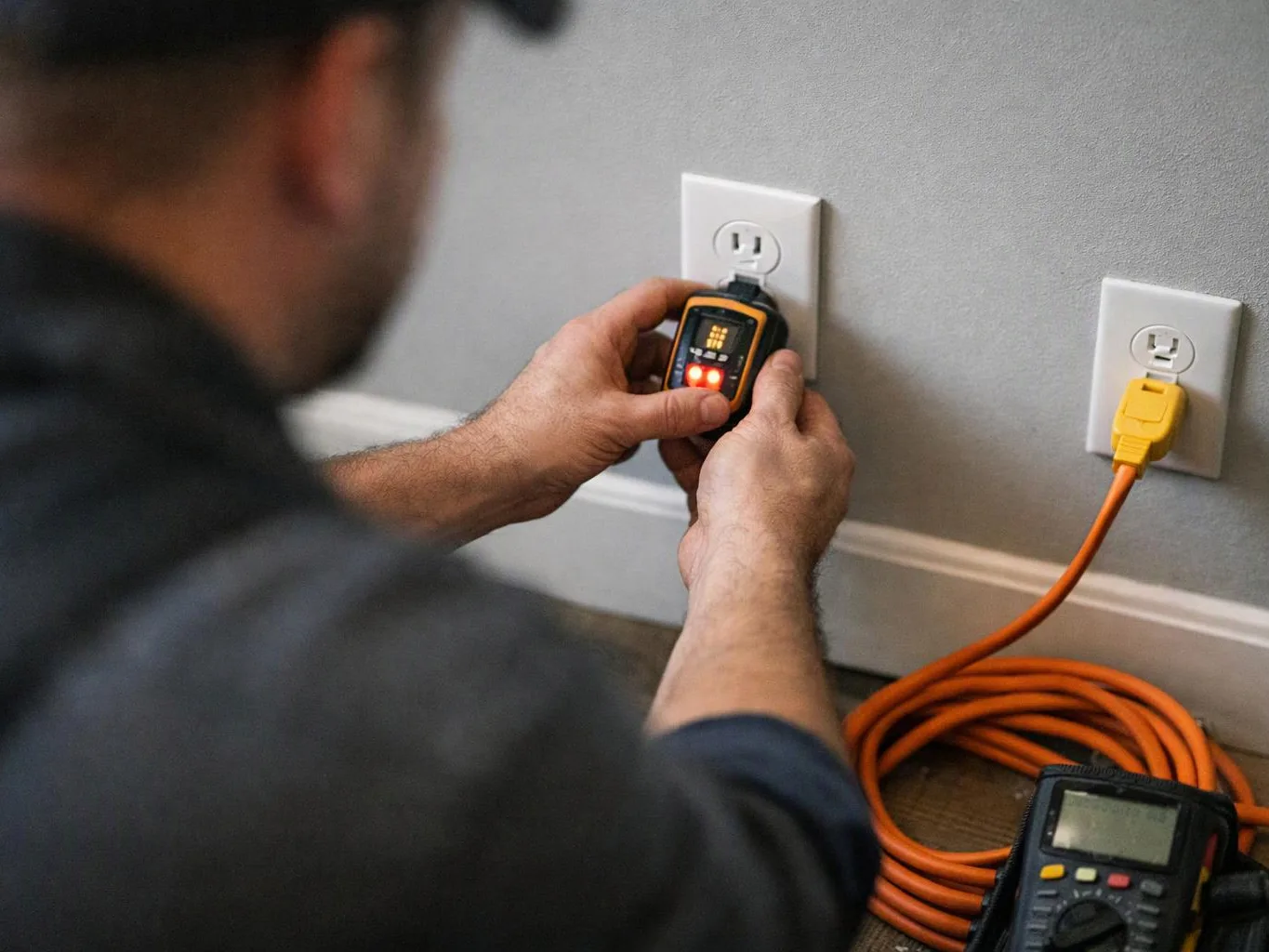
The fan's controls, breaker position, operating pattern, and warning signs should be noted before scheduling. Record whether the fan stops at one speed, whether a remote responds, and whether other outlets or lights change. Do not remove the housing or handle exposed wiring, because we need the original setup to diagnose it safely.