Skip to content

Ceiling Fan Repair in Hoagland, Indiana

Motor failure can stop a ceiling fan from spinning in Hoagland. We check the fan's load, motor, capacitor, and wiring before setting the repair scope.

Licensed & InsuredWarranty AvailableSame-Day ServiceUpfront, Transparent Pricing

Quick Summary: ceiling fan repairs in Hoagland, Indiana

Ceiling Fan Repair in Hoagland is provided by Chris Miller Electric for homes and businesses across Fort Wayne, New Haven, Leo-Cedarville, Huntertown, and nearby Allen County communities. The service covers fan controls, wiring, capacitors, remote receivers, and motor-related faults.

  • What we do: Chris Miller Electric provides Ceiling Fan Repair for residential and commercial properties in Hoagland, Indiana.
  • What is included: We inspect fan motors, direction switches, capacitors, loose wiring, remote receivers, and connected switches.
  • What you get: The customer receives a tested ceiling fan and a clear decision about repair or replacement.

What causes a ceiling fan to stop spinning or reverse direction?

Motor failure, a damaged capacitor, a faulty direction switch, loose wiring, or a failed remote receiver can stop a ceiling fan or reverse its movement. Chris Miller Electric checks these parts in order, isolates the electrical fault, and tests the fan controls after the repair.
Ceiling fan repair for Hoagland homes and businesses

A fan that stops spinning needs more than a blade adjustment. The fault may sit in the direction switch, capacitor, remote receiver, or wiring that feeds the fixture.

Customers use this service when a fan reverses direction, loses speed, stops responding, or leaves the light and fan controls unreliable. We trace the fault, inspect the mounting and connections, then explain whether repair fits the fixture.

This page focuses on the fan itself and the wiring tied to it. A larger issue, such as repeated breaker trips or a buzzing panel, may call for broader electrical troubleshooting.

  • Note whether the fan stops, reverses direction, or fails to respond to its controls.
  • Keep the wall switch and remote available for testing.
  • Tell us whether the fan and light respond in the same way.
  • Avoid opening the fan canopy or changing wiring before inspection.
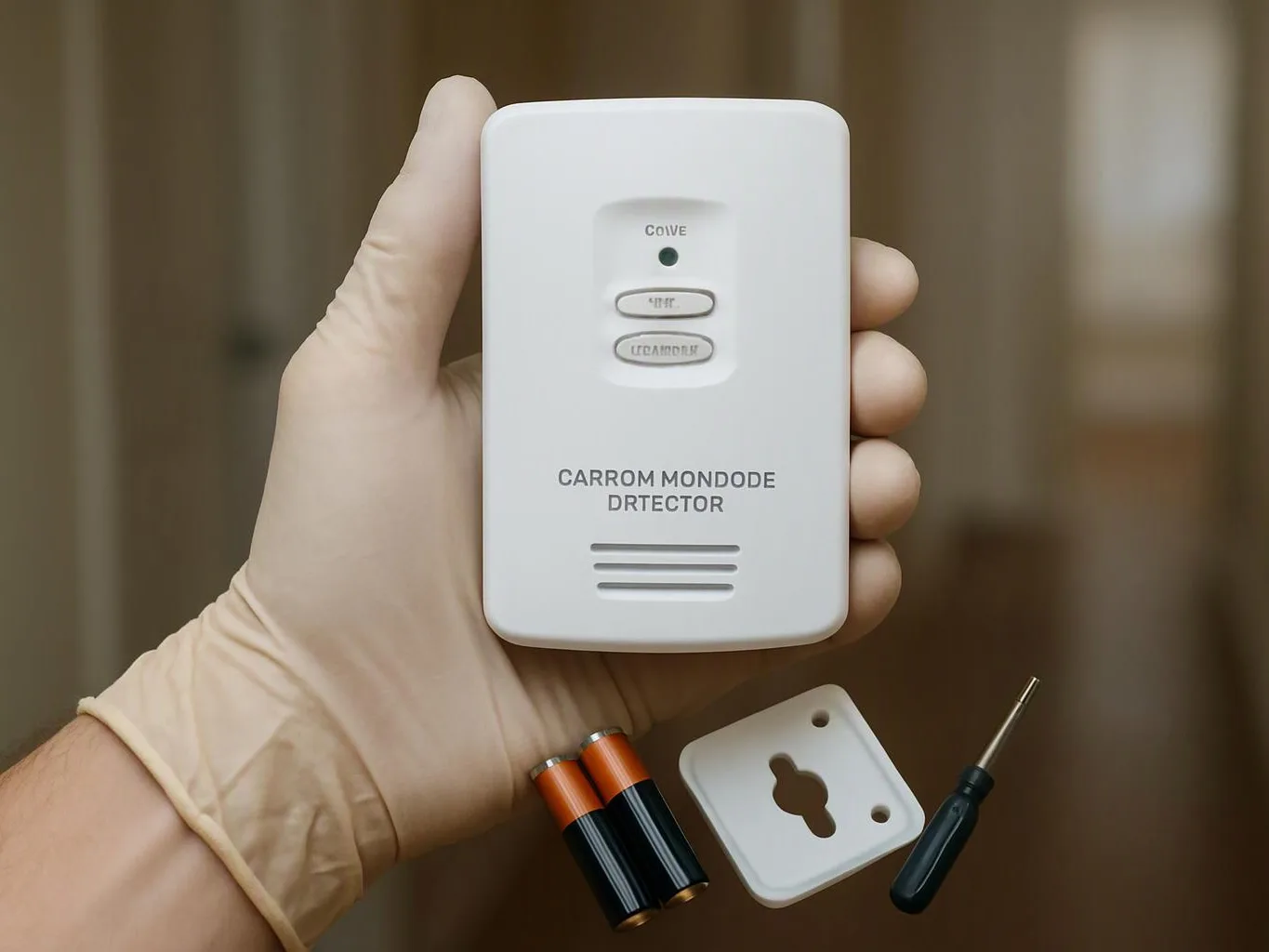
A gloved hand holds a white carbon monoxide detector with batteries, a wall mount, and a small screwdriver below it

Service Overview

Ceiling fan repair is an electrical service that checks and restores a fan's motor, controls, wiring, and related parts.

  • Fan repair focuses on one fixture, while panel service or rewiring addresses broader electrical systems.
  • Chris Miller Electric provides ceiling fan repair in Hoagland for residential and commercial properties.

What ceiling fan repair includes for this job

Chris Miller Electric provides comprehensive Ceiling Fan Repair in Hoagland. Here's what you get:

  • We inspect the fan motor and controls for signs of electrical failure.
  • We check the direction switch for a stuck or damaged setting.
  • We test the capacitor when the fan loses speed or will not start.
  • We inspect accessible wiring and connections for looseness or heat damage.
  • We check the remote receiver when remote commands do not reach the fan.
  • We test the fan after the repair and explain any remaining issue.

How we approach ceiling fan repair

Start with the control path

Customers get a check of the wall switch, remote receiver, direction switch, and fan connections before parts are selected. This service is the wrong fit when the main problem is a wider panel, circuit, or whole-property issue.

Match the repair to the fault

A capacitor problem calls for a different repair than loose wiring or a failed motor. We explain the finding in plain language so you can choose the next step.

Check the result at the fixture

The fan should respond to its controls after the repair. We test its operation and review any condition that still needs attention.

Process

How we complete ceiling fan repair

1

Record the fan symptoms

We ask what the fan does when the switch or remote is used. The starting symptom helps us focus the inspection.

2

Isolate the fan circuit

We make the fixture safe to inspect and check the accessible connections, switch, receiver, capacitor, and motor path.

3

Trace the failed part

Testing shows whether the fault sits in the direction switch, capacitor, loose wiring, remote receiver, or motor.

4

Repair and test the fixture

We complete the supported repair, restore the connections, and test fan movement and control response.

What a repaired ceiling fan changes

A working fan gives you dependable control of airflow in the room.

A part-level diagnosis helps you decide whether repair fits the fixture.

Testing the switch, capacitor, and receiver helps prevent a wrong-part repair.

Clear findings help you plan wider electrical work when the fan is not the only concern.

Ceiling fan fault types and repair focus

These common symptoms point to different inspection areas, so the first diagnosis matters.

Fan problemMain area checkedRepair decision
Fan will not startCapacitor, motor, switch, and wiringRepair the failed part when the fixture and connections remain suitable
Fan reverses directionDirection switch and remote receiverCorrect the control fault and test the selected direction
Remote stops workingRemote receiver, settings, and fan wiringRepair the receiver or address the connected control path

The Chris Miller Electric Standard

  • Any-Hour Service
  • Urgent Requests
  • Troubleshooting Repairs
  • Electrician Support

Questions about ceiling fan repair

How should I prepare before ceiling fan repair starts?

The fan's controls, remote, and symptom details should be ready before work starts. Note whether the light works, whether the fan hums, and whether the direction switch feels normal. Keep the area below the fixture clear, and do not remove the canopy or alter wiring before our inspection.

Which property condition changes the time needed for fan repair?

Fixture access and wiring condition most often change the work time. A fan mounted high above a stairwell, a crowded canopy, or damaged wiring needs more inspection before repair. Our team checks access and the connection path first, then explains the scope before proceeding.

When should a stopped ceiling fan become an urgent electrical call?

A burning smell, sparking, smoke, or a warm switch plate makes the issue urgent. Turn off the fan and its circuit if it is safe to do so, and keep clear of damaged parts. We inspect the fixture and connected wiring to identify the electrical hazard.

Why does a ceiling fan lose speed before it stops?

A failing capacitor, motor problem, or loose connection can cause a fan to lose speed. Our team tests the capacitor and checks the wiring before selecting a part. Continued use can make diagnosis harder when the fan changes speed or stops under load.

What should I ask before agreeing to ceiling fan repair?

Ask which part failed, whether the wiring is safe, and whether repair suits the fixture. We explain the observed fault, the planned repair, and any related electrical concern before work begins. You should also know what testing will be completed after the repair.

Ceiling Fan Repair in Other Areas

Contact

Request a ceiling fan repair quote in Hoagland

Get a clear repair scope for your ceiling fan, and urgent requests get priority scheduling.

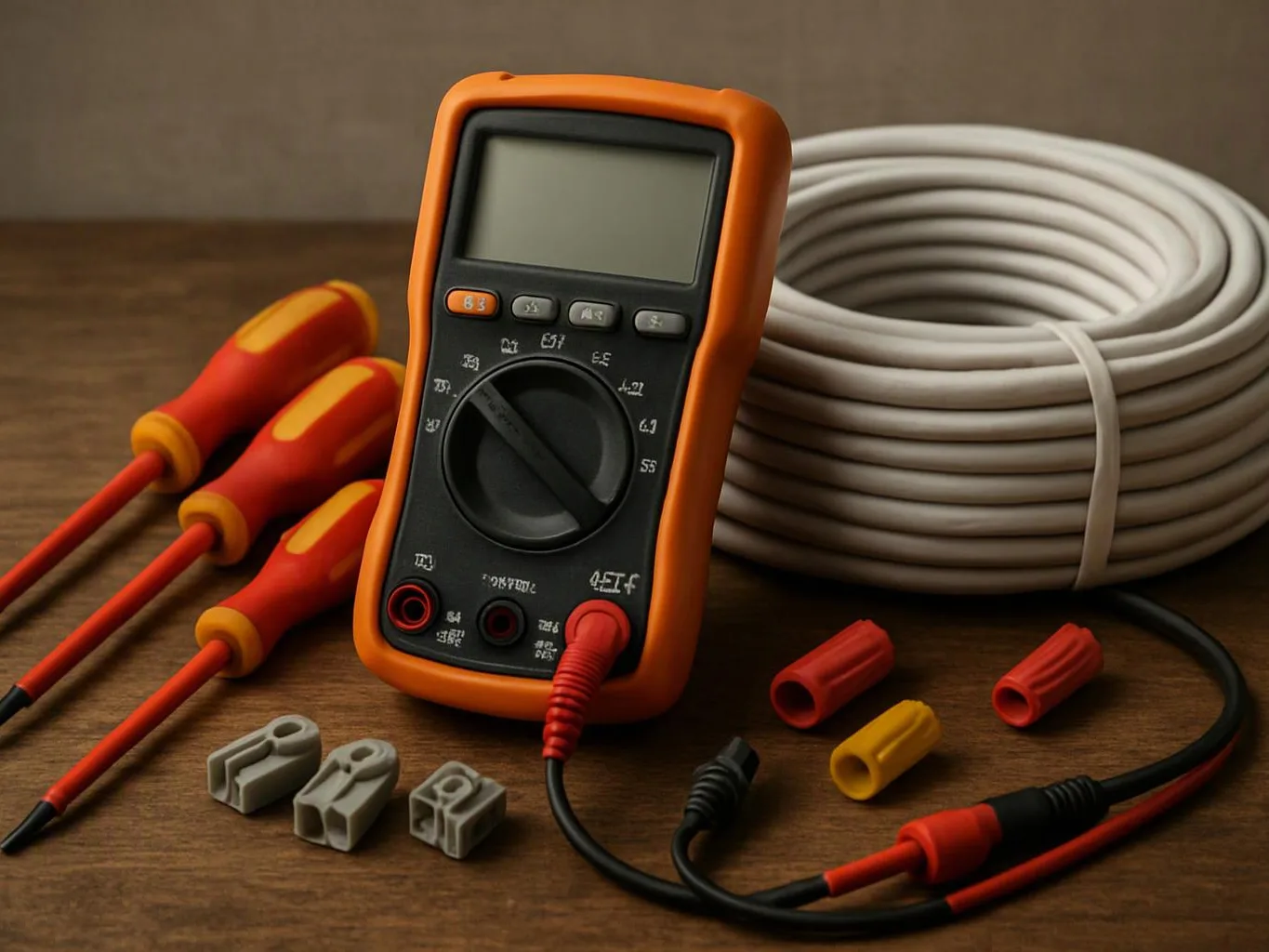
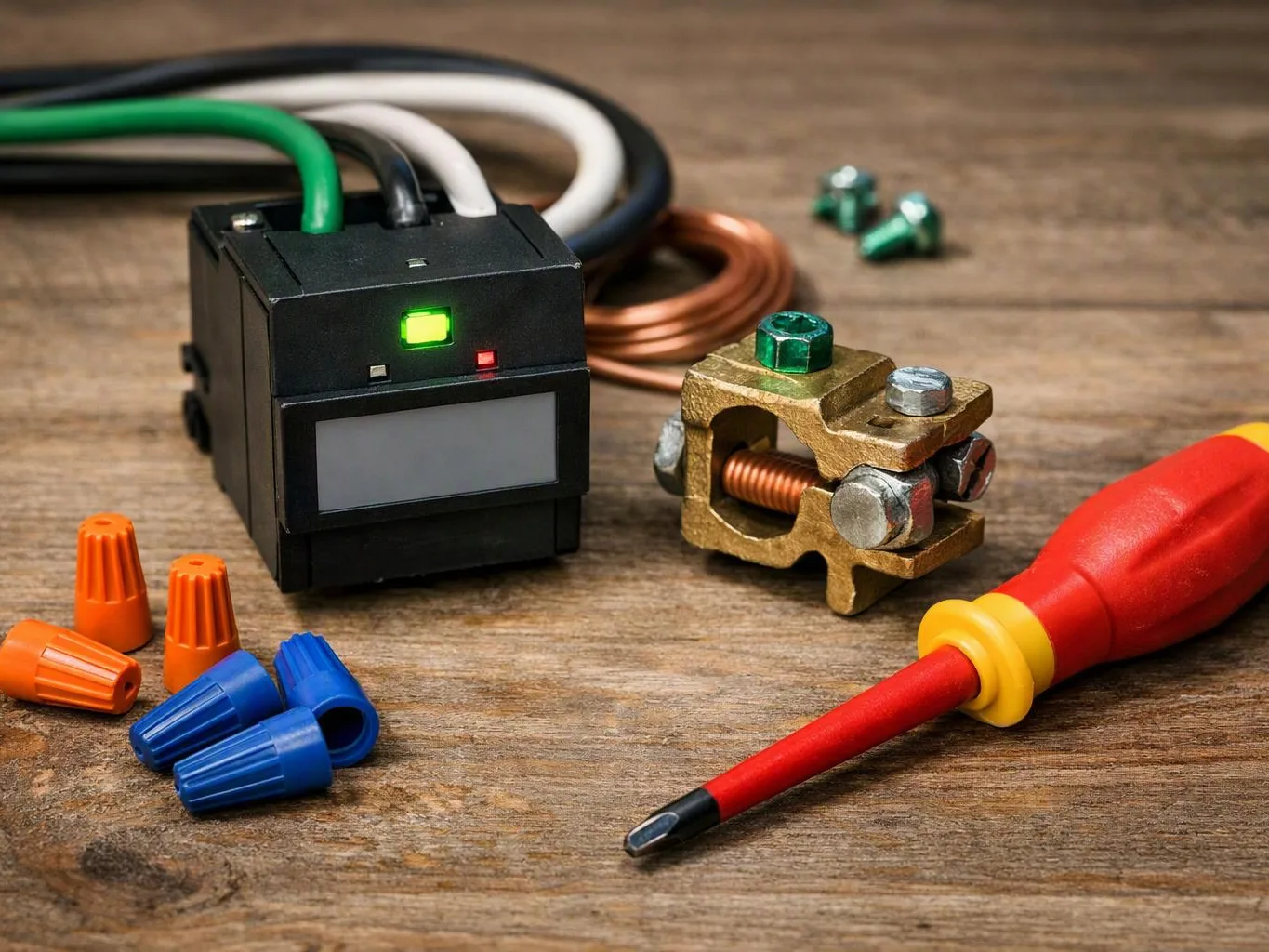
Electrical test gear and wire connectors lie on a wooden work surface, with a screwdriver in front

ZIP Codes We Serve in Hoagland, Indiana

46745
(260) 305-8344