How can I test and maintain a carbon monoxide detector?
Sensor expiration makes a detector replacement necessary when the sensing element can no longer operate. Chris Miller Electric checks the test button, battery, alarm history, power connection, and vents. Press the test button as directed by the manufacturer, replace allowed batteries, keep vents clear, and request service when the unit fails its test or shows a fault.
What does the crew look at first during detector installation?
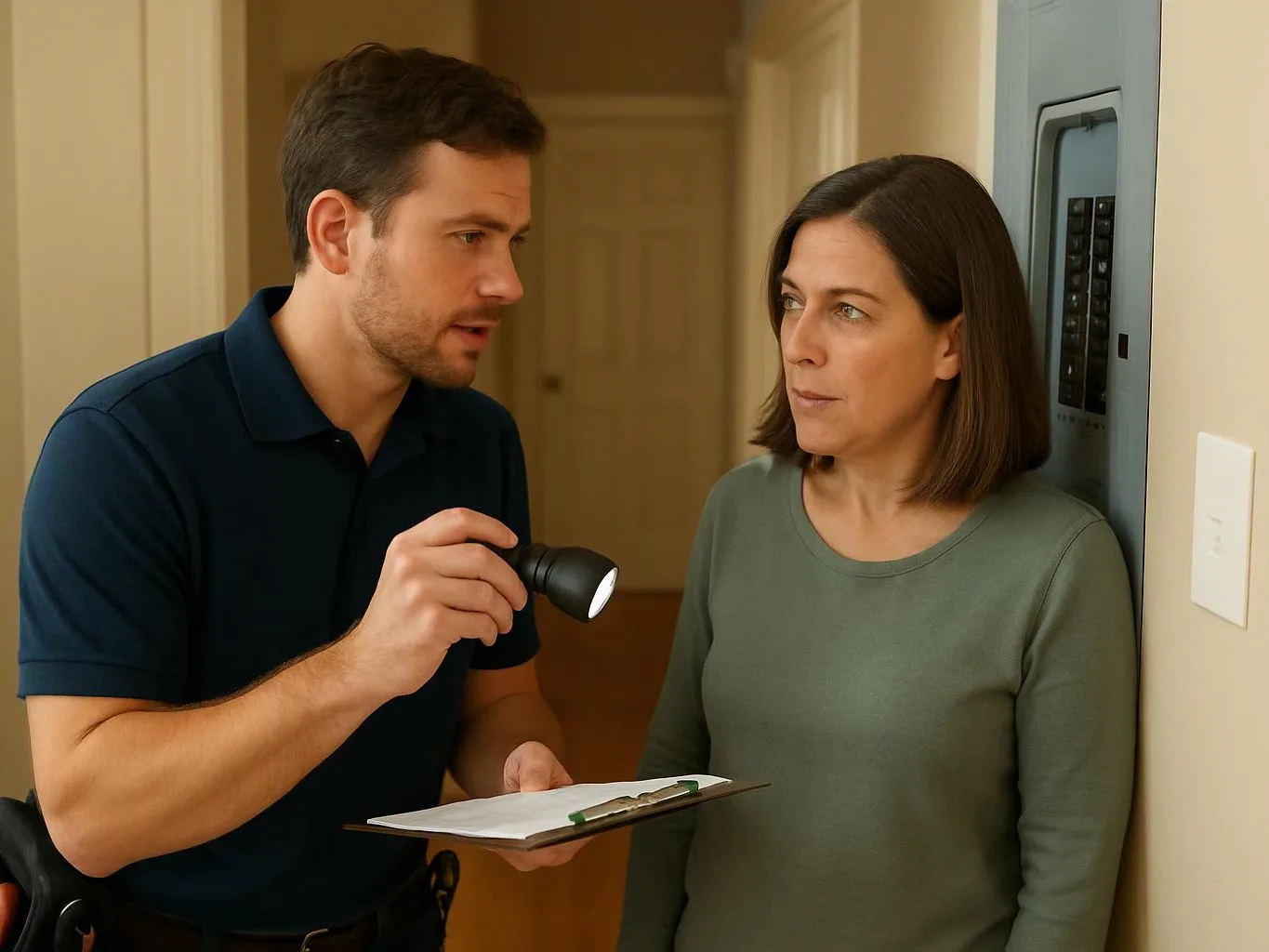
The detector’s condition and power source come first. We inspect the unit, check the battery or wiring, press the test button, and review visible warnings. Alarm history can add useful context when the detector has sounded before. Those checks help us choose installation, battery service, or electrical troubleshooting.
Which signs mean my detector needs replacement?
A failed test, repeated fault warning, damaged case, or expired sensing element points toward replacement. We confirm the problem by checking power, the alarm response, and the detector history. A battery change will not fix a failed sensor, so we explain the correct scope before installation.
When should I request service for a detector that chirps?
Request service when chirping continues after the permitted battery change or the unit shows a fault. We check whether the sound comes from low power, a stored warning, or a detector problem. If an alarm sounds and occupants feel unsafe, leave the area and seek emergency help before arranging planned installation.
Why does vent cleaning matter for detector maintenance?
Vent cleaning matters because blocked openings can limit the air reaching the sensing chamber. We inspect accessible vents and remove suitable surface debris during the service. Cleaning does not repair an expired or failed sensor, so we test the detector afterward and explain whether replacement is needed.
What should be checked before installation is scheduled?
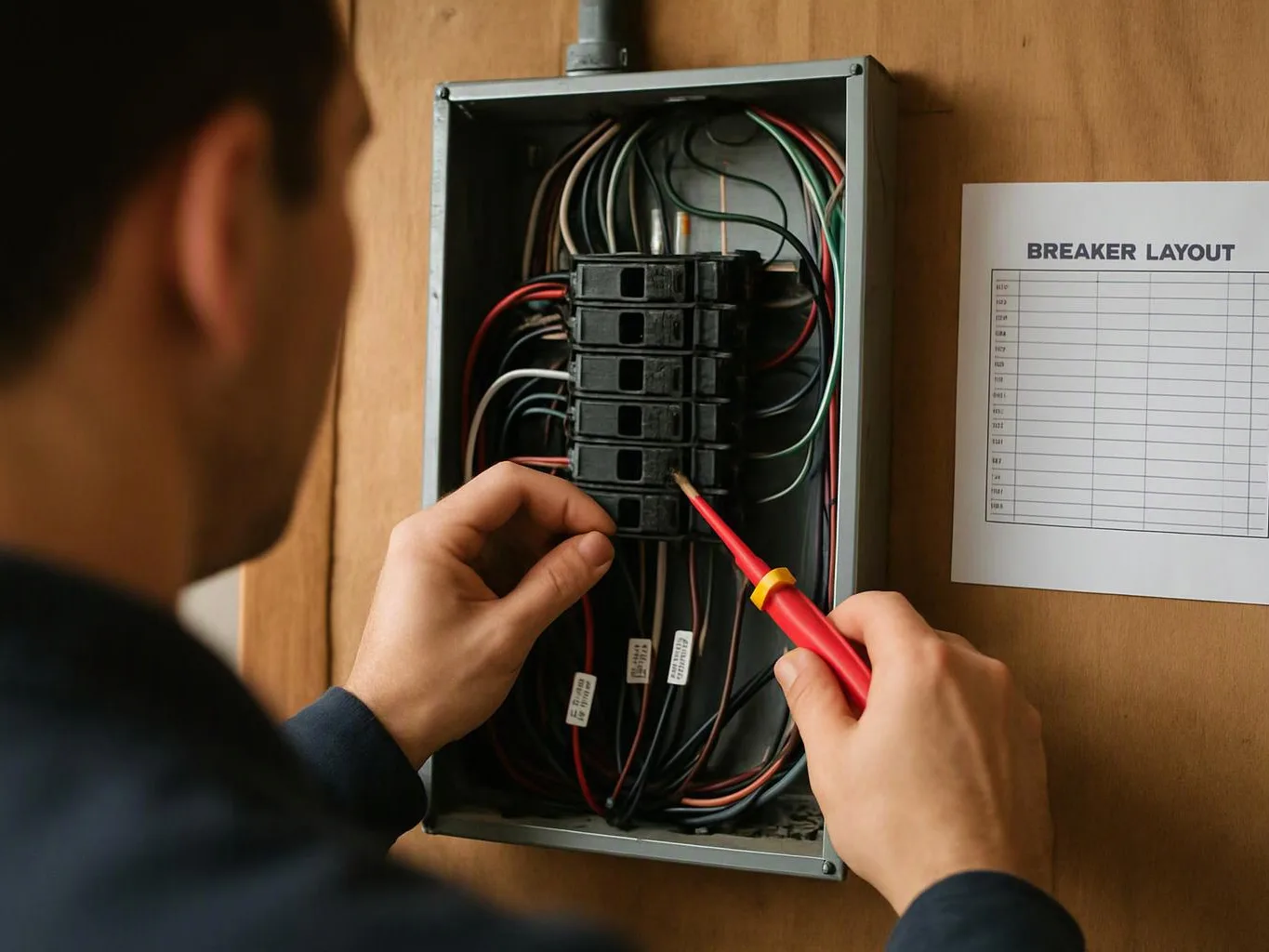
The existing detector, power source, wiring access, alarm history, and requested property area should be checked first. We also need to know whether the unit is battery-powered or connected to building wiring. These details help us prepare an accurate estimate and separate detector work from broader electrical troubleshooting.
Who is a good fit for this service, and who needs different help?
Homeowners, landlords, property managers, and businesses with a failed or missing detector fit this service. An active carbon monoxide alarm or suspected exposure needs immediate safety action first. We handle the detector installation or electrical work after the urgent hazard has been addressed.