Can detectors be installed near heating equipment?
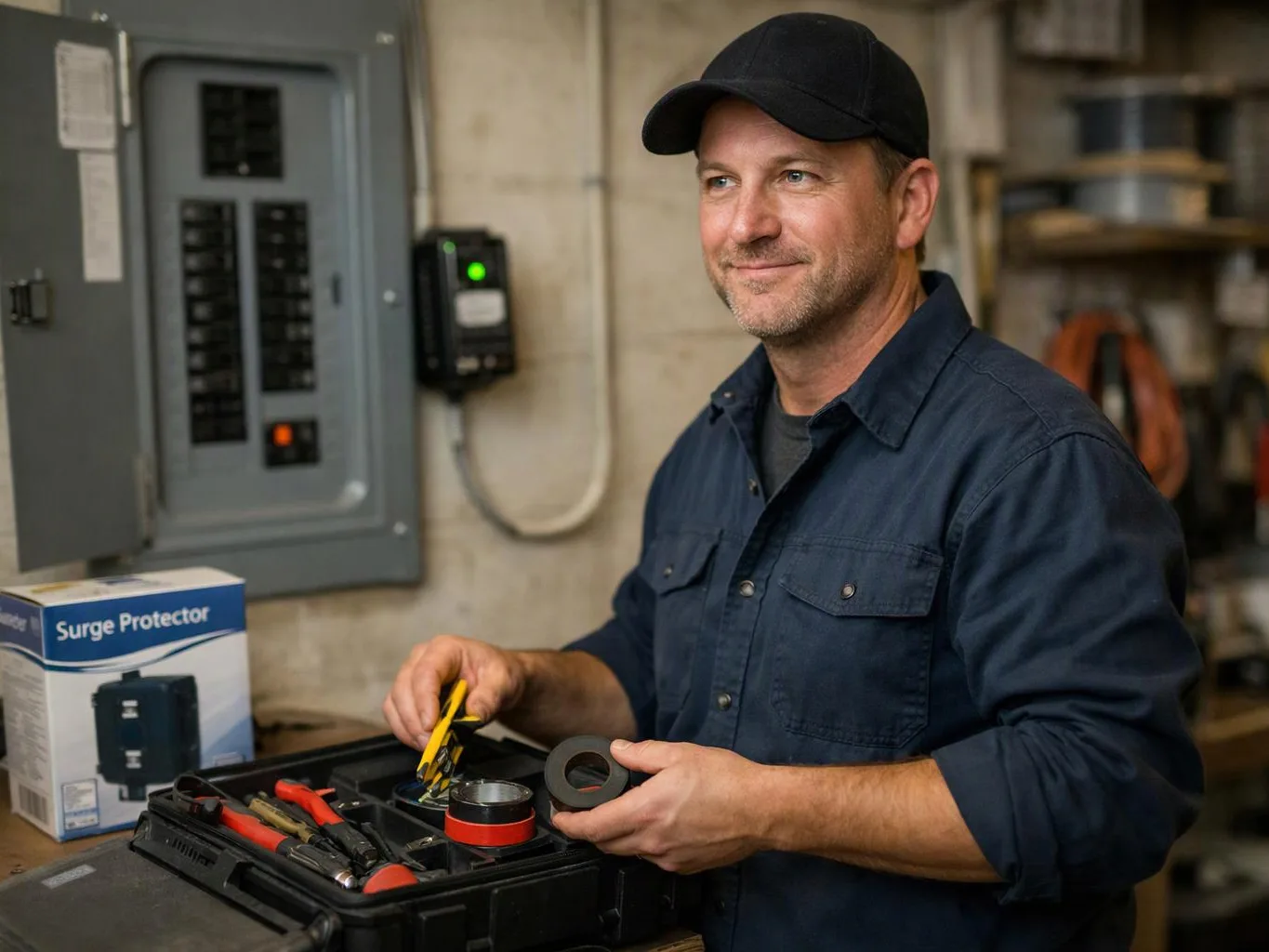
Combustion gases near heating equipment do not prevent detector installation when the location avoids direct exhaust and keeps ventilation openings clear. Chris Miller Electric checks the furnace room, mounting surface, power source, and alarm coverage before installing the detector. A furnace or vent problem needs separate service because an alarm does not repair the equipment that produces or carries exhaust.
How can I tell whether detector installation fits my property?
Carbon monoxide detector installation fits properties with fuel-burning heating equipment, attached garages, or areas where occupants need alarm coverage. We review the equipment area, room layout, power access, and existing alarms before setting the scope. The service covers detector work, while furnace repair, vent repair, and whole-property rewiring require separate electrical or heating decisions.
Which part of the property decides the installation scope?
The furnace room and nearby heating equipment usually decide the installation scope. Wall access, ventilation openings, exhaust paths, power sources, and the distance between rooms shape the work. We inspect those conditions before preparing the estimate, then explain whether the property needs one installation area or several connected locations.
What changes the time needed for this installation?
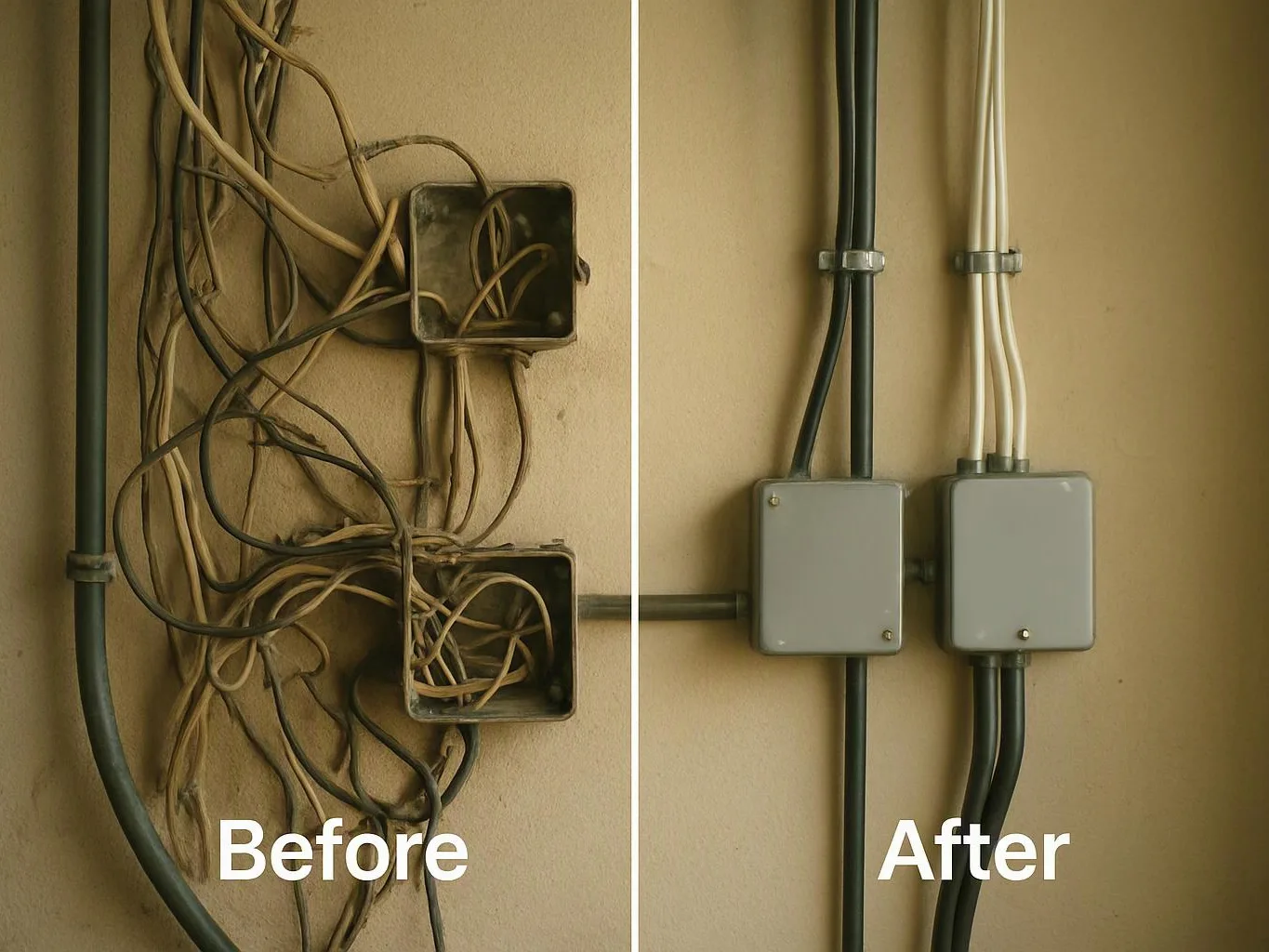
Wall access, wiring routes, detector locations, and the position of heating equipment change the time needed for installation. Open access supports a simpler setup, while finished walls or distant power sources may require more electrical work. We review those conditions before quoting the job and explain the steps that affect the schedule.
Which material changes how long installation takes?
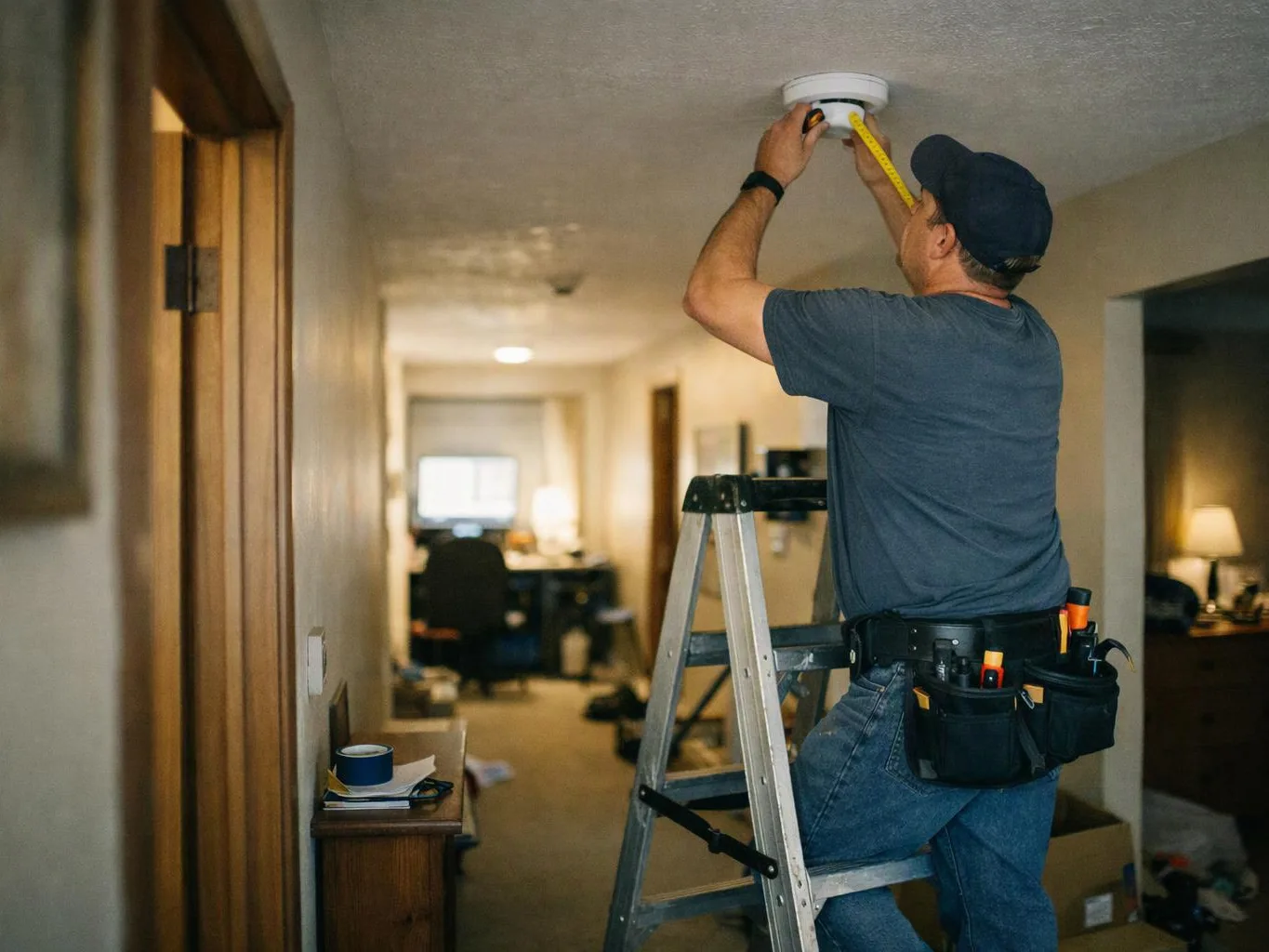
Finished drywall, masonry, paneling, and other wall materials can change the work needed to mount and connect a detector. The material affects access and the wiring route, not the detector’s alarm function. We identify the mounting surface before installation and explain any added access work in the estimate.
Why should ventilation openings stay clear?
Ventilation openings need clear airflow around heating equipment, so a detector should not obstruct them. We check the opening, exhaust path, and mounting surface before setting the location. If the equipment has a venting problem, we explain that detector installation will not correct it and identify the separate service needed.
What should I report before requesting an estimate?
The property type, heating equipment location, existing detector setup, wall material, and visible wiring help us prepare the estimate. Tell us whether the work is for a home or business and whether access to the furnace room is available. We use those details to review the scope and explain the next step.